Artwork
Jean Baptiste Hautin
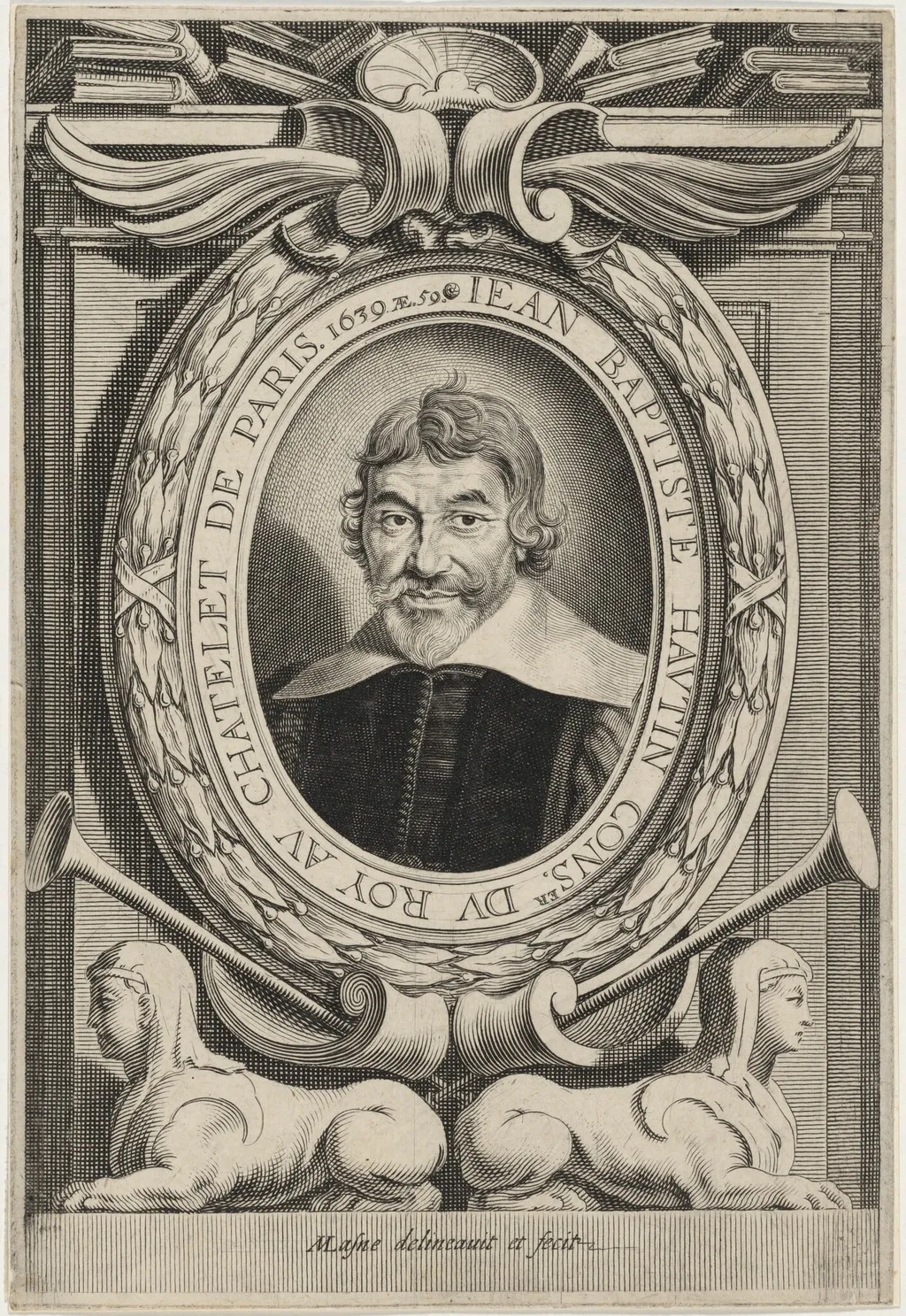
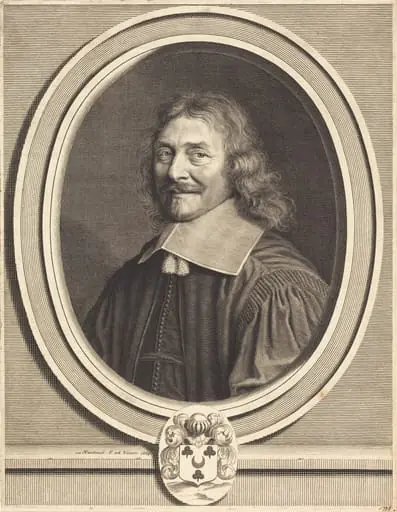
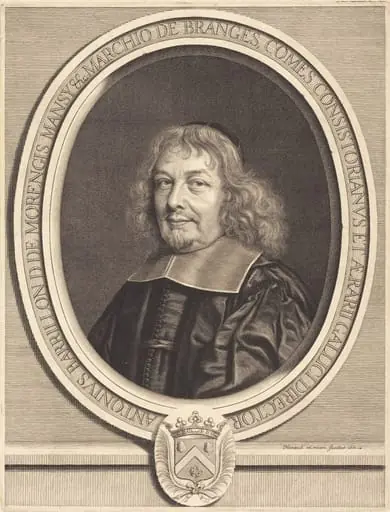
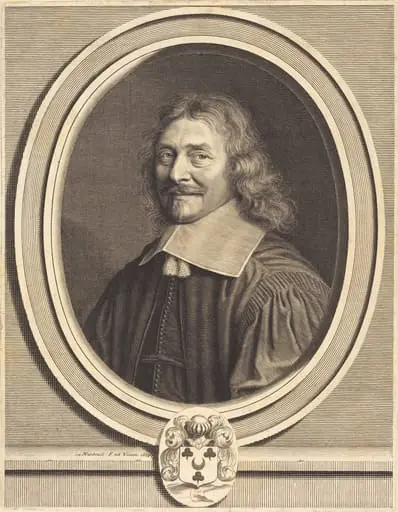
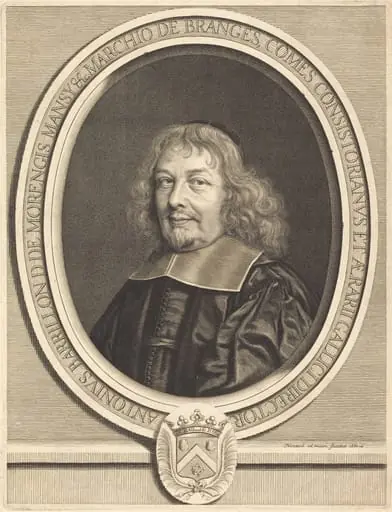
Jean Baptiste Hautin is an ink print by the Baroque artist Michel Lasne. It dates from 1639 and is held in the collection of the National Gallery of Art.
About this work
The text around the border reads "Jean Baptiste Hautin" and "Paris 1639," hinting this was made as a formal record.
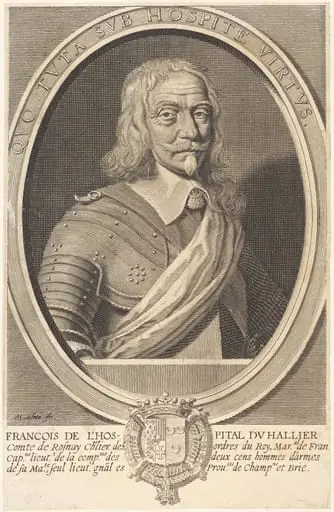
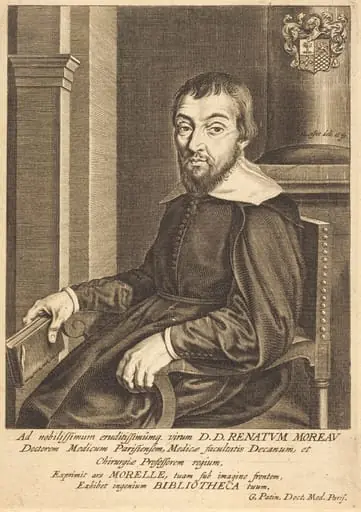
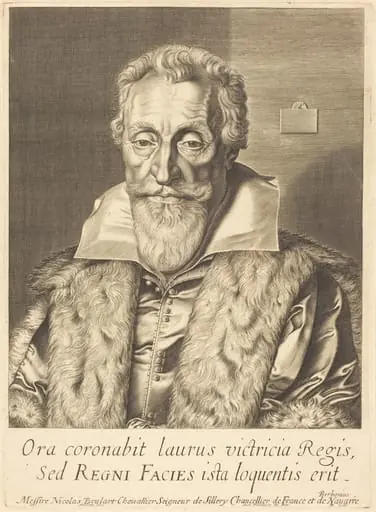
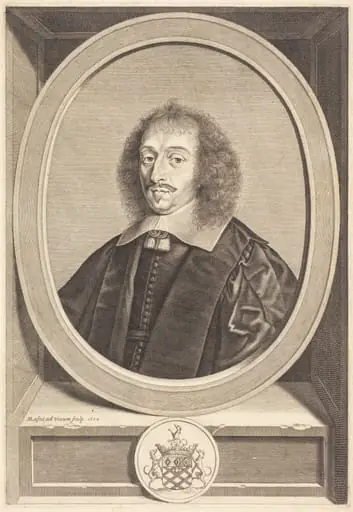
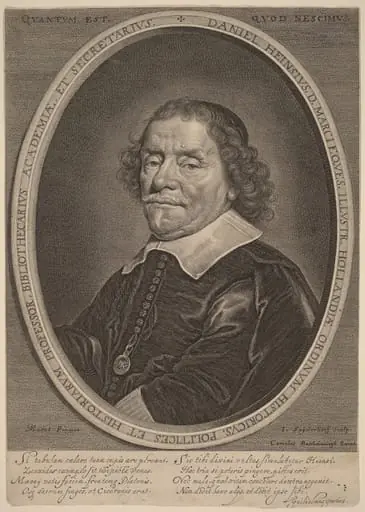
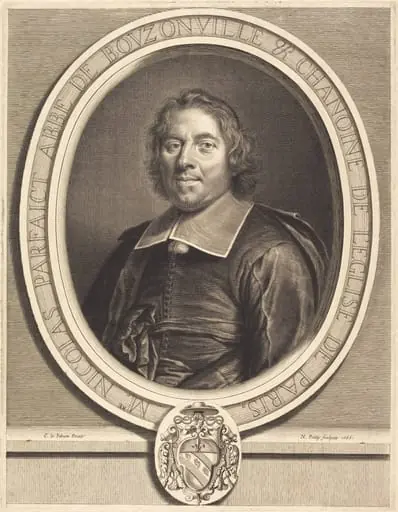
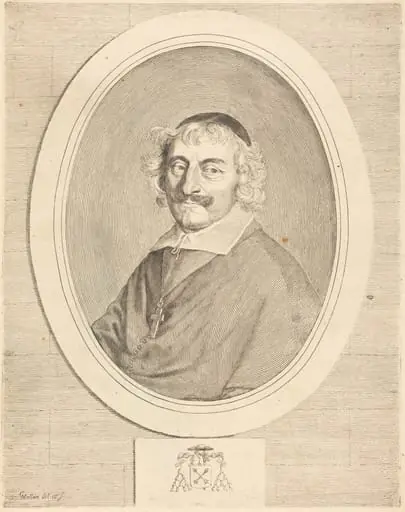
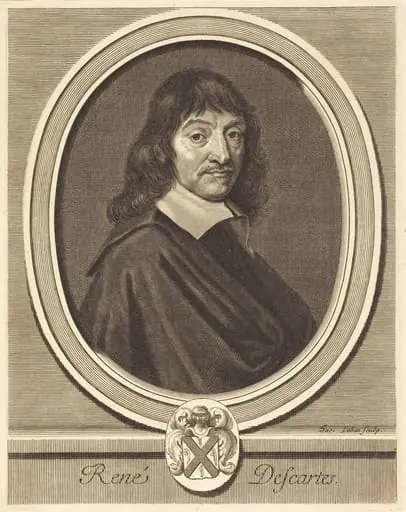
This is a black-and-white portrait of a man with a full beard and curly hair. His face is framed by a dark oval, surrounded by a decorative border. Above his head are swirling lines and small shapes, like clouds or feathers. The edges of the image have more detailed carvings—leaves, scrolls, and tiny human figures holding up the frame.
The text around the border reads "Jean Baptiste Hautin" and "Paris 1639," hinting this was made as a formal record. The lines and shading create depth, even though it’s just ink on paper.
If you like this style, look up engraving to see how artists use ink and lines to make images.
Overview
This 1639 engraving by Michel Lasne presents a formal portrait of Jean Baptiste Hautin, rendered in monochrome ink on paper. Executed in a detailed, linear style typical of reproductive printmaking, the image captures the subject in a three-quarter bust view. The composition is enclosed within an ornate border, suggesting its function as a documented likeness, possibly commissioned for personal or institutional archiving.
Subject & Meaning
Jean Baptiste Hautin, likely a figure of some social standing, is portrayed with dignity and precision. His full beard and curled hair reflect contemporary male grooming norms of early 17th-century France. The inclusion of his name and the date within the border emphasizes the portrait’s role as a record of identity, possibly intended for circulation among peers or as a keepsake, aligning with the era’s growing interest in individual representation.
Technique & Style
Lasne employed fine, controlled lines to model form and texture, using cross-hatching and stippling to suggest volume and shadow. The decorative border features intricate motifs—scrolls, foliage, and miniature figures—demonstrating the engraver’s skill in integrating ornamental elements with portraiture. The swirling forms above the head may allude to intellectual or spiritual elevation, common symbolic devices in engraved portraiture of the period.
History & Provenance
Michel Lasne, trained in Antwerp and active in Paris by 1621, became official engraver to Louis XIII in 1633. This work, dated 1639, falls within his mature period of producing both reproductive and original prints for French elites. Its inscription and style suggest it was created in Paris, likely for a private patron or as part of a series documenting notable individuals, though Hautin’s specific identity remains unverified in broader historical records.
Context
In early 17th-century France, engraved portraits served as tools of social documentation, especially among the bourgeoisie and court circles. With the rise of print culture, such images allowed for wider dissemination of likenesses beyond painted commissions. Lasne’s work reflects this trend, blending artistic craftsmanship with the demand for authoritative, reproducible images of individuals of note.
Legacy
Though not widely known today, Lasne’s engravings contributed to the development of French printmaking as a respected medium. His integration of portraiture with elaborate borders influenced later generations of engravers. This piece endures as an example of how print technology enabled the preservation and circulation of personal identity in an era before photography.
Artist & collection
Artist
Michel Lasne (Caen, ca. 1590–4 December 1667, Paris), was a French engraver, draughtsman and collector. Lasne was born in Caen and was the son of a goldsmith. He was a member of the Guild of Saint Luke in Antwerp for…