Artwork
Pine Trees in a Roman Park
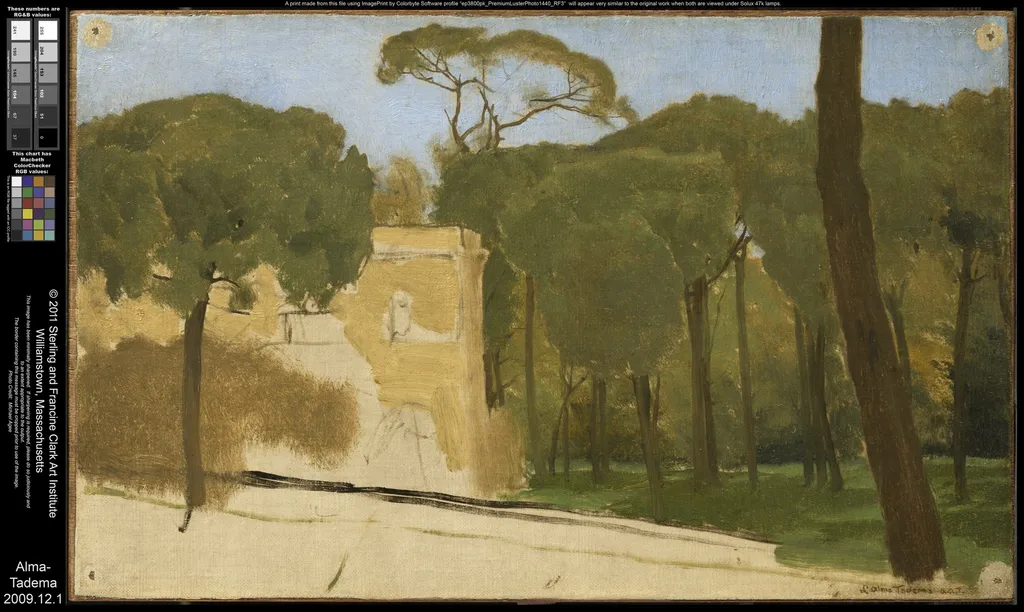
Pine Trees in a Roman Park is an unspecified painting by the Impressionist artist Lawrence Alma-Tadema. It dates from 1888 and is held in the collection of the Clark Art Institute.
About this work
Overview
Pine Trees in a Roman Park, painted in 1888 by Sir Lawrence Alma-Tadema, is a serene landscape depicting pine trees in a Roman setting, characterized by meticulous detail and classical themes.
Subject & Meaning
The painting portrays a tranquil Roman park scene with pine trees against a clear blue sky, evoking peacefulness and calm. While Alma-Tadema often explored luxury and decadence in the Roman Empire, this work focuses on natural serenity within a classical context.
Technique & Style
Alma-Tadema's use of color and light creates depth and atmosphere, with notable attention to textural detail, such as the rough bark and delicate leaves of the pine trees. Though associated with classical subjects, the work's emphasis on light and outdoor setting aligns with impressionist tendencies.
History & Provenance
Created in 1888 by Dutch-born, London-settled artist Sir Lawrence Alma-Tadema, the painting is now part of the Clark Art Institute's collection.
Context
While Alma-Tadema was known for depicting the Roman Empire's luxury, this piece reflects a quieter aspect of his classical themes, possibly influenced by the impressionist movement's focus on natural light and outdoor scenes.
Legacy
Pine Trees in a Roman Park contributes to Alma-Tadema's legacy of blending classical subjects with meticulous, detailed painting style, though its impressionist leanings set it apart from his more figurative, lavishly set works.
Artist & collection

Artist
Sir Lawrence Alma-Tadema ( AL-mə TAD-ay-mə; born Lourens Alma Tadema, Dutch: ; 8 January 1836 – 25 June 1912) was a Dutch painter who later settled in the United Kingdom, becoming the last officially recognised denizen in 1873.


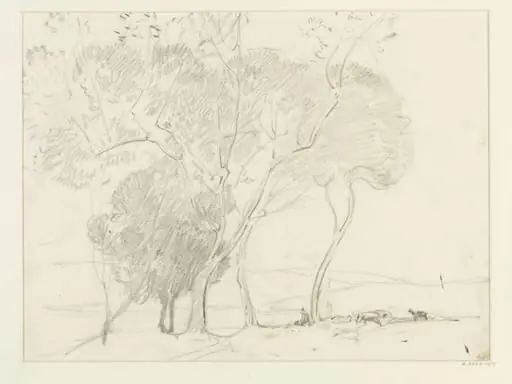 On the Severn
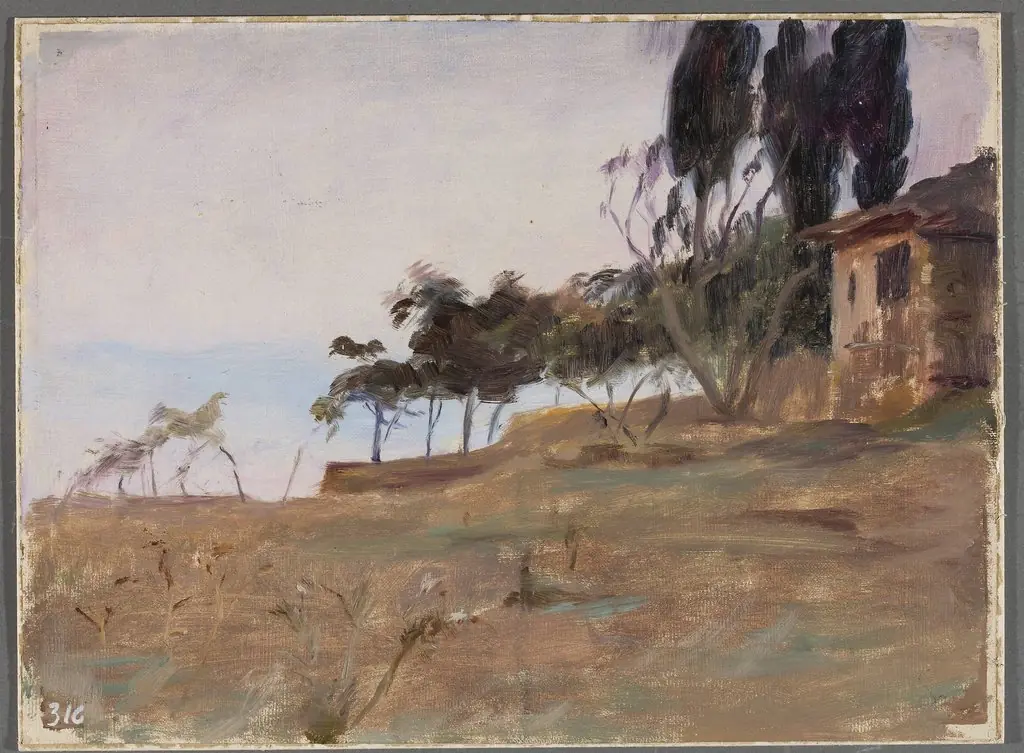 Study. From the journey to Constantinople
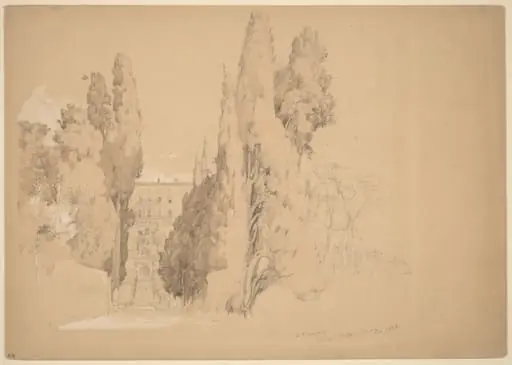 Villa d'Este, Tivoli
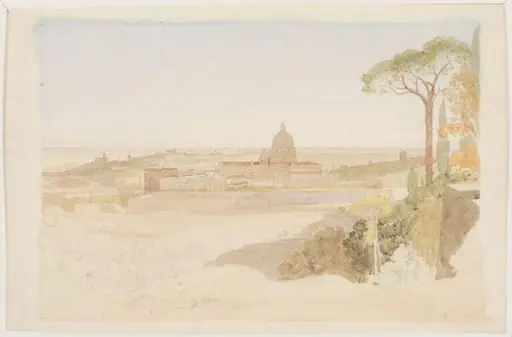 Untitled
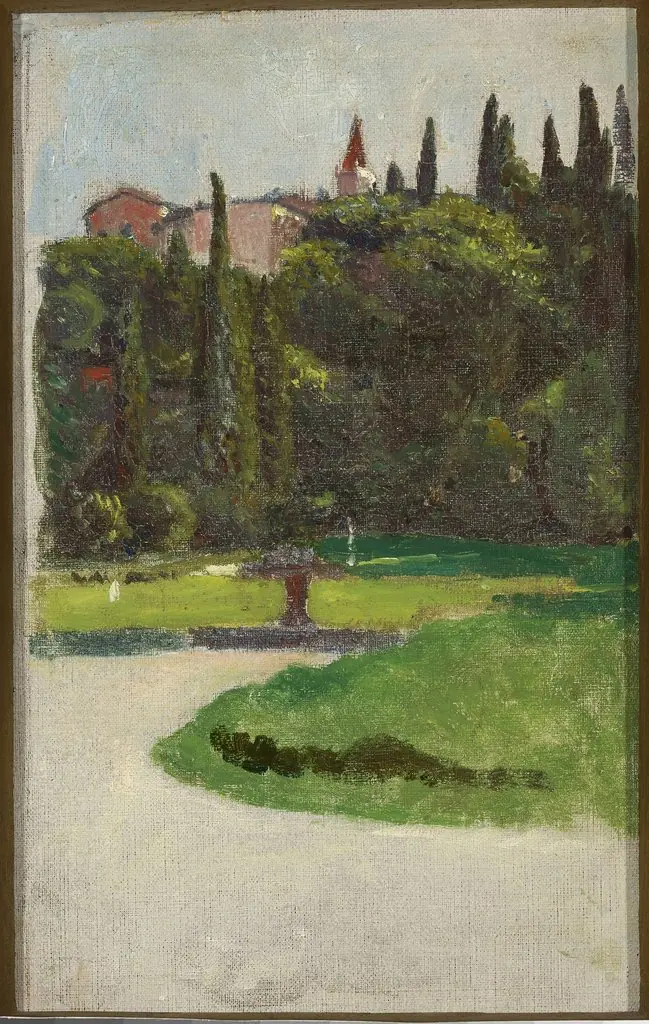 Villa d'Este in Tivoli, sketch
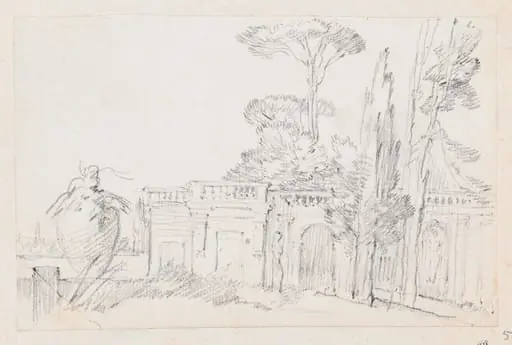 Gardens of an Italian Villa
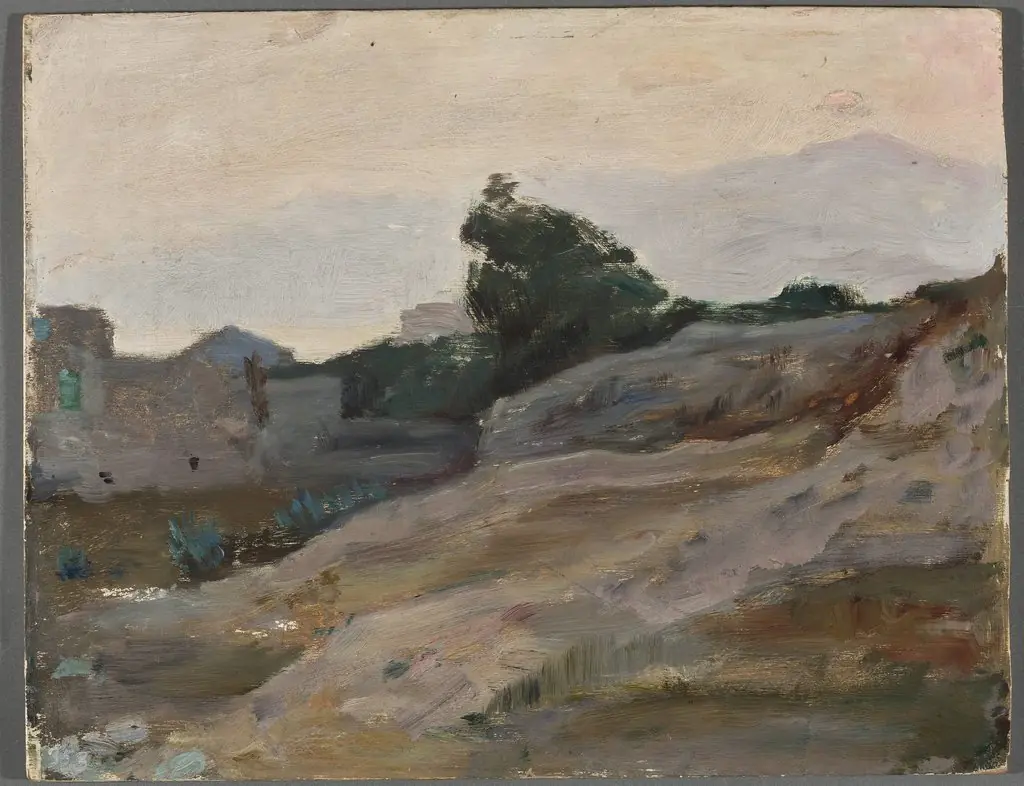 Bordighera. From the journey to Italy
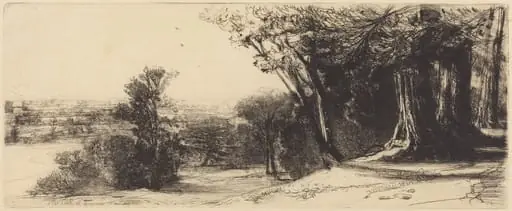 Early Morning - Richmond
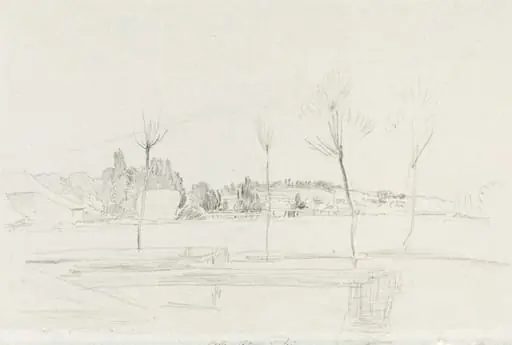 Landscape in Hertfordshire
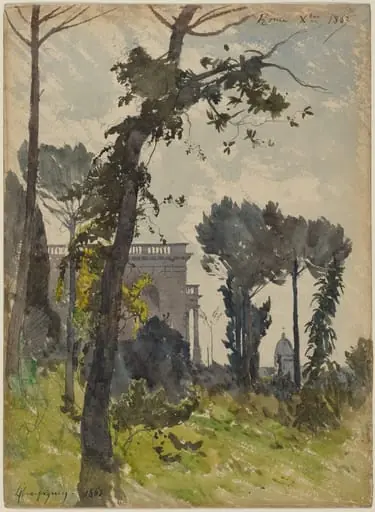 View of the Dome of Saint Peter's, Rome
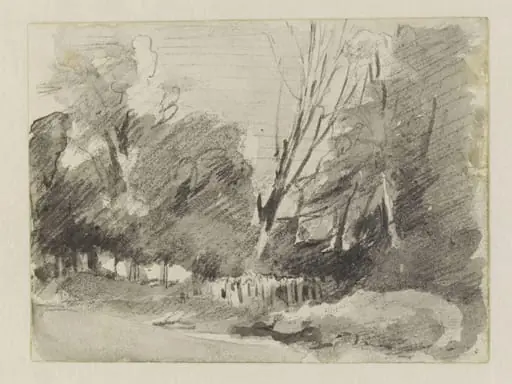 Two sketches on one sheet: a countryman walking, and a group of people beside two donkeys.
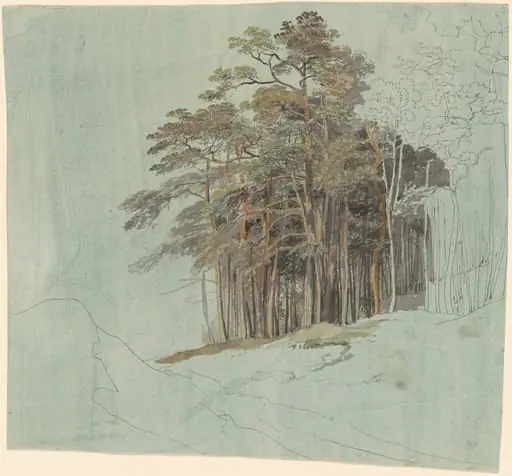 A Study of Pine Trees