Artwork
Leopart (Leopard or Tiger)
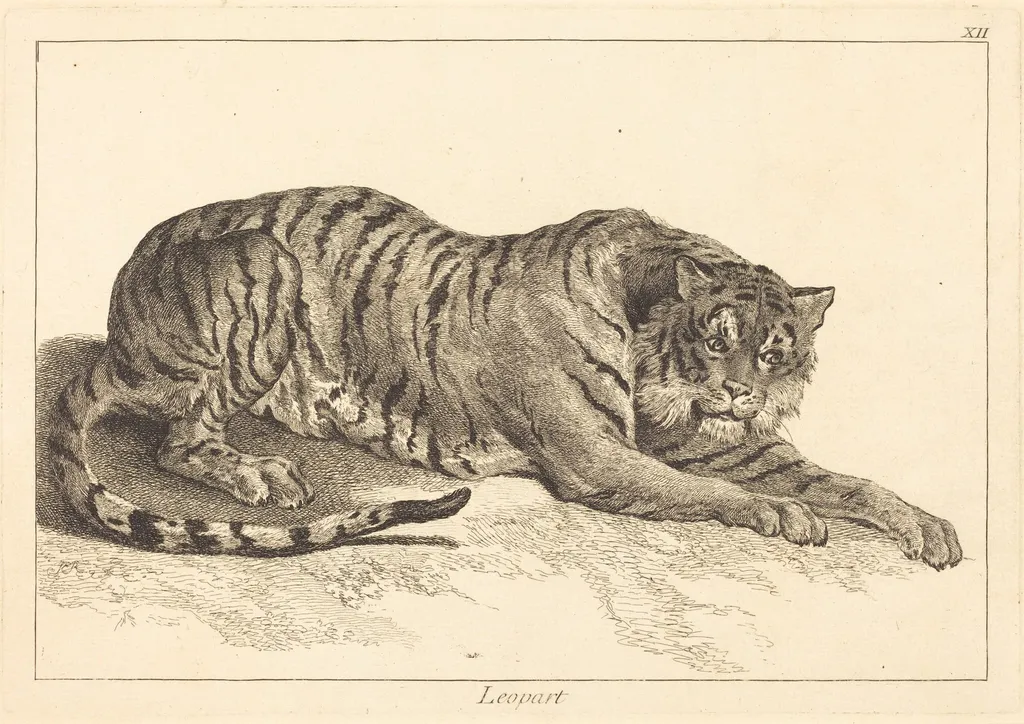
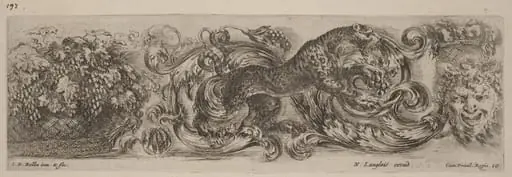
Leopart (Leopard or Tiger) is an ink print by the Baroque artist Jacques-Philippe Le Bas. It dates from 1745 and is held in the collection of the National Gallery of Art.
About this work
Overview
Leopart, created in 1745 by Jacques-Philippe Le Bas, is a printed work combining etching and engraving techniques.
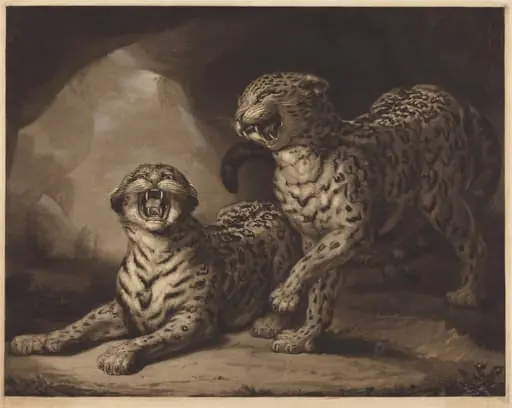
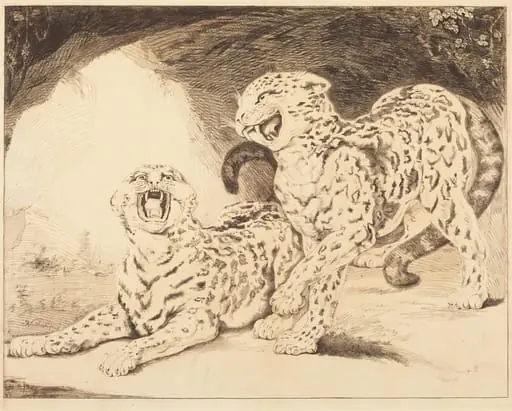
Leopart, created in 1745 by Jacques-Philippe Le Bas, is a printed work combining etching and engraving techniques. It depicts a large feline, either a leopard or tiger, reclining in a relaxed yet alert posture. The composition is minimal, with no elaborate setting, allowing focus on the animal’s form and surface texture. The piece reflects the 18th-century interest in natural observation through precise graphic reproduction.
Subject & Meaning
The subject is a solitary feline, rendered with quiet intensity. Its curled posture suggests rest, yet the open eyes convey readiness. No symbolic context is evident; the image functions as a study of animal anatomy and presence. The ambiguity of species—leopard or tiger—highlights the artist’s intent to capture the essence of wild felines rather than identify a specific one.
Technique & Style
Le Bas employed fine, controlled lines to render the animal’s fur, using tightly spaced wavy strokes to suggest spots and depth. Etching provided fluid contours, while engraving added sharper, denser textures for contrast. Shading is subtle but effective, modeling the body without heavy chiaroscuro. The plain background isolates the figure, emphasizing tactile realism over environmental narrative.
History & Provenance
Created in 1745, the print emerged during a period when French artists increasingly turned to natural subjects for academic study. Le Bas, known for reproductive engravings, applied his skill to original animal studies. While specific early ownership records are sparse, the work aligns with prints circulated among collectors and academies interested in natural history illustration.
Context
In mid-18th-century Europe, detailed animal depictions gained traction as scientific curiosity grew alongside artistic training. Artists were encouraged to observe nature directly, moving beyond mythological or allegorical themes. Le Bas’s work fits within this trend, reflecting a broader shift toward empirical representation in printmaking, particularly in France’s academic circles.
Legacy
Leopart remains a quiet example of 18th-century printmaking’s capacity for precision and observation. Though not widely reproduced in modern scholarship, it exemplifies how technical mastery in etching and engraving could convey biological realism without ornamentation. Its influence is seen in later naturalist prints that prioritized anatomical accuracy over dramatic effect.
Artist & collection


![Contending Group after Nature [A Lion Fighting a Tiger and a Leopard], by Edwin, Sir Landseer](https://artifactworldgallery.com/img/edwin-sir-landseer--contending-group-after-nature-a-lion-fighting-a-tiger-and-a--3801d18d30f50081-w320.webp)