Artwork
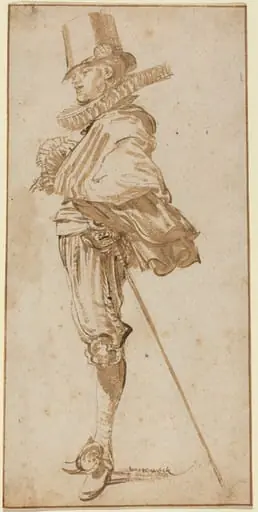
Man with a Sword
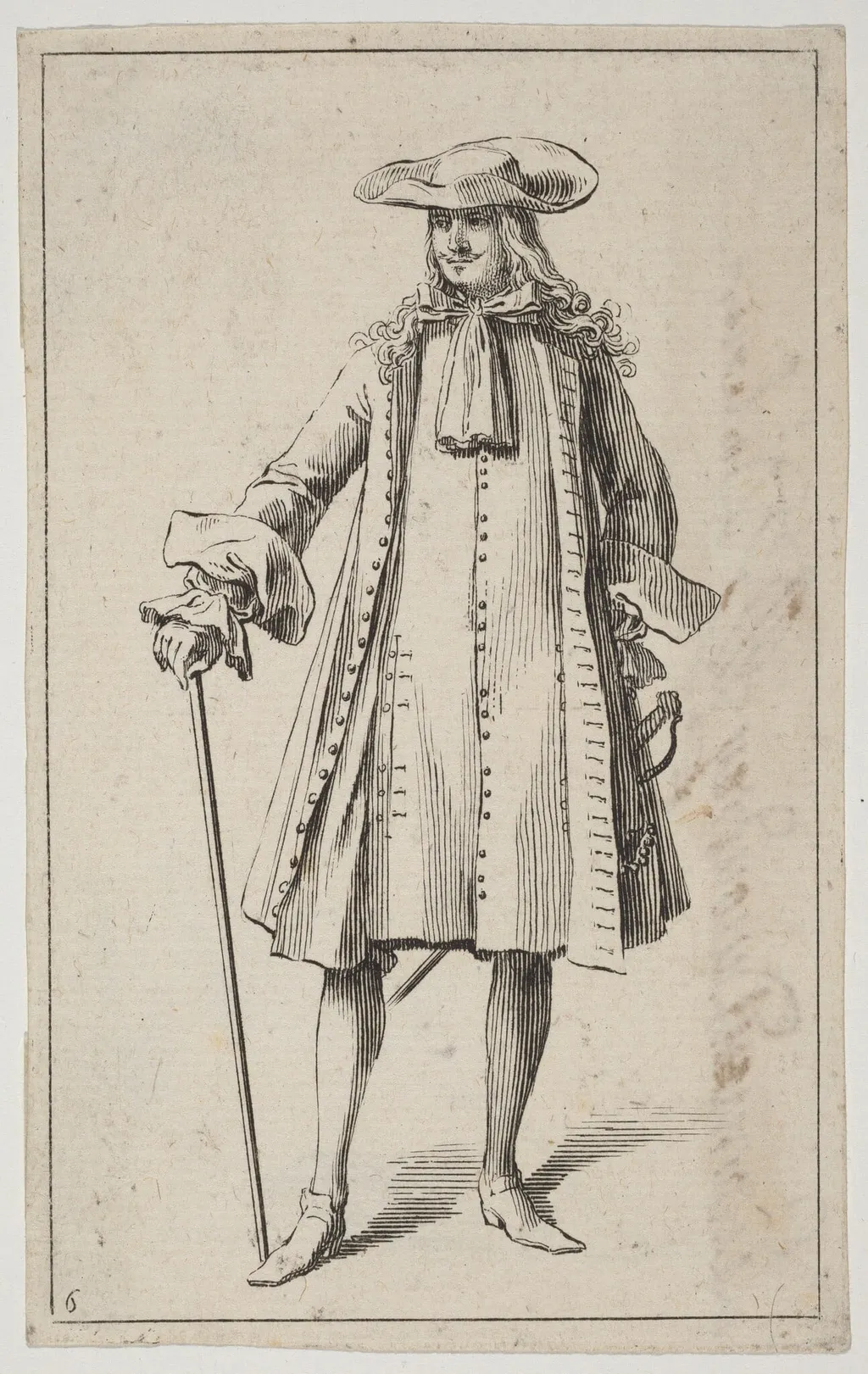
Man with a Sword is an ink print by the Baroque artist Sébastien Le Clerc I. It dates from 1685 and is held in the collection of the National Gallery of Art.
About this work
Overview
Created in 1685 by Sébastien Le Clerc I, this etching depicts a solitary male figure in period attire. Rendered in black ink on laid paper, the work exemplifies the precision and tonal control possible in printmaking. The image is not a portrait but a study of posture and costume, emphasizing the dignity of a civilian figure through restrained composition and fine linear detail.
Subject & Meaning
The figure wears a wide-brimmed hat, a long coat with prominent buttons, and a ruffled collar—typical of late 17th-century European dress.
The figure wears a wide-brimmed hat, a long coat with prominent buttons, and a ruffled collar—typical of late 17th-century European dress. His stance, with one hand on his hip and the other holding a cane, suggests composure and self-possession. The absence of overt symbolism or narrative context invites interpretation as a study of individual bearing rather than a representation of a specific person or event.
Technique & Style
Le Clerc employed etching, a method involving acid-resistant coating on a metal plate, which he then incised with a needle to create lines. The plate was inked and pressed onto damp paper, transferring the image with fine, controlled strokes. The textured surface of the laid paper enhances the tactile quality of the lines, while the sharp contrasts between ink and paper underscore the artist’s mastery of line and shadow.
History & Provenance
The print originates from the workshop of Sébastien Le Clerc I, a French artist known for technical precision in engraving and etching. Produced during his active years in Paris, it likely served as a standalone print or part of a series documenting contemporary dress and demeanor. Its survival in good condition reflects its early circulation among collectors of prints and scientific illustrations.
Context
In late 17th-century France, etchings like this were valued for their ability to document fashion, social types, and material culture. Le Clerc, associated with the Académie Royale, often produced images for scientific and educational publications. This work aligns with a broader trend of using print to capture everyday figures with clarity and dignity, distinct from grand historical or religious themes.
Legacy
Le Clerc’s etchings contributed to the development of printmaking as a medium for observational art. While not widely exhibited today, this work remains a reference for scholars studying the representation of civilian identity in early modern Europe. Its technical discipline and quiet composition influenced later generations of printmakers focused on portraiture and social documentation.
Artist & collection


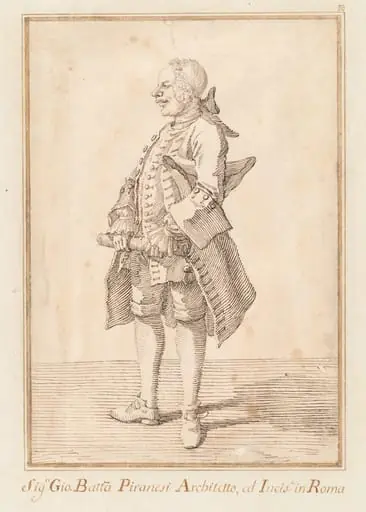 Giovanni Battista Piranesi
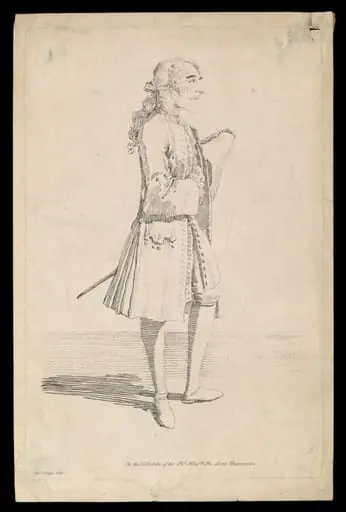 H Beard Print Collection
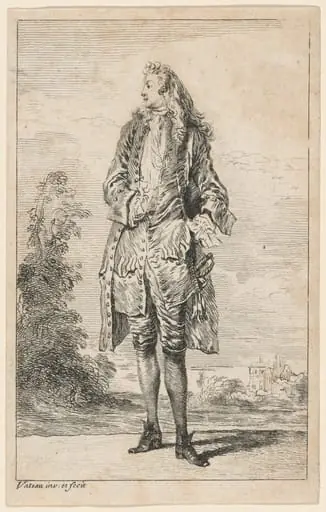 Gentleman with Hand in Vest
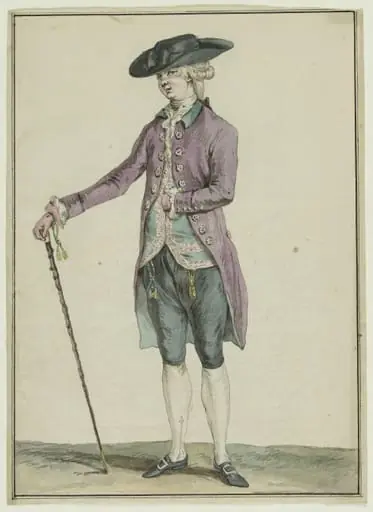 Petit maître en chenille, Habit du matin
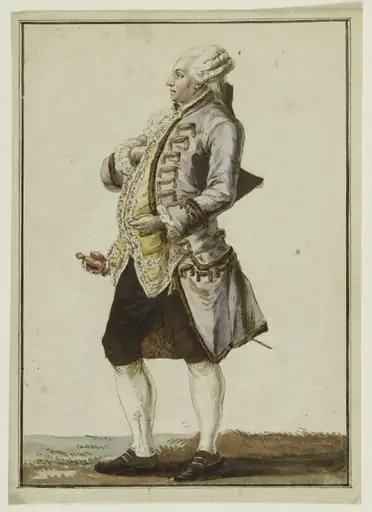 Homme vêtu d'un habit en surtout à brandebourgs de camelot de soie
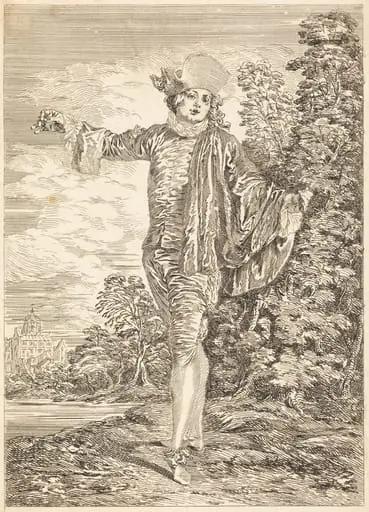 Indifferent (L'Indifférent)
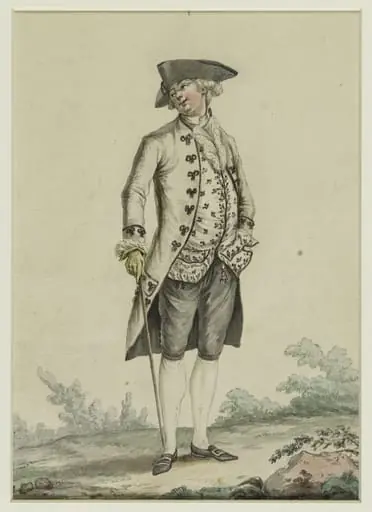 Habit de petit-deuil gris
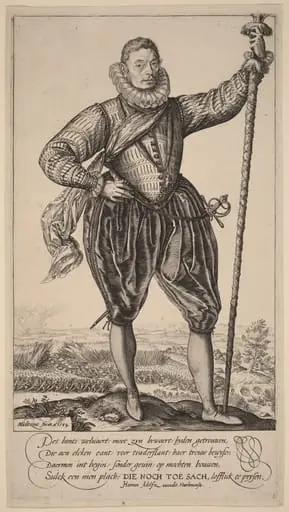 Gerrit de Jong
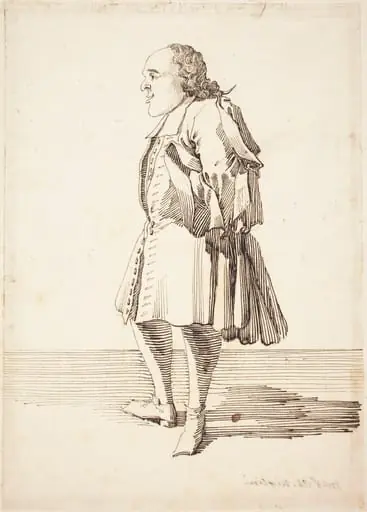 Abbot Antonio Niccolini
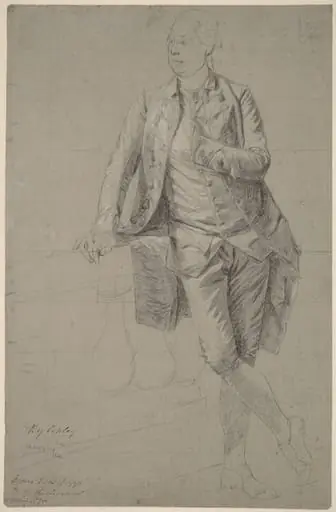 A Gentleman
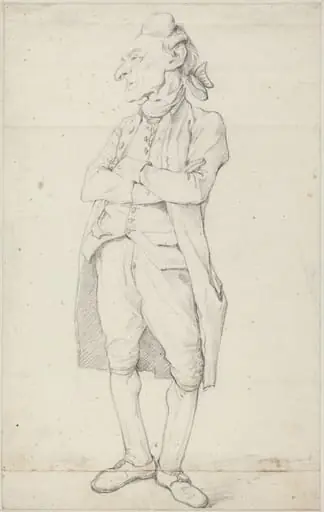 A Gentleman Standing with His Arms Crossed
 Standing Cavalier Wearing a Sword