Artwork
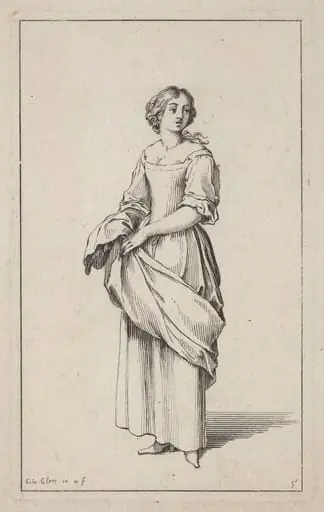
Standing Servant Woman
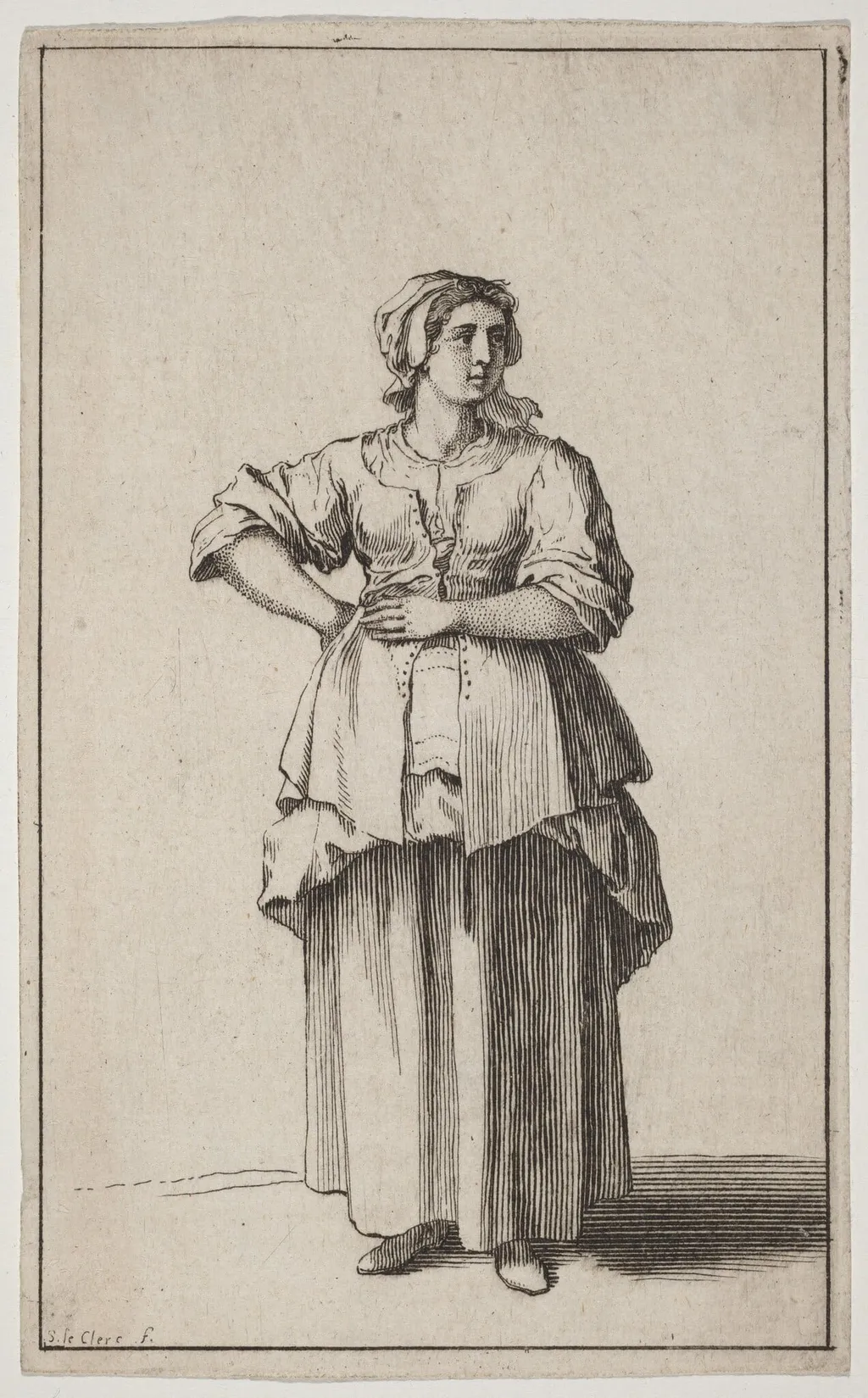
Standing Servant Woman is an ink print by the Baroque artist Sébastien Le Clerc I. It dates from 1685 and is held in the collection of the National Gallery of Art.
About this work
Overview
Created in 1685 by Sébastien Le Clerc I, this etching depicts a solitary female figure in a domestic role. Rendered on laid paper, the work belongs to a tradition of printmaking that emphasized observational detail over narrative drama. The composition is minimal, focusing entirely on the figure’s posture and attire, with no contextual elements to distract from her presence.
Subject & Meaning
The woman stands with hands on hips, a posture that conveys quiet authority rather than subservience. Her long dress and headscarf identify her as a servant, likely within a household setting. The absence of other figures or objects shifts attention to her dignity and labor, suggesting an interest in the quiet dignity of everyday roles rather than idealized or mythological subjects.
Technique & Style
Le Clerc employed fine, varied lines to model form and suggest texture in fabric and hair. The etching’s tonal range is achieved through controlled hatching and crosshatching, creating subtle shadows that give volume to the figure. The plain background enhances the focus on the subject’s silhouette and the tactile quality of her clothing, characteristic of late 17th-century draftsmanship.
History & Provenance
The print was produced during Le Clerc’s tenure as a royal engraver in France, where he documented courtly and domestic life with precision. While the specific provenance of this impression is unrecorded, similar works were circulated among collectors and artisans as studies of character and costume, reflecting the period’s interest in social observation through print.
Context
In the Baroque era, printmakers increasingly turned to scenes of ordinary life, moving beyond religious or aristocratic themes. Le Clerc’s work aligns with this trend, capturing the quiet presence of service workers with the same technical care reserved for nobility. Such images contributed to a broader cultural documentation of social hierarchy through visual detail.
Legacy
This etching exemplifies how 17th-century artists used printmaking to elevate everyday subjects. Le Clerc’s approach influenced later generations of draftsmen who sought to portray laborers with psychological nuance. Though not widely exhibited today, the work remains a quiet testament to the artistic value assigned to domestic roles in early modern Europe.
Artist & collection


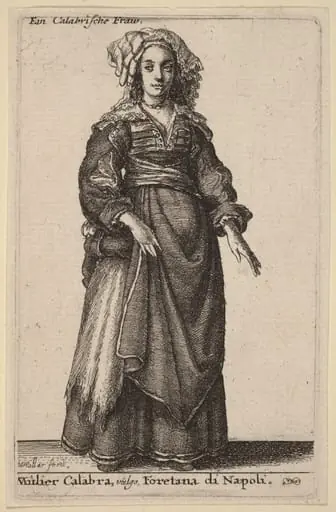 Mulier Calabra, Vulgo, Foretana di Napoli
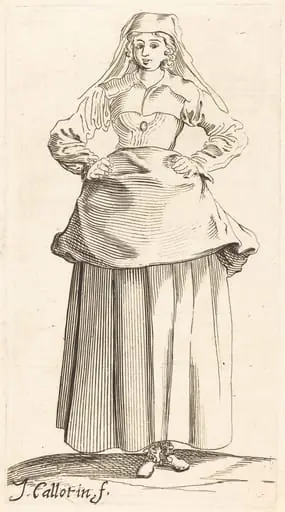 Young Woman with Hands on Hips, Front View
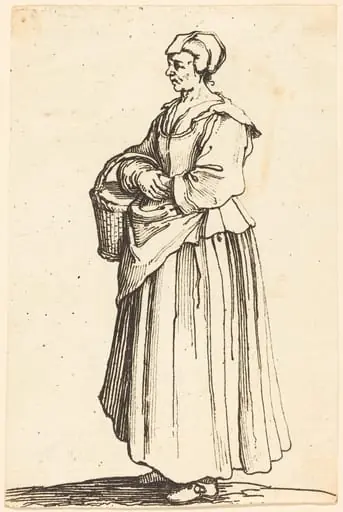 Peasant Woman with Basket, in Profile, Facing Left
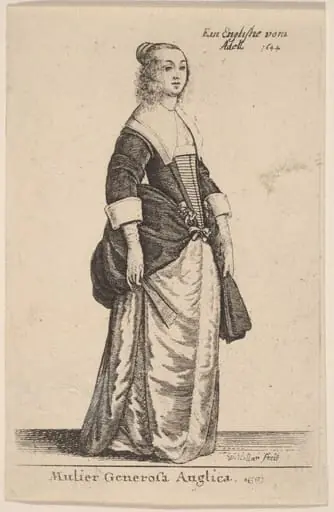 Mulier Generosa Anglica
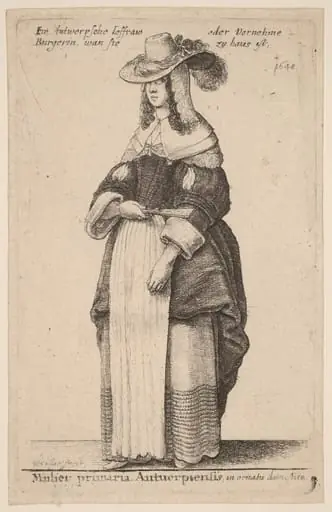 Mulier Primaria Antuerpiensis, in Ornatu Domestico
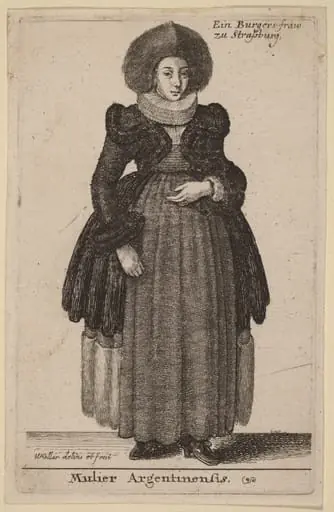 Mulier Argentinensis
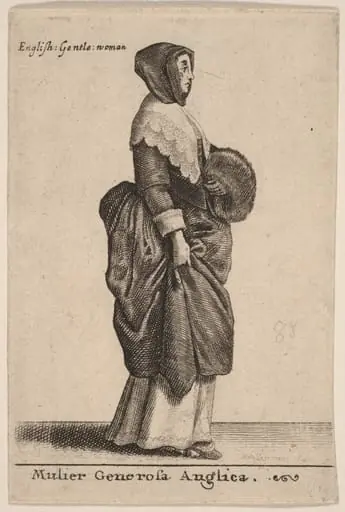 Mulier Generosa Anglica
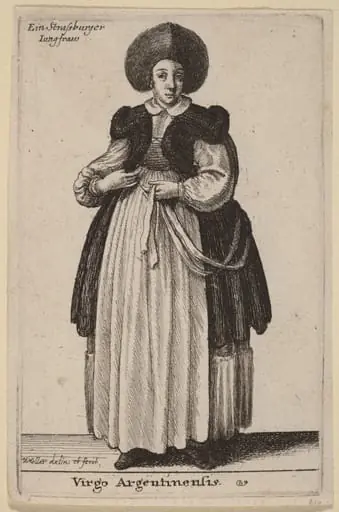 Virgo Argentinensis
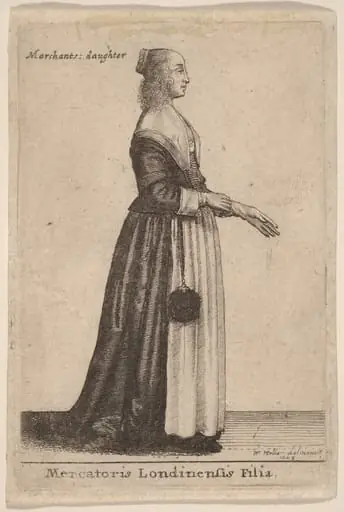 Mercatoris Londinensis Filia
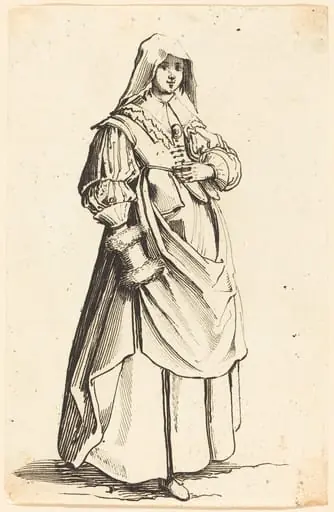 Bourgeoise with Muff, Facing Right