Artwork
Abbot Antonio Niccolini
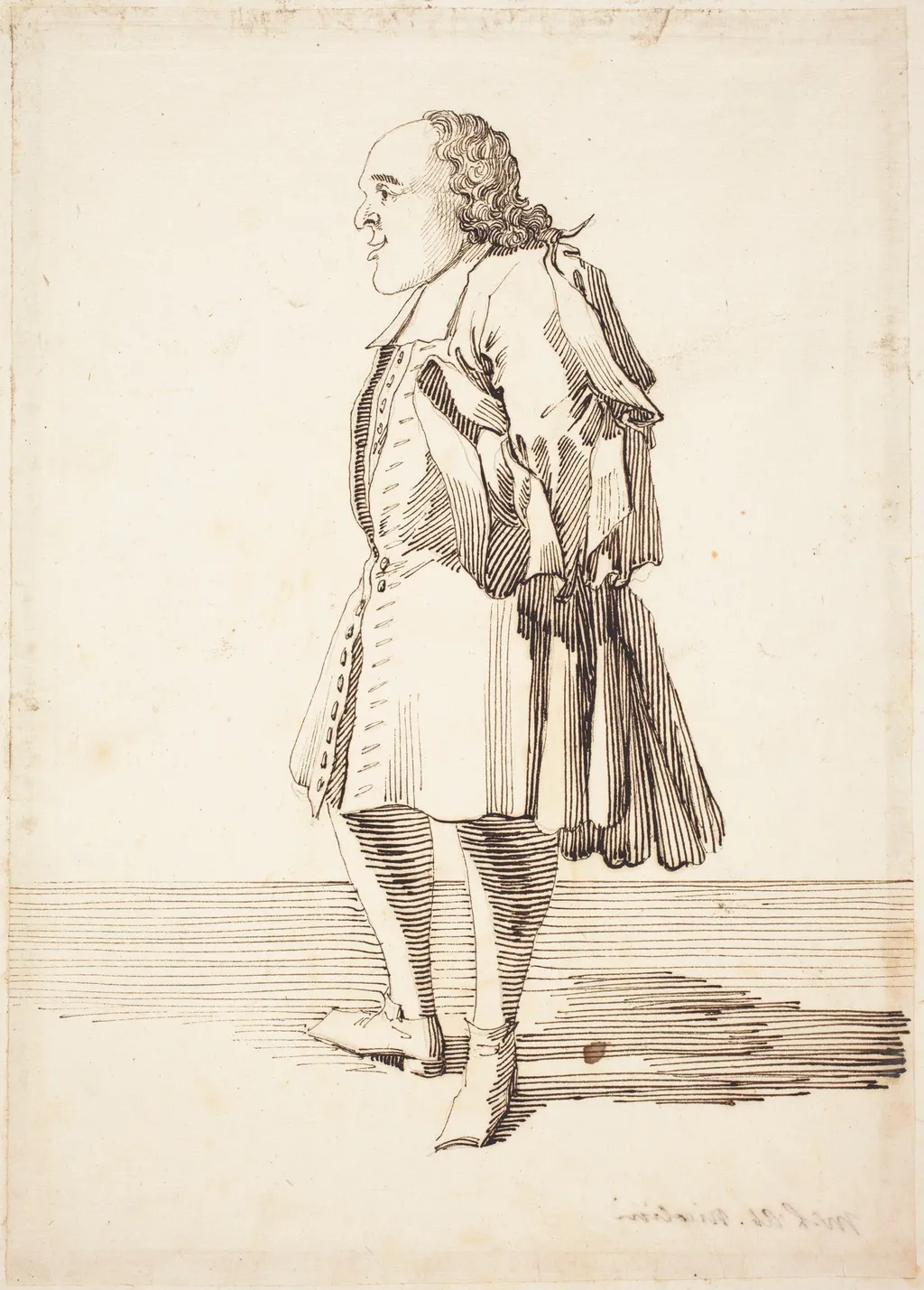
Abbot Antonio Niccolini is a graphite drawing by the Baroque artist Pier Leone Ghezzi. It dates from 1725 and is held in the collection of the National Gallery of Art.
About this work
Overview
Ghezzi, a Roman artist known for his rapid, incisive draftsmanship, captured the abbot with precision and psychological nuance.
This portrait drawing, created around 1725 by Pier Leone Ghezzi, depicts Abbot Antonio Niccolini in profile, rendered in pen and iron gall ink over graphite on laid paper. Ghezzi, a Roman artist known for his rapid, incisive draftsmanship, captured the abbot with precision and psychological nuance. The work exemplifies his approach to portraiture: restrained in composition yet rich in observational detail, avoiding theatricality while conveying presence through line alone.
Subject & Meaning
Abbot Antonio Niccolini is portrayed in formal ecclesiastical attire, his wig and long, buttoned coat suggesting his clerical status and social standing. His hands are clasped behind his back, a pose that conveys composure and restraint. The emphasis on facial structure—particularly the pronounced nose and chin—suggests a focus on individual identity rather than idealization. Ghezzi’s rendering avoids overt symbolism, instead presenting the subject as a recognizable figure of authority through subtle physical traits.
Technique & Style
Ghezzi employed fine, varied pen strokes to define form, using iron gall ink for its sharp contrast and durability. Graphite underdrawing guided the composition, allowing for adjustments before inking. The fabric of the coat is rendered with dense, directional lines that suggest texture and fold, while the face is modeled with lighter, more fluid strokes. The plain background isolates the figure, directing attention to the interplay of line and volume. This economy of means reflects a deliberate move away from ornamental excess.
History & Provenance
The drawing was likely made during Ghezzi’s active years in Rome, where he produced numerous portraits of clergy, intellectuals, and aristocrats. While its early ownership is undocumented, it entered institutional collections in the 19th or early 20th century, consistent with the period when Ghezzi’s drawings began to be systematically collected. Its survival in good condition reflects its status as a carefully preserved study rather than a public commission.
Context
Ghezzi worked in a cultural milieu where portraiture served both documentary and social functions. Though often associated with Rococo sensibility, his drawings diverged from the period’s ornamental tendencies, favoring psychological immediacy. His approach aligned with emerging trends in observational drawing, anticipating 18th-century emphasis on individuality. Unlike Baroque dramaticism, his work avoids chiaroscuro and emotional intensity, instead relying on linear clarity and anatomical precision.
Legacy
Ghezzi is regarded as one of the earliest professional caricaturists in Europe, though his portraits like this one rarely descend into satire. His ability to distill character through minimal means influenced later draftsmen, particularly those interested in psychological portraiture. This drawing stands as an example of how skilled linework could convey both identity and dignity without embellishment, contributing to the evolution of modern portrait drawing.
Artist & collection
Artist
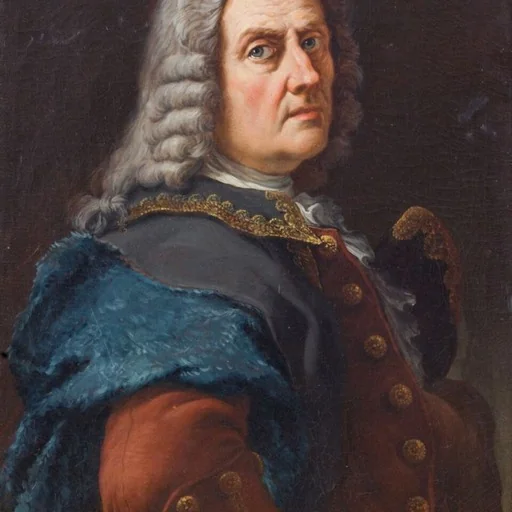
Pier Leone Ghezzi (28 June 1674 – 6 March 1755) was an Italian Rococo painter, draughtsman, printmaker and caricaturist who was mainly active in Rome.

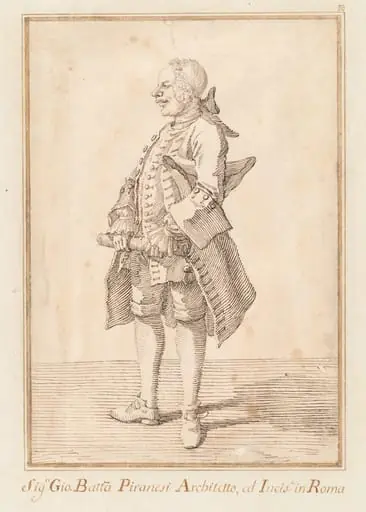 Giovanni Battista Piranesi
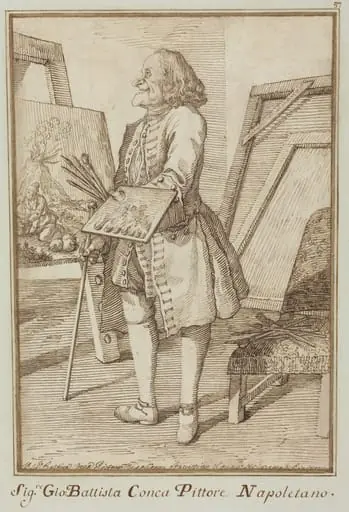 Signore Sebastiano Conca, Pittore Napoletano (Signore Sebastiano Conca, Neapolitan Painter)
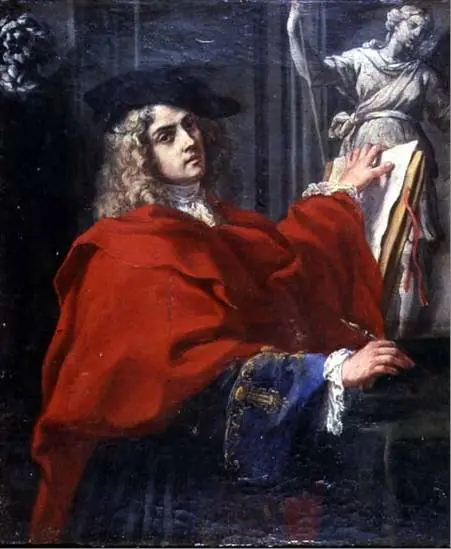 Self-portrait
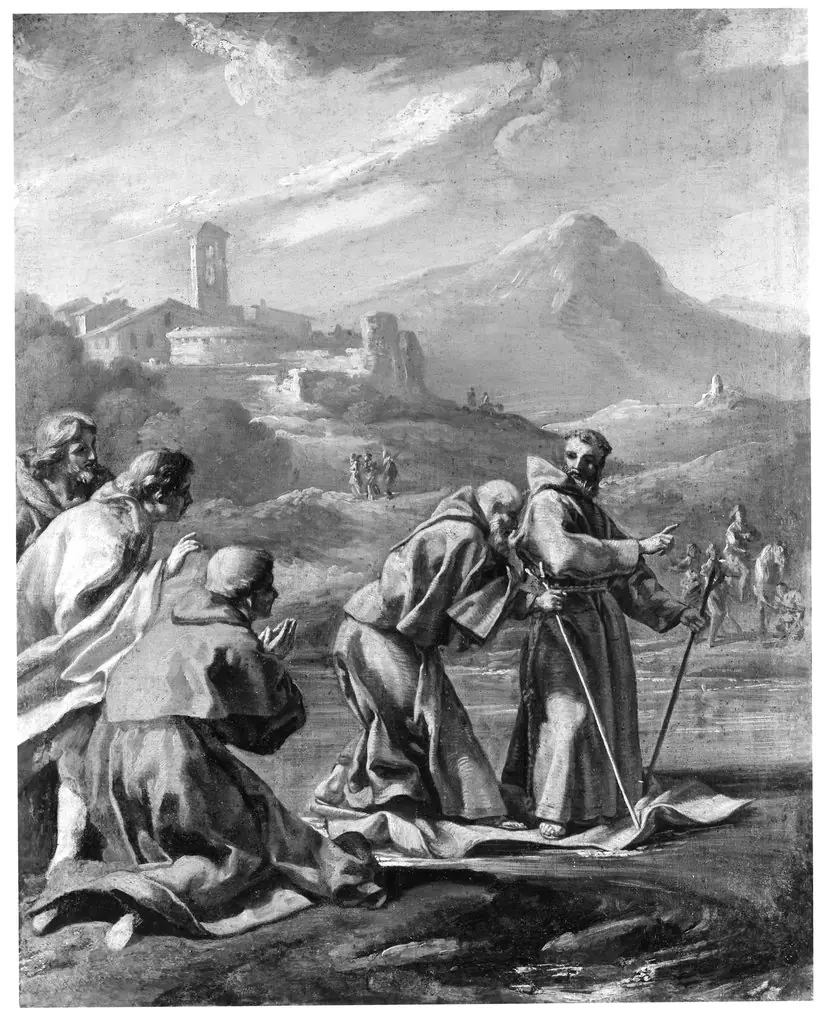 A Miracle of St. Peter of Alcántara
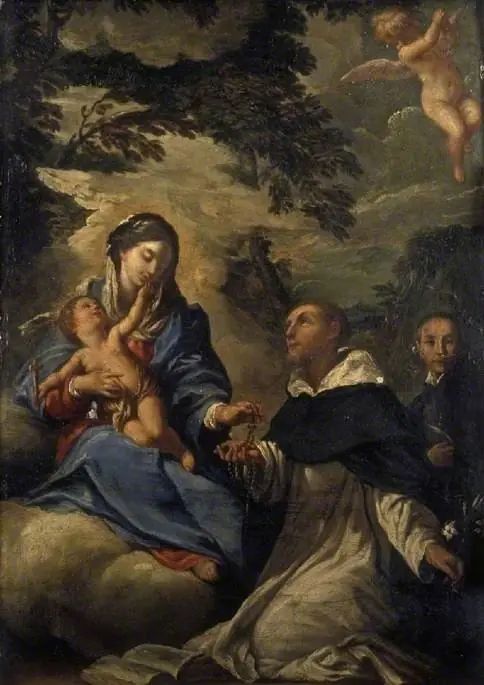 Saint Dominic Receiving the Rosary from the Virgin Mary
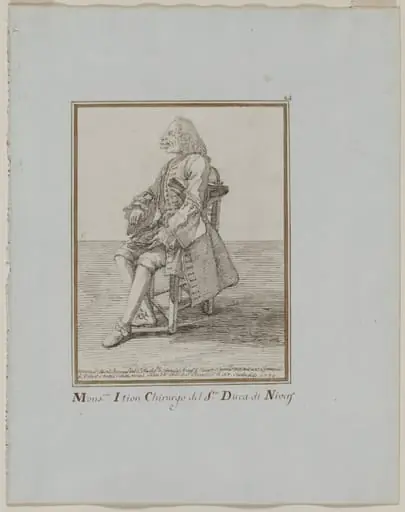 Monsieur Ition Chirurgo del sre. Duca di Nivers
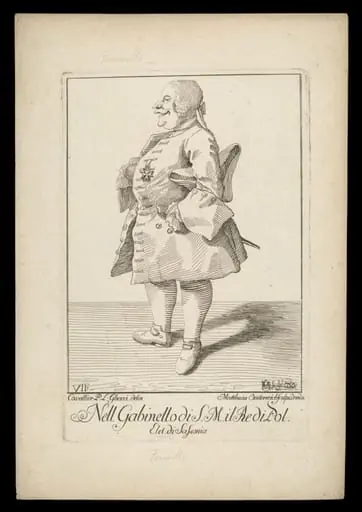 H Beard Print Collection
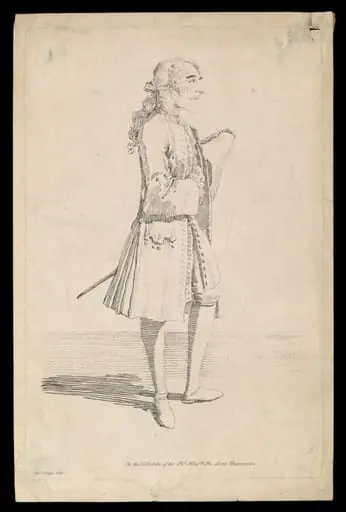 H Beard Print Collection
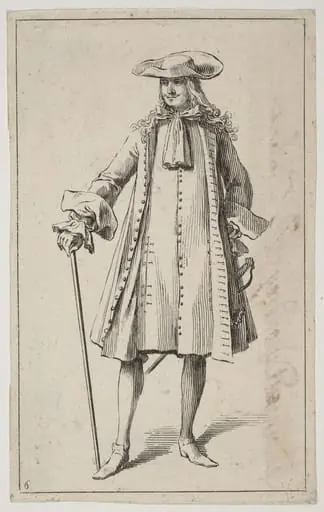 Man with a Sword
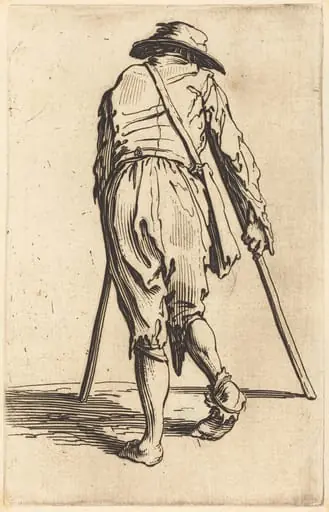 Beggar with Crutches and Hat, Back View
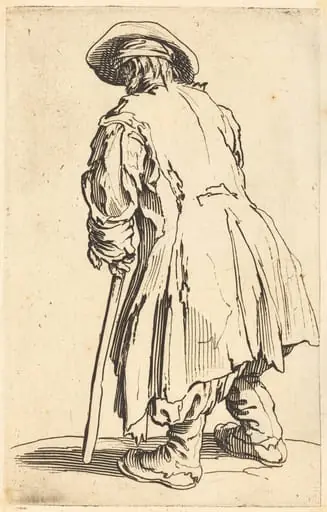 Old Beggar with One Crutch
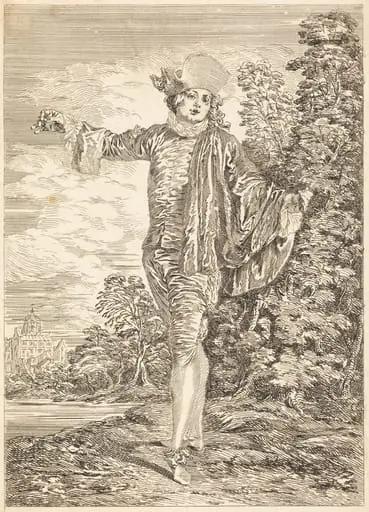 Indifferent (L'Indifférent)
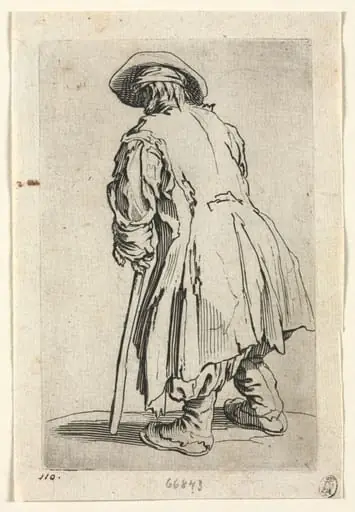 The Beggars: Old Beggar on One Single Crutch
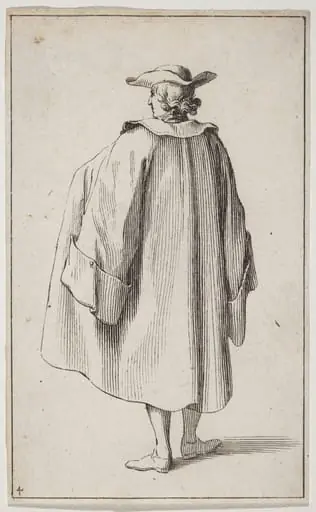 Standing Man Viewed from Behind
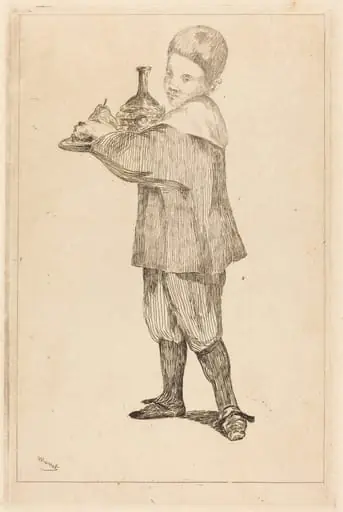 Child Holding a Tray (L'Enfant Portant un Plateau)
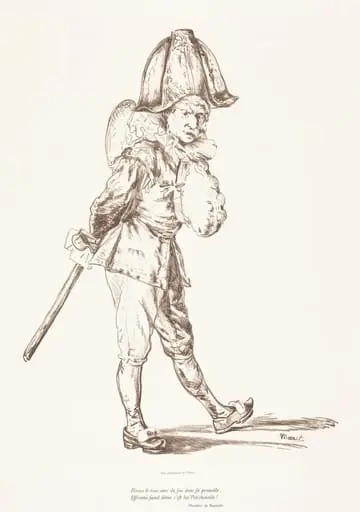 Polichinelle
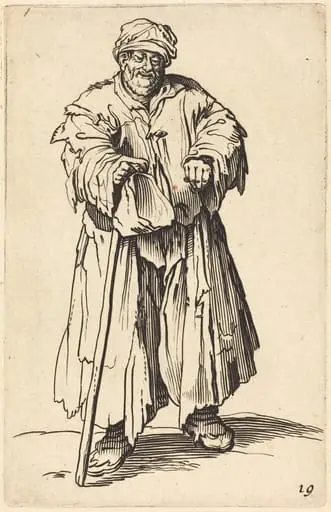 Fat Beggar with Eyes Cast Down
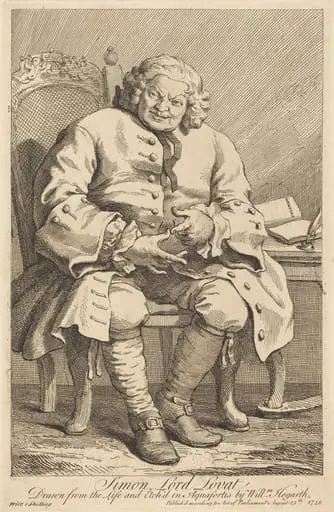 Simon Lord Lovat
 Sig. Nicola Zabbaglia