Artwork
Bridge with Mountains in the Distance (Ventimiglia)
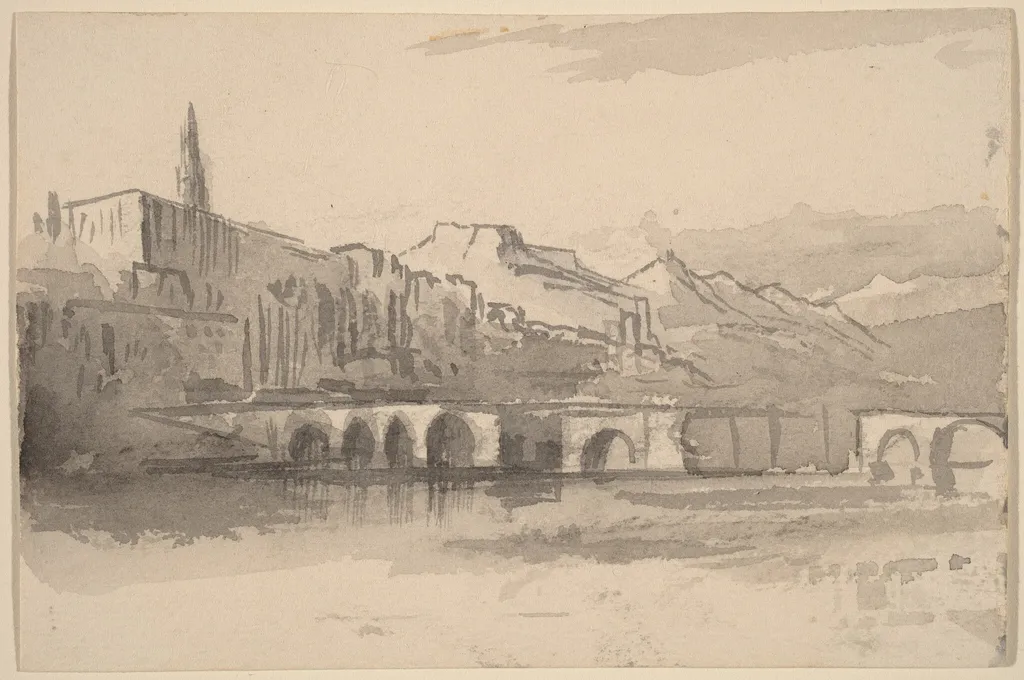
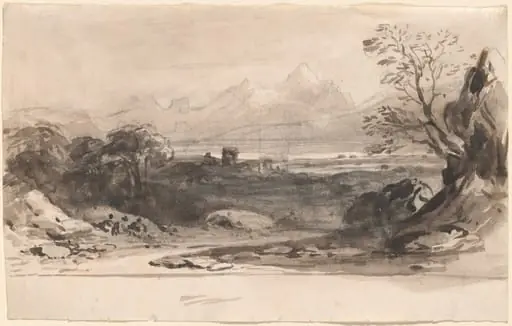
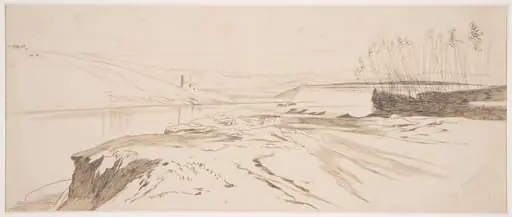
Bridge with Mountains in the Distance (Ventimiglia) is a graphite drawing by the Impressionist artist Edward Lear. It dates from 1884 and is held in the collection of the National Gallery of Art.
About this work
Overview
The composition presents a modest stone bridge spanning a tranquil river, its three rounded arches reflected in the still water.
Created in 1884, this drawing by Edward Lear combines graphite underdrawing with a delicate gray wash on card. The composition presents a modest stone bridge spanning a tranquil river, its three rounded arches reflected in the still water. Beyond the bridge, a gentle hillside ascends toward faint, atmospheric mountains, while the remnants of ancient walls and a solitary church spire punctuate the landscape.
Subject & Meaning
The work records a specific locale along the Ligurian coast near Ventimiglia, capturing a moment of quiet passage over the river. By juxtaposing the functional bridge with the ruins and distant peaks, Lear hints at the layers of history and the enduring relationship between human construction and the surrounding natural environment.
Technique & Style
Lear employed a light gray wash over initial graphite sketches, allowing the underlying lines to remain visible. The wash is applied in soft, translucent layers that suggest form without solidifying detail, while the graphite provides structural definition, especially in the arches and architectural fragments. This approach yields a sketch‑like immediacy characteristic of his travel studies.
History & Provenance
Although primarily celebrated for his bird illustrations and literary nonsense, Lear produced numerous landscape studies during his European journeys. This piece exemplifies his practice of converting on‑site sketches into finished works for personal archives or later publication. The drawing has remained within private collections before entering its current institutional holding.
Context
The drawing belongs to a period when British artists traveled extensively along the Mediterranean, documenting scenery for both scientific and aesthetic purposes. Lear’s interest in topography and architecture aligns with contemporary trends in travel illustration, where artists served as visual reporters of foreign locales for a growing readership.
Artist & collection
Artist
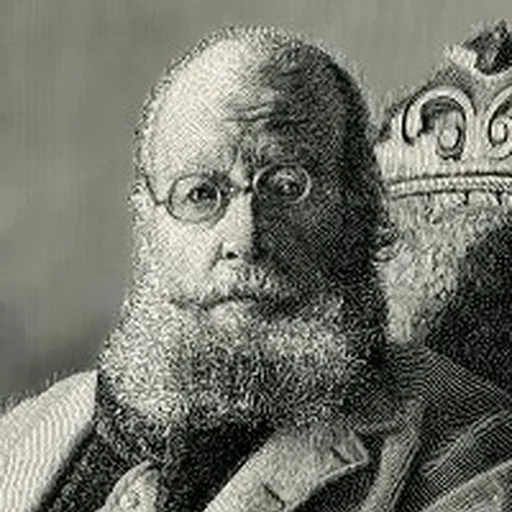
Edward Lear (12 May 1812 – 29 January 1888) was an English artist, illustrator, musician, author and poet, who is known mostly for his literary nonsense in poetry and prose and especially his limericks, a form he popularised but which term…

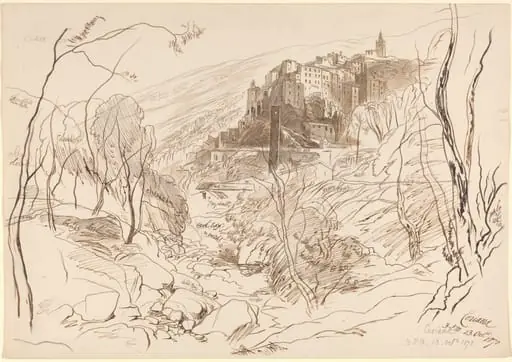
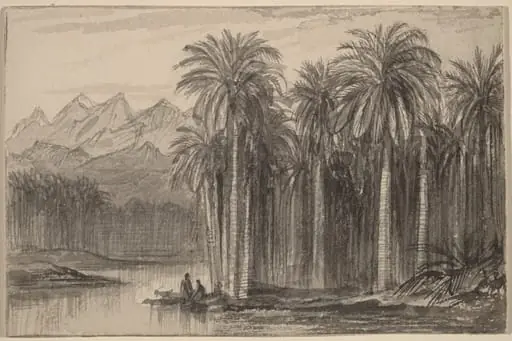
 Landscape with Ruins
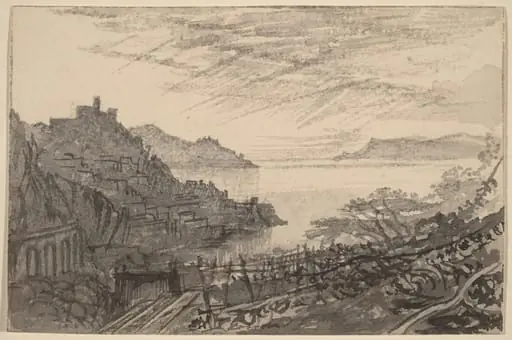 View of a Bay from a Hillside (Amalfi)
 Untitled
![Ruins of a Fortified Tower among Wooded Hills [recto], by Friedrich Salathé](https://artifactworldgallery.com/img/friedrich-salathe--ruins-of-a-fortified-tower-among-wooded-hills-recto--b1cfbca521a1183a-w320.webp) Ruins of a Fortified Tower among Wooded Hills [recto]
Ruins of a Fortified Tower among Wooded Hills [recto] Houses by a Road
 Bridge of San Juan D'Los Reyos, Toledo
 Landscape
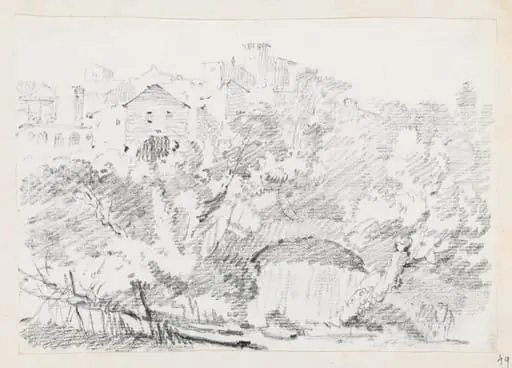 A Waterfall near a Hilltown in Italy
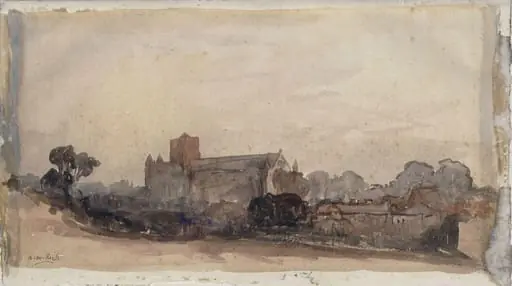 St. Alban's Abbey
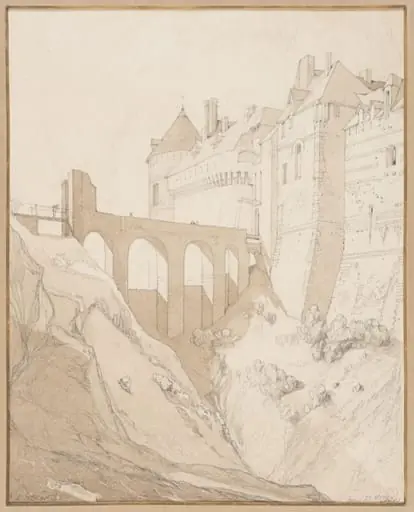 Principal Entrance to the Castle of Dieppe
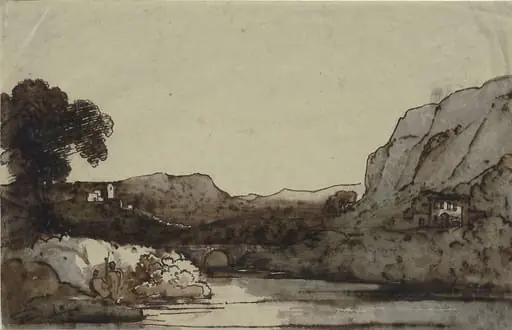 Landscape with Bridge and Mountains