Artwork
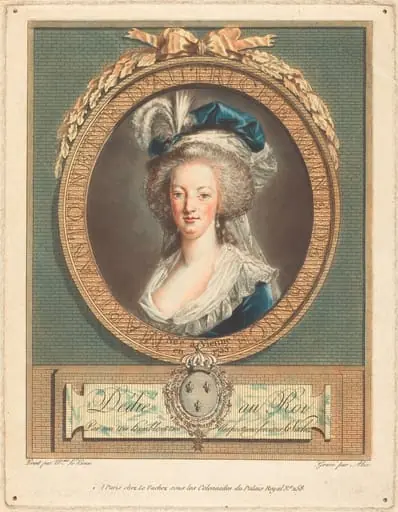
Marie Antoinette d'Autriche (Marie Antoinette of Austria)
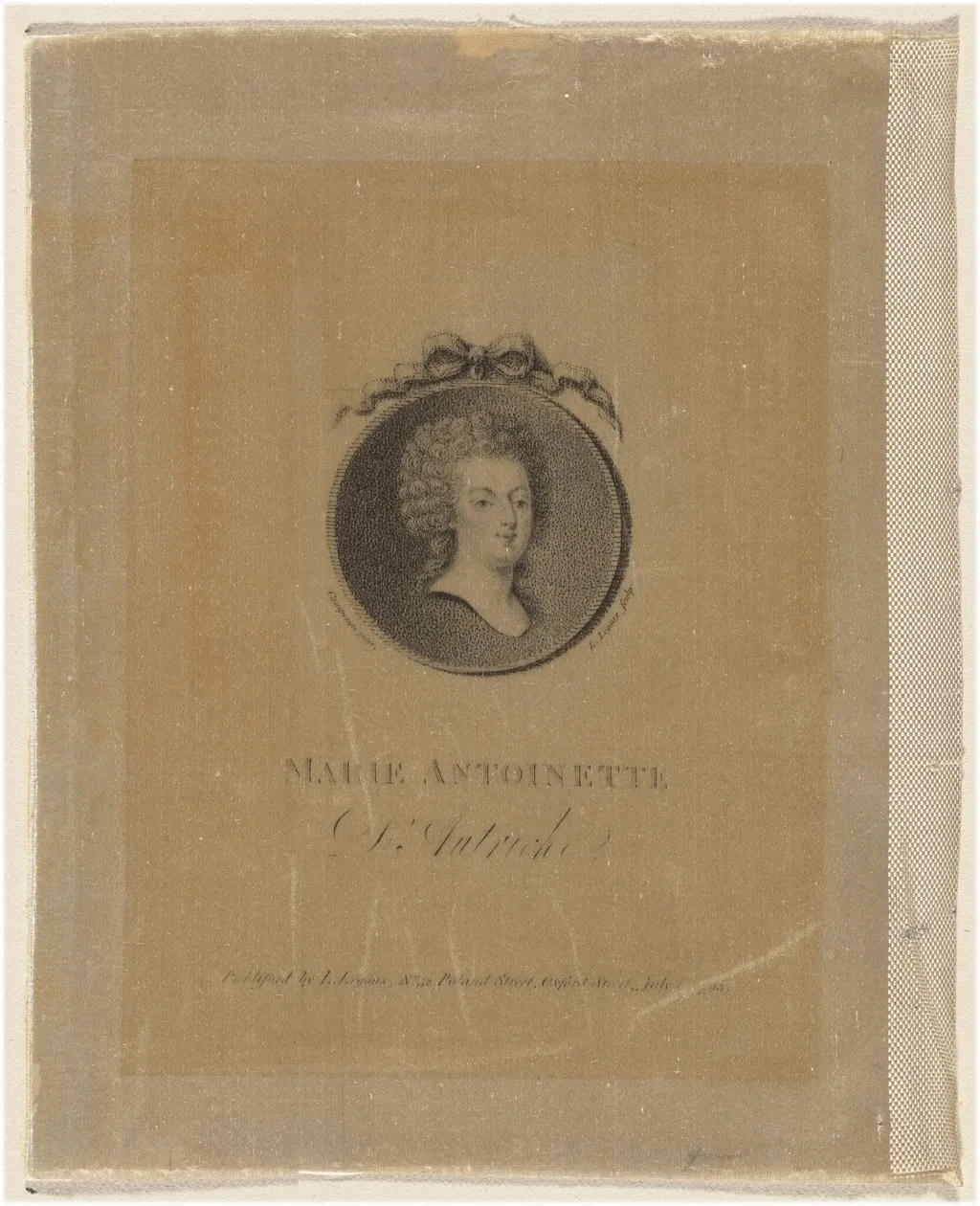
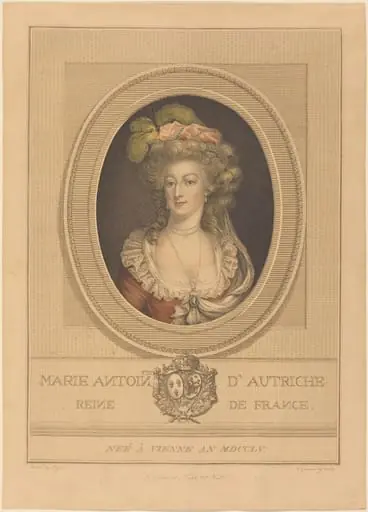
Marie Antoinette d'Autriche (Marie Antoinette of Austria) is an ink print by the Romanticist artist Louis Legoux. It dates from 1793 and is held in the collection of the National Gallery of Art.
About this work
The background is plain, and the whole image looks like it’s etched into soft fabric.
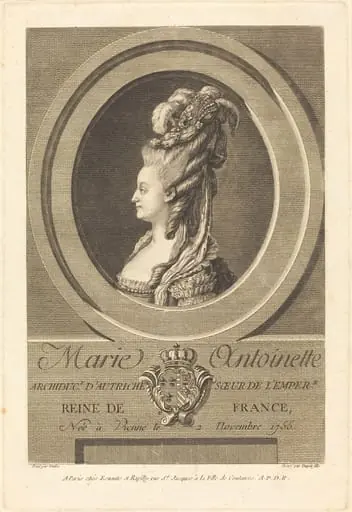
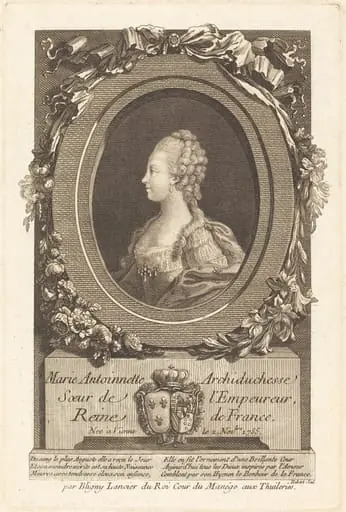
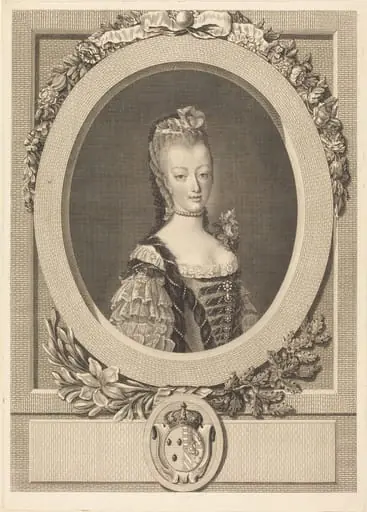
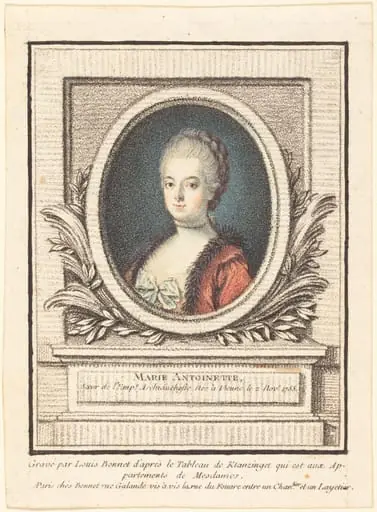
This is a small, oval portrait of a woman with light hair tied up. She’s wearing a simple dress and a delicate bow in her hair. The background is plain, and the whole image looks like it’s etched into soft fabric.
The name under the portrait reads *Marie Antoinette d'Autriche*, and it’s dated 1793. That’s a big year—this was made right after her life changed dramatically.
If you want to see more work like this, check out engraving.
Overview
Marie Antoinette d'Autriche is a stipple engraving on silk satin by Louis Legoux, dated 1793. The work is a small, oval portrait characterized by its soft, etched appearance on a plain background.
Subject & Meaning
The portrait depicts Marie Antoinette with light, tied-up hair and a simple dress, adorned with a delicate hair bow. The understated attire contrasts with the tumultuous period in which it was created, following significant personal upheaval for the subject in the preceding year.
Technique & Style
Executed in stipple engraving, the piece features fine dots to achieve shading and texture, heightened by the unusual silk satin substrate, which contributes to the image's soft, nuanced quality.
History & Provenance
Created in 1793 by Louis Legoux, the engraving's production coincides with a pivotal, post-revolutionary moment in Marie Antoinette's life, though specific provenance details beyond its creation are not provided.
Context
The work reflects the broader practice of portrait engraving during the late 18th century, with the choice of Marie Antoinette as subject underscoring her enduring, if controversial, public presence.
Legacy
While the engraving's direct influence is not detailed, it contributes to the extensive visual legacy of Marie Antoinette, illustrating the queen's depiction in a period of great personal and political change.
Artist & collection