Artwork
Landscape (Paysage)
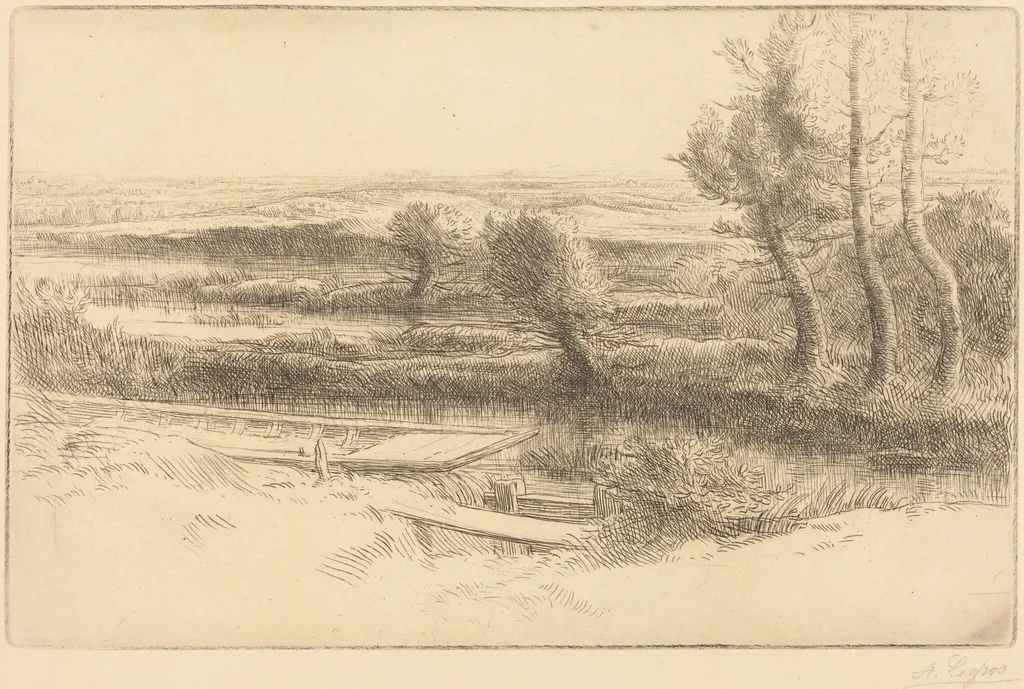
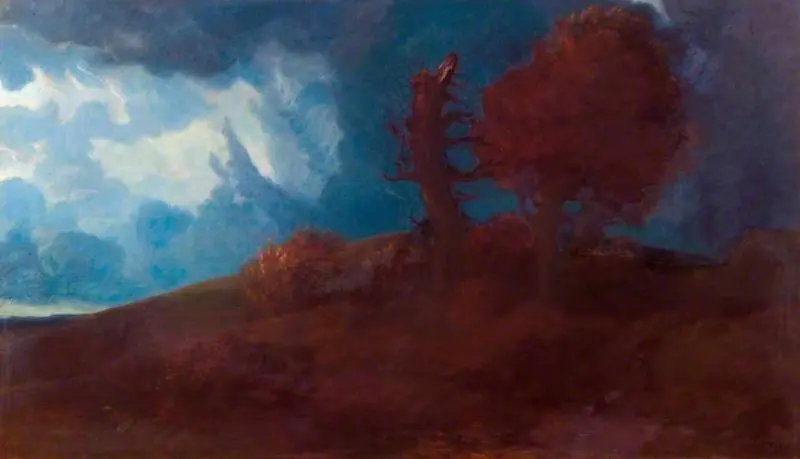
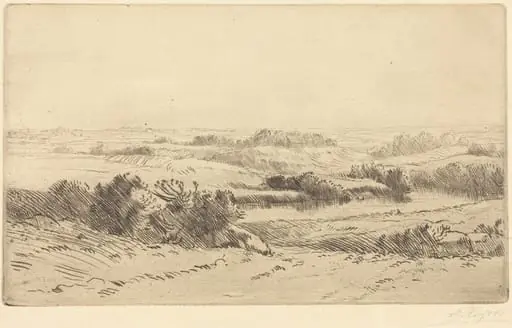
Landscape (Paysage) is an ink print by the Romanticist artist Alphonse Legros. It dates from 1874 and is held in the collection of the National Gallery of Art.
About this work
Overview
This piece exemplifies his commitment to the medium’s potential for atmospheric depth and tactile immediacy.
Created in 1874, *Landscape (Paysage)* is an etching by Alphonse Legros, a French artist who moved to London in 1863 and became influential in British printmaking. The work belongs to a period when Legros was actively engaged in reviving the art of etching in England, emphasizing direct, expressive mark-making over polished finish. This piece exemplifies his commitment to the medium’s potential for atmospheric depth and tactile immediacy.
Subject & Meaning
The scene portrays a dense, untamed woodland, devoid of human presence or clear focal point. Thick, overlapping tree trunks and tangled undergrowth dominate the composition, suggesting a wild, unmanaged natural environment. The absence of light and detail evokes a sense of solitude and mystery, reflecting a Romantic sensibility toward nature as something overwhelming and inscrutable rather than picturesque.
Technique & Style
Legros employed aggressive, irregular etching lines to build texture and shadow, allowing ink to pool in deep grooves and create a coarse, granular surface. The scratchy, hurried quality of the marks conveys spontaneity, as if the artist responded directly to the landscape’s chaos. This method prioritized expressive energy over precision, aligning with 19th-century efforts to reclaim etching as a personal, hand-driven art rather than a reproductive tool.
History & Provenance
Executed during Legros’s early years in Britain, the print emerged from a period when he was teaching at the Slade School and advocating for etching as a serious artistic medium. Though little is documented about its early ownership, the work reflects his broader influence in shifting British print culture toward original, non-commercial etchings. It was likely produced in a small, private edition, consistent with his approach to printmaking.
Context
In the 1870s, European artists were re-engaging with etching as a vehicle for individual expression, moving away from industrial reproduction. Legros, influenced by French Realism and the Barbizon painters, brought this ethos to Britain. His landscapes rejected idealized views, instead embracing raw, uncomposed nature—a stance that resonated with contemporaries like Whistler and helped redefine printmaking’s artistic legitimacy.
Legacy
Legros’s etchings, including this one, contributed to a broader revival of original printmaking in Britain. His emphasis on direct, tactile mark-making influenced later generations of printmakers who valued process over polish. Though less widely known today, his work laid groundwork for the 20th-century appreciation of etching as a medium capable of conveying emotional and atmospheric depth through minimal means.
Artist & collection

Artist
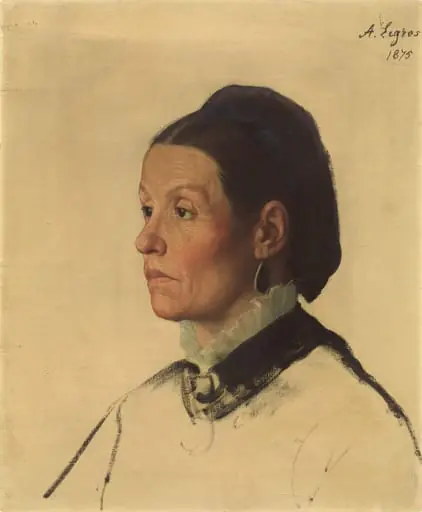
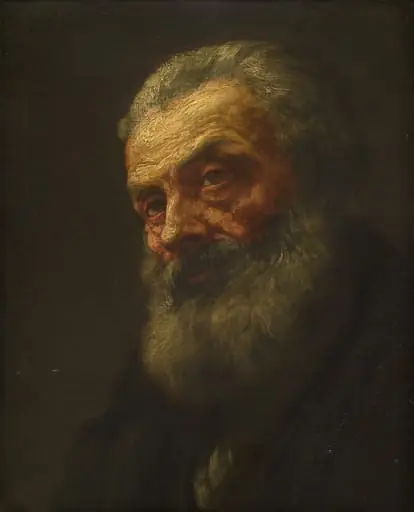
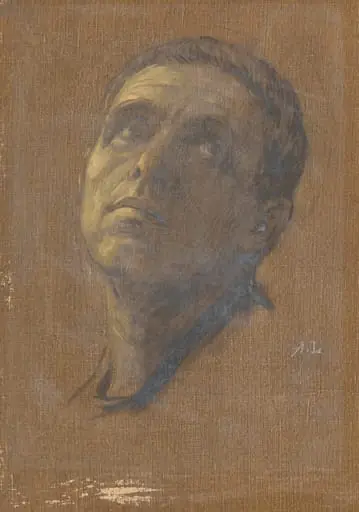
Alphonse Legros (French pronunciation: ; 8 May 1837 – 8 December 1911) was a French, later British, painter, etcher, sculptor, and medallist.

 Banks of the Yanne (Les bords de la Yanne)
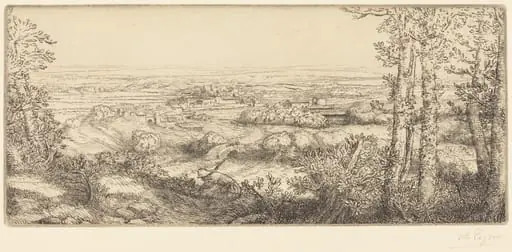 Valley in Bourgogne (Une vallee en Bourgogne)
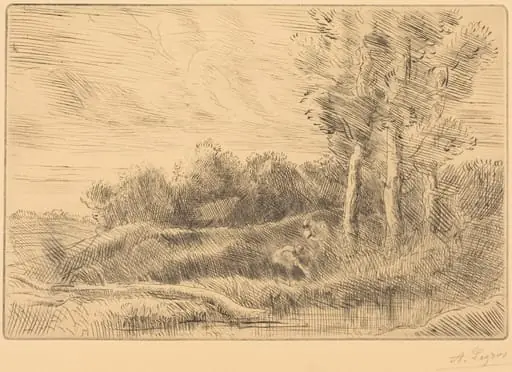 The House of the Well (La maison du puits)
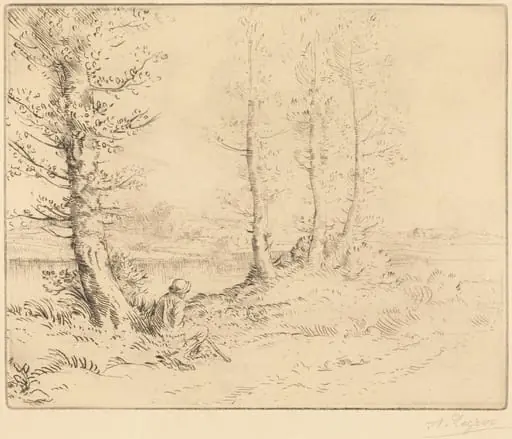 Along the River (Le long de la rive)
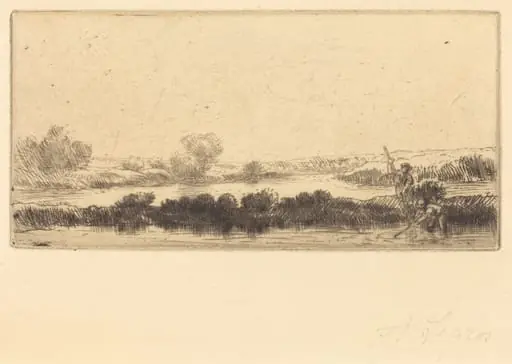 Landscape with Peat-bog; In the Marsh (Paysage des tourbieres; Dans les marais)
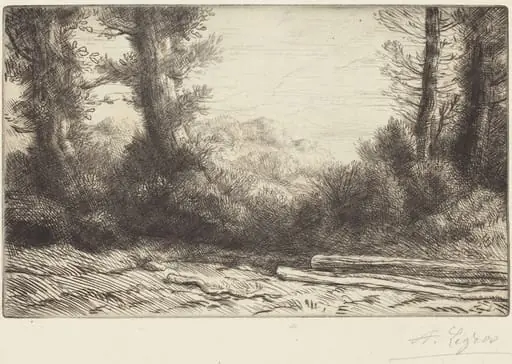 Edge of a Wood (Lisiere de bois)
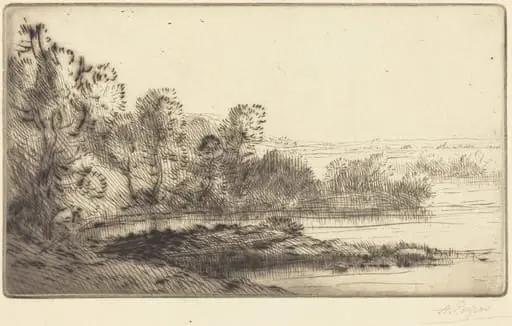 Along the Terne (Sur la terne)
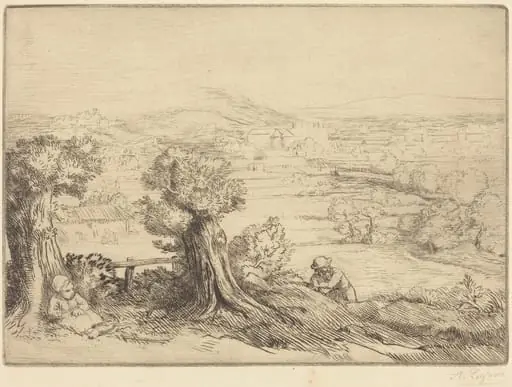 Remembrance of a Valley in Bourgogne (Souvenir d'une vallee en Bourgogne)
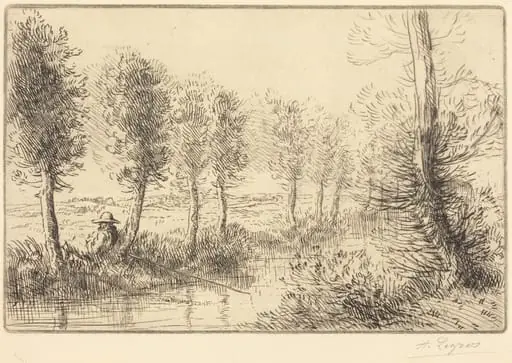 Near the Mill (Pres du moulin)
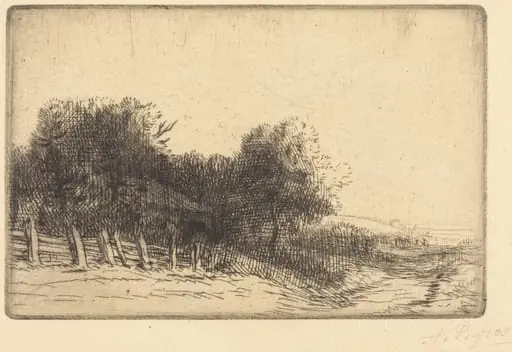 Landscape (Un paysage)