Artwork
Thomas Stilianus
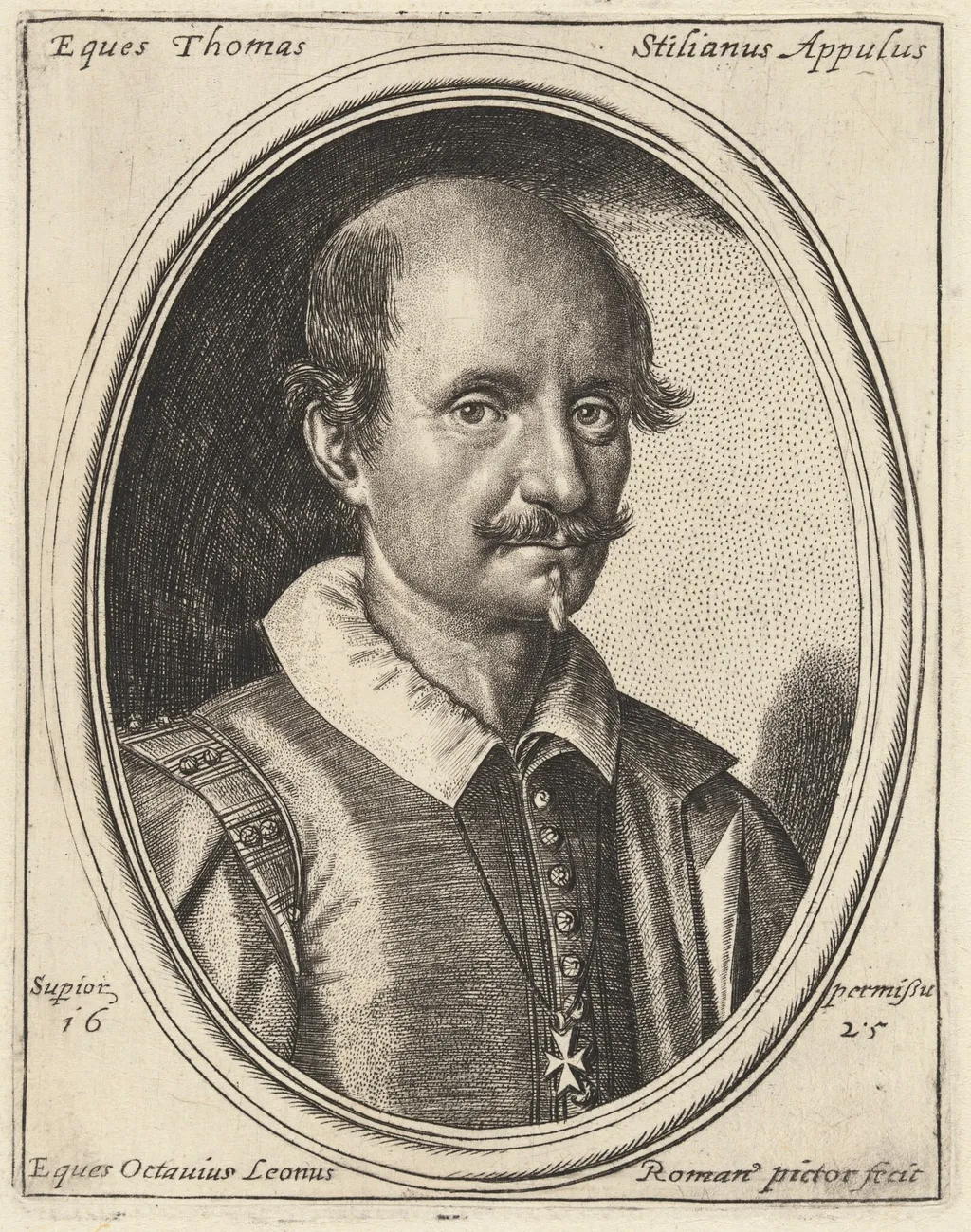
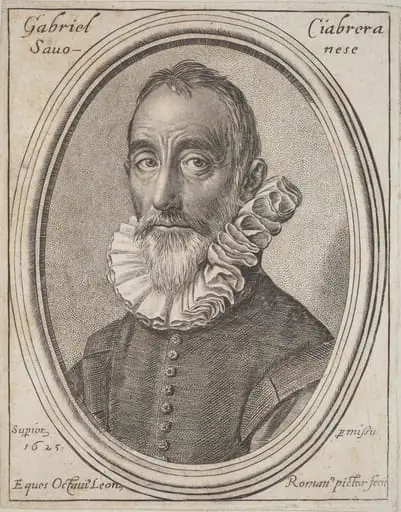
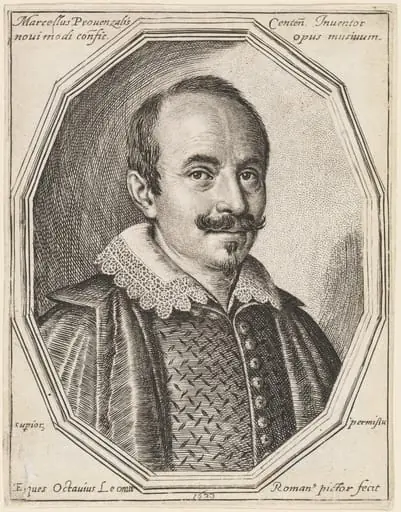
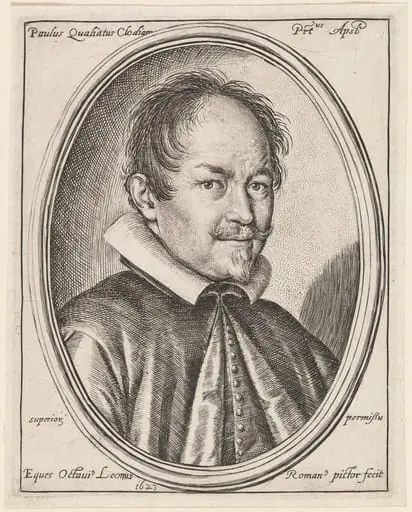
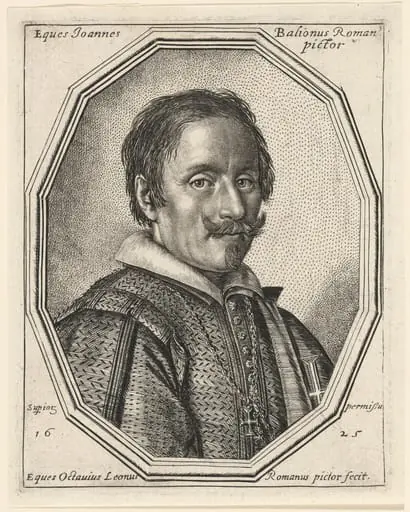
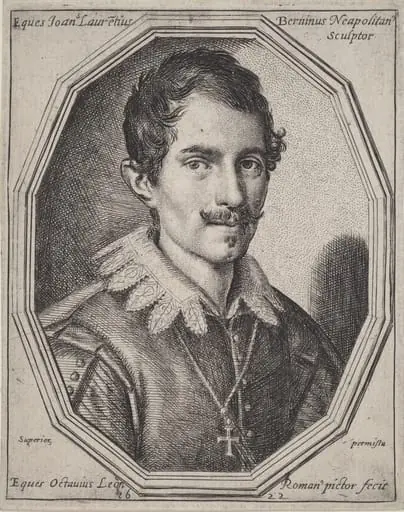
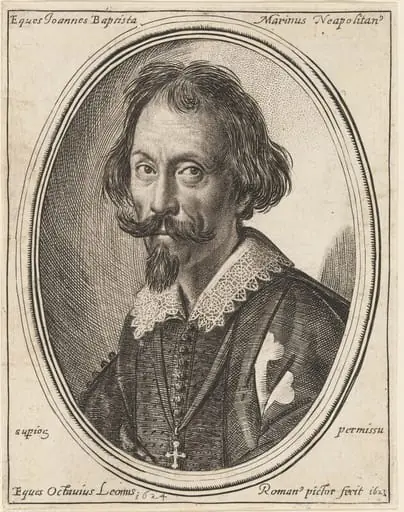
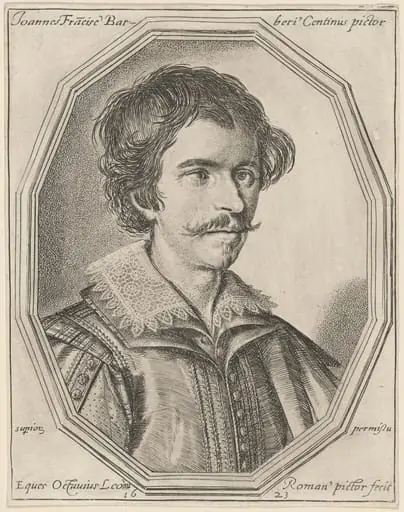
Thomas Stilianus is an ink print by the Baroque artist Ottavio Leoni. It dates from 1625 and is held in the collection of the National Gallery of Art.
About this work
Overview
Ottavio Leoni produced this engraving in 1625 during his time in Rome, where he was known for his precise portrait prints.
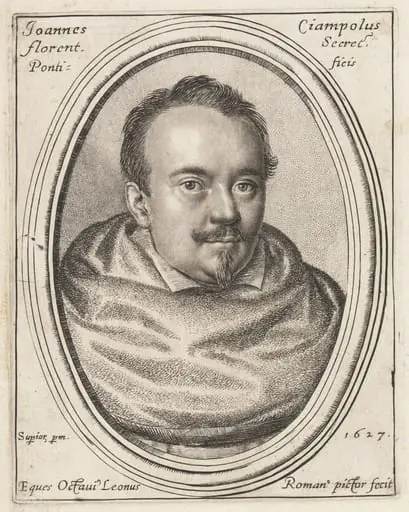
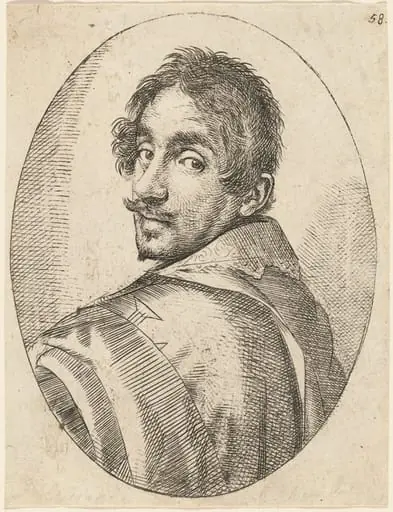
Ottavio Leoni produced this engraving in 1625 during his time in Rome, where he was known for his precise portrait prints. The work captures a single figure, Thomas Stilianus, rendered in monochrome with fine linear detail. Leoni’s focus on individual likeness reflects his broader interest in documenting contemporary figures through the medium of engraving, a practice that bridged art and documentation in early Baroque Rome.
Subject & Meaning
The portrait depicts Thomas Stilianus, likely a religious or scholarly figure, given the high collar, buttoned shirt, and visible cross. His gaze, directed to the right, suggests contemplation or engagement beyond the frame. The absence of contextual elements focuses attention on his demeanor and identity. The inclusion of the cross implies a connection to Christian devotion, though no further biographical details about the sitter are recorded.
Technique & Style
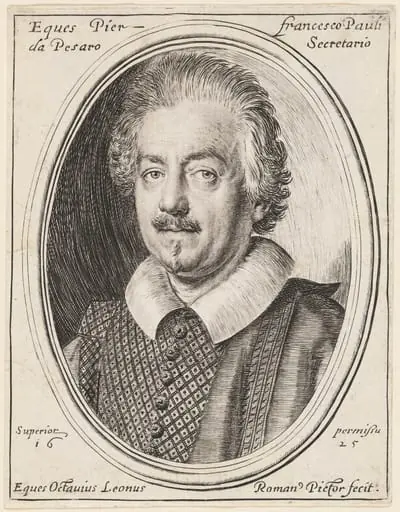
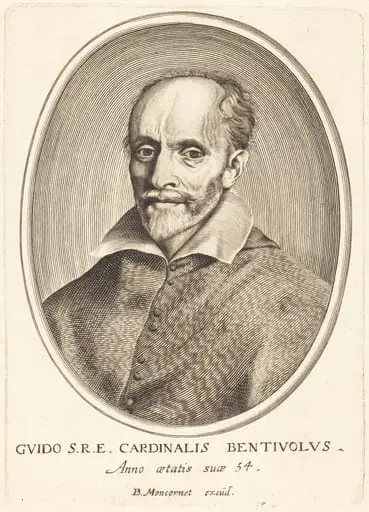
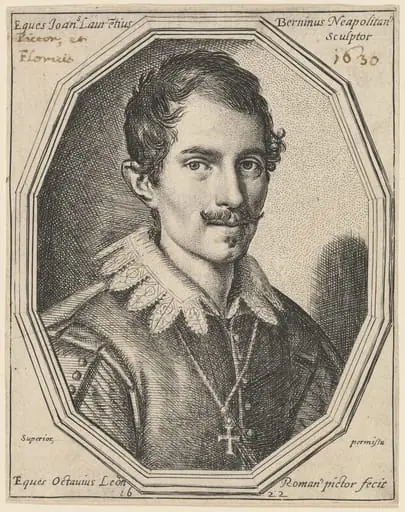
Leoni employed fine cross-hatching to model the contours of the face and fabric, creating subtle gradations of light and shadow. The texture of the hair, the folds of the shirt, and the sheen of the cross are rendered with meticulous line work. The oval format confines the composition, enhancing intimacy. The dark background isolates the figure, emphasizing the precision of the engraving and the sitter’s presence.
History & Provenance
The engraving is one of many portraits Leoni produced in the 1620s, part of a series documenting Roman intellectuals and clergy. While the original commission or ownership is unrecorded, the work survives in institutional collections, reflecting its role as a study in portraiture rather than a public monument. Its survival suggests it was valued for its technical execution and historical record.
Context
In early 17th-century Rome, engraved portraits served as both artistic expression and social documentation. Leoni’s work aligned with a broader trend among artists to capture likenesses of notable individuals, often for private circulation. His prints circulated among collectors and scholars, contributing to a visual archive of the period’s cultural elite, distinct from grander painted commissions.
Legacy
Leoni’s engravings, including this one, are recognized for their technical discipline and psychological restraint. Though not widely exhibited today, they remain referenced in studies of Baroque printmaking and portraiture. The work exemplifies how engraving functioned as a medium for preserving individual identity in an era before photography, offering quiet, enduring records of lesser-known figures.
Artist & collection
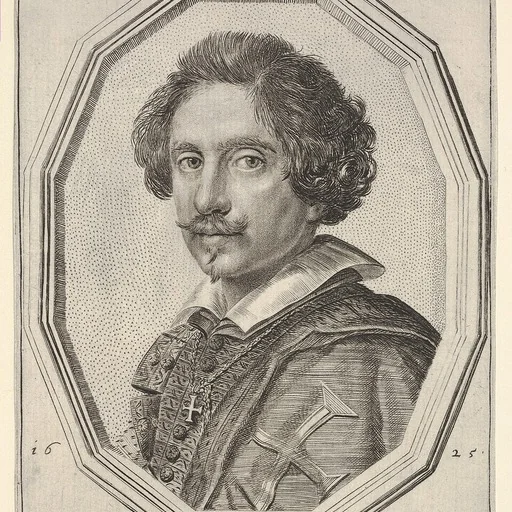
Artist
Ottavio Leoni (1578 – 4 September 1630) was an Italian painter and printmaker of the early-Baroque, active mainly in Rome.