Artwork
L'Inconestase de la Cathedrale de l'Assomption
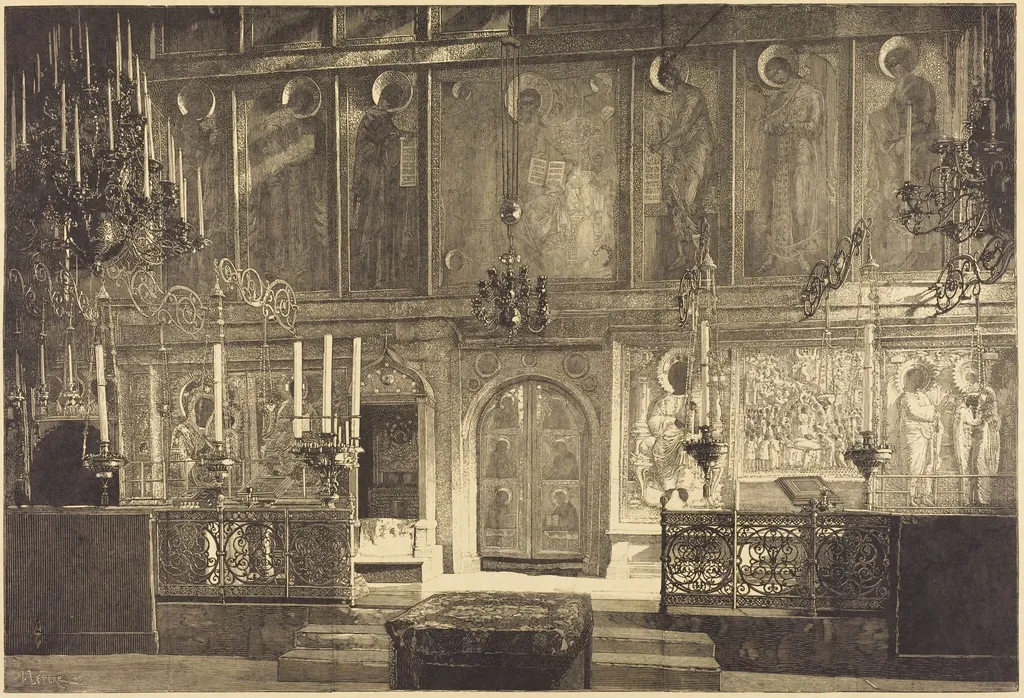
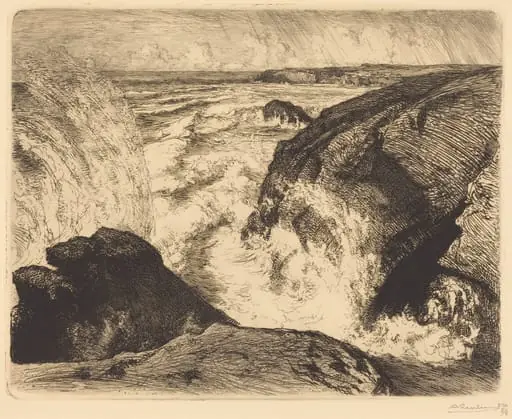
L'Inconestase de la Cathedrale de l'Assomption is an ink print by the Impressionist artist Auguste Lepère. It dates from 1883 and is held in the collection of the National Gallery of Art.
About this work
Overview
L'Inconestase de la Cathedrale de l'Assomption is a wood engraving created by Auguste Lepère in 1883. The work exemplifies the artist's contribution to the 19th-century European revival of wood engraving, a medium characterized by intricate, handcrafted details.
Subject & Meaning
The engraving depicts a serene scene of a stone church tower emerging above bare trees, likely capturing a moment of quiet contemplation. The subject matter suggests an interest in architectural and natural harmony.
Technique & Style
Executed with precision, the print features crisp, clean lines reminiscent of photographic clarity, achieved through meticulous handwork. Lepère employed cross-hatching to shade the sky, demonstrating his mastery of tonal depth in wood engraving.
History & Provenance
Created in 1883 by Auguste Lepère, a multifaceted artist also known for his work as a painter and etcher. The piece reflects his role in popularizing wood engraving during its late 19th-century resurgence.
Context
L'Inconestase de la Cathedrale de l'Assomption was produced during a period of renewed interest in wood engraving in Europe. Artists like Lepère pushed the boundaries of the medium, which involved cutting designs into hard boxwood blocks with fine tools.
Artist & collection

Artist
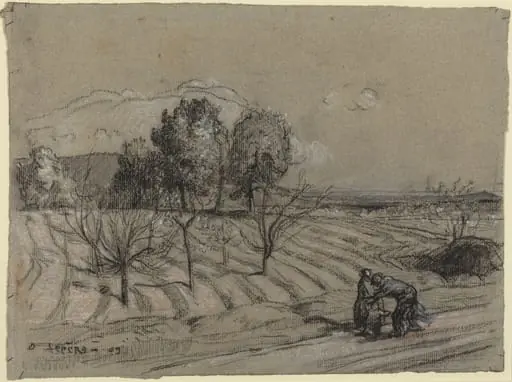
Louis-Auguste Lepère (30 November 1849 – 20 November 1918) was a French painter and etcher. Lepère is also considered a leader in the creative revival of wood engraving in Europe.

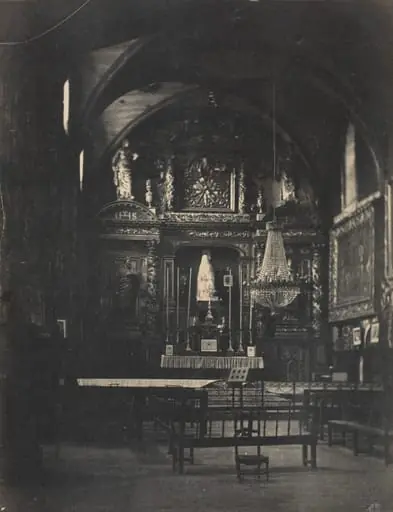 Church Interior
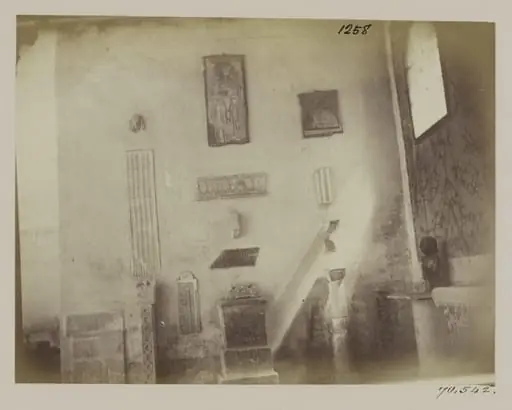 Church of S. Giorgio in Velabro - Fragments of marble sculpture, Tombs, &c., from the old Church, built into the wall.
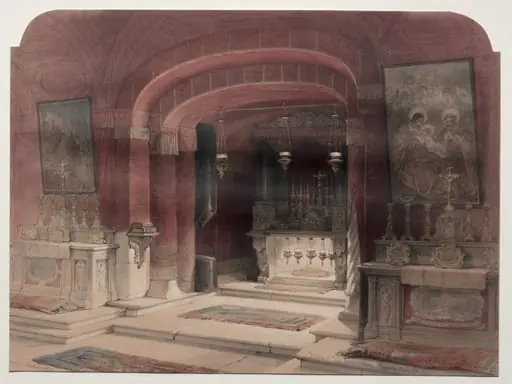 Shrine of the Annunciation, Nazareth
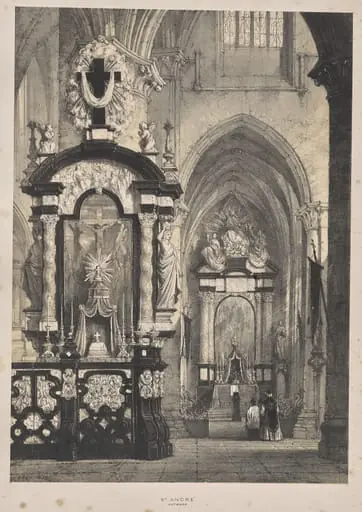 Architecture of the Middle Ages: St. Andre, Antwerp
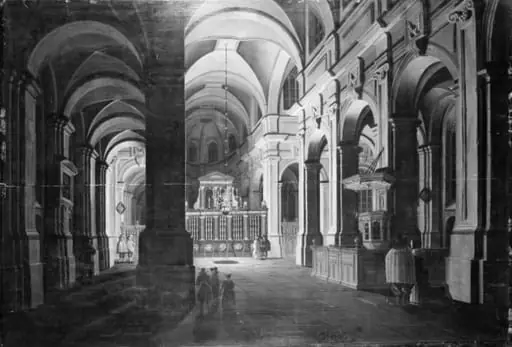 Interior of a Church
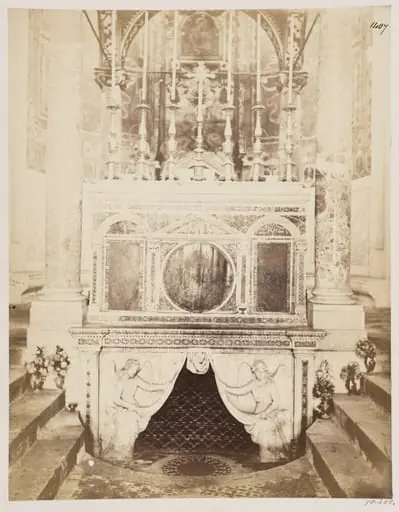 Church and Altar Decoration, S. Cesareo - Altar with Confessio under it, shewing Cosmati Mosaic-work and Sculpture
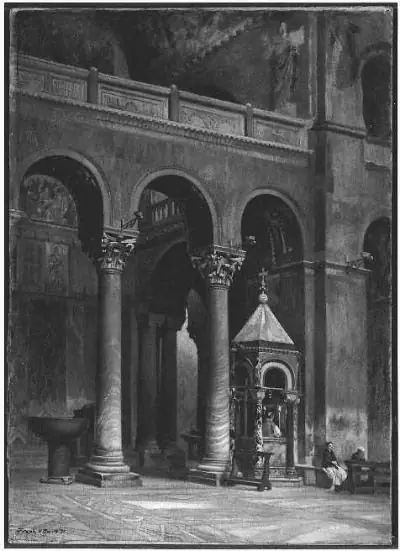 Chapel of the Crucifix, Saint Mark's, Venice.
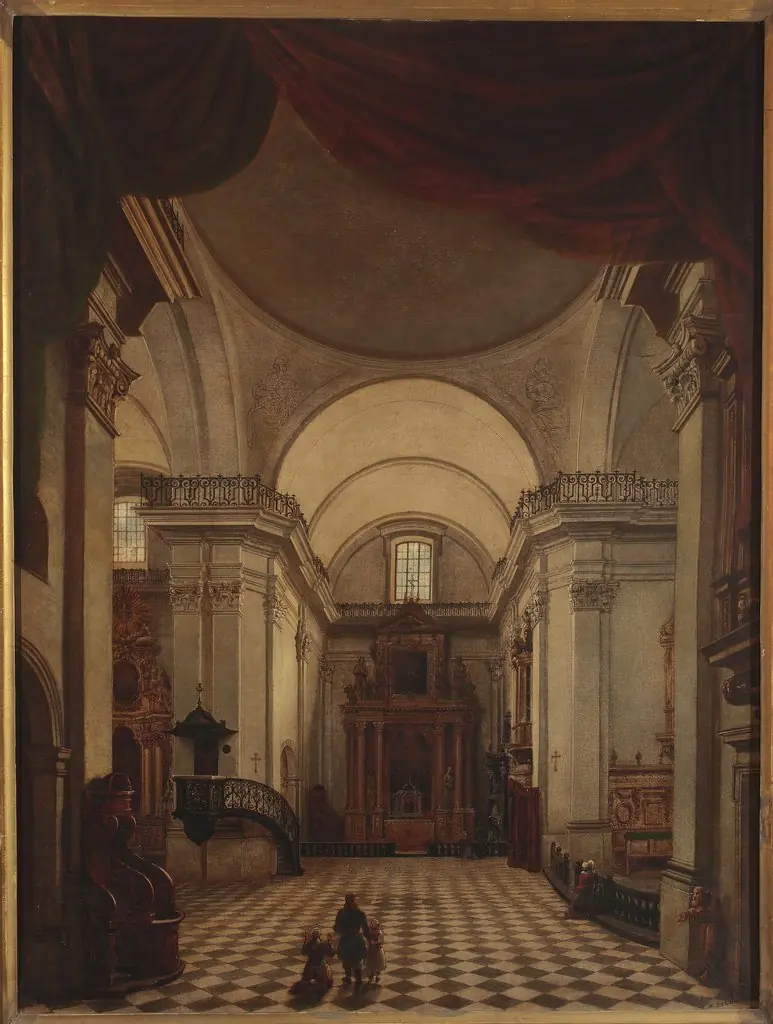 Interior of the Holy Cross Church in Warsaw
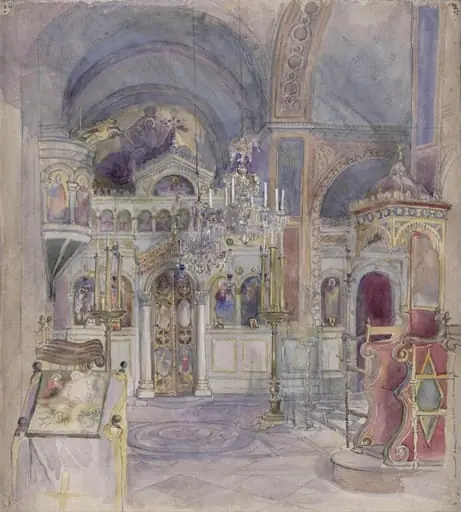 Interior of the Church of St. Theodore at Athens
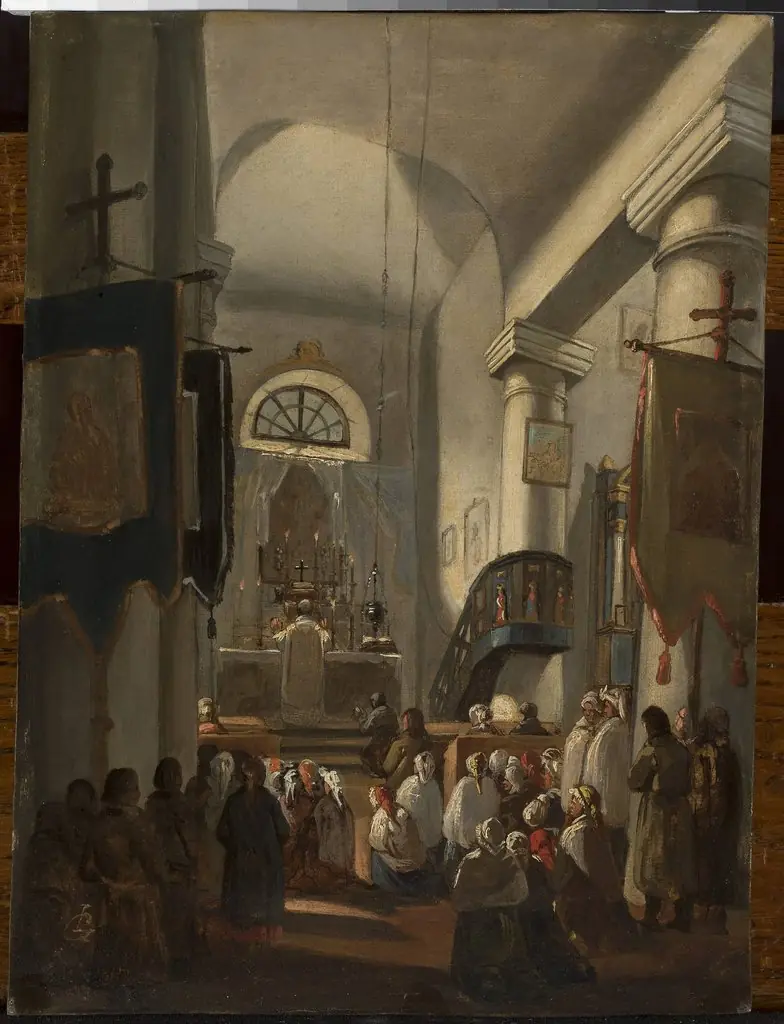 Church interior with staffage
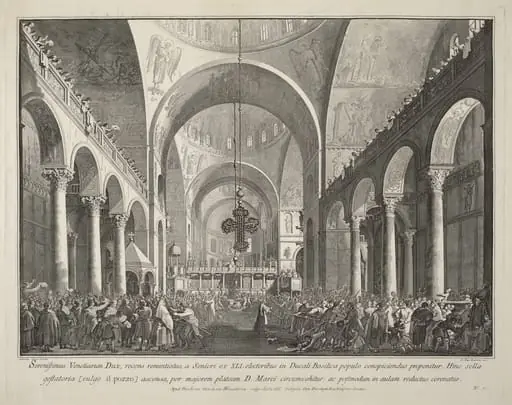 The Newly Elected Doge Presented to the People in San Marco
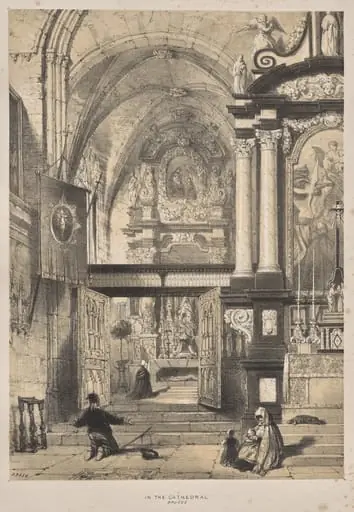 Architecture of the Middle Ages: In the Cathedral, Bruges