Artwork
Church and Altar Decoration, S. Cesareo - Altar with Confessio under it, shewing Cosmati Mosaic-work and Sculpture
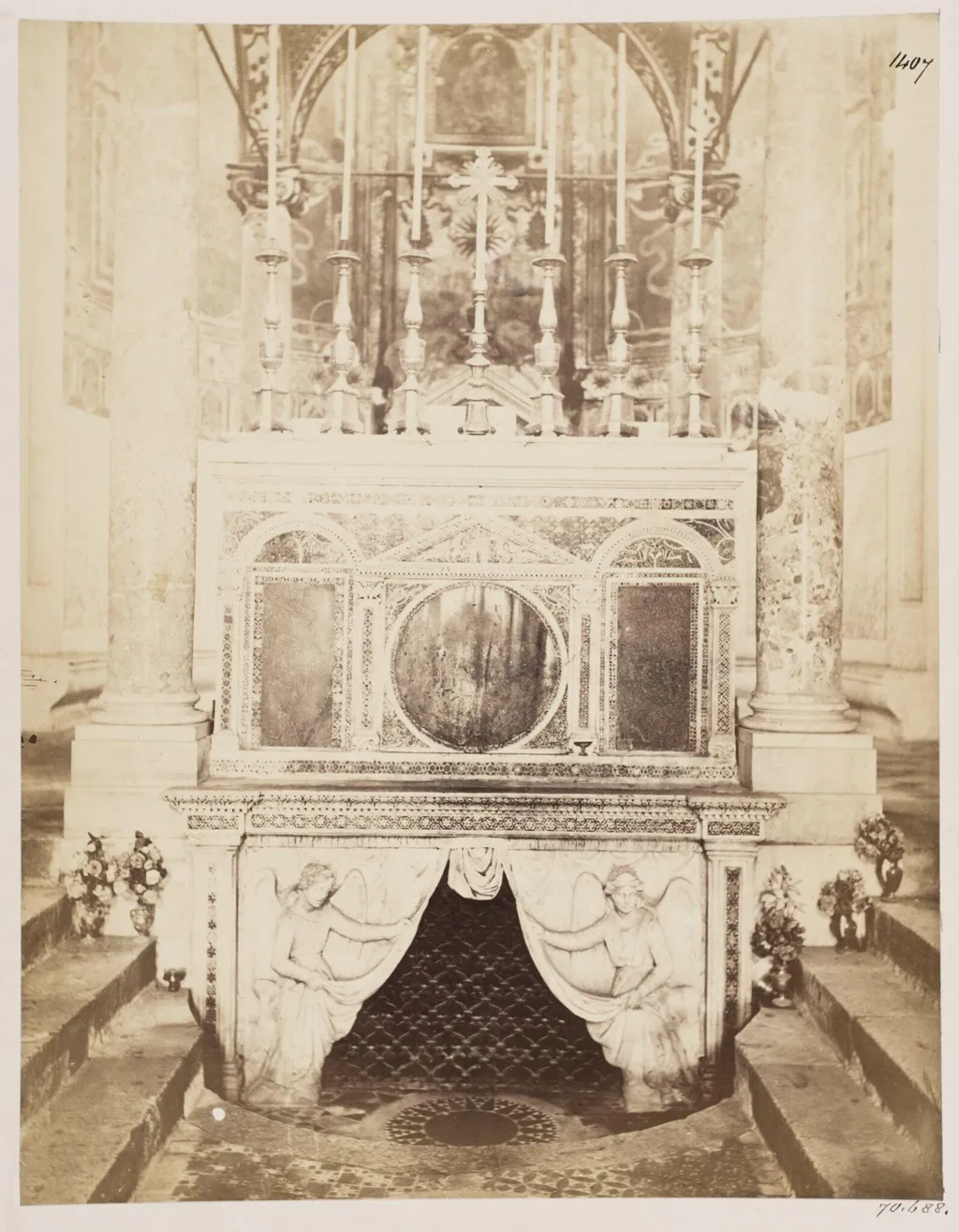
Church and Altar Decoration, S. Cesareo - Altar with Confessio under it, shewing Cosmati Mosaic-work and Sculpture is a photographic photography by the Impressionist artist John Henry Parker. It dates from 1867 and is held in the collection of the Victoria and Albert Museum. This photograph captures the altar and confessio of the church of S.
About this work
Overview
Cesareo in Rome, taken during the 1860s as part of a systematic visual survey of the city’s historic religious sites.
This photograph captures the altar and confessio of the church of S. Cesareo in Rome, taken during the 1860s as part of a systematic visual survey of the city’s historic religious sites. The image is one of over 3,300 photographs compiled under John Henry Parker’s direction between 1864 and 1879, intended to document architectural and artistic heritage from antiquity through the early modern period.
Subject & Meaning
The altar’s design centers on a confessio—a sunken space beneath the altar traditionally associated with relics or martyr worship. Two sculpted angels support a draped curtain, symbolizing reverence and the veil between earthly and divine realms. The Cosmati mosaic flooring, with its geometric inlays of colored stone, reflects medieval liturgical aesthetics and the enduring Roman tradition of sacred ornamentation.
Technique & Style
The photograph records fine details of Cosmati work: intricate patterns formed from marble, porphyry, and serpentine fragments set into the floor. Sculptural elements, including the angels, are rendered with a restrained classicism typical of medieval Roman craftsmanship. The composition emphasizes verticality, with tall candles and architectural lines drawing the eye upward, reinforcing the spiritual focus of the space.
History & Provenance
The photograph was produced during a major 19th-century documentation project led by John Henry Parker, who commissioned photographers across Italy to record Rome’s monuments before modernization altered them. Many of these images, including this one, were later acquired by the Victoria and Albert Museum, where they remain part of a key archive for studying pre-1870 Roman ecclesiastical art and architecture.
Context
In the mid-19th century, systematic photographic documentation emerged as a scholarly tool to preserve cultural heritage amid rapid urban change. Parker’s project aligned with broader European efforts to catalog antiquities, responding to both academic interest and the threat of loss. S. Cesareo’s Cosmati work, though modest compared to major basilicas, exemplifies the widespread use of this technique in Roman parish churches.
Legacy
The photograph endures as a record of an altar setting largely unchanged since the Middle Ages, preserving details now obscured or lost. It contributes to ongoing studies of medieval liturgical space and the transmission of Cosmati techniques. As part of the V&A’s collection, it remains accessible for research, offering insight into how 19th-century scholars perceived and preserved the visual culture of early Christian Rome.
Artist & collection
Artist
John Henry Parker liked to explore old churches in Rome. He'd photograph the sculptures and carvings he found. One thing that stands out is his attention to detail - he'd capture tiny parts of bigger pieces, like the…

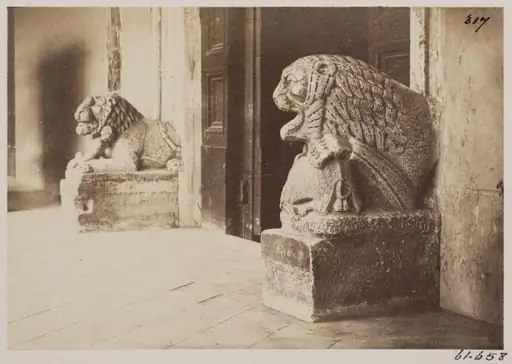 Sculptures - Lions at the Door of the Church of S. Lorenzo
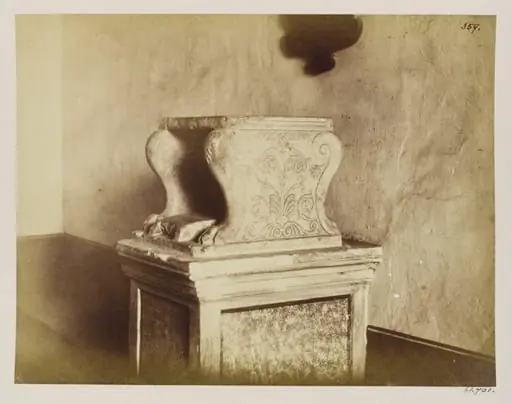 Sculptures - Marble Seat of S. Gregory in the Church of S. Stefano Rotondo, with Shallow Carving, c. A.D. 590.
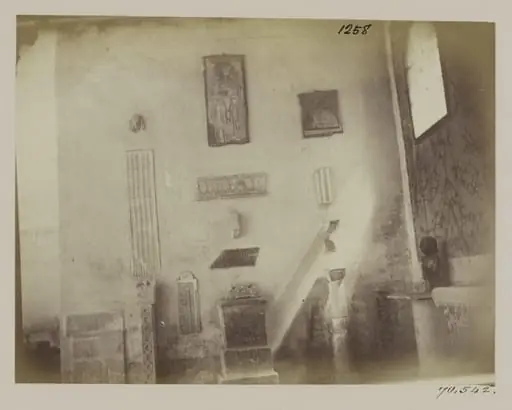 Church of S. Giorgio in Velabro - Fragments of marble sculpture, Tombs, &c., from the old Church, built into the wall.
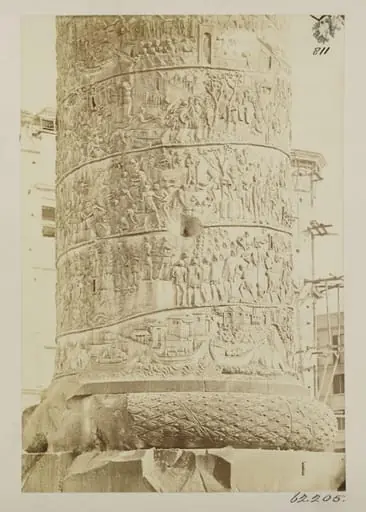 Sculptures - Details of Sculpture from Trajan's Column.
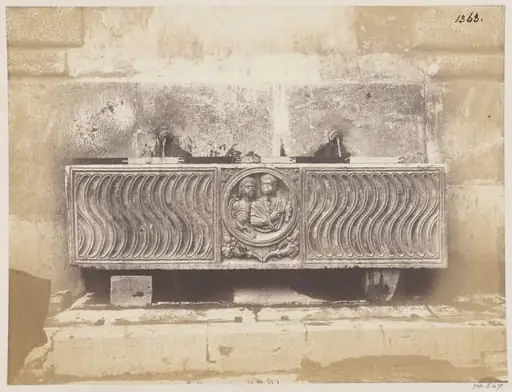 Sculpture - Sarcophagus of the fourth century made into a fountain, near the Church of S. Maria, in the Piazza del Popolo
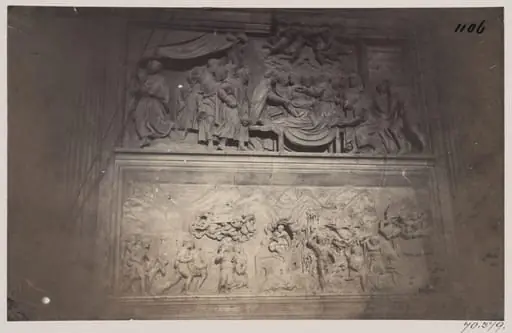 Out of Rome - House of the Blessed Virgin at Loreto. Sculpture of the Santissima Casa carried by Angels, A.D. 1520
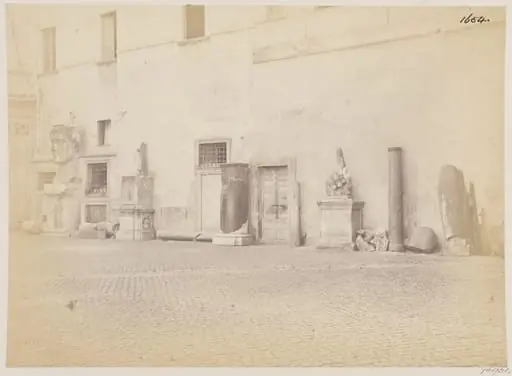 Sculpture - View on the left side of the Court-yard of the Palazzo de' Conservatori on the Capitol, shewing fragments of colossal Statues
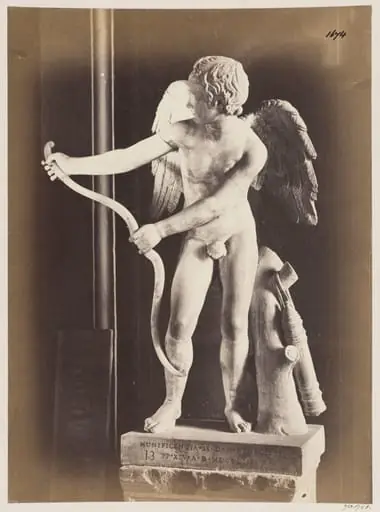 Sculpture - Statue of Cupid with his bow, in the Capitoline Museum.
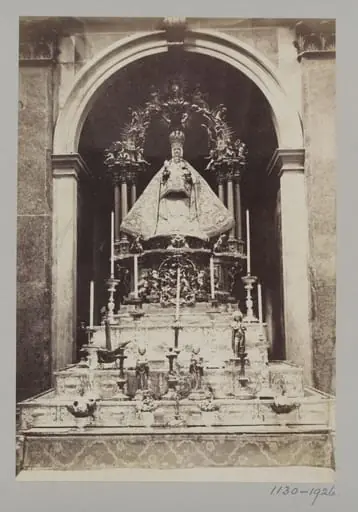 Sculpture of the Virgen del Sagrario, patron of Toledo, housed in the altarpiece of the Capilla del Sagrario in the Cathedral of Toledo
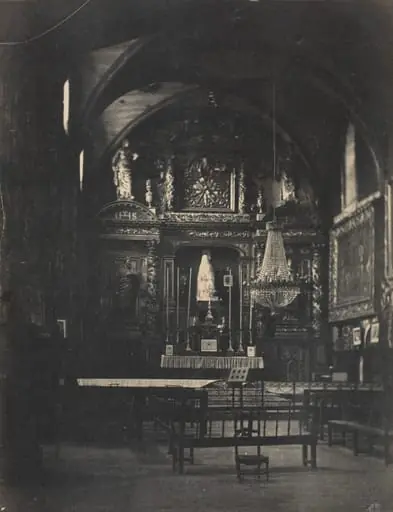 Church Interior
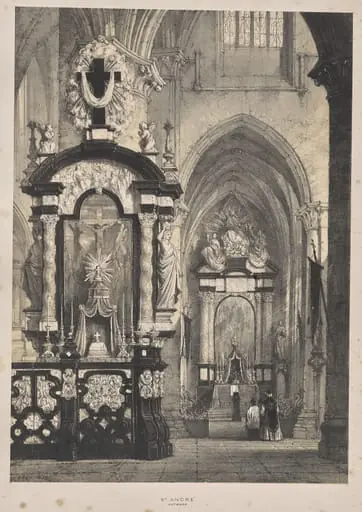 Architecture of the Middle Ages: St. Andre, Antwerp
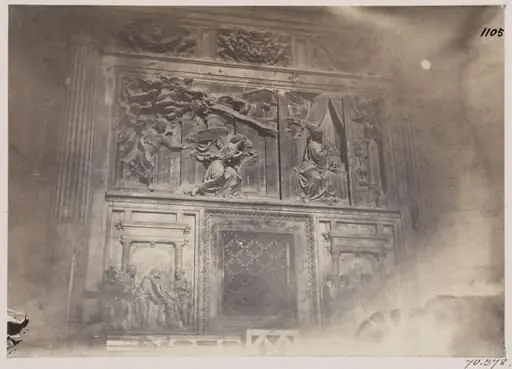 Out of Rome - House of the Blessed Virgin at Loreto. Sculpture of the Annunciation, A.D. 1520
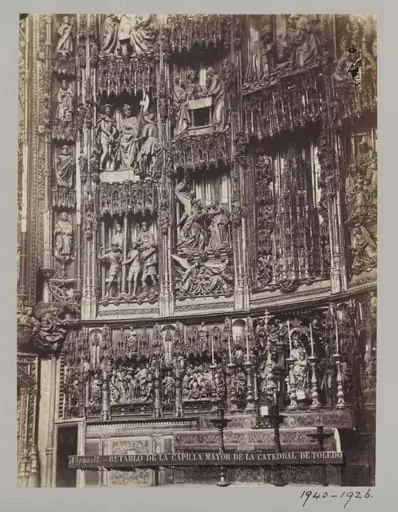 Altarpiece in Toledo Cathedral, Spain
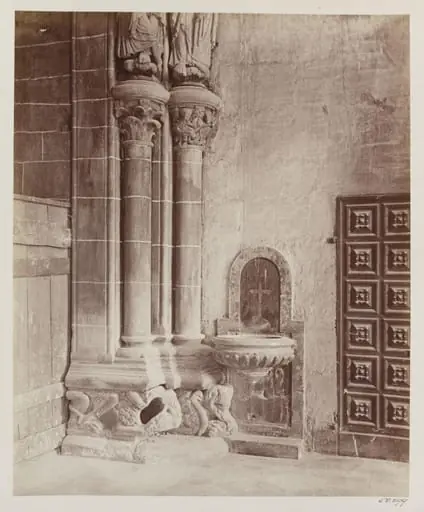 Cathedral, Santiago, Spain, Portico de la Gloria, detail of column at South wall
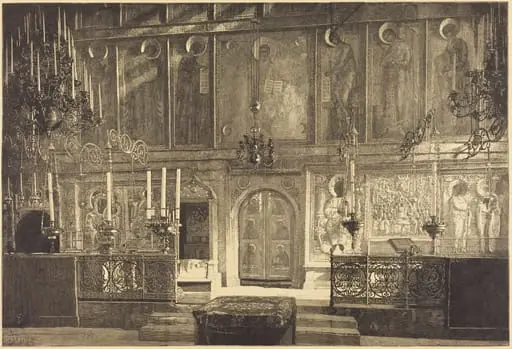 L'Inconestase de la Cathedrale de l'Assomption
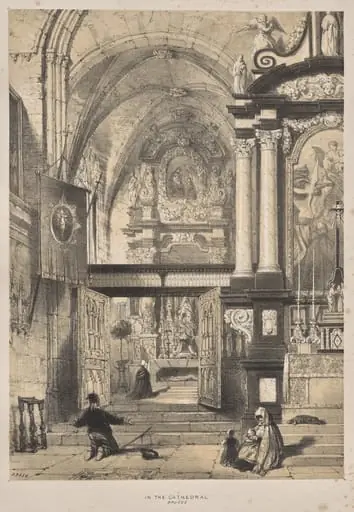 Architecture of the Middle Ages: In the Cathedral, Bruges
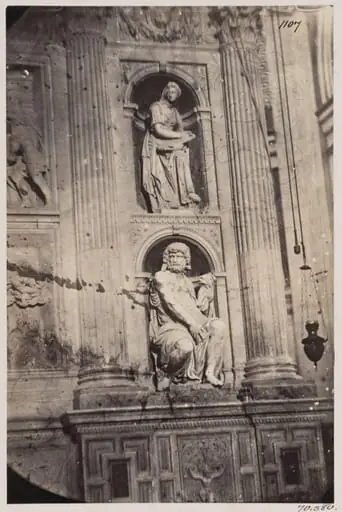 Out of Rome - House of the Blessed Virgin at Loreto. Sculpture of the figures of Prophets, A.D. 1520