Artwork
Les Funérailles de L'Amiral Courbet
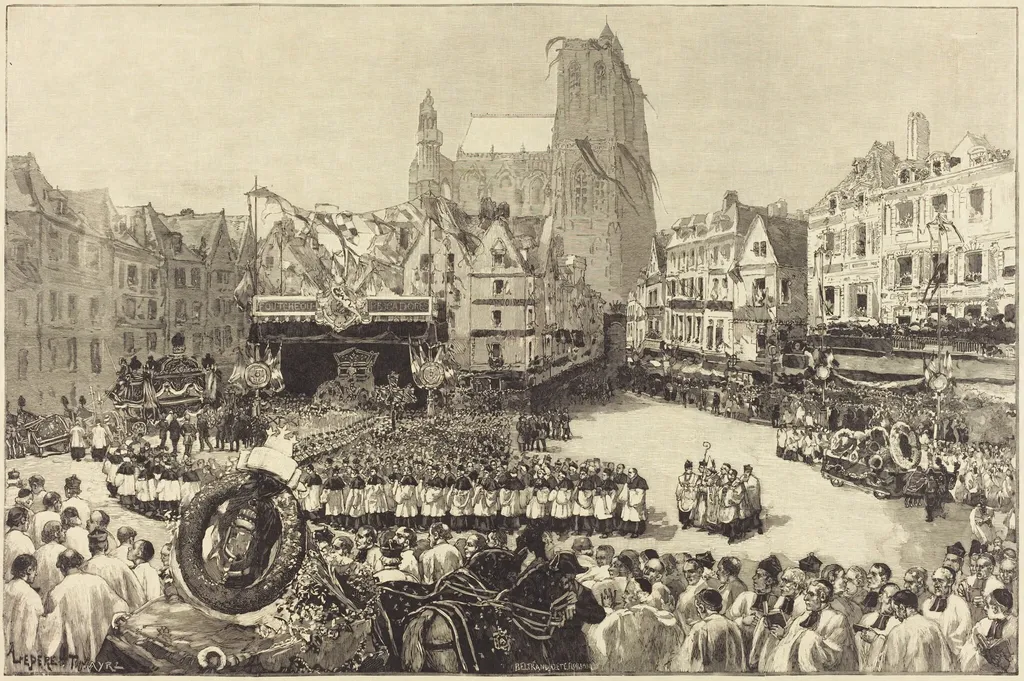
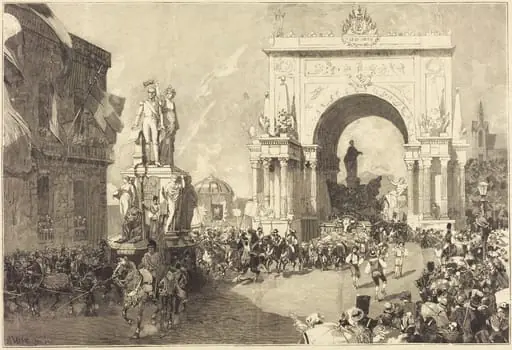
Les Funérailles de L'Amiral Courbet is an ink print by the Impressionist artist Auguste Lepère. It dates from 1885 and is held in the collection of the National Gallery of Art.
About this work
Overview
Created in 1885, this wood engraving by Auguste Lepère portrays a solemn public funeral in a city square. The composition centers on a black‑draped carriage bearing a coffin, surrounded by a densely packed crowd of men in long coats and hats, all turned toward the somber procession.
Subject & Meaning
The image records a ceremonial burial likely honoring Admiral Courbet, a figure associated with French naval history. Banners bearing the words “Justice” and “Liberty” flank the scene, suggesting a civic or political dimension to the event and reflecting contemporary public sentiment.
Technique & Style
Lepère employs fine, intersecting lines and delicate cross‑hatching to render depth and texture. The intricate shading distinguishes the crowded figures, the crumbling facades of surrounding buildings, and the spires in the background, achieving a sense of density and atmosphere characteristic of the late‑19th‑century wood‑engraving revival.
History & Provenance
Born in 1849, Lepère was a French painter and etcher who played a central role in the European resurgence of wood engraving. He continued working in the medium until his death in 1918, and this 1885 print exemplifies his contribution to the craft’s renewed artistic relevance.
Context
The funeral scene reflects a period of heightened public ceremony in France, where military and political figures were commemorated with elaborate processions. The presence of flags and the crowd’s attentive posture indicate the event’s significance within the broader civic culture of the time.
Artist & collection
Artist
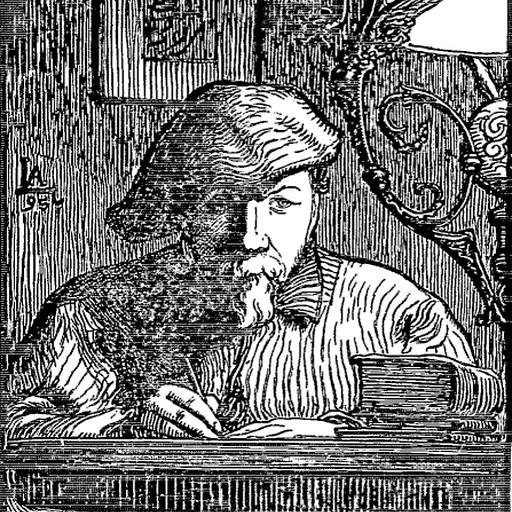
Louis-Auguste Lepère (30 November 1849 – 20 November 1918) was a French painter and etcher. Lepère is also considered a leader in the creative revival of wood engraving in Europe.

 Fêtes jubilaires de Bruxelles
 Untitled
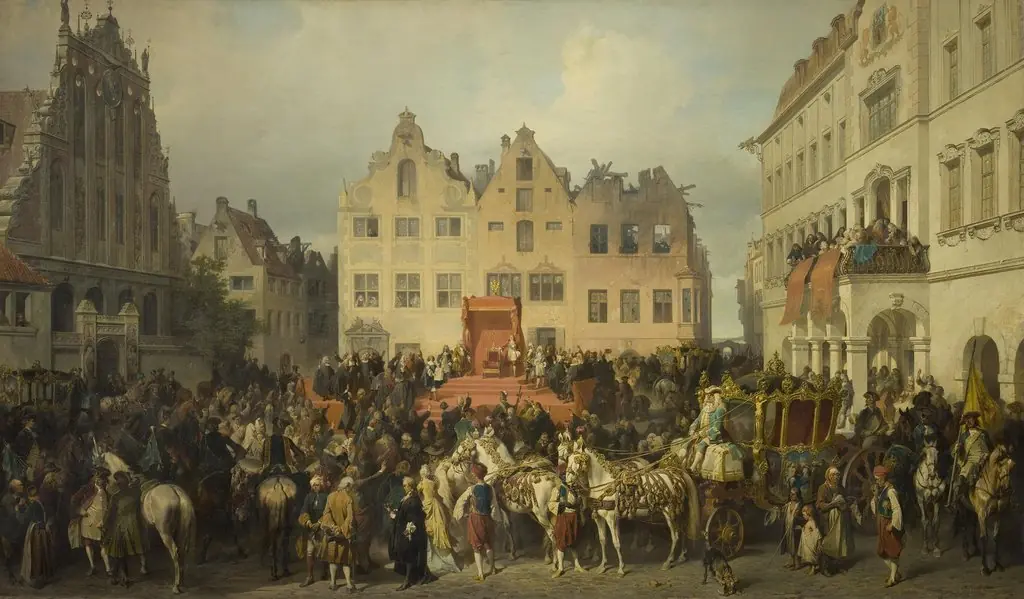 Town of Riga Swearing Allegiance to Russia in 1710
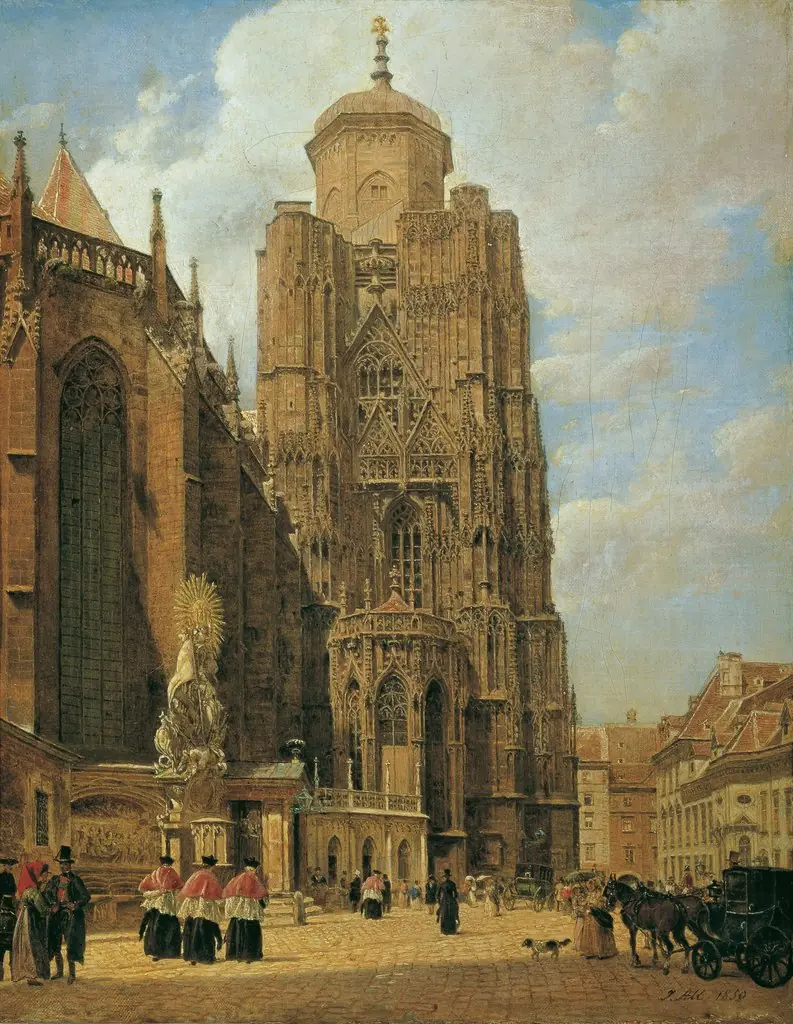 St. Stephen's Cathedral in Vienna
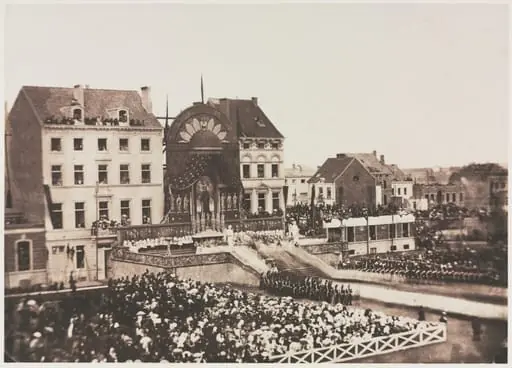 Untitled (Ceremony of Thanksgiving)
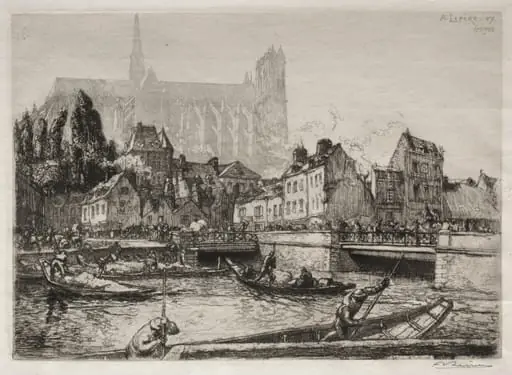 Arrivées des Légumes-Amiens
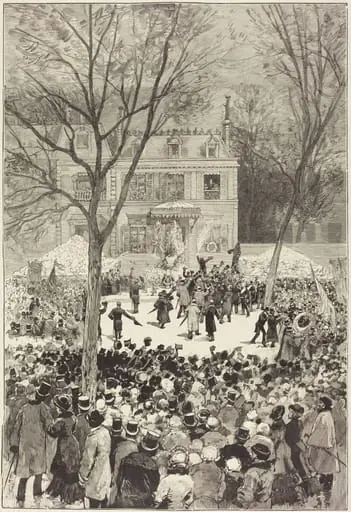 Manifestation populaire du 27 Février pour fêter le 80 année de Victor Hugo
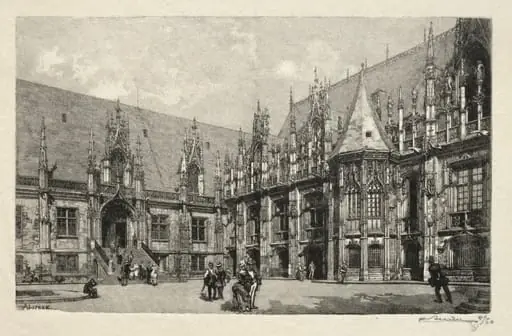 Rouen Illustré: Le Palais du Justice
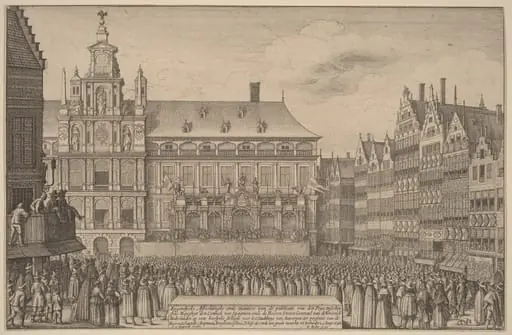 The Peace of Munster
 The Infante Isabella shoots the jay of the Grand Serment with a crossbow in the Sablon in Brussels, May 15th 1615
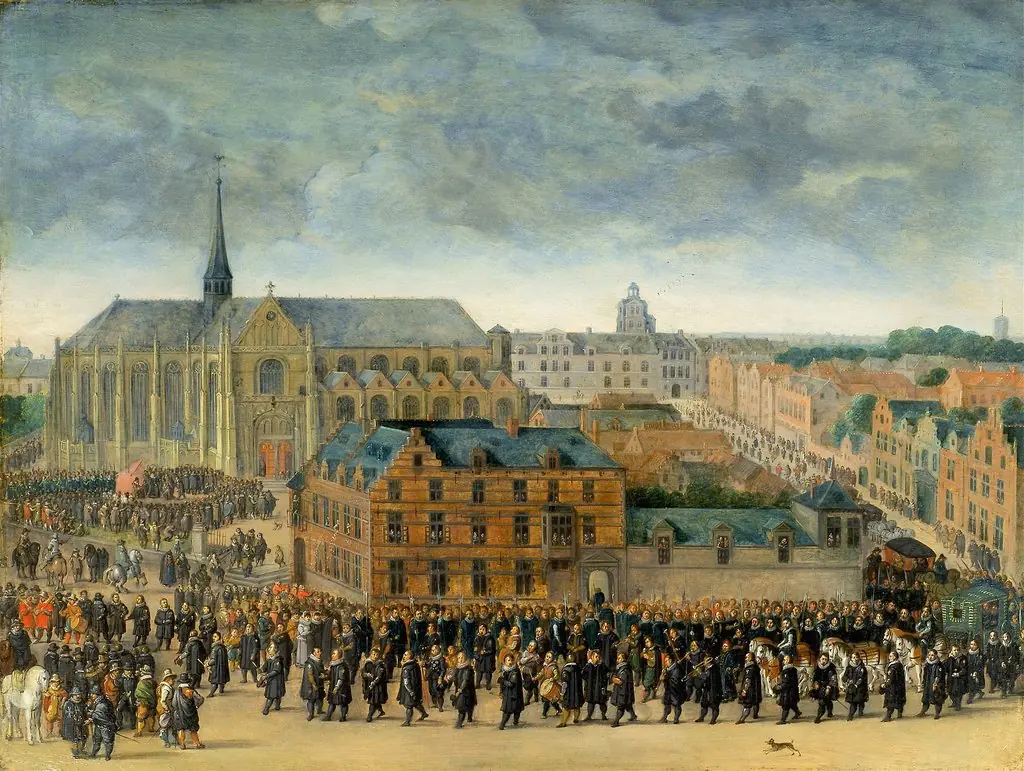
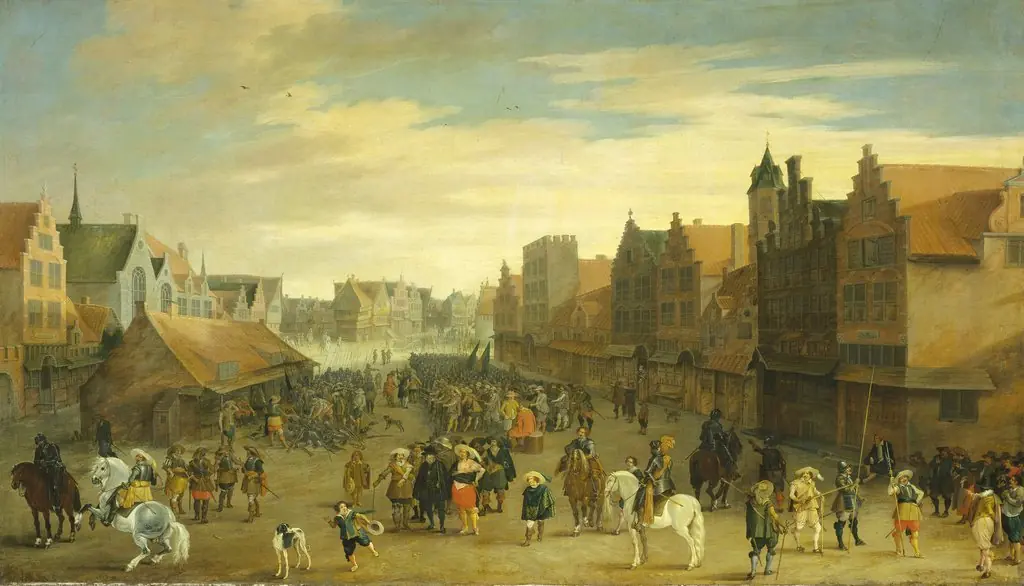 The disbanding of the 'waardgelders' (mercenaries in the pay of the town government) by Prince Maurits on the Neude, Utrecht, 31 July 1618
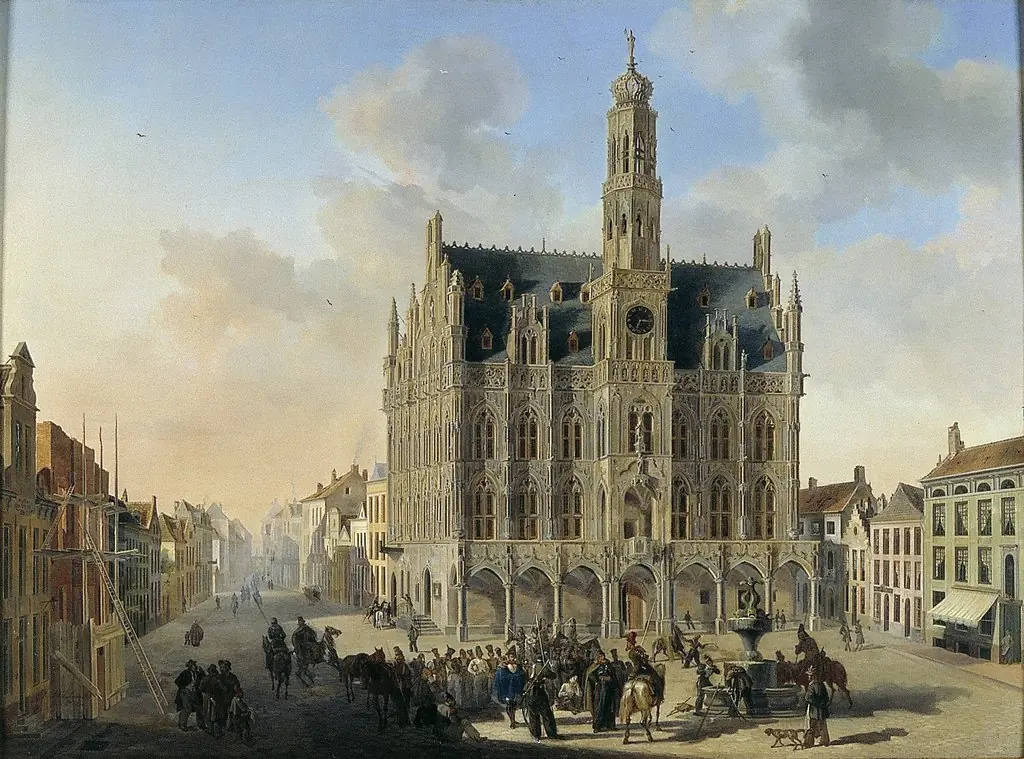 Het stadhuis te Oudenaarde