Artwork
Arrivées des Légumes-Amiens
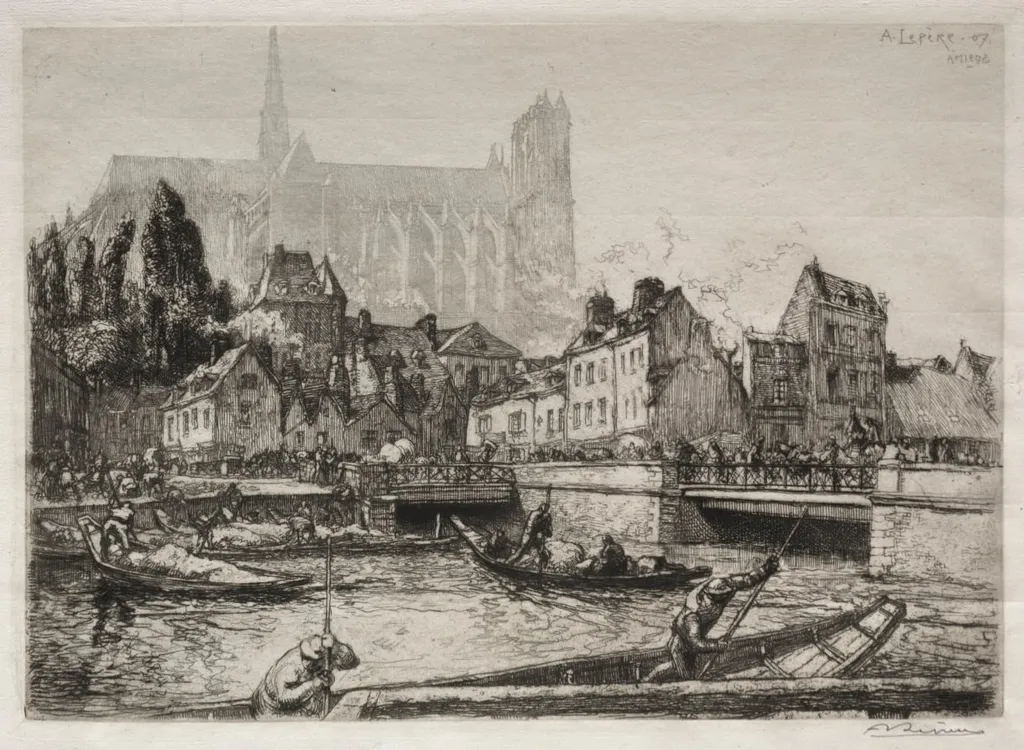
Arrivées des Légumes-Amiens is a print by Auguste Lepère. It dates from 1907 and is held in the collection of the Cleveland Museum of Art.
About this work
You see a scene of people unloading vegetables from a cart in a quiet town.
The painting shows a daily moment from the past. It's interesting because it gives a glimpse into ordinary life in France during the early 20th century.
You can learn more about similar scenes by looking at the work of artist: Auguste Louis Lepère (French, 1849–1918).
Overview
Known for his role in renewing interest in traditional wood engraving techniques, Lepère focused on everyday scenes rather than grand historical narratives.
Auguste Louis Lepère, a French artist active in the late 19th and early 20th centuries, produced *Arrivées des Légumes-Amiens* in 1907 as a wood engraving. Known for his role in renewing interest in traditional wood engraving techniques, Lepère focused on everyday scenes rather than grand historical narratives. This print is part of the collection at The Cleveland Museum of Art, reflecting his commitment to capturing the rhythms of ordinary life through meticulous hand-carved imagery.
Subject & Meaning
The scene portrays the arrival of vegetables in the town of Amiens, with figures unloading produce from a horse-drawn cart. No dramatic action dominates the composition; instead, the quiet exchange of goods suggests the routine of urban subsistence. Lepère’s choice to depict this mundane moment elevates it as a record of communal labor and local economy, offering a subtle commentary on the persistence of pre-industrial rhythms in early 20th-century France.
Technique & Style
Lepère used wood engraving, a labor-intensive method involving carving fine lines into the end grain of hardwood. His precision in rendering textures—such as woven baskets, wooden cart wheels, and the folds of clothing—demonstrates mastery of the medium. The tonal range is achieved through dense hatching and delicate crosshatching, creating depth without reliance on wash or color. The composition is restrained, favoring clarity and quiet observation over theatricality.
History & Provenance
Created in 1907, the print emerged during the final decade of Lepère’s career, when he was widely recognized for his revival of wood engraving in Europe. It entered the collection of The Cleveland Museum of Art through documented acquisition, likely as part of broader efforts to preserve modern European printmaking. Its preservation reflects institutional interest in prints that document social life through artisanal techniques rather than mass-produced imagery.
Context
In early 20th-century France, rural produce still moved through towns via horse-drawn carts, even as industrialization advanced. Lepère’s work aligns with a broader European interest in documenting vanishing traditions. Unlike urban-focused realists, he turned to provincial settings, capturing the dignity of labor in smaller communities. His prints resonate with contemporaries like Daumier and the Nabis, though his focus remained on technique as much as subject.
Legacy
Lepère’s dedication to wood engraving influenced a generation of printmakers who sought alternatives to photographic reproduction. While not widely known outside specialist circles, his works, including *Arrivées des Légumes-Amiens*, remain important for their technical rigor and quiet humanity. Museums continue to value his prints as exemplars of how traditional methods could convey modern sensibilities without sentimentality.
Artist & collection
Artist
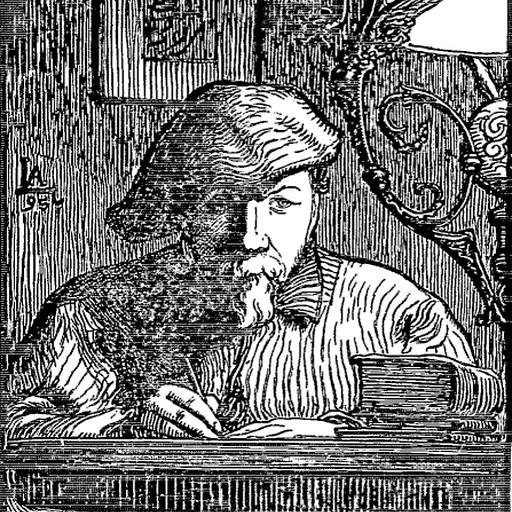
Louis-Auguste Lepère (30 November 1849 – 20 November 1918) was a French painter and etcher. Lepère is also considered a leader in the creative revival of wood engraving in Europe.

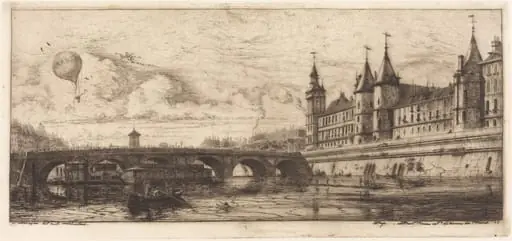 Le Pont-au-Change, Paris
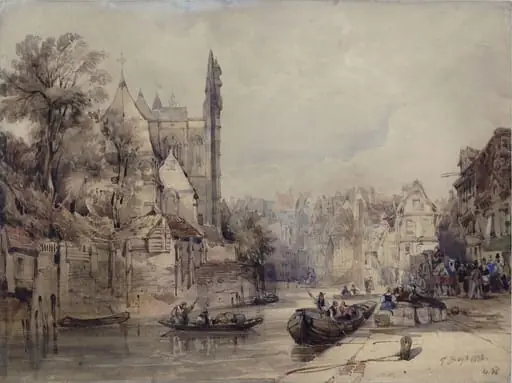 Rue du Rivage, Abbeville
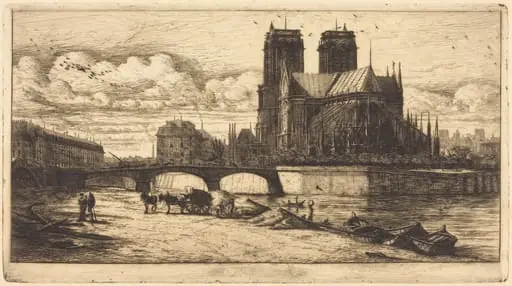 L'abside de Notre-Dame de Paris (The Apse of the Cathedral of Notre Dame, Paris)
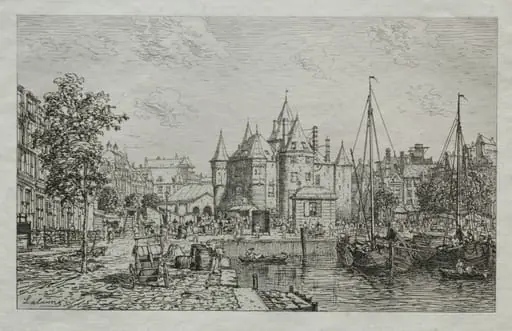 The Wagg-Poids of the City of Amsterdam
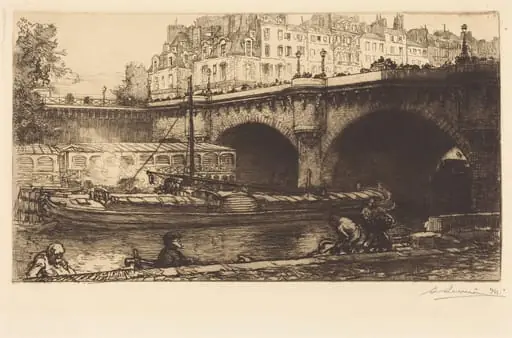 Pont Neuf
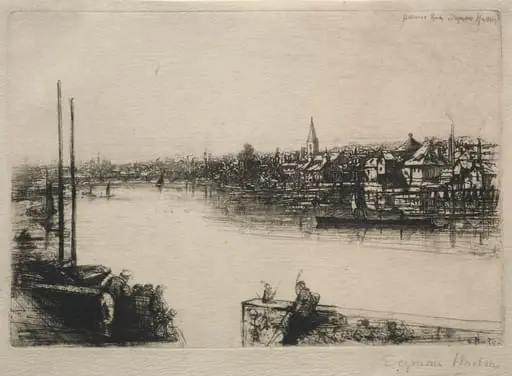 Battersea Reach
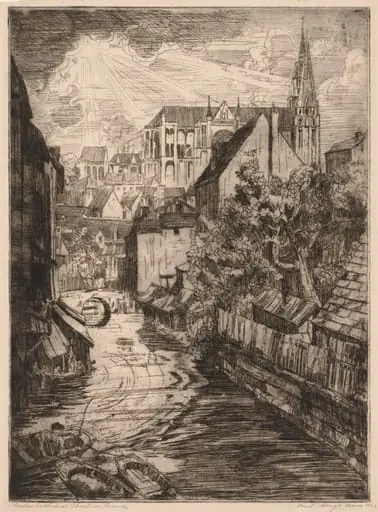 Chartres Cathedral, Chartres, France
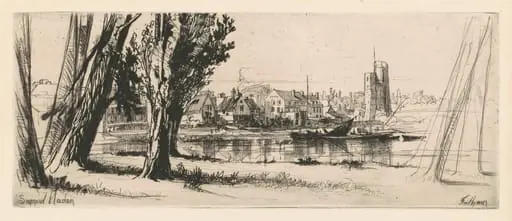 Fulham
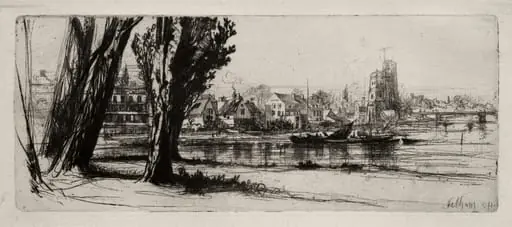 Fulham
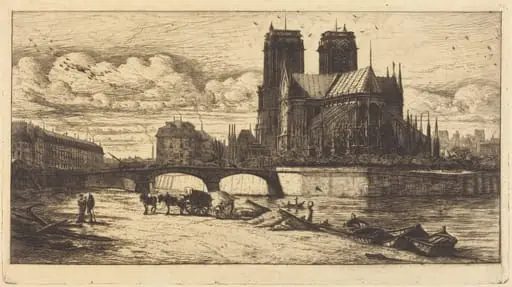 L'abside de Notre-Dame de Paris (The Apse of the Cathedral of Notre-Dame, Paris)
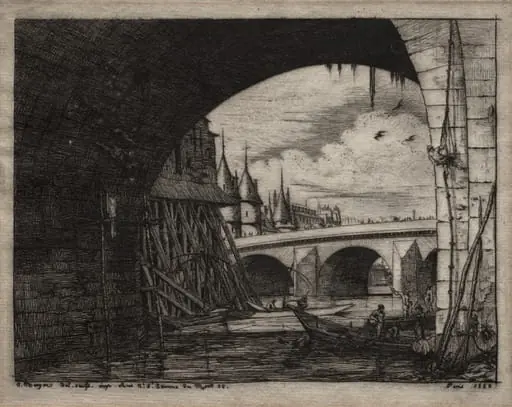 Etchings of Paris: An Arch of the Notre Dame Bridge
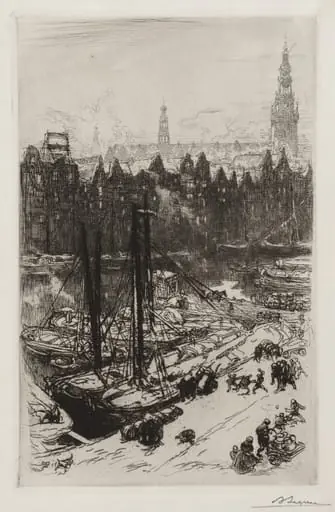 Amsterdam, vue de Victoria Hotel