Artwork
The Viper-mouth (Silurus cataphractus)
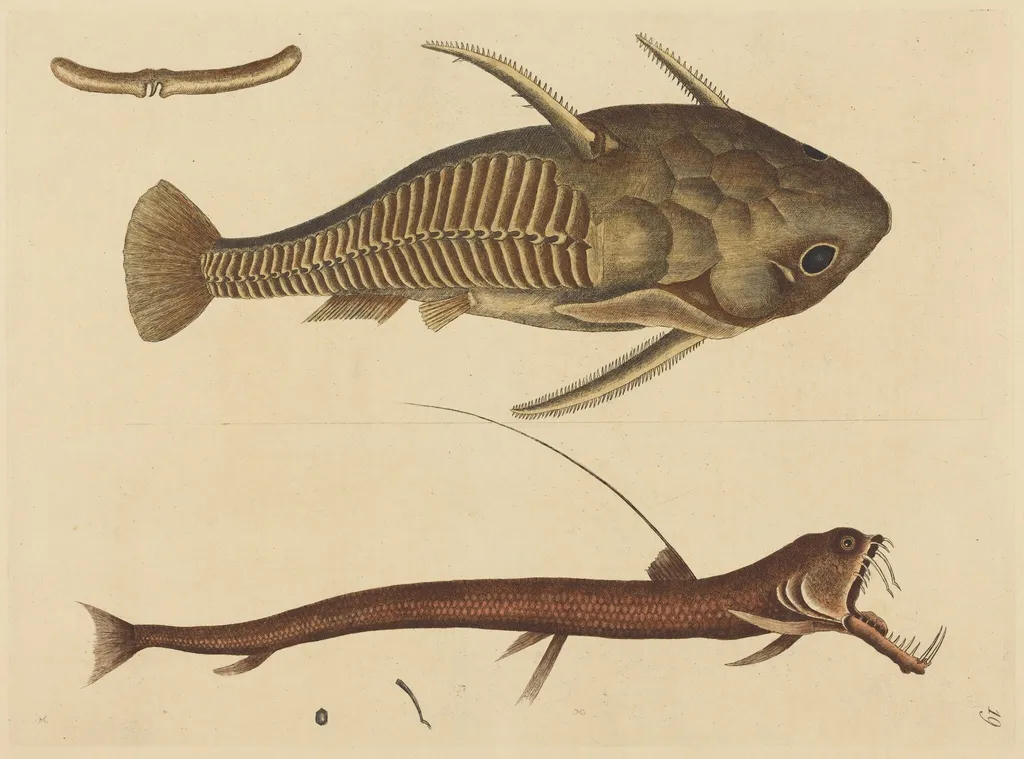
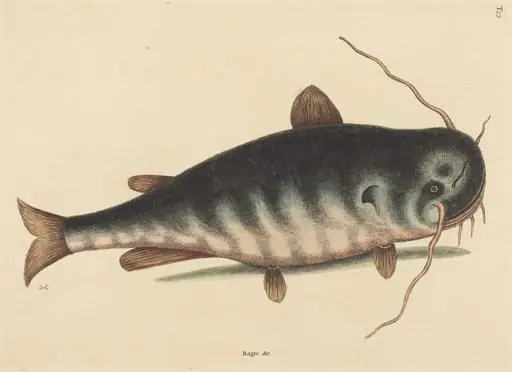
The Viper-mouth (Silurus cataphractus) is an ink print by the Baroque artist Mark Catesby. It dates from 1737 and is held in the collection of the National Gallery of Art.
About this work
Overview
The work titled *The Viper‑mouth (Silurus cataphractus)* is an 18th‑century print created by English naturalist Mark Catesby.
The work titled *The Viper‑mouth (Silurus cataphractus)* is an 18th‑century print created by English naturalist Mark Catesby. Executed as an etched and engraved image on laid paper, it was subsequently hand‑colored. The plate forms part of Catesby’s multi‑volume *Natural History of Carolina, Florida and the Bahama Islands*, published in 1737, and serves as a visual record of a North American freshwater catfish.
Subject & Meaning
The image presents two specimens of the catfish Silurus cataphractus, a species native to the rivers of the southeastern United States. The upper figure shows a broad, flattened body with a large, tooth‑filled mouth, spiny dorsal fins and a fan‑shaped tail, while the lower figure depicts a slender form with a small head, prominent eyes, needle‑like teeth and minute leg‑like structures near the head. Accompanying text describes the fish’s habitat and habits, reflecting Catesby’s intent to document natural characteristics for scientific study.
Technique & Style
Catesby employed copper‑plate etching and engraving to achieve fine linear detail, allowing him to render the texture of scales, the articulation of fins, and the subtle contours of the fish’s bodies. After printing on laid paper, the image was hand‑colored, a common practice that added realistic hues while preserving the precision of the line work. The combination of meticulous line and selective coloration underscores the work’s dual role as illustration and scientific record.
History & Provenance
The plate first appeared in the 1737 edition of Catesby’s *Natural History*, a pioneering American natural history series. Catesby produced the image after his own observations during travels in the New World, bringing back sketches that he later refined in his London studio. Original impressions remain in several institutional collections, reflecting the work’s early dissemination among European naturalists and its preservation as a historical scientific artifact.
Context
Catesby’s publication emerged at a time when European scholars were eager for reliable visual accounts of the Americas’ flora and fauna. The *Viper‑mouth* illustration exemplifies the Enlightenment emphasis on empirical observation, combining artistic skill with taxonomic description. By presenting the fish alongside detailed notes, Catesby contributed to the nascent field of ichthyology and helped shape Western understanding of North American aquatic life.
Artist & collection

Artist
Mark Catesby (24 March 1683 – 23 December 1749) was an English naturalist who studied the flora and fauna of the New World.

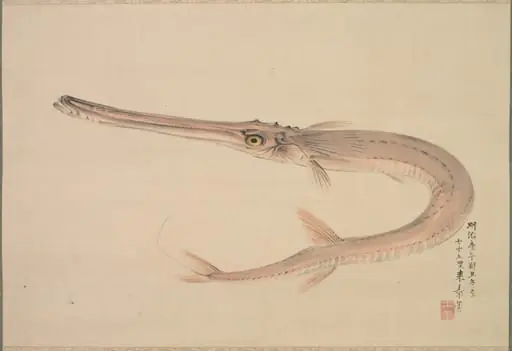 Needlefish (Yagara)
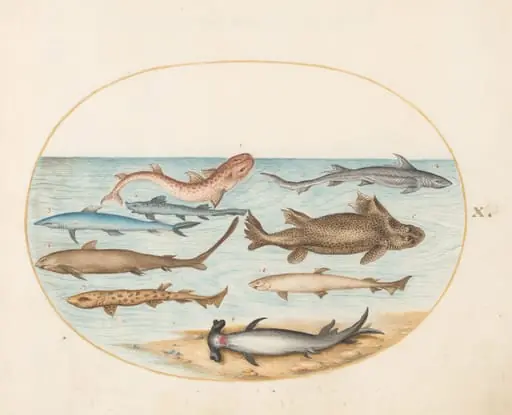 Plate 10: Nine Sharks
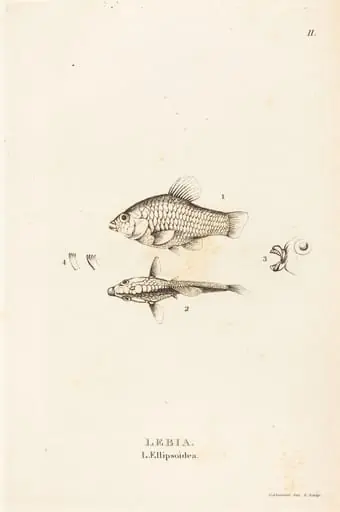 Lebia (L'Ellipsoidea)
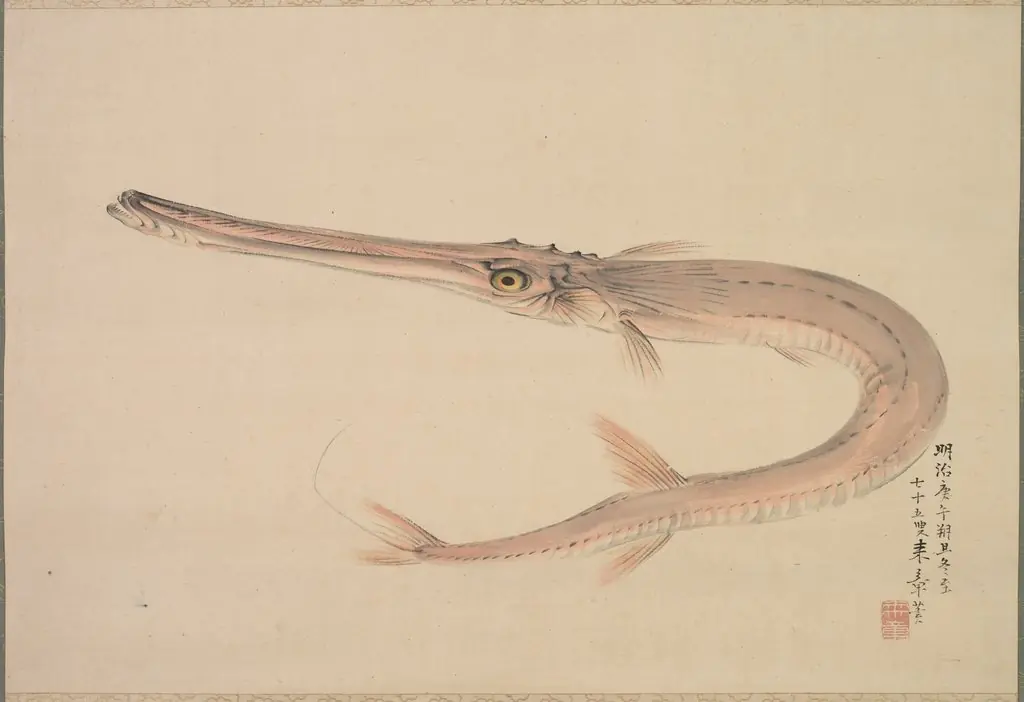 Needlefish (Yagara)
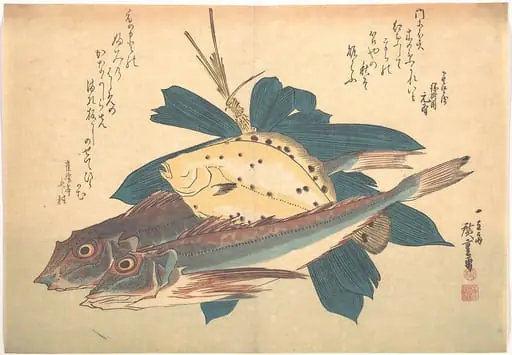 魚づくし かれい かながしらに笹|Kanagashira and Karei Fish, from the series Uozukushi (Every Variety of Fish)
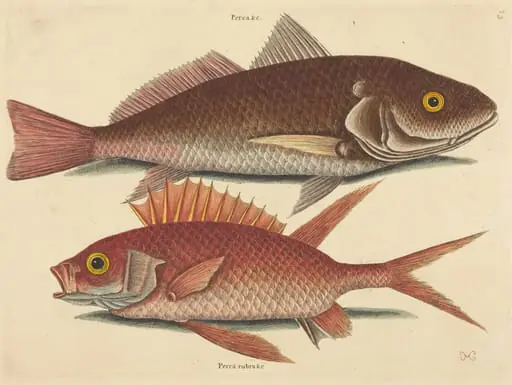 The Croker (Perca undulata)
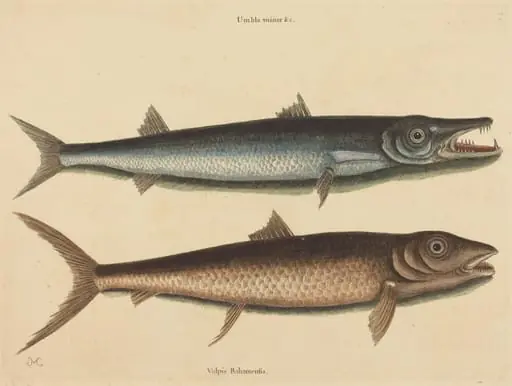 The Barracuda (Esox barracuda)
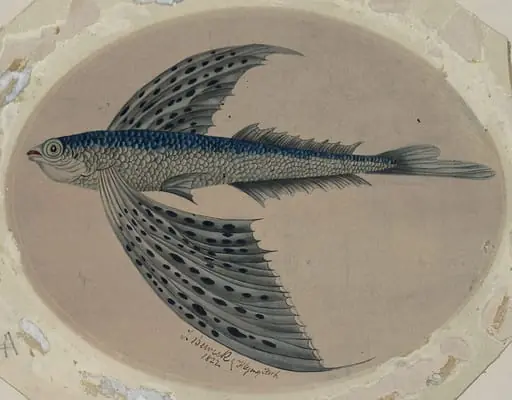 Flying fish
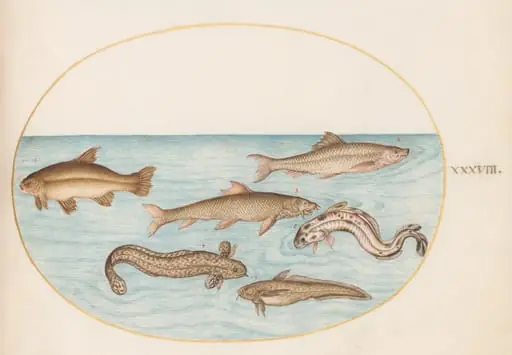 Plate 38: Burbot, Rockling, and Other Fish
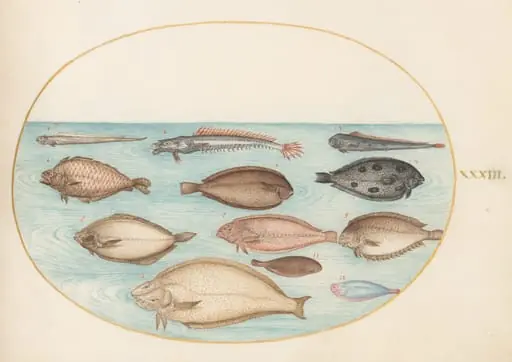 Plate 33: Sole and Other Flatfish with Bandfish(?)
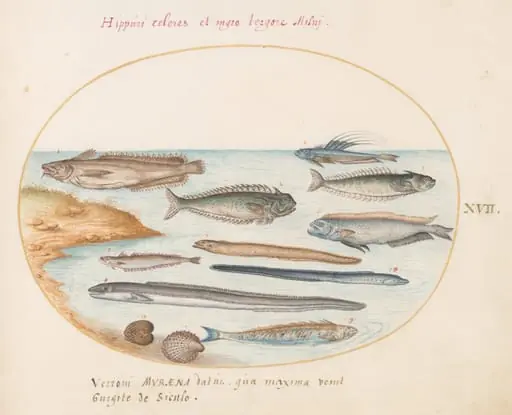 Plate 17: A Cod, Weever Fish, Eels, and Other Fish
 The Cat Fish (Silurus catus)