Artwork
Untitled
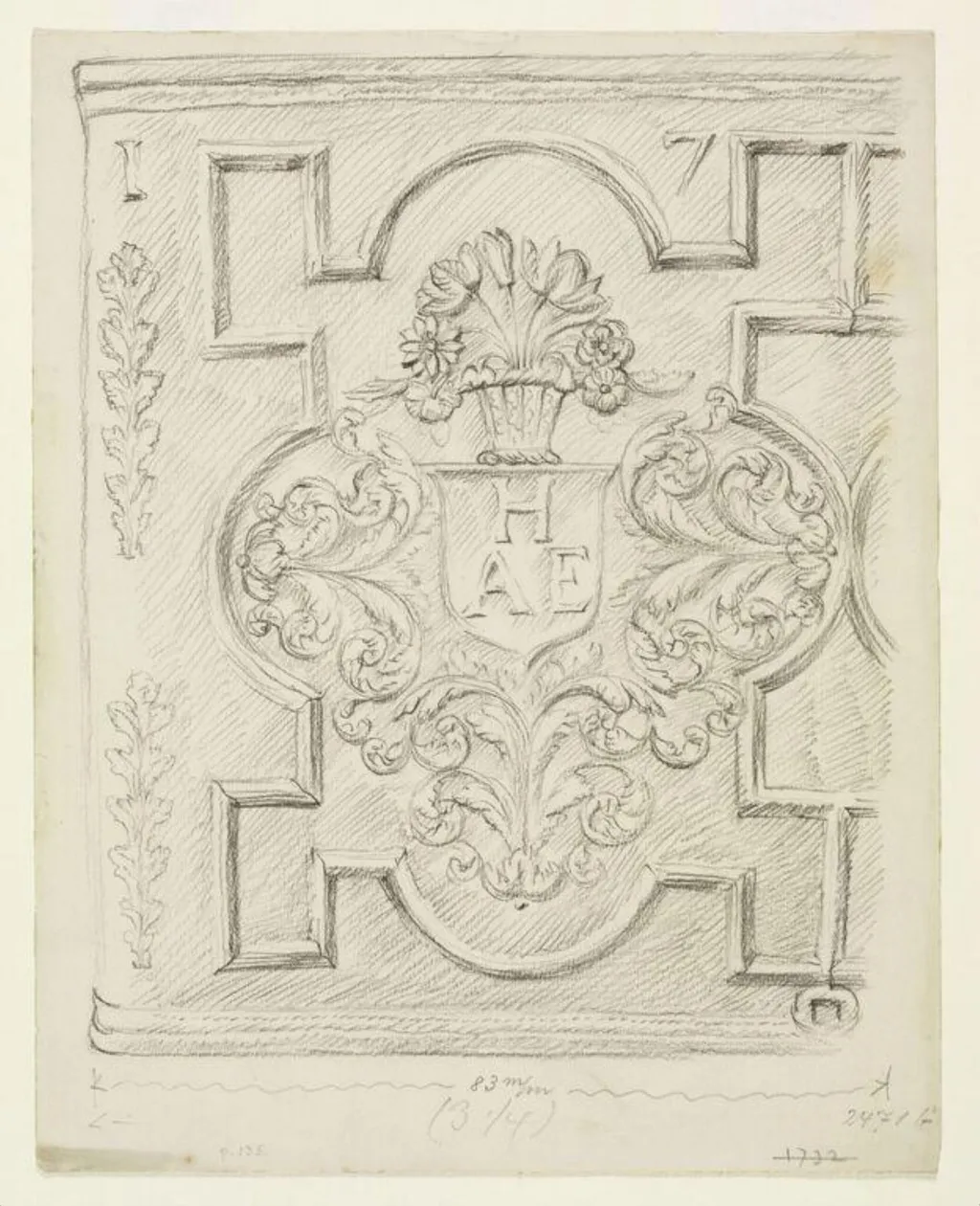
Untitled is a drawing by W. R. Lethaby. It dates from 1850 and is held in the collection of the Victoria and Albert Museum. A pencil drawing by W.
About this work
Overview
Created as a preparatory study for his 1893 book *Leadwork*, the drawing serves as a documentary record rather than a finished artwork.
A pencil drawing by W. R. Lethaby, dated 1850, records the appearance of a lead cistern from 1732. Created as a preparatory study for his 1893 book *Leadwork*, the drawing serves as a documentary record rather than a finished artwork. It was later reproduced on page 135 to illustrate architectural leadwork of the early eighteenth century. The piece is now held in the Victoria and Albert Museum’s collection of design drawings.
Subject & Meaning
The drawing depicts a lead cistern door featuring a central shield bearing the initials 'A' and 'E,' surmounted by a symbolic device and a flower pot. Flanking the shield are ornamental leaves and swirling motifs, suggesting a blend of functional storage and decorative intent. The arch above and thick, carved columns reinforce the object’s status as a crafted element within a domestic or institutional setting, reflecting the period’s attention to detail in utilitarian objects.
Technique & Style
Executed in delicate pencil lines, the drawing employs varying pressure to suggest texture and depth. Light hatching defines the carved surfaces, while heavier strokes emphasize shadows and relief. The precision of the lines captures intricate ornamentation without over-rendering, aligning with the topographical accuracy expected in architectural documentation of the time. The style prioritizes clarity and fidelity over expressive flourish.
History & Provenance
Created in 1850, the drawing was produced during Lethaby’s early career as an architectural draftsman. It was later incorporated into his 1893 publication *Leadwork*, which aimed to catalog and analyze historical leadwork in British architecture. The original cistern, now lost or unlocated, survives only through this record. The drawing entered the Victoria and Albert Museum’s collection as part of its broader archive of design studies.
Context
In mid-nineteenth-century Britain, there was a growing interest in preserving and studying historical craftsmanship. Lethaby’s drawing reflects this movement, aligning with the work of the Society for the Protection of Ancient Buildings. His focus on utilitarian leadwork—often overlooked—highlighted the aesthetic value of everyday architectural elements, contributing to a broader reevaluation of vernacular design.
Legacy
Lethaby’s drawing helped establish leadwork as a legitimate subject for architectural study. Its inclusion in *Leadwork* influenced later generations of designers and conservators interested in historical materials. Though modest in scale, the work exemplifies how detailed observation can elevate mundane objects into subjects of cultural significance, shaping the field of architectural history.
Artist & collection

Artist
William Richard Lethaby was an English architect and architectural historian whose ideas were highly influential on the late Arts and Crafts and early Modern movements in architecture, and in the fields of conservation and art education.

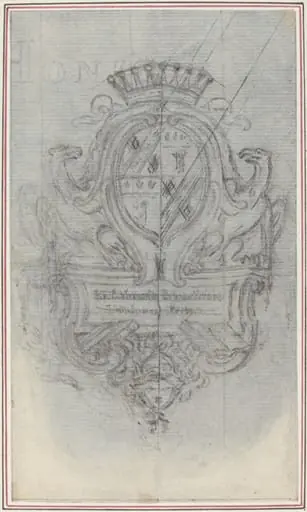 Coat of Arms with Two Eagles
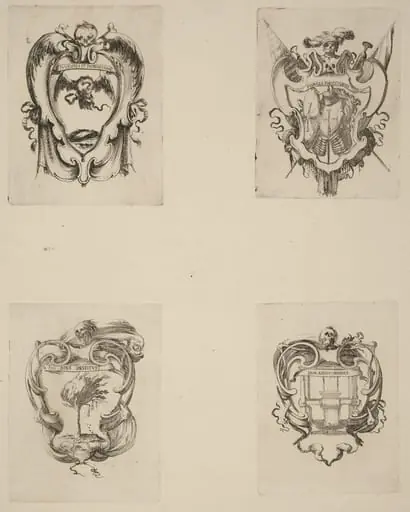 Four Emblems for the Funeral of Prince Francesco de Medici
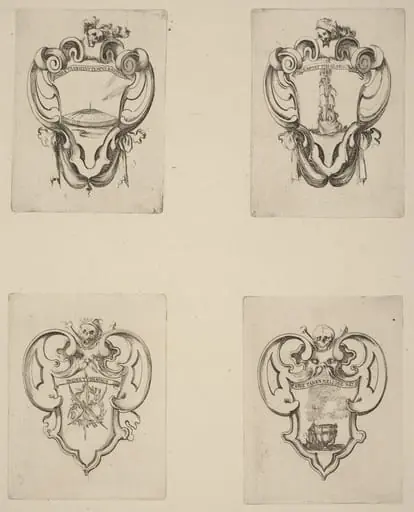 Four Emblems for the Funeral of Prince Francesco de Medici
 Ornament Panel: Four Children Playing
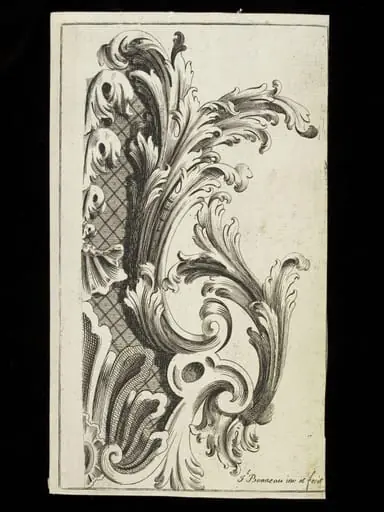 Ornament print by Jacob Bonneau
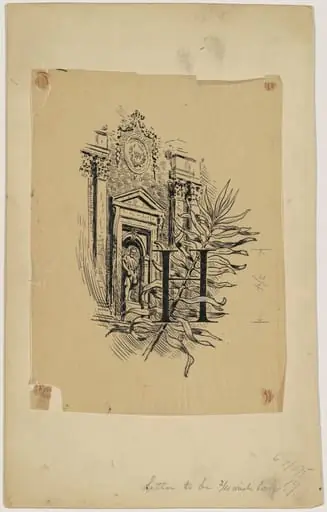 History of the Corcoran Gallery of Art
 Ornament Panel: Four Children with a Cat and a Dog
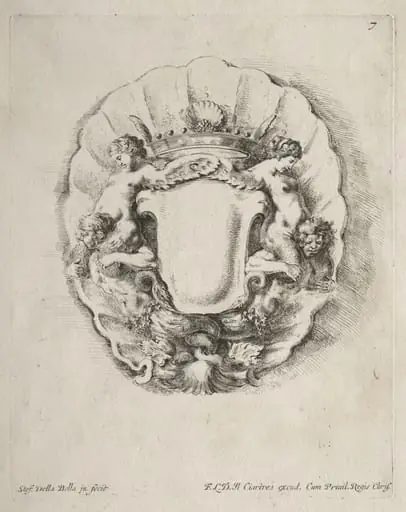 Collection of Various Caprices and New Designs of Cartouches and Ornaments: No 7
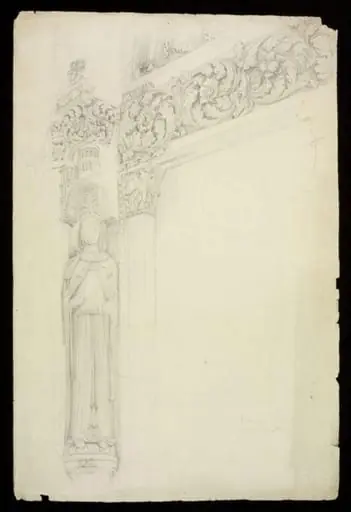
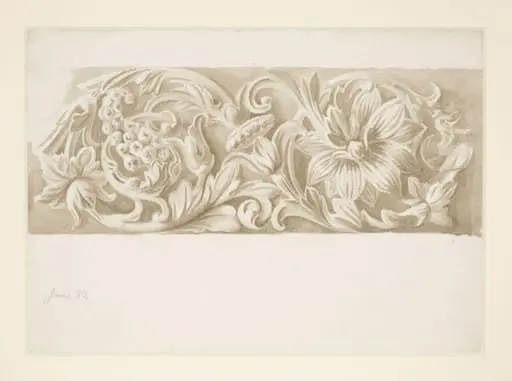 Drawing of part of a frieze
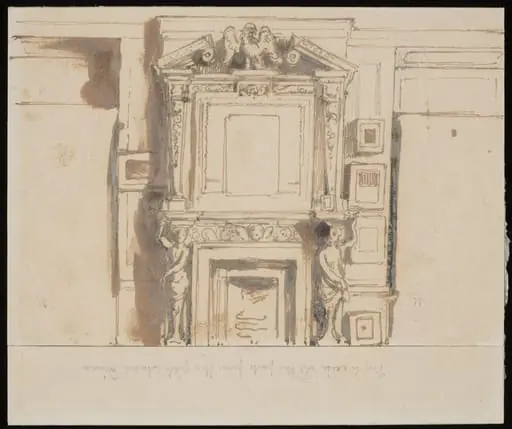 Ornamental Fireplace
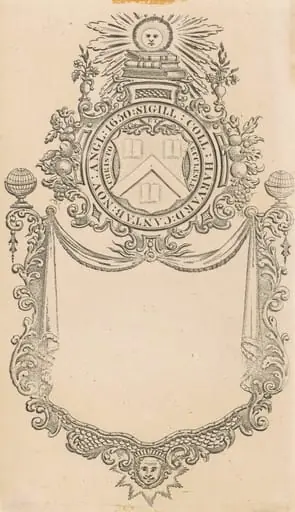 Harvard College Bookplate with the Christo et Ecclesiæ Seal
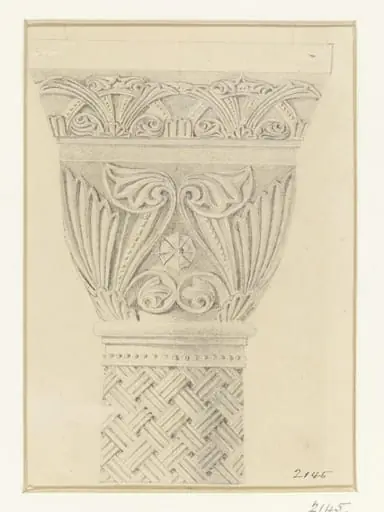 Paradigmata Graphics Variorum Artificum