Artwork
Untitled
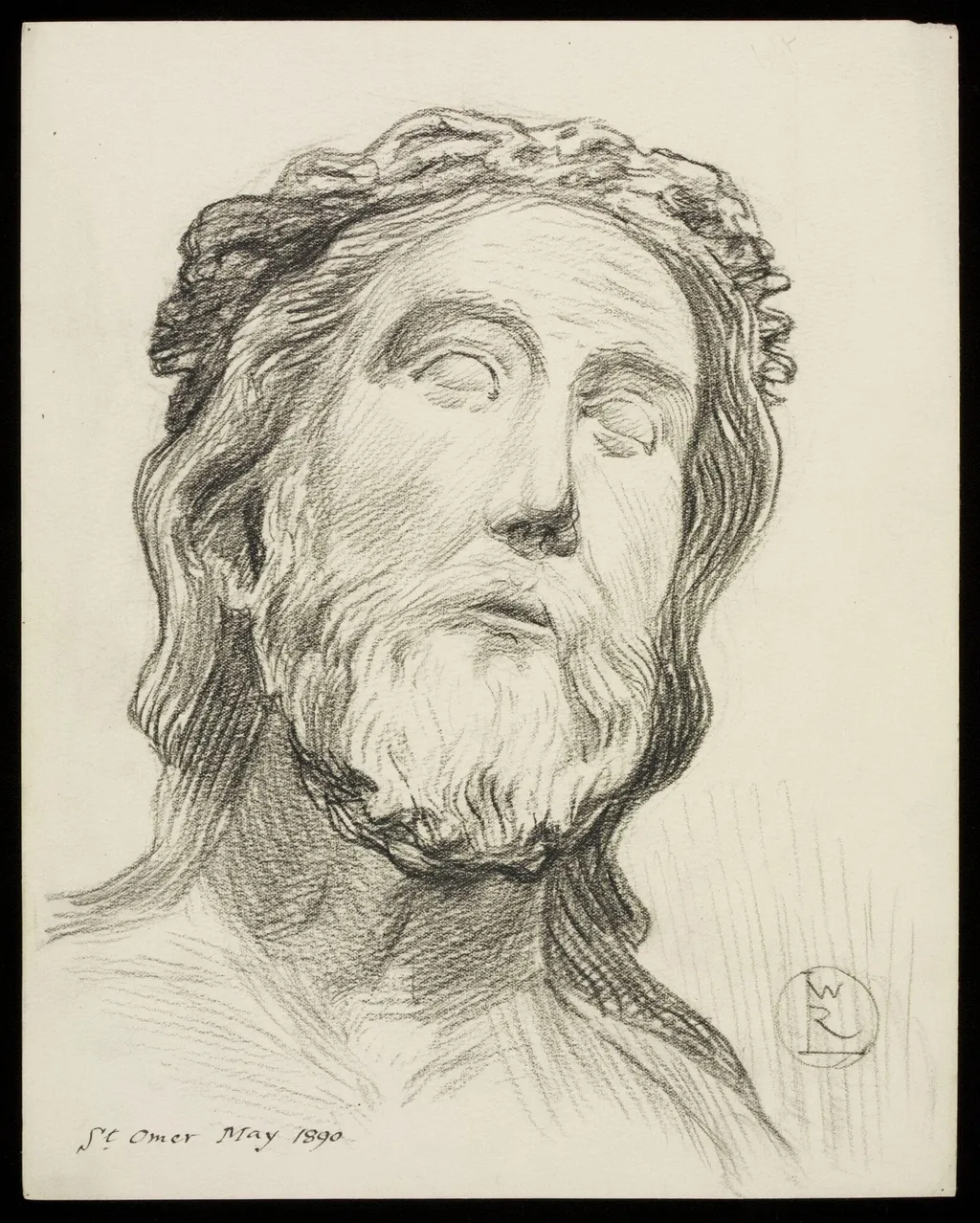
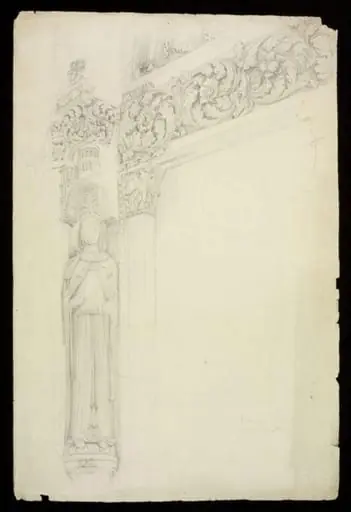
Untitled is a drawing by the Romanticist artist W. R. Lethaby. It dates from 1830 and is held in the collection of the Victoria and Albert Museum. A graphite drawing by W.
About this work
The overall style of the drawing suggests a Romantic influence, with expressive lines and a focus on capturing the subject's emotional state.
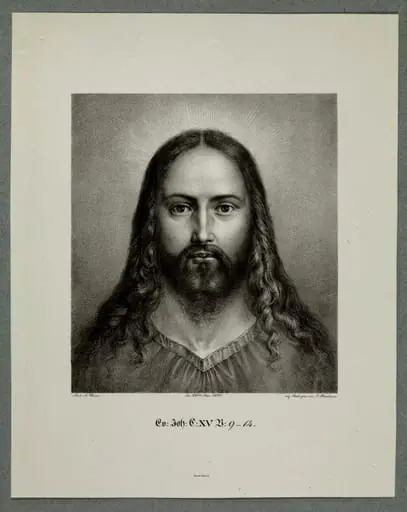
The image depicts a drawing of a man's head, rendered in a range of dark and light values. The subject's face is turned slightly to the right, with his eyes cast downward. His hair is depicted in loose, flowing locks that frame his face.
A small inscription in the bottom-left corner reads "St Omer May 1890", while a circular monogram is visible in the bottom-right corner. The overall style of the drawing suggests a Romantic influence, with expressive lines and a focus on capturing the subject's emotional state.
For more information on the artist's technique, explore the cross-hatching method.
Overview
A graphite drawing by W. R. Lethaby, dated 1830, presents a contemplative portrait of Christ wearing a crown of thorns. Rendered in tonal gradations of dark and light, the work emphasizes texture and mood over precise detail. The figure’s head is turned slightly to the right, gaze lowered, suggesting introspection. The composition is restrained, focusing attention on the facial expression and the intricate rendering of hair and thorns.
Subject & Meaning
The subject is a representation of Christ in suffering, identified by the crown of thorns and solemn demeanor. The downward gaze and quiet posture evoke humility and resignation, common themes in devotional imagery of the period. The absence of narrative context directs focus to the emotional weight of the moment, aligning with Romantic ideals that valued inner feeling over external drama.
Technique & Style
Lethaby employed cross-hatching and subtle shading to model form and depth using only black crayon. The loose, fluid strokes defining the hair contrast with the tighter, more deliberate lines of the thorns and facial contours. The technique reflects an interest in expressive line and tonal variation, characteristic of early 19th-century drawing practices influenced by Romanticism’s emphasis on emotional resonance.
History & Provenance
An inscription in the lower left reads 'St Omer May 1890,' indicating the drawing was either made or annotated at that time and location, long after its creation. A circular monogram in the lower right remains unidentified. The gap between the drawing’s date (1830) and the inscription suggests later ownership or study, though no further provenance details are documented.
Context
Created during a period of renewed interest in religious subjects within academic art, the drawing reflects broader European trends in devotional imagery. Lethaby, later known for architectural theory, was then engaged in artistic training, likely studying classical and medieval models. This work aligns with contemporary academic exercises focused on expressive portraiture and religious iconography.
Legacy
Though not widely exhibited, the drawing offers insight into Lethaby’s early artistic development before his shift toward architecture. It exemplifies the role of drawing as a tool for personal exploration and spiritual reflection in 19th-century art education. Its survival provides a rare glimpse into the formative years of a figure more recognized for his theoretical contributions than his graphic work.
Artist & collection

Artist
William Richard Lethaby was an English architect and architectural historian whose ideas were highly influential on the late Arts and Crafts and early Modern movements in architecture, and in the fields of conservation and art education.

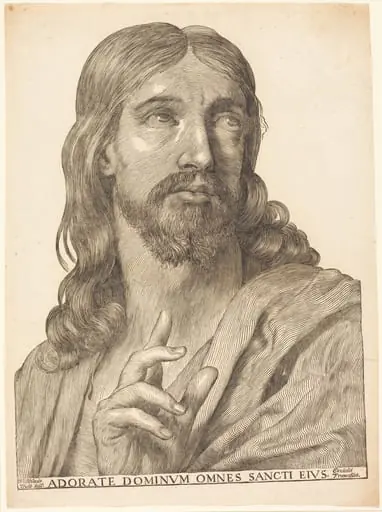 Christ in Half-Length
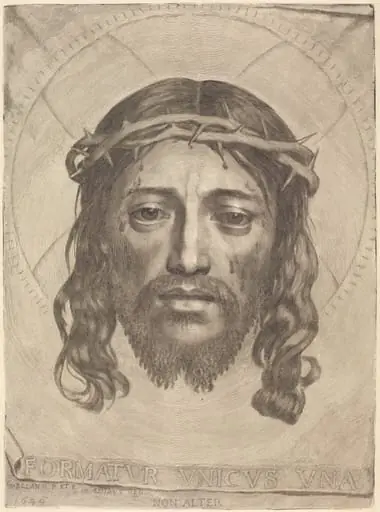 The Sudarium of Saint Veronica
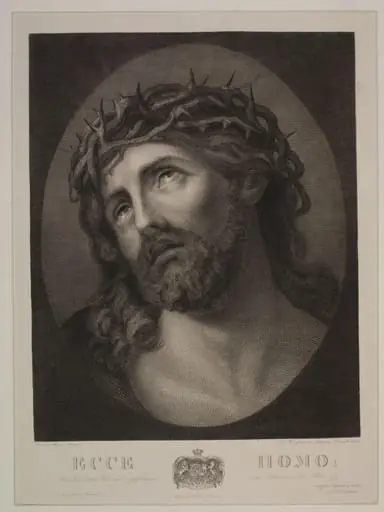 Ecce Homo
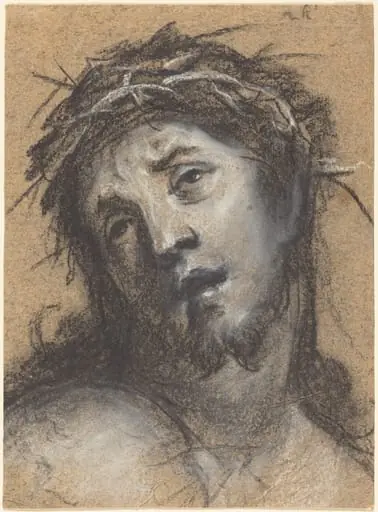 Head of Christ
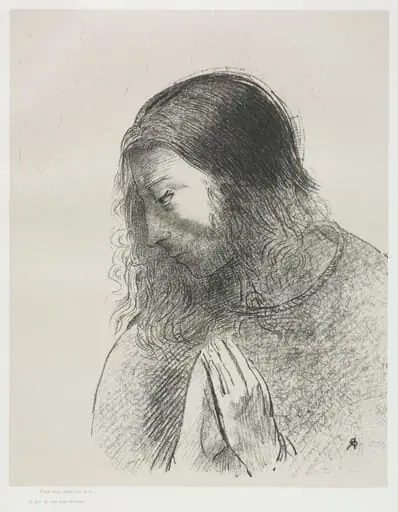 And I John Saw These Things, and Heard Them
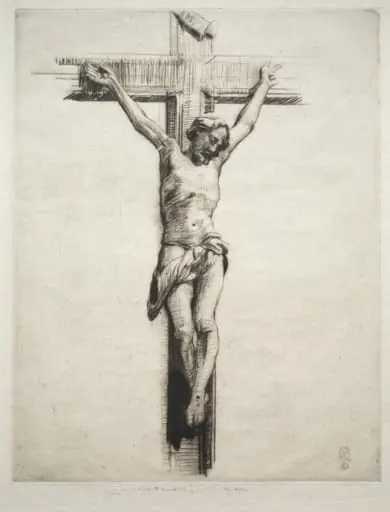 The Great Symbol
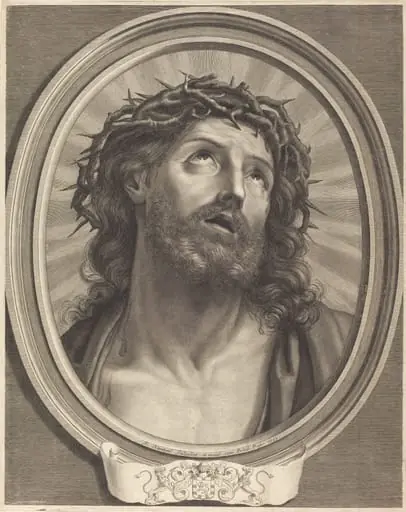 Ecce Homo
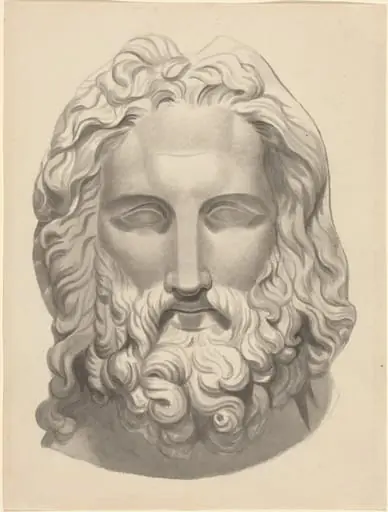 Antique Bearded Head
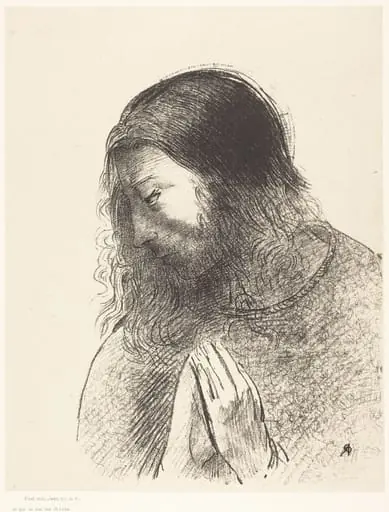 C'est moi, Jean, qui ai vu et qui ai oie ces choses (And I John saw these things and heard them
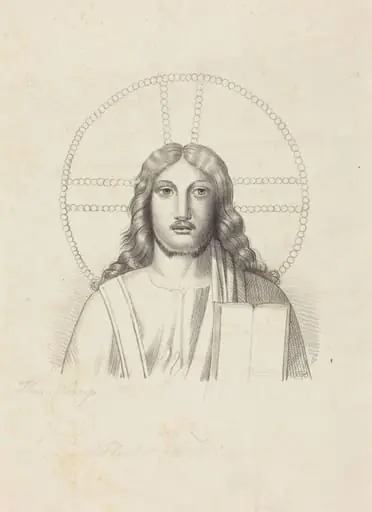 Head of Our Savior, from Arringhi's "Roma Subterranea"
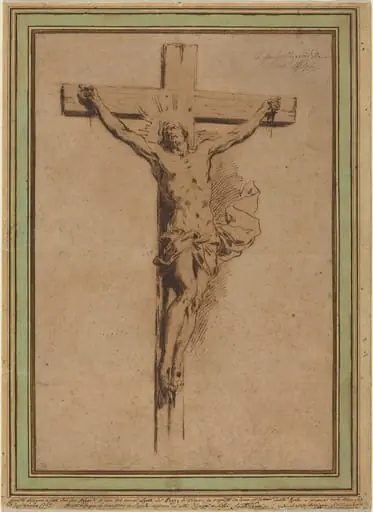 Christ on the Cross
 Das Bildnis Christi