Artwork
Francois de Bourbon, First Prince of Conti, son of Louis I
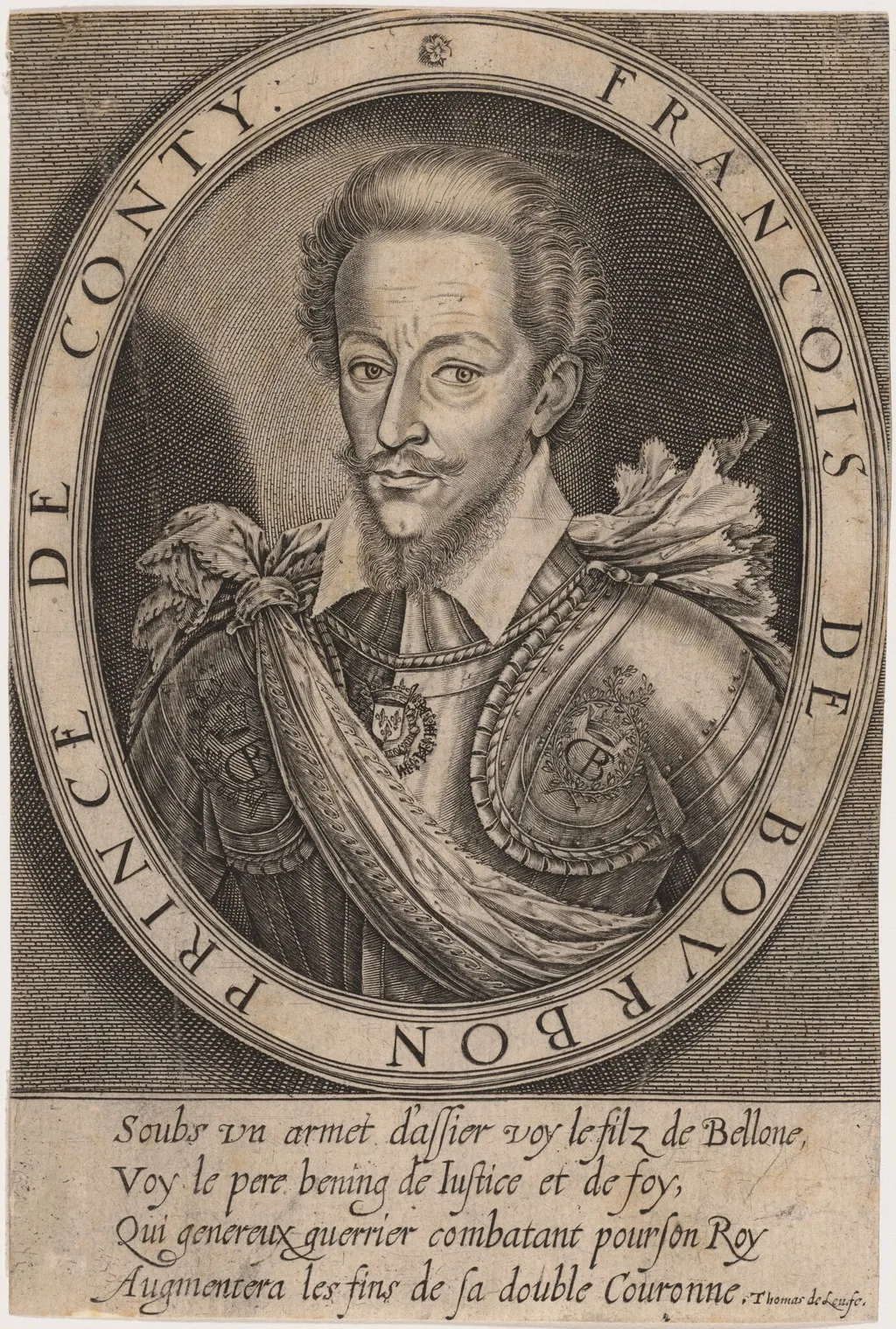
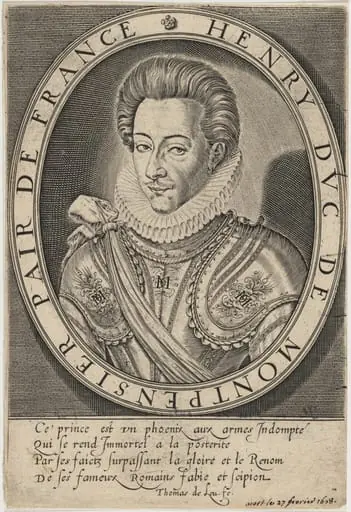
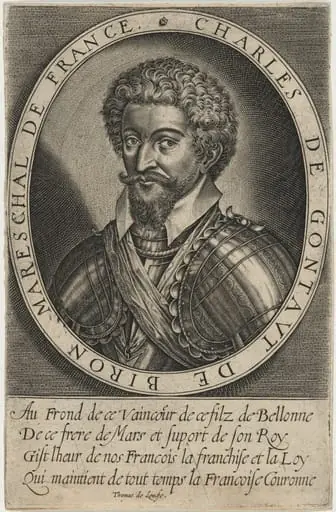
Francois de Bourbon, First Prince of Conti, son of Louis I is an ink print by the Renaissance artist Thomas de Leu. It dates from 1590 and is held in the collection of the National Gallery of Art.
About this work
Overview
It was intended for circulation among elite audiences, reinforcing the subject’s status through visual convention rather than original composition.
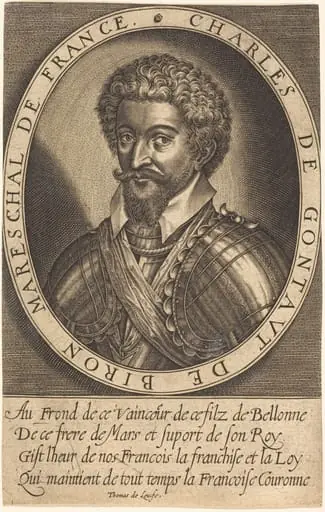
This black-and-white engraving, produced in 1590 by Thomas de Leu, portrays François de Bourbon, the first Prince of Conti. De Leu, a Flemish-born artist active in Paris, specialized in reproductive prints that disseminated images of nobility. The work is a formal portrait, rendered with fine linear detail typical of late Renaissance printmaking. It was intended for circulation among elite audiences, reinforcing the subject’s status through visual convention rather than original composition.
Subject & Meaning
François de Bourbon is depicted as a noble warrior, clad in armor over a richly detailed collar and wearing a feathered cap. His stern expression and thick beard convey authority and martial virtue. Inscriptions surrounding the image honor him as a soldier, aligning his image with ideals of chivalric leadership. The portrait does not depict a specific event but rather constructs an enduring identity suited to his rank and the political culture of the French nobility during the Wars of Religion.
Technique & Style
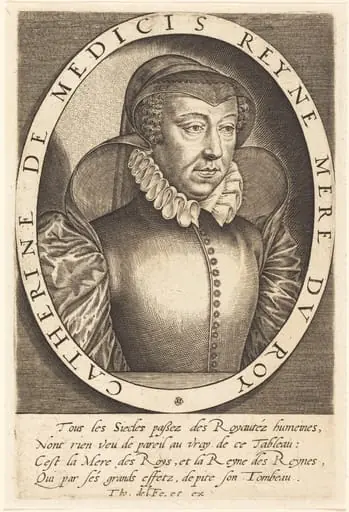
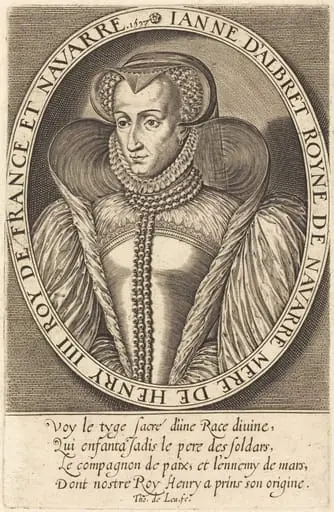
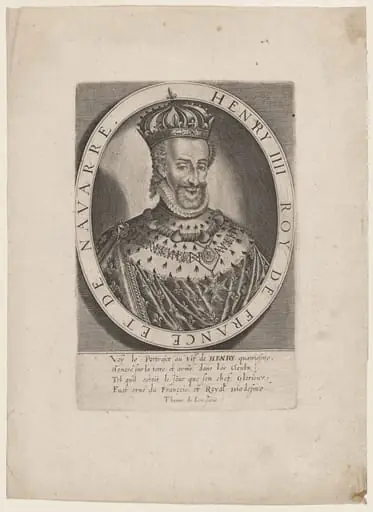
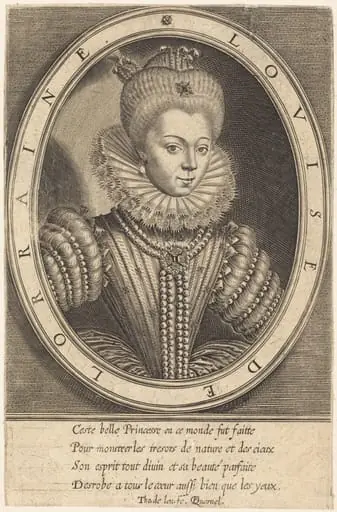
De Leu employed fine, controlled lines to render texture in fabric, metal, and facial features, characteristic of reproductive engraving. The composition is contained within a rounded frame, a common format for portrait prints of the period. Shading is achieved through cross-hatching, not tonal gradation, emphasizing clarity over realism. The artist’s signature, minimally placed, reflects the modest role of the engraver as interpreter rather than originator of the image.
History & Provenance
Created in 1590, the engraving emerged during a time of religious and political instability in France. As a print dealer, de Leu produced multiple copies for distribution among courtiers and collectors. The portrait likely served to affirm François’s legitimacy and prestige amid dynastic tensions. No early ownership records are documented, but its survival in institutional collections suggests it was preserved as a representative example of late 16th-century French noble portraiture.
Context
In late Renaissance France, engraved portraits were vital tools for projecting aristocratic identity beyond the court. Artists like de Leu translated painted likenesses into reproducible formats, enabling wider dissemination. This print aligns with broader trends in Northern European print culture, where precision and symbolic detail were prioritized. The emphasis on armor and inscribed praise reflects the era’s fusion of military valor and noble lineage as central to elite self-representation.
Legacy
Though not an original composition, the engraving exemplifies the role of reproductive printmaking in shaping public perceptions of nobility. De Leu’s work contributed to a visual language of power that endured into the early 17th century. The portrait remains a reference point for understanding how print technology extended the reach of aristocratic imagery, influencing later generations of portrait engravers and the visual culture of French elite identity.
Artist & collection
Artist
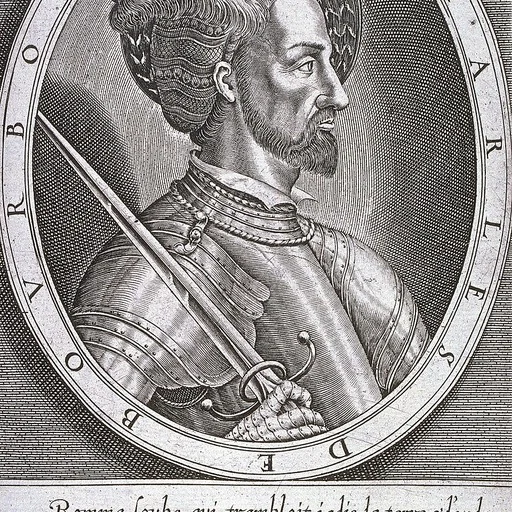
Thomas de Leu or Leeuw or Le Leup or Deleu (1560–1612) was a French engraver, publisher, and print dealer of Flemish origin.