Artwork
Henry IIII, Roy de France
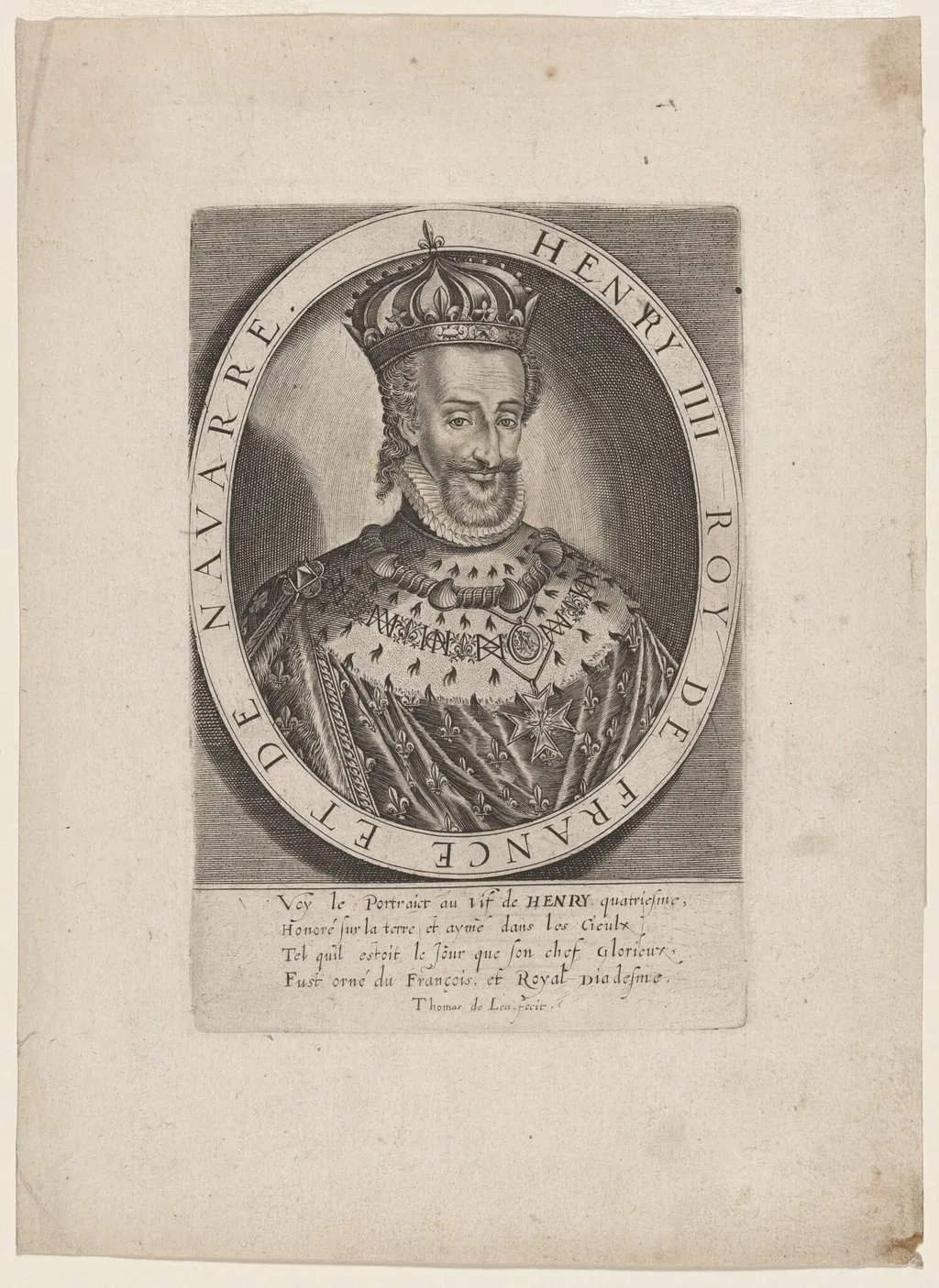
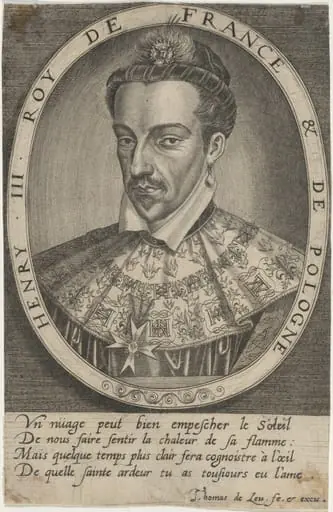
Henry IIII, Roy de France is an ink print by the Renaissance artist Thomas de Leu. It dates from 1590 and is held in the collection of the National Gallery of Art.
About this work
Overview
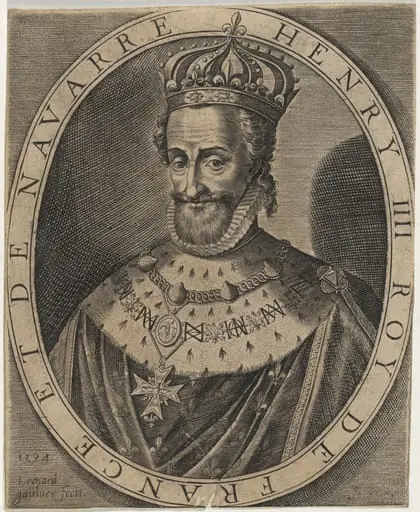
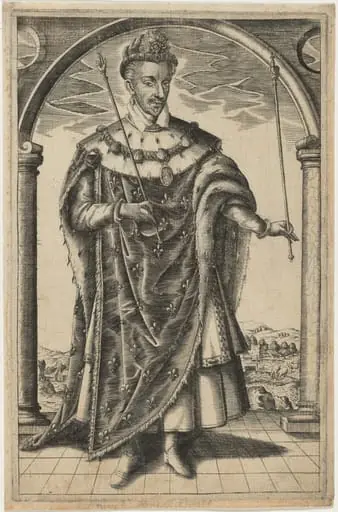
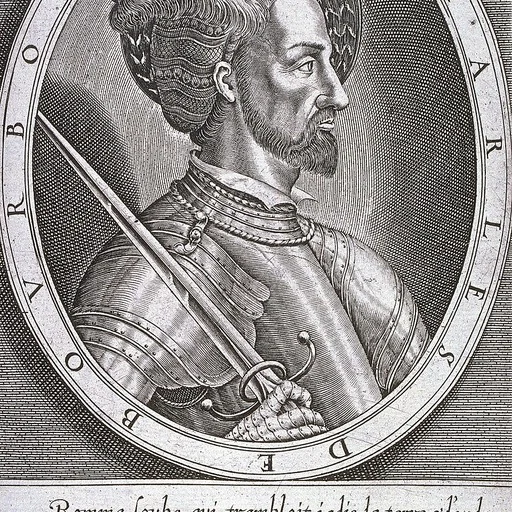
Henry IIII, Roy de France is an engraving on laid paper created by Thomas de Leu in 1590. It is a formal portrait of Henry IV of France, presented in a circular frame with ornate details and text.
Subject & Meaning
The engraving depicts Henry IV, king of France, in a regal pose with a serious expression, wearing a crown and ornate clothing. The text within the circular frame identifies him as 'Henry IIII, Roy de France', confirming his royal status.
Technique & Style
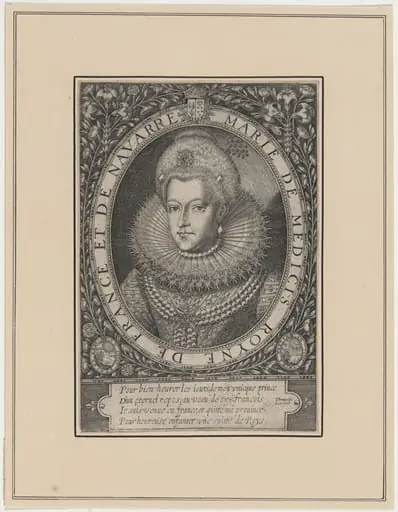
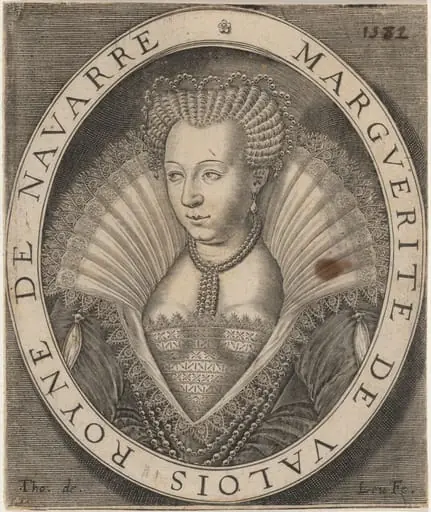
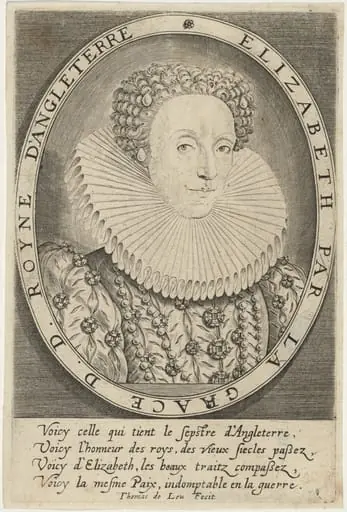
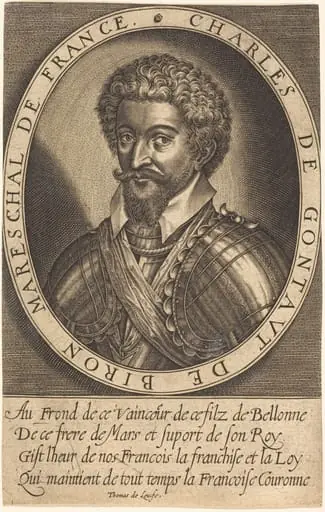
The engraving is characterized by a detailed, cross-hatched style with intricate lines and shading, creating a subtle gradient-like texture in the background. The level of detail and craftsmanship is notable, with fine lines and delicate shading that convey the subject's likeness.
History & Provenance
Thomas de Leu, a Flemish-born French engraver, publisher, and print dealer, created this work in 1590. De Leu was known for his contributions to the visual culture of late 16th-century France through his work in printmaking and publishing.
Artist & collection
Artist
Thomas de Leu or Leeuw or Le Leup or Deleu (1560–1612) was a French engraver, publisher, and print dealer of Flemish origin.