Artwork
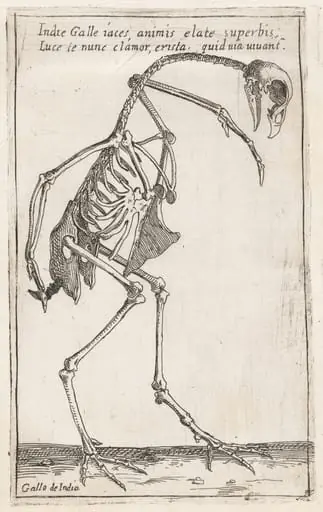
Skeleton of a Starling
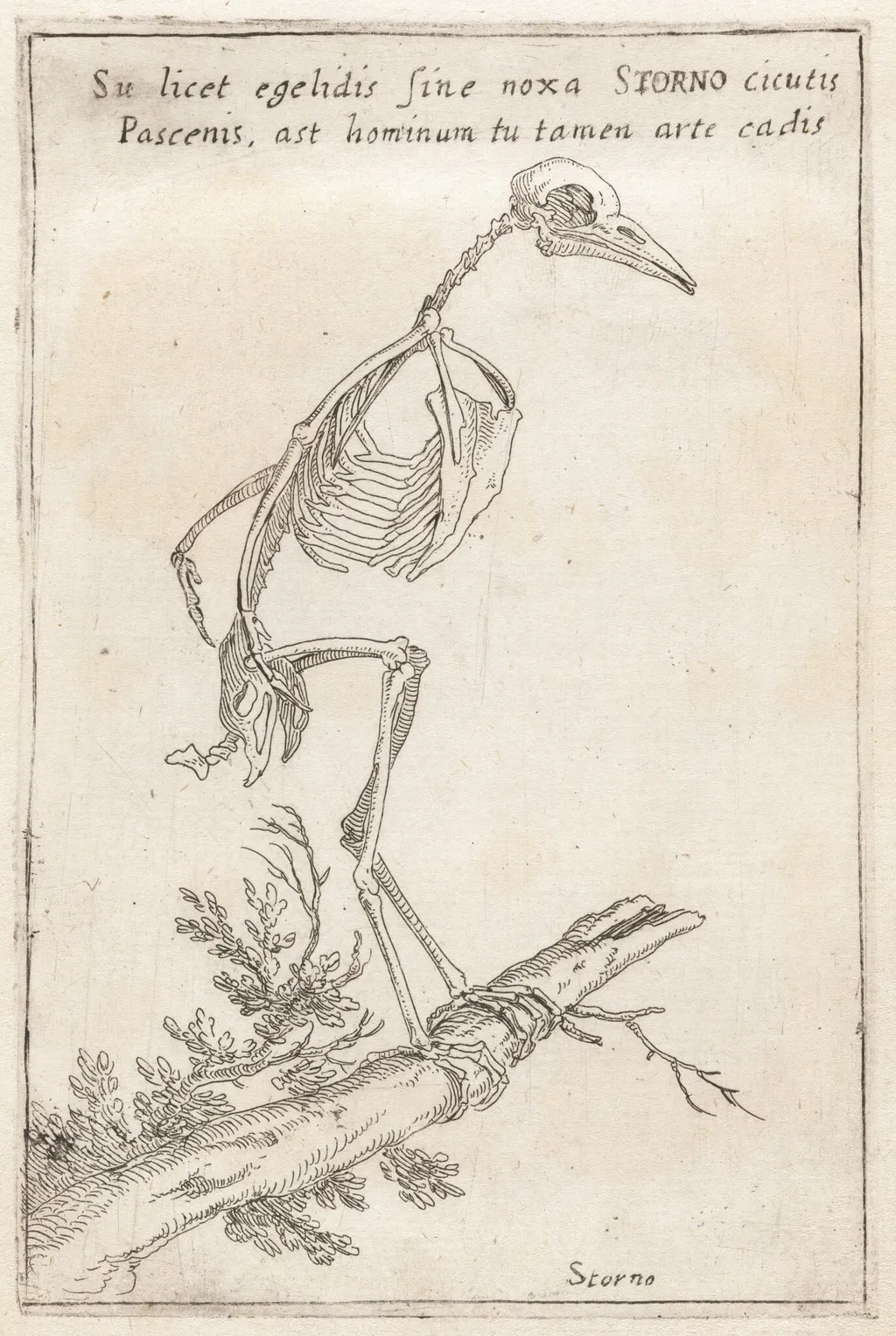
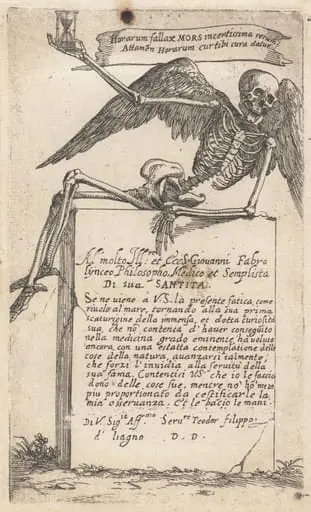
Skeleton of a Starling is an ink print by the Baroque artist Teodoro Filippo di Liagno. It dates from 1620 and is held in the collection of the National Gallery of Art.
About this work
Overview
Teodoro Filippo di Liagno's etching, Skeleton of a Starling (1620), is a precise rendering of a bird skeleton on a branch, executed on laid paper. The work is part of the National Gallery of Art's collection in Washington.
Subject & Meaning
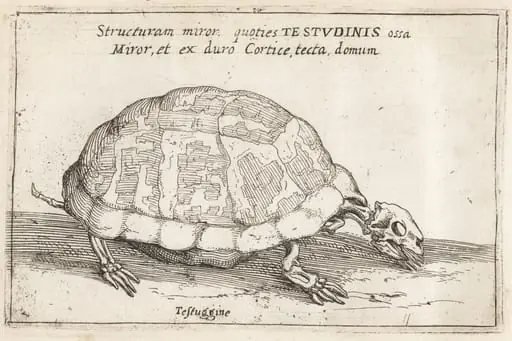
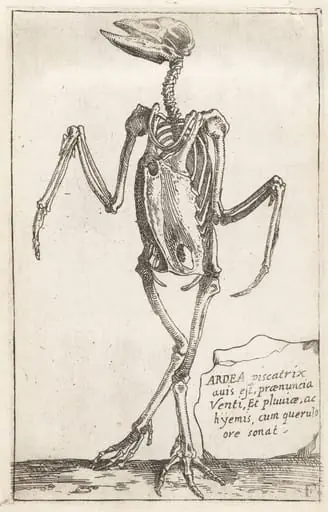
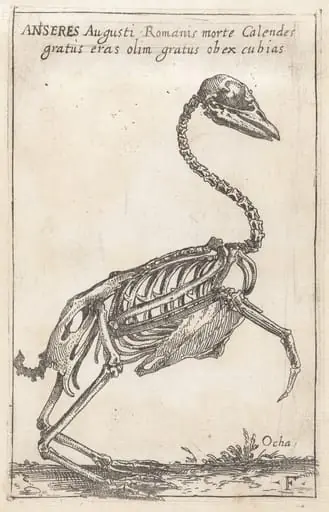
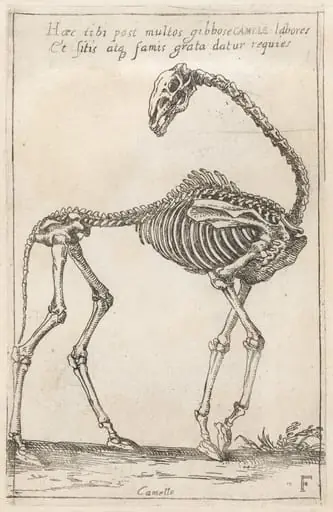
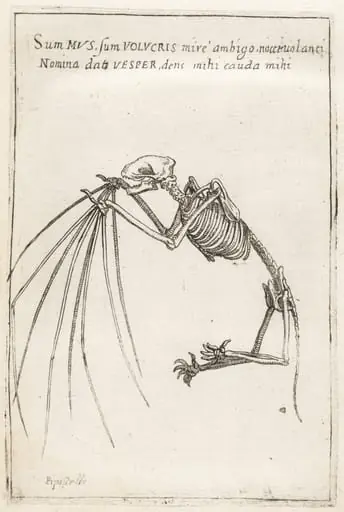
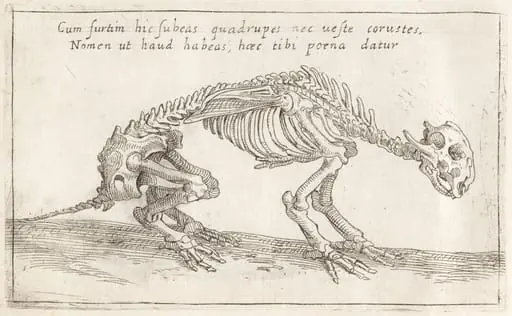
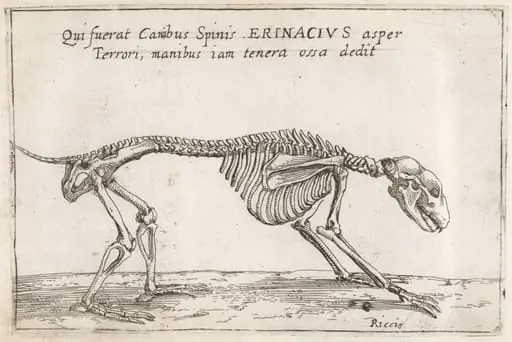
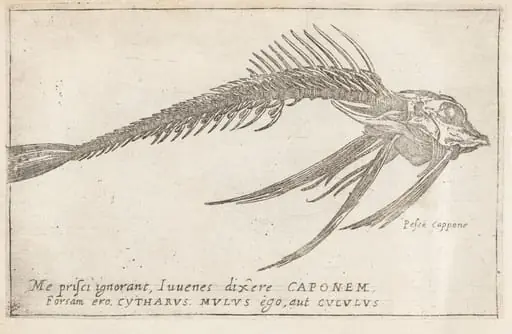
The etching focuses on the skeletal structure of a starling, omitting feathers and soft tissues to emphasize anatomical detail. This approach reflects a scientific interest in natural history, characteristic of early modern European art and scholarship.
Technique & Style
The etching features fine lines that meticulously define the bird's bones, wings, and head position. A simple border frames the scene, while a few leaves on the branch add subtle contextual detail. The overall style prioritizes clarity and precision over expressive flourish.
History & Provenance
Created in 1620, Skeleton of a Starling is now held in the permanent collection of the National Gallery of Art in Washington, D.C. Specifics of its provenance prior to its acquisition by the gallery are not detailed here.
Context
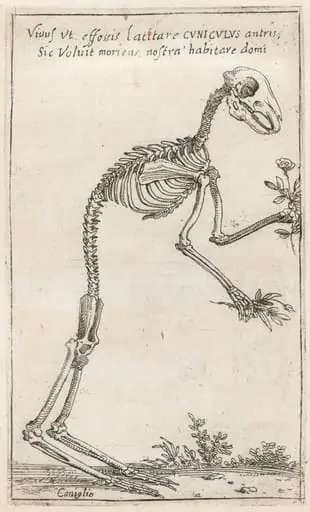
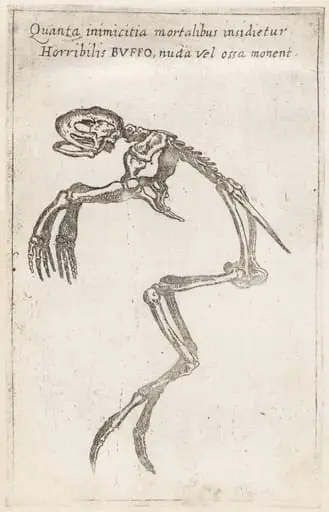
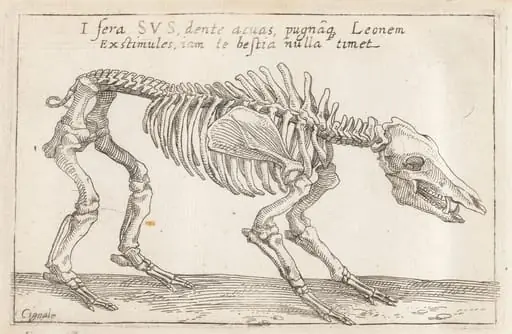
This work aligns with the 17th-century European tradition of detailed natural history illustrations, which often used etching for its capacity to produce finely detailed, reproducible images. Artists and scientists alike employed such techniques for study and dissemination of knowledge.
Legacy
While specific influences or direct artistic descendants of Skeleton of a Starling are not highlighted, the piece contributes to the broader legacy of scientifically informed art in the Baroque period, reflecting the era's intersection of artistic and natural historical inquiry.
Artist & collection