Artwork
Chapel of the Blessed John of La Verna (Cappella del beato Giovanni della Verna) [plate S]
![Chapel of the Blessed John of La Verna (Cappella del beato Giovanni della Verna) [plate S], by Jacopo Ligozzi, ink, 1612](https://artifactworldgallery.com/img/jacopo-ligozzi--chapel-of-the-blessed-john-of-la-verna-cappella-del-beato-gi--bfb093909feaa17f-w1024.webp)
Chapel of the Blessed John of La Verna (Cappella del beato Giovanni della Verna) [plate S] is an ink print by the Baroque artist Jacopo Ligozzi. It dates from 1612 and is held in the collection of the National Gallery of Art.
About this work
Overview
Rendered with meticulous line work, the composition blends architectural precision with natural surroundings, emphasizing quiet reverence.
Created in 1612 by Jacopo Ligozzi, this engraving captures the interior of a small chapel dedicated to the Blessed John of La Verna. Rendered with meticulous line work, the composition blends architectural precision with natural surroundings, emphasizing quiet reverence. The medium allows for fine detail, particularly in the stonework and foliage, reflecting Ligozzi’s skill as a draftsman trained in both painting and printmaking.
Subject & Meaning
The chapel, nestled within a wooded landscape, honors John of La Verna, a Franciscan friar known for his ascetic life and devotion. A carved cross on the tree trunk and the two figures—kneeling and standing in silent prayer—suggest personal meditation and spiritual connection. The scene avoids grandeur, instead focusing on intimacy, aligning with Franciscan ideals of humility and solitude.
Technique & Style
Ligozzi employed fine cross-hatching and delicate linework to model form and texture, giving depth to the stone walls, tree bark, and foliage. The engraving’s tonal gradations are achieved through controlled ink density rather than wash, characteristic of Northern Italian printmaking traditions. Architectural elements are rendered with geometric clarity, while the surrounding nature remains softly articulated, balancing structure with serenity.
History & Provenance
The print was produced during Ligozzi’s tenure at the Medici court in Florence, where he documented religious sites and devotional objects. This engraving likely served as a devotional aid or a record of a pilgrimage destination. Its survival in multiple collections suggests it was circulated among religious communities and collectors interested in Franciscan spirituality and topographical accuracy.
Context
In early 17th-century Tuscany, engravings of sacred sites were used to reinforce piety and spread awareness of holy locations. La Verna, where St. Francis received the stigmata, was a major pilgrimage site. Ligozzi’s depiction, though not a literal survey, reflects contemporary efforts to visually preserve and sanctify such places through art, merging topography with spiritual symbolism.
Legacy
Ligozzi’s engraving contributes to a broader tradition of religious topographical prints in Renaissance Italy. While not widely reproduced, it remains a refined example of how printmaking could convey contemplative space with technical precision. Its quiet composition influenced later depictions of sacred landscapes, particularly in Franciscan devotional imagery.
Artist & collection
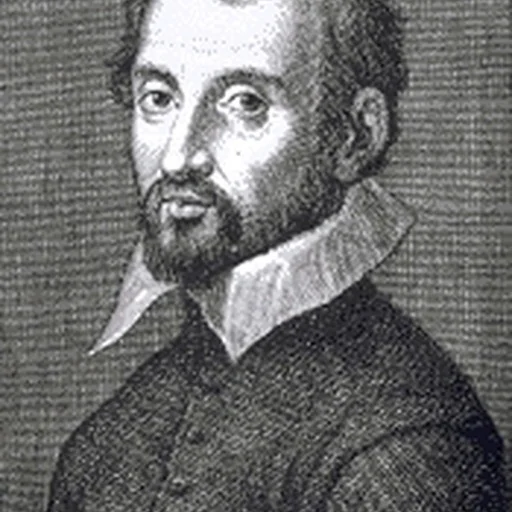
Artist
Jacopo Ligozzi (1547–1627) was an Italian painter, illustrator, designer, and miniaturist. His art can be categorized as late-Renaissance and Mannerist styles.


![Chapel of Saint Sebastian (Cappella di San Sebastiano) [plate N], by Jacopo Ligozzi](https://artifactworldgallery.com/img/jacopo-ligozzi--chapel-of-saint-sebastian-cappella-di-san-sebastiano-plate-n--144b97ba4a91d67b-w320.webp)
![Church of the Stigmata (Chiesa delle Stimmate) [plate M], by Jacopo Ligozzi](https://artifactworldgallery.com/img/jacopo-ligozzi--church-of-the-stigmata-chiesa-delle-stimmate-plate-m--255dd75981bd30e3-w320.webp)
![Monastic Cell of the Blessed John of La Verna (Cella del beato Giovanni della Verna) [plate T], by Jacopo Ligozzi](https://artifactworldgallery.com/img/jacopo-ligozzi--monastic-cell-of-the-blessed-john-of-la-verna-cella-del-beat--48a891500a09aa6b-w320.webp) Monastic Cell of the Blessed John of La Verna (Cella del beato Giovanni della Verna) [plate T]
Monastic Cell of the Blessed John of La Verna (Cella del beato Giovanni della Verna) [plate T]![Exterior View of the Chapel of the Cardinal (Veduta esterna della cappella del cardinale) [plate G], by Jacopo Ligozzi](https://artifactworldgallery.com/img/jacopo-ligozzi--exterior-view-of-the-chapel-of-the-cardinal-veduta-esterna-d--b3f5ad482f238a22-w320.webp) Exterior View of the Chapel of the Cardinal (Veduta esterna della cappella del cardinale) [plate G]
Exterior View of the Chapel of the Cardinal (Veduta esterna della cappella del cardinale) [plate G]![Chapel of the Spring in the Beech Tree (Cappella del faggio dell'acqua) [plate Q], by Jacopo Ligozzi](https://artifactworldgallery.com/img/jacopo-ligozzi--chapel-of-the-spring-in-the-beech-tree-cappella-del-faggio-d--ff27648fdbf66a4c-w320.webp) Chapel of the Spring in the Beech Tree (Cappella del faggio dell'acqua) [plate Q]
Chapel of the Spring in the Beech Tree (Cappella del faggio dell'acqua) [plate Q]![Stigmata of Saint Francis (Stimmate di San Francesco) [plate Y], by Jacopo Ligozzi](https://artifactworldgallery.com/img/jacopo-ligozzi--stigmata-of-saint-francis-stimmate-di-san-francesco-plate-y--f795ef3d3b310044-w320.webp) Stigmata of Saint Francis (Stimmate di San Francesco) [plate Y]
Stigmata of Saint Francis (Stimmate di San Francesco) [plate Y]![Spring of Saint Francis (Fonte di San Francesco) [plate B], by Jacopo Ligozzi](https://artifactworldgallery.com/img/jacopo-ligozzi--spring-of-saint-francis-fonte-di-san-francesco-plate-b--f2335e46ea738f45-w320.webp) Spring of Saint Francis (Fonte di San Francesco) [plate B]
Spring of Saint Francis (Fonte di San Francesco) [plate B]![The Temptation of Saint Francis (Tentazione di San Francesco) [plate O], by Jacopo Ligozzi](https://artifactworldgallery.com/img/jacopo-ligozzi--the-temptation-of-saint-francis-tentazione-di-san-francesco--8a51c5ee5acc8aef-w320.webp) The Temptation of Saint Francis (Tentazione di San Francesco) [plate O]
The Temptation of Saint Francis (Tentazione di San Francesco) [plate O]![The Site of the Bed and Oratory of Saint Francis (Luogo del 'letto' e dell'oratorio di San Francesco) [plate R], by Jacopo Ligozzi](https://artifactworldgallery.com/img/jacopo-ligozzi--the-site-of-the-bed-and-oratory-of-saint-francis-luogo-del-l--d2d91b10bc78c845-w320.webp) The Site of the Bed and Oratory of Saint Francis (Luogo del 'letto' e dell'oratorio di San Francesco) [plate R]
The Site of the Bed and Oratory of Saint Francis (Luogo del 'letto' e dell'oratorio di San Francesco) [plate R]