Artwork
Art of the Lithograph: Head of an Amazon, Plate XIV
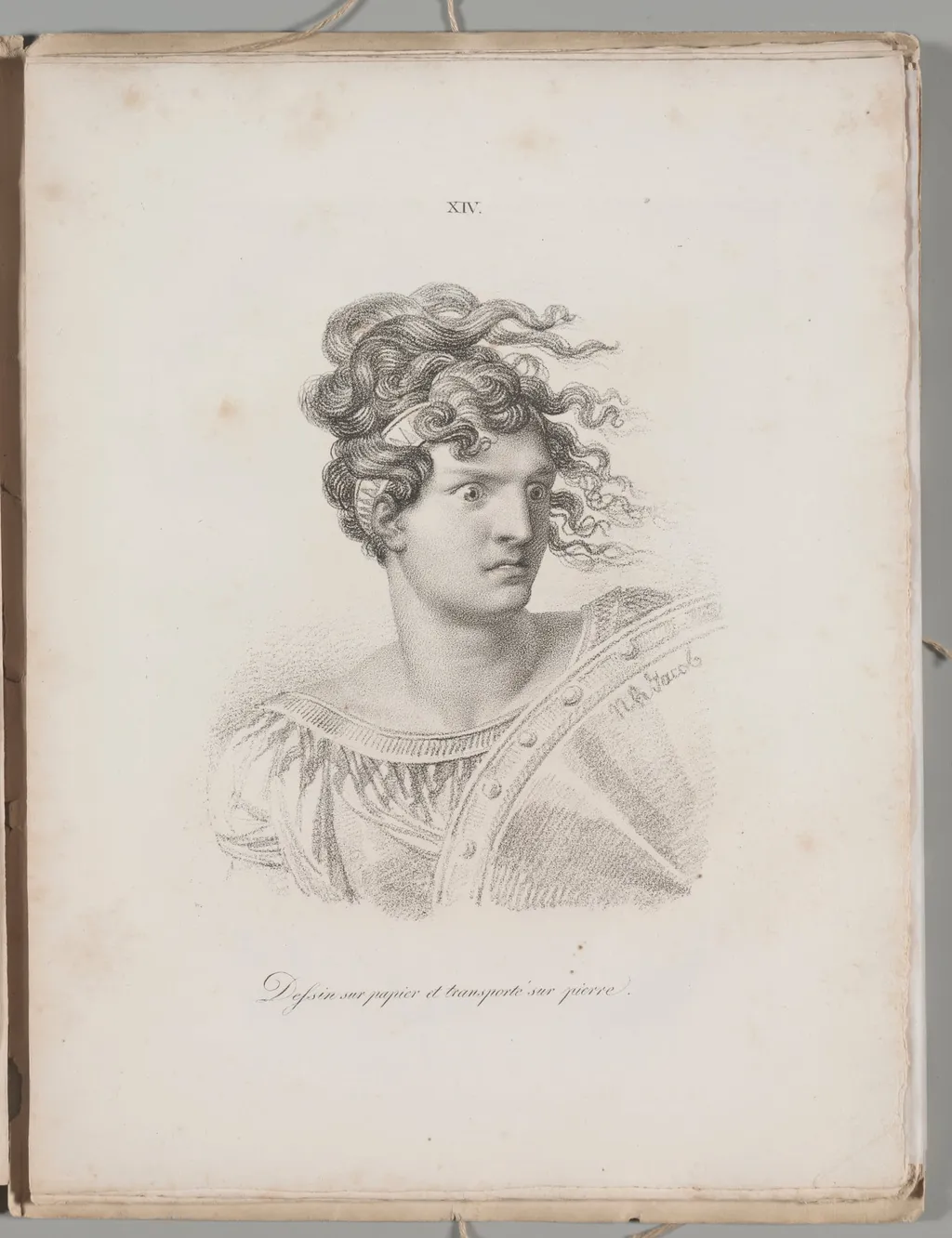
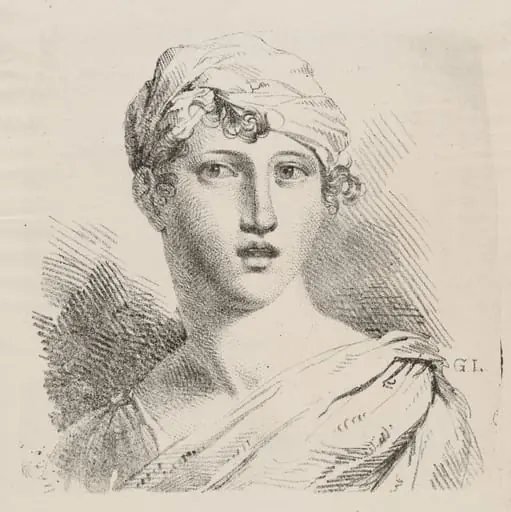
Art of the Lithograph: Head of an Amazon, Plate XIV is a work on paper by the Romanticist artist Alois Senefelder. It dates from 1819 and is held in the collection of the Cleveland Museum of Art.
About this work
Overview
Produced by drawing directly on limestone and printed on paper, it exemplifies the medium’s capacity for fine detail and expressive line work.
Created in 1819 by Alois Senefelder, this lithographic plate is part of a portfolio titled Art of the Lithograph. It represents one of the earliest practical applications of the printing technique Senefelder invented. The image, rendered in monochrome, depicts a female figure with attention to subtle tonal gradations. Produced by drawing directly on limestone and printed on paper, it exemplifies the medium’s capacity for fine detail and expressive line work.
Subject & Meaning
The figure is a stylized representation of an Amazon, a mythological warrior woman often invoked in 19th-century art to symbolize strength and exoticism. Her turned head and composed expression convey dignity rather than aggression. The high-necked garment and elaborately curled hair reflect contemporary ideals of feminine refinement, blending classical allusion with Romantic-era sensibilities. The focus on facial expression suggests an interest in inner character over narrative action.
Technique & Style
Senefelder employed lithography by drawing the image with greasy crayon on a smooth limestone surface, then chemically treating the stone to fix the design. Ink adhered only to the drawn areas, allowing precise reproduction. The soft, blended shading and delicate line work reveal his mastery of tonal control. Unlike engraving, the process preserved the spontaneity of hand-drawn marks, giving the portrait a tactile, intimate quality.
History & Provenance
This plate was produced as part of Senefelder’s instructional portfolio to demonstrate the potential of lithography to artists and printers. It was not intended as a commercial print but as a pedagogical tool. The work entered The Cleveland Museum of Art’s collection through documented acquisitions in the 20th century, where it remains among the earliest examples of lithographic art in their holdings.
Context
In 1819, lithography was still a novel technique, primarily used for music sheets and maps. Senefelder sought to elevate it as an artistic medium, countering perceptions of it as merely mechanical. His portfolio targeted artists who distrusted new technologies, showing that lithography could rival etching and engraving in nuance. The Amazon subject reflects broader European fascination with mythic female figures during the Romantic period.
Legacy
Senefelder’s plates, including this one, laid the groundwork for lithography’s adoption in fine art. Artists like Géricault and Delacroix later embraced the medium, drawn to its tonal range and ease of reproduction. This work stands as a quiet milestone: not a celebrated print, but a foundational document that proved drawing on stone could yield expressive, lasting imagery.
Artist & collection

Artist
Johann Alois Senefelder was a German actor and playwright who invented the printing technique of lithography in the 1790s.

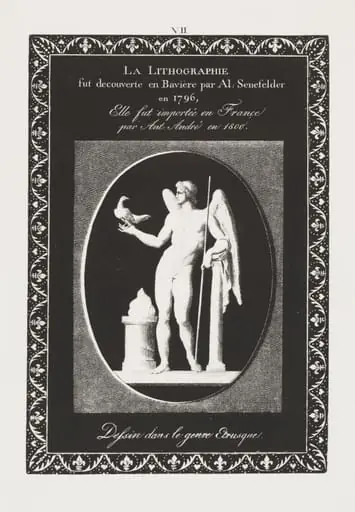 Art of the Lithograph: Dedication Sheet, Plate VII
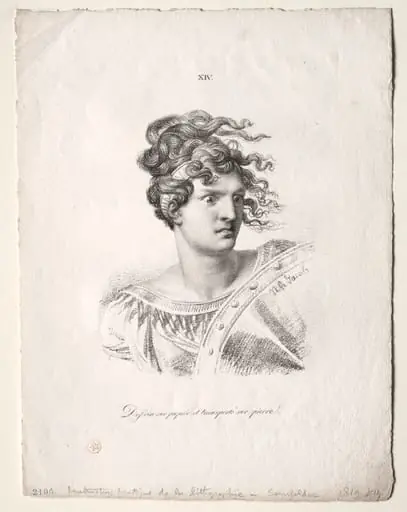 L'art de la lithographie: Head of an Amazon
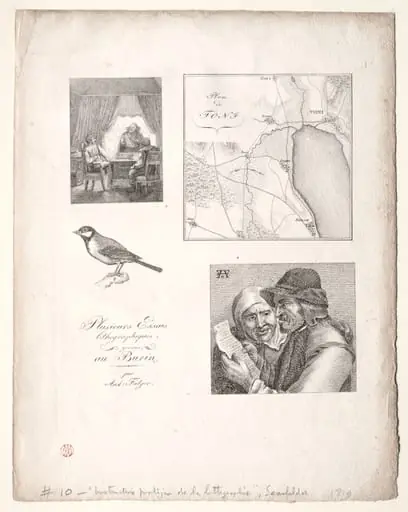 L'art de la litographie:Four Subjects after Falger
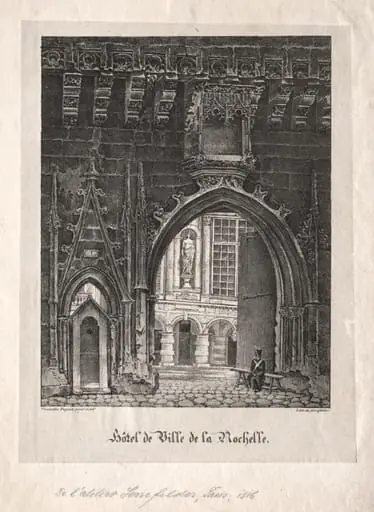 Hotel da Ville de la Rochelle, France
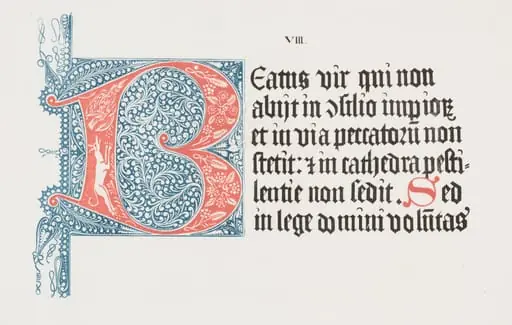 Art of the Lithograph: Psalter- Initial B, Plate VIII
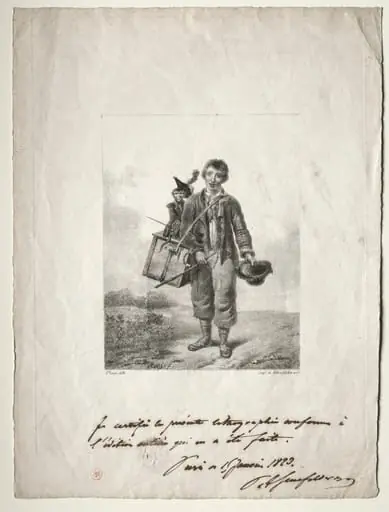 Organ-Grinder Boy
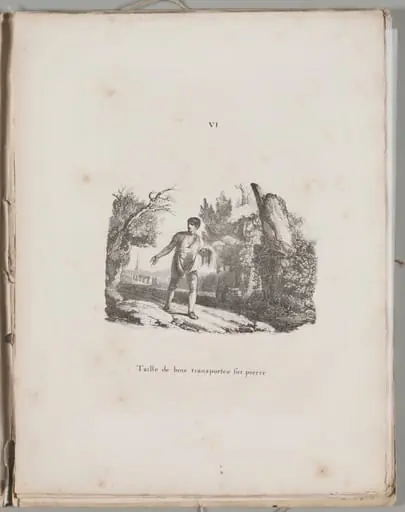 Art of the Lithograph: Transfer of a Wood Engraving, Plate VI
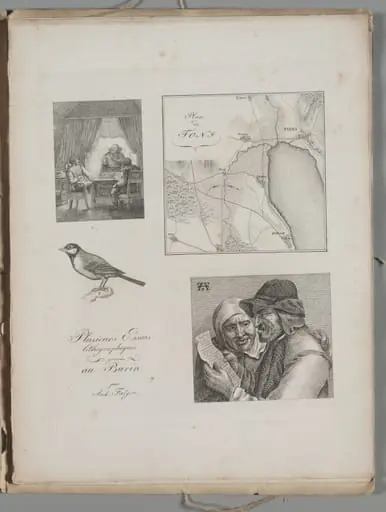 Art of the Lithograph: Four Engraving Samples, War Tent, Map of Toni, Bird, Dutch Farmer and Woman