Artwork
Kurprinz Friedrich August von Sachsen (1696-1763) zu Pferde
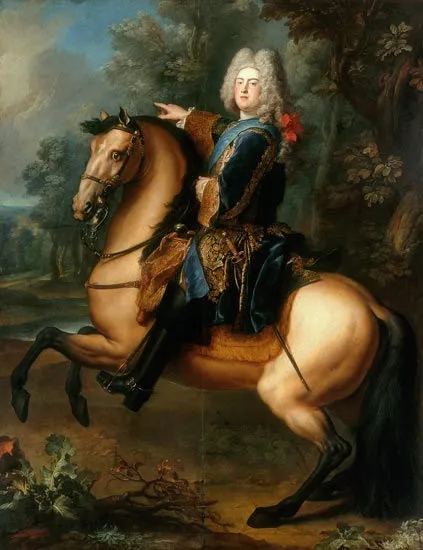
Kurprinz Friedrich August von Sachsen (1696-1763) zu Pferde is an oil painting by the Rococo painting artist Louis de Silvestre. It dates from 1718 and is held in the collection of the Staatliche Kunstsammlungen Dresden.
About this work
Overview
Created during de Silvestre’s tenure as court painter to Augustus II, the work exemplifies the refined elegance of early Rococo portraiture.
Painted in 1718 by Louis de Silvestre, this oil-on-canvas portrait captures Friedrich August, heir to the Electorate of Saxony and future King of Poland, on horseback. Created during de Silvestre’s tenure as court painter to Augustus II, the work exemplifies the refined elegance of early Rococo portraiture. It was produced for the Saxon court in Dresden, where de Silvestre later directed the Royal Academy of Arts.
Subject & Meaning
The subject, Friedrich August II, is portrayed as a nobleman in transit, seated confidently atop a spirited horse. His elaborate blue and gold attire, adorned with a red floral emblem, signals aristocratic status. The gesture of pointing into the landscape suggests authority over territory, while the forest setting implies a controlled natural environment—symbolizing both leisure and dominion typical of elite self-representation in early 18th-century Europe.
Technique & Style
De Silvestre employs soft brushwork and delicate tonal transitions to render fabric, skin, and foliage with a luminous clarity. The Rococo influence is evident in the graceful composition and attention to texture—particularly in the horse’s mane and the prince’s powdered wig. The sky and trees are rendered with atmospheric subtlety, avoiding dramatic contrast in favor of harmonious, courtly serenity.
History & Provenance
Commissioned during Friedrich August’s formative years as heir, the painting remained within Saxon royal collections. It entered the Gemäldegalerie Alte Meister in Dresden in the 19th century, where it has been preserved as part of the state’s artistic heritage. De Silvestre’s close ties to the court ensured the work’s authenticity and continuity of ownership within the dynasty’s visual archive.
Context
Louis de Silvestre, trained in France and active in Dresden, bridged French academic traditions with Saxon court tastes. His family’s artistic lineage—including his brother’s role as drawing master to the French Dauphin—underscores the transnational networks of elite patronage. This portrait reflects the broader trend of German principalities adopting French artistic norms to assert cultural legitimacy during the early Enlightenment.
Legacy
The painting stands as a representative example of court portraiture in Saxony during the transition from Baroque to Rococo. While not widely exhibited beyond Dresden, it remains a key document of how aristocratic identity was visually constructed in early 18th-century Central Europe. De Silvestre’s role in shaping the Dresden academy further anchors the work within institutional art history.
Artist & collection
Artist
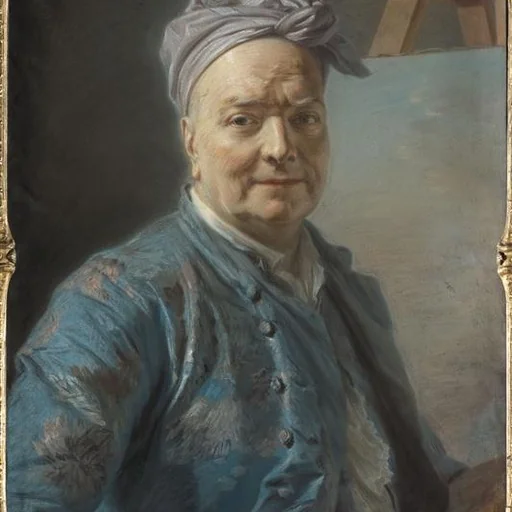
Louis de Silvestre (23 June 1675 – 11 April 1760), also known as Louis de Silvestre the Younger, was a French portrait and history painter.

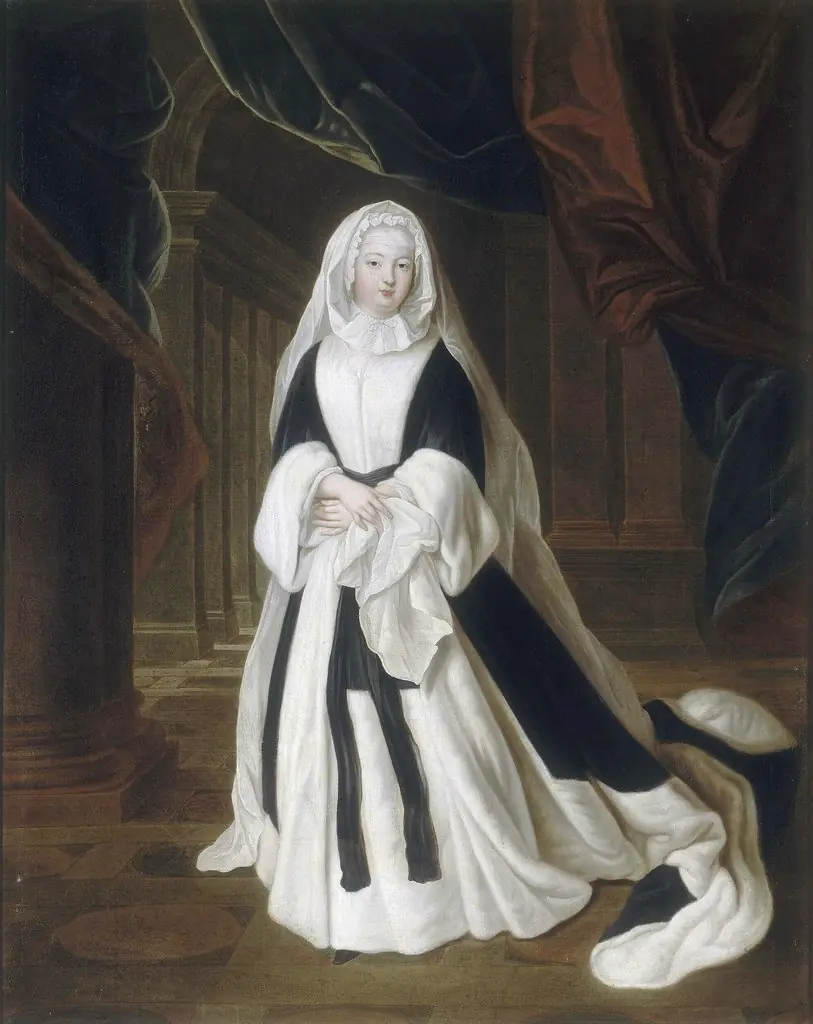 Louise Françoise de Bourbon, Duchess of Bourbon
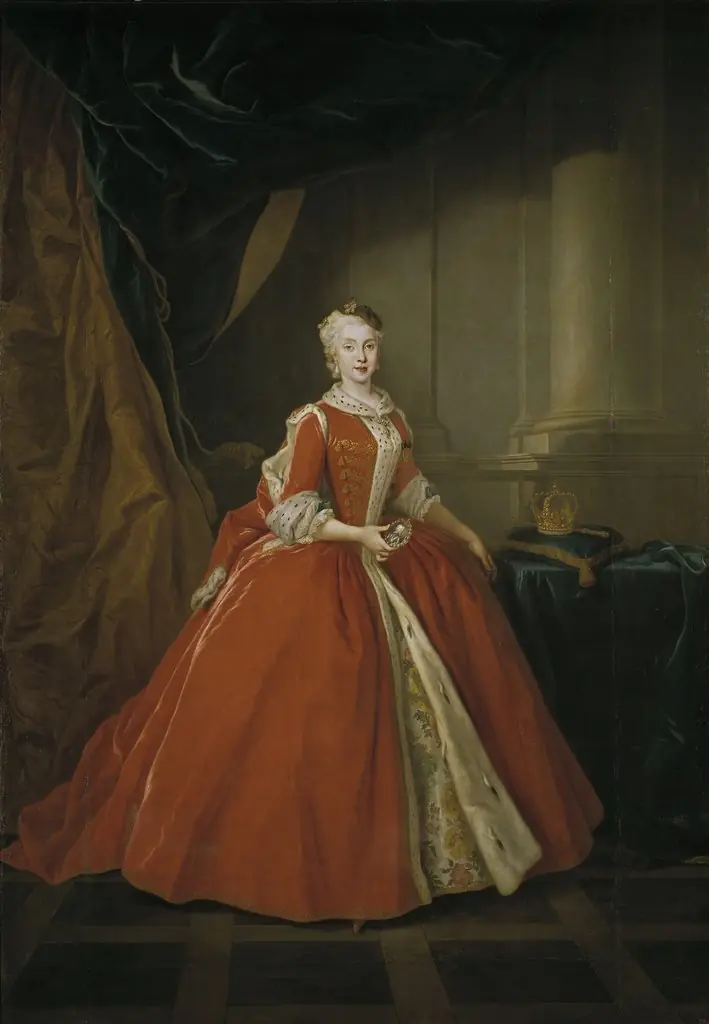 Maria Amalia de Saxony
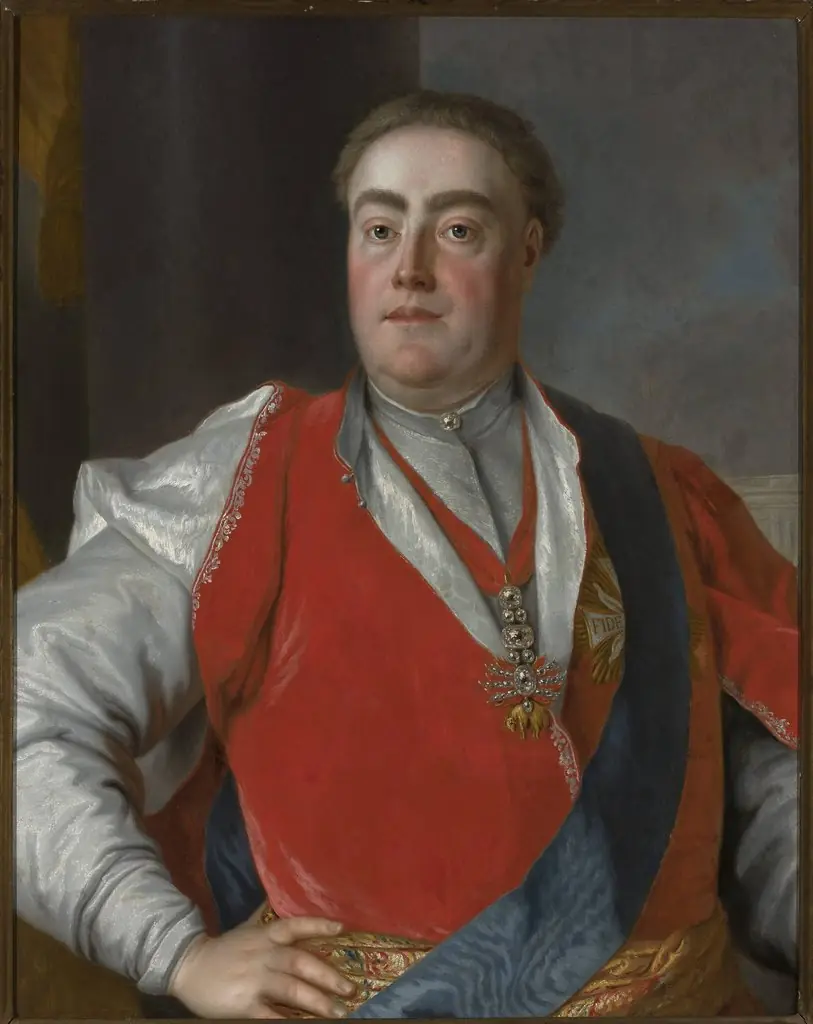 Portrait of Augustus III (1696–1763), King of Poland
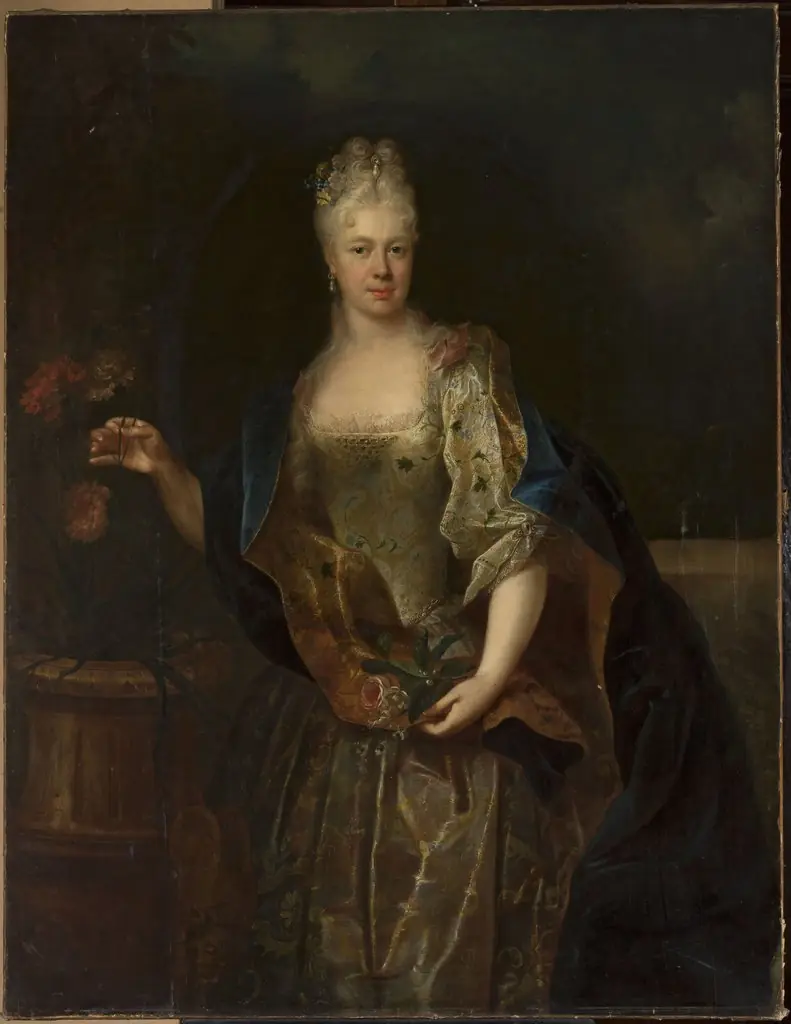 Portrait of Ludwika Amalia Lubomirska (1722–1778)
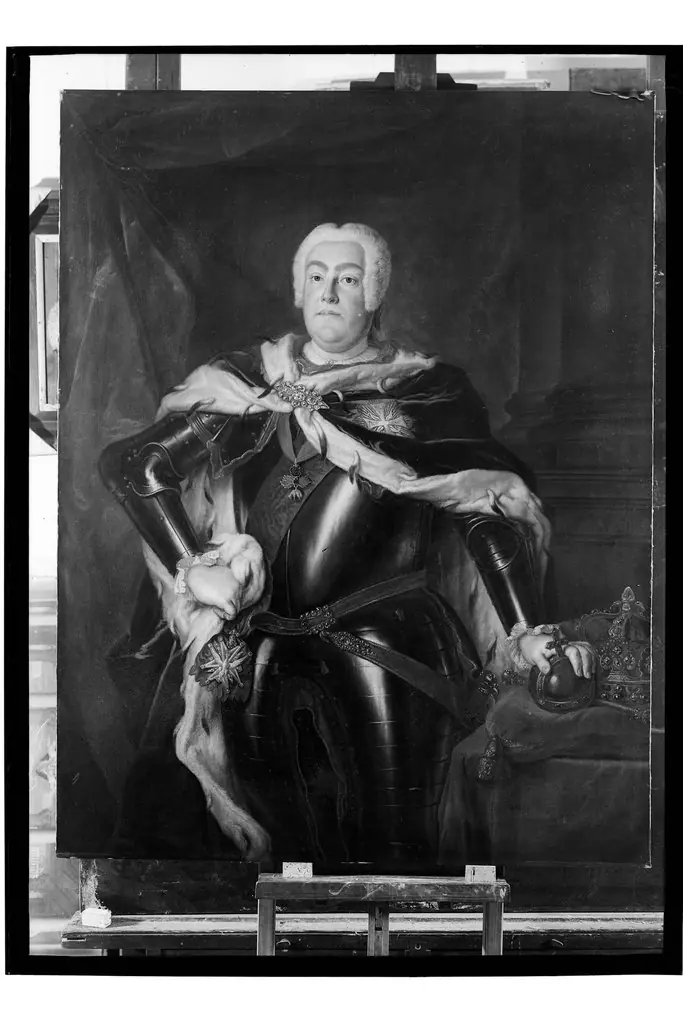 Portrait of Augustus III (1696–1763)
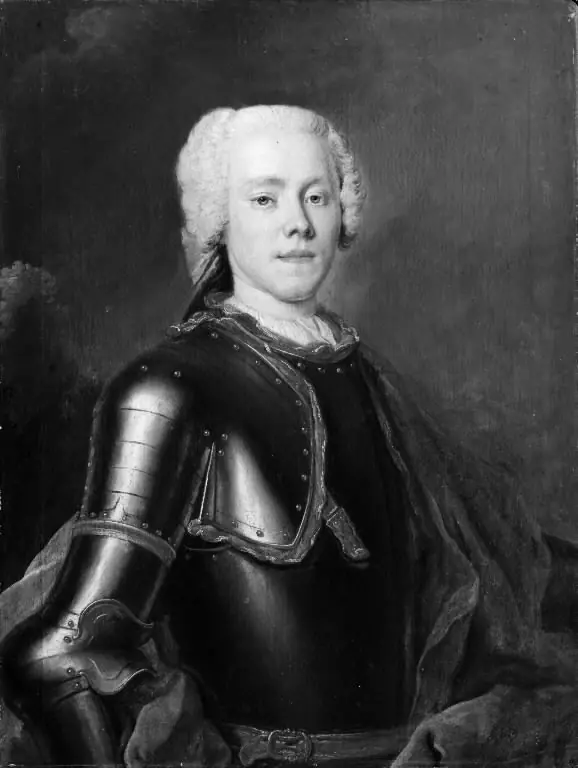 Portrait of Count Jørgen Scheel (1721-1786)
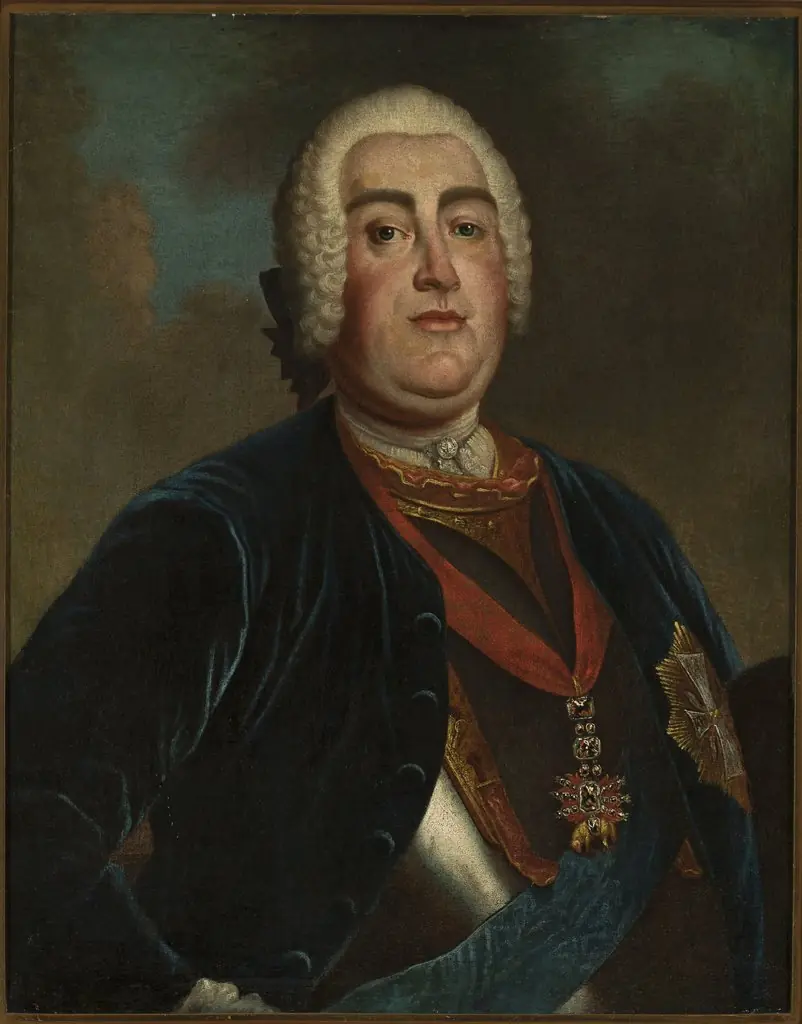 Portrait of Augustus III
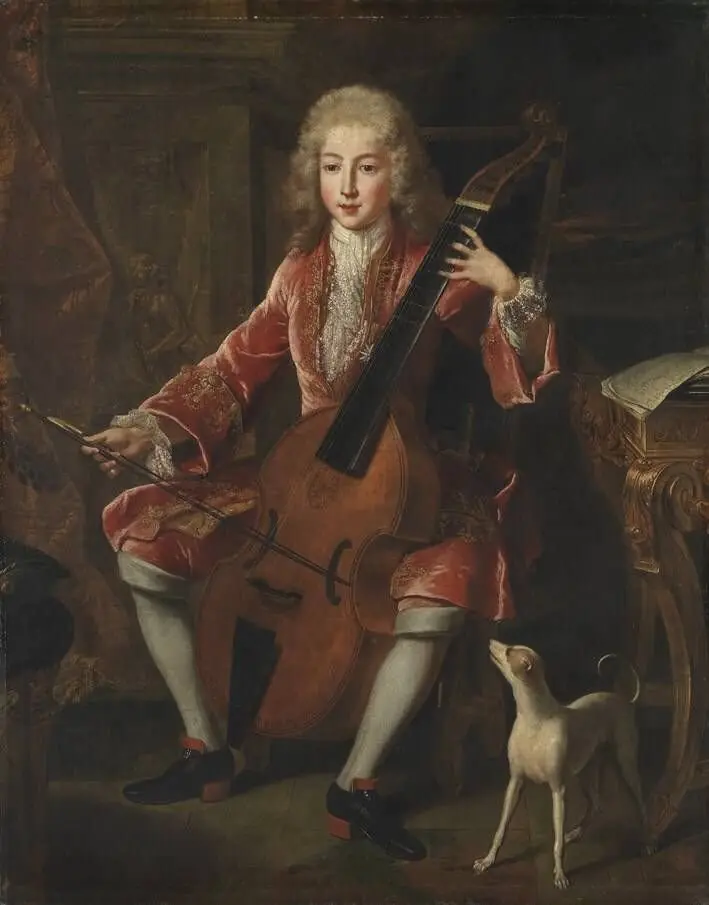 Maximilien-Emmanuel, Chevalier de Bavière
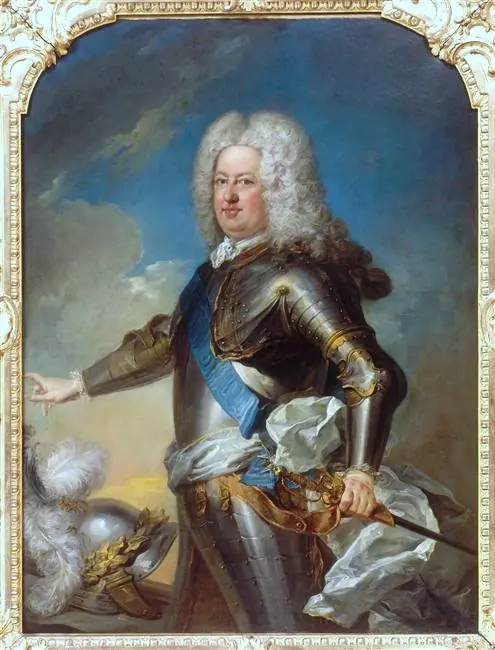 Portrait of Stanisław Leszczyński (1677-1766), King of Poland
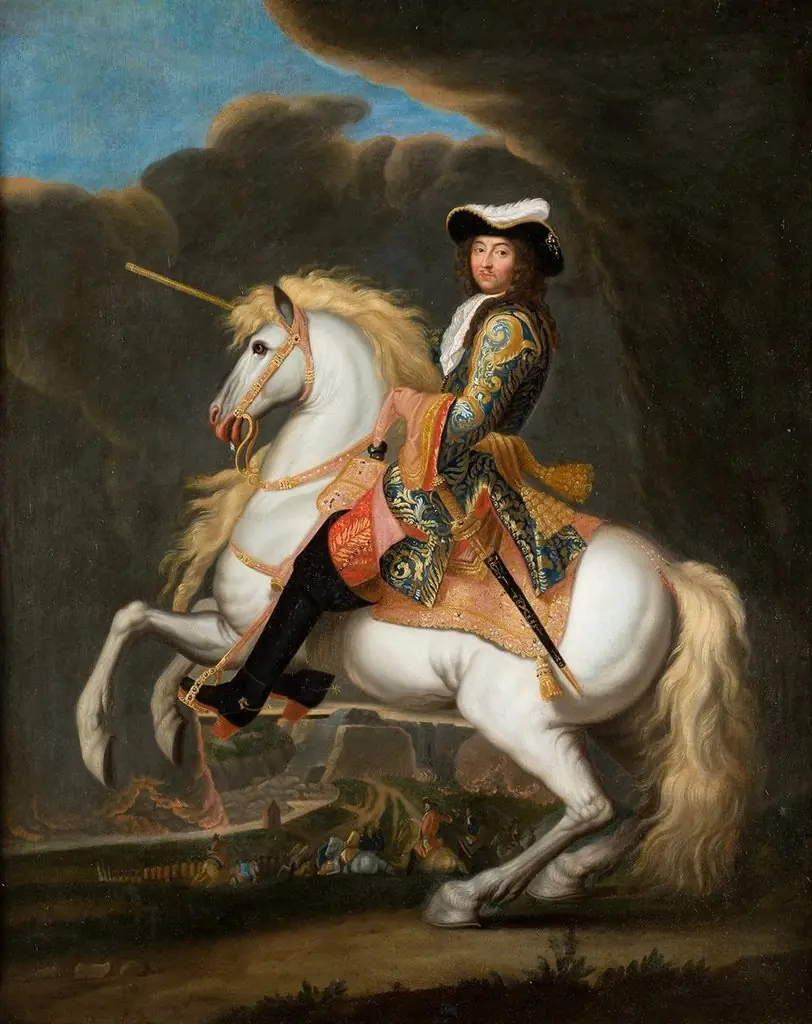 Retrato equestre de Luís XIV
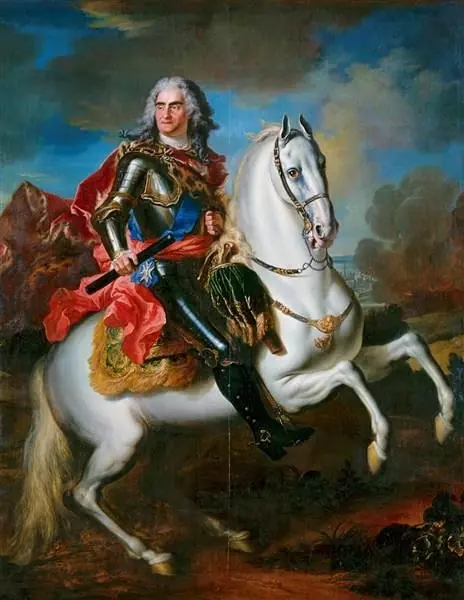 Equestrian portrait of August II the Strong (1670-1733)
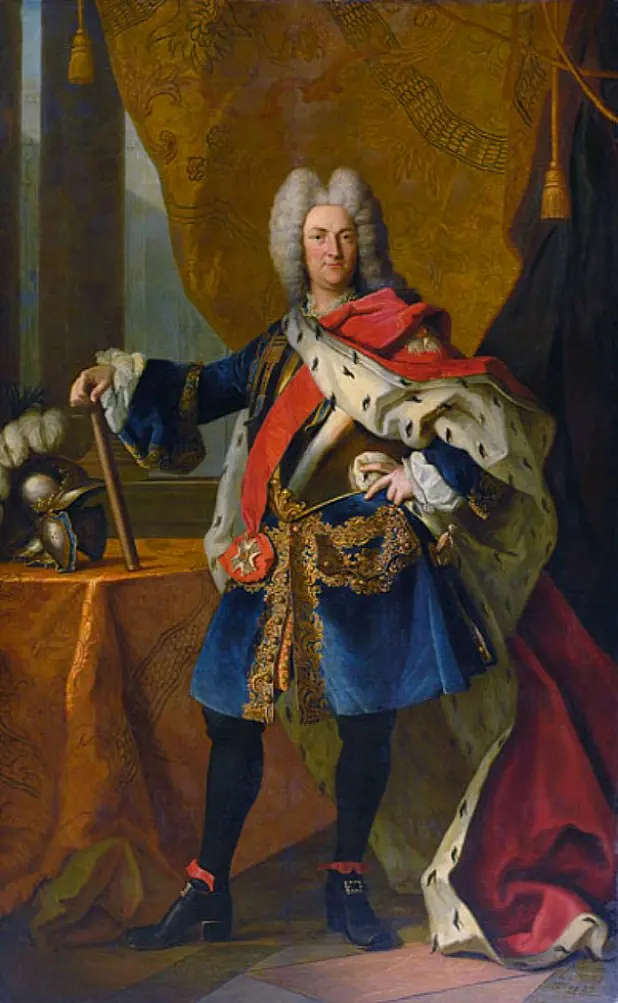 Bildnis des Gustav Samuel Leopold von Zweibrücken-Kleeburg
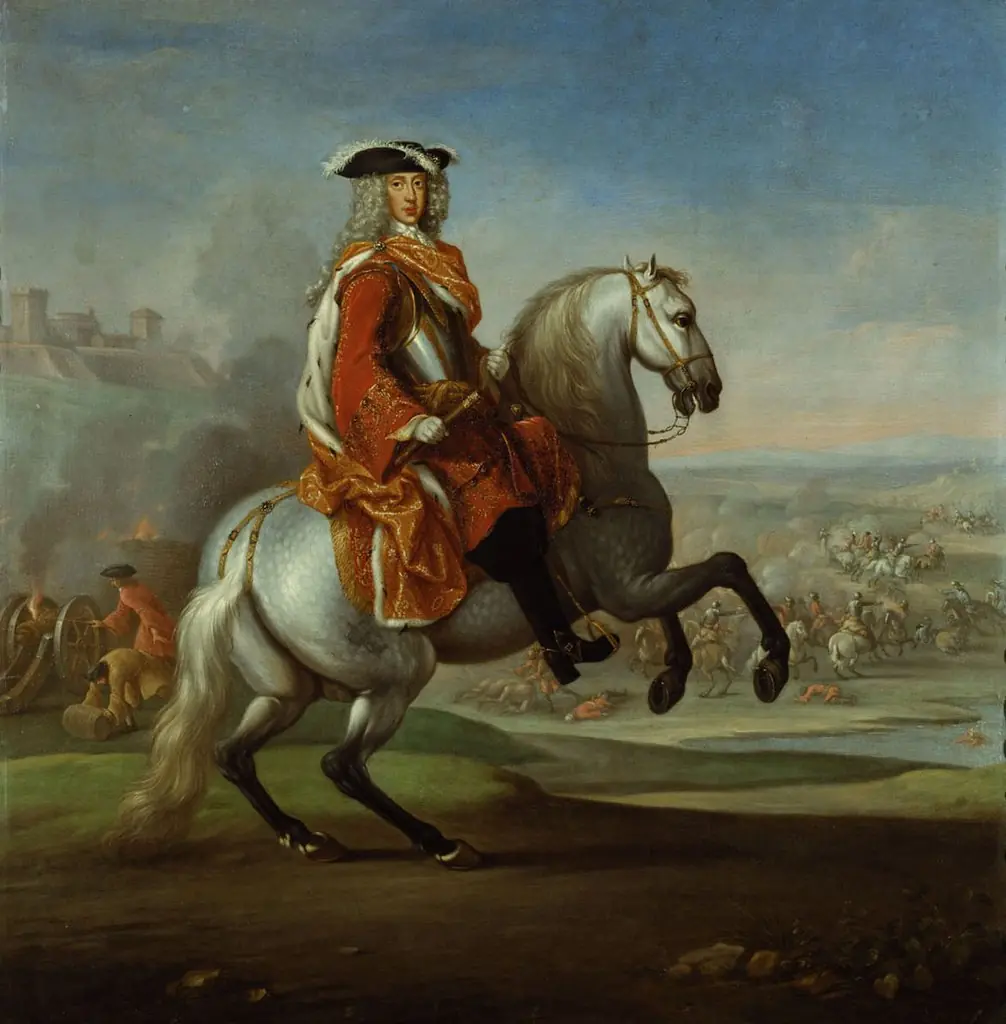 Herzog Karl V. von Lothringen (1643-1690) als Feldherr zu Pferd
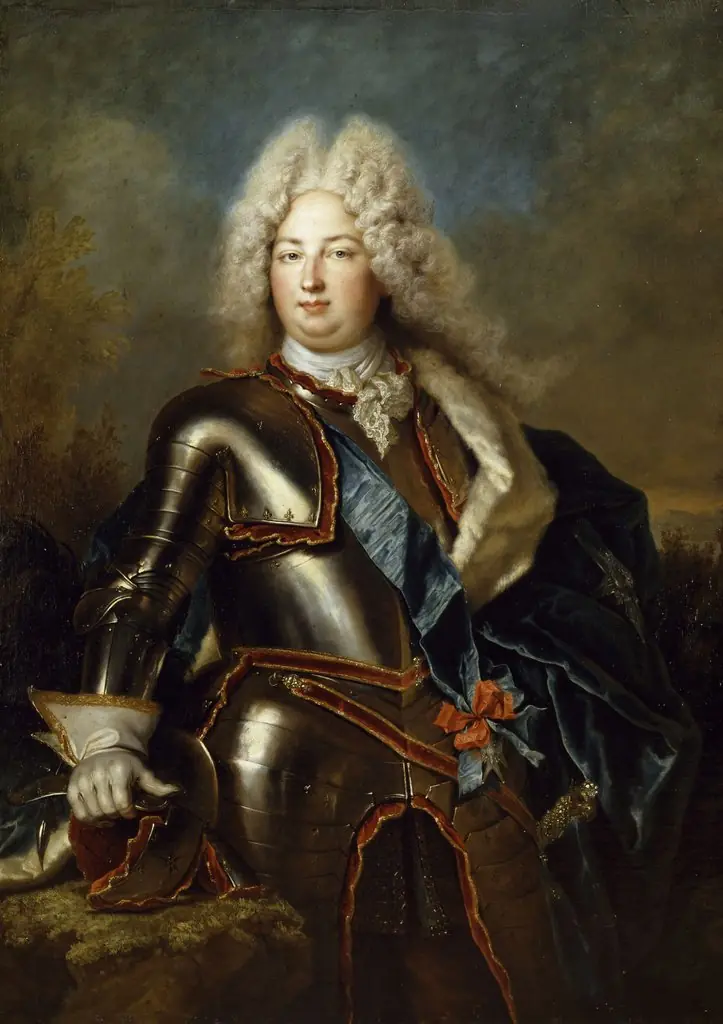 Charles of France, Duke of Berry
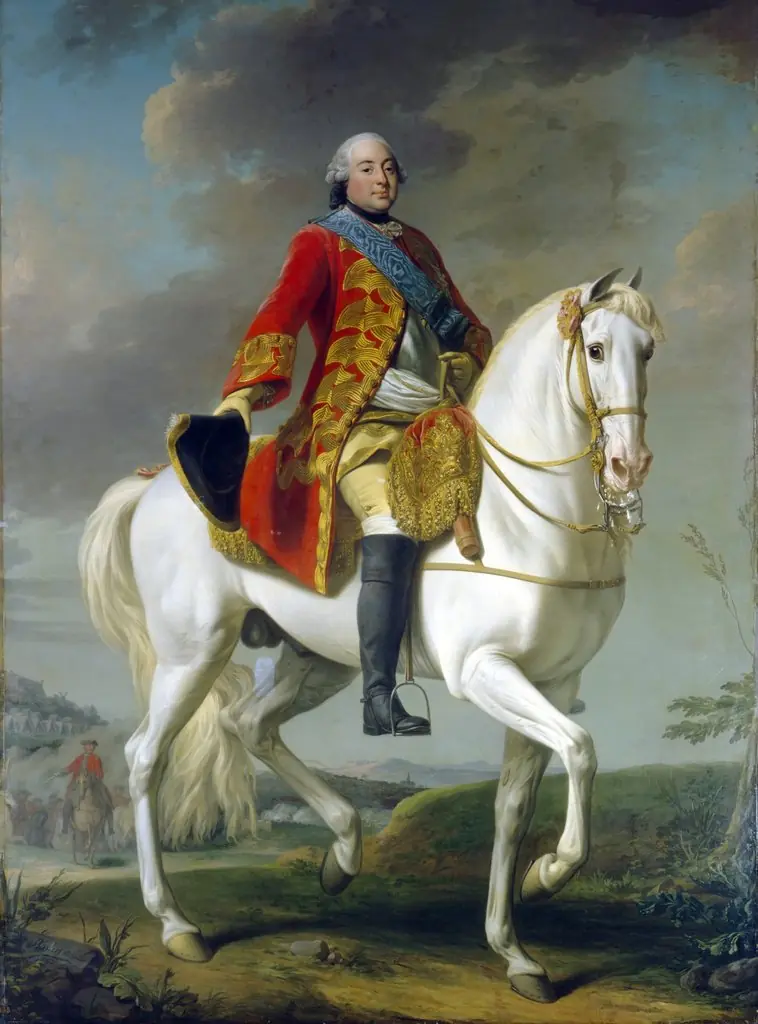 Louis-Philippe, Duc d'Orleans, Saluting his Army on the Battlefield
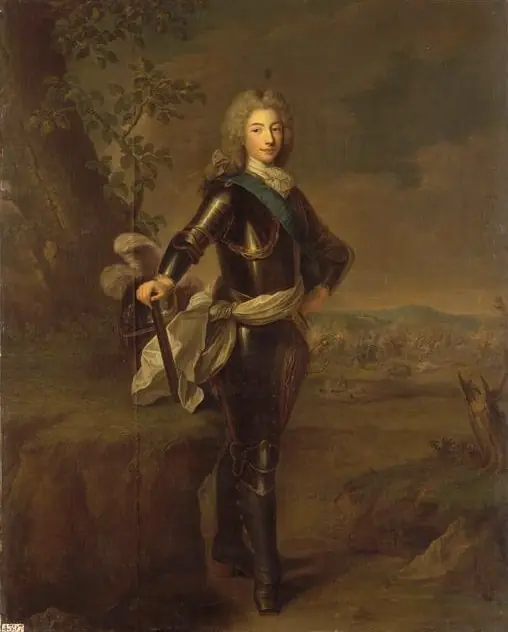 Portrait of Louis François de Bourbon, Prince de Conti
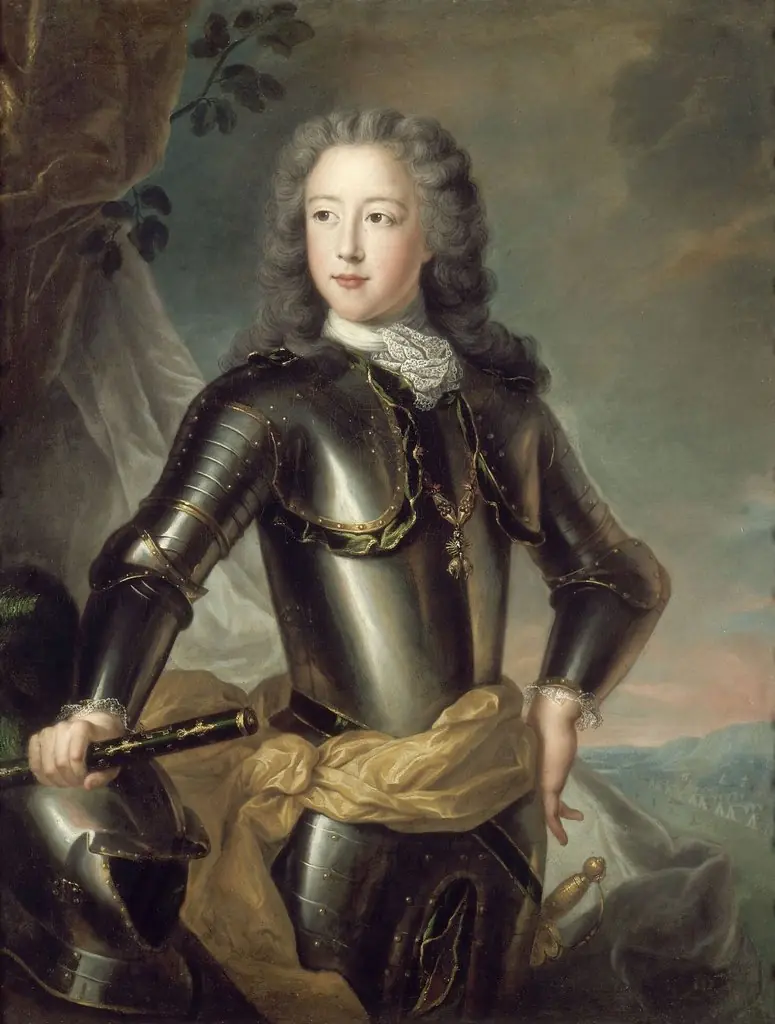 Portrait of Léopold Clément (1707-1723), Hereditary Prince of Lorraine
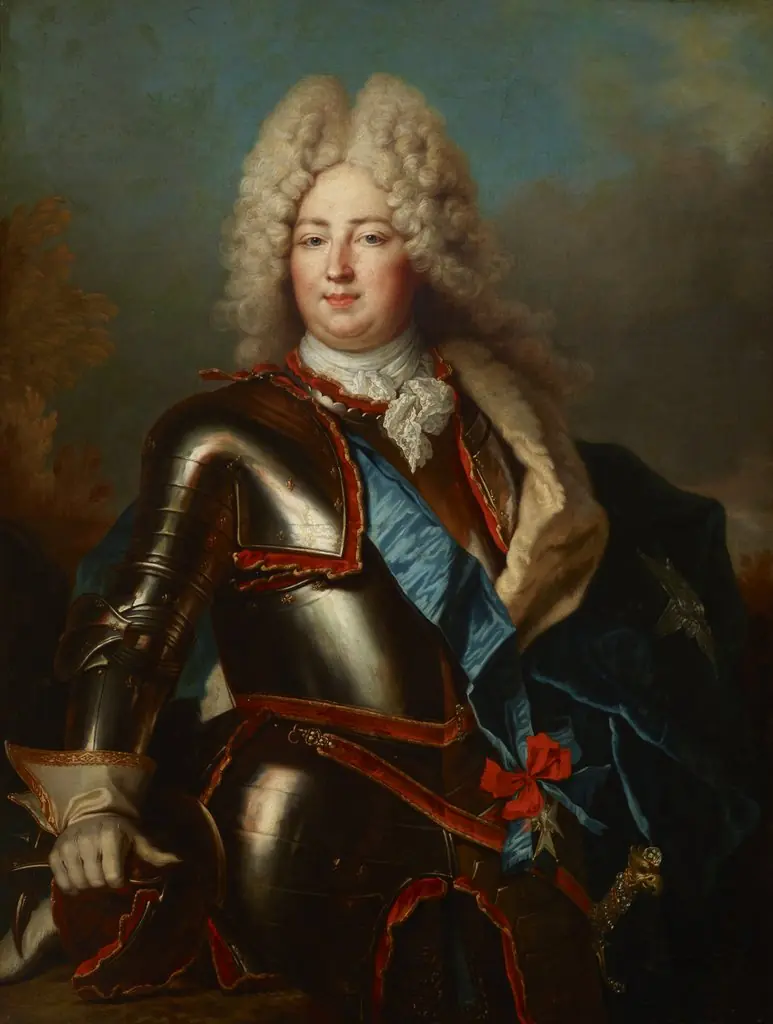 Portrait of Charles de France (1686–1714)
 Equestrian Portrait of a Man in Armour
 Kurfürst Karl Albrecht als Kaiser Karl VII. (1697-1745)