Artwork
Augustus schließt den Tempel des Janus
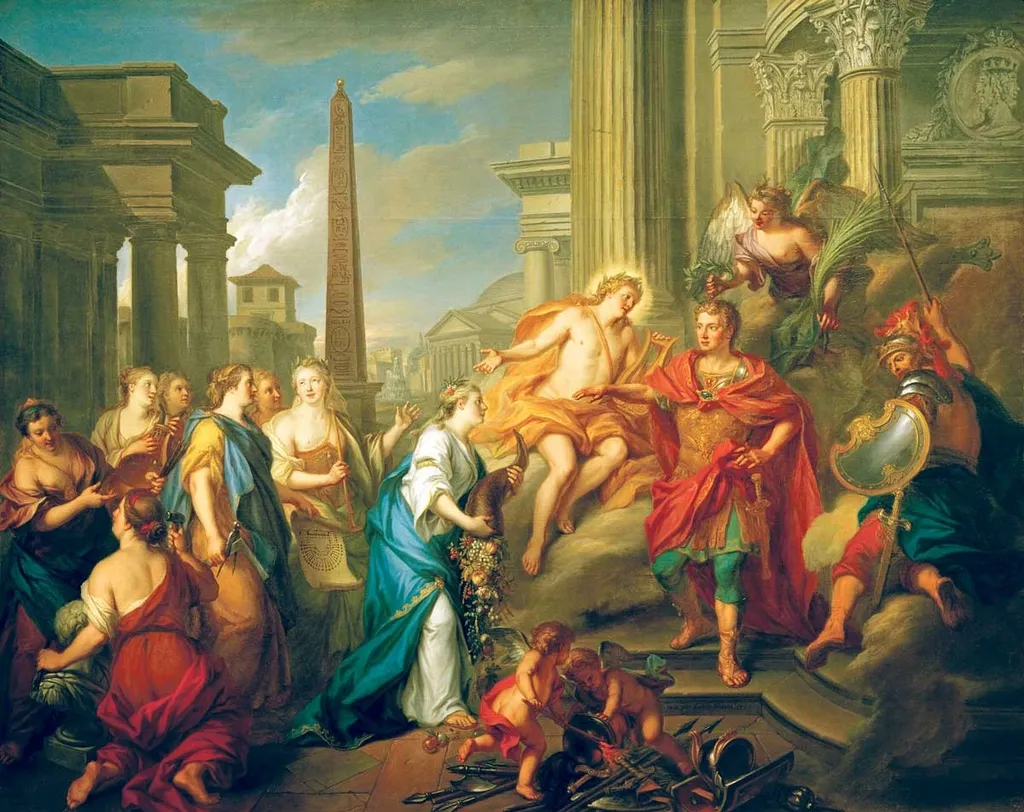
Augustus schließt den Tempel des Janus is an oil painting by the Rococo painting artist Louis de Silvestre. It dates from 1757 and is held in the collection of the Staatliche Kunstsammlungen Dresden.
About this work
Overview
Painted in 1757 by French artist Louis de Silvestre, this oil-on-canvas work depicts a symbolic moment from Roman history: the closing of the Temple of Janus.
Painted in 1757 by French artist Louis de Silvestre, this oil-on-canvas work depicts a symbolic moment from Roman history: the closing of the Temple of Janus. Created during Silvestre’s tenure at the Saxon court, the painting reflects his role as a court painter and director of the Dresden Academy. Its composition blends classical subject matter with the ornamental elegance characteristic of Rococo aesthetics.
Subject & Meaning
The scene illustrates Emperor Augustus sealing the Temple of Janus, an ancient Roman ritual marking the onset of peace. The act, historically associated with Augustus Caesar, is here rendered as a moment of civic solemnity. Figures in classical attire and armor gather around the central figures, emphasizing the gravity of the occasion. The gesture signifies the cessation of war, a theme resonant with the political aspirations of 18th-century European monarchies.
Technique & Style
Silvestre employs rich, luminous pigments—golds, deep blues, and crimson—to enhance the ceremonial atmosphere. Figures are arranged in a dynamic, diagonally layered composition, guiding the viewer’s eye toward the central interaction. The Rococo influence appears in the delicate rendering of fabrics and the theatrical lighting, though the subject retains a formal gravity absent from lighter Rococo themes.
History & Provenance
Commissioned during Silvestre’s service to Augustus II of Poland and Saxony, the painting was likely intended for a royal residence or public institution in Dresden. It remained within Saxon collections until the 19th century, documented in court inventories. Its survival reflects the continued interest in classical allegory among European courts seeking to align their rule with Roman ideals of order and peace.
Context
In mid-18th-century Europe, rulers frequently invoked Roman imagery to legitimize their authority. The closing of the Temple of Janus, though historically tied to Augustus Caesar, was reinterpreted as a metaphor for contemporary peace treaties and stable governance. Silvestre’s depiction aligns with broader Enlightenment-era trends that fused historical narrative with moral and political symbolism.
Legacy
The painting stands as an example of how historical myth was adapted for courtly propaganda in the Rococo period. While not widely exhibited today, it remains a key work in understanding the Saxon court’s patronage of classical themes. Silvestre’s treatment of the subject influenced later academic painters in Germany who sought to merge historical accuracy with ceremonial grandeur.
Artist & collection
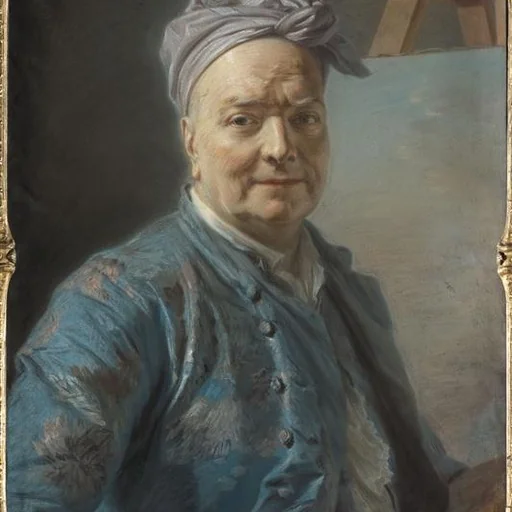
Artist
Louis de Silvestre (23 June 1675 – 11 April 1760), also known as Louis de Silvestre the Younger, was a French portrait and history painter.

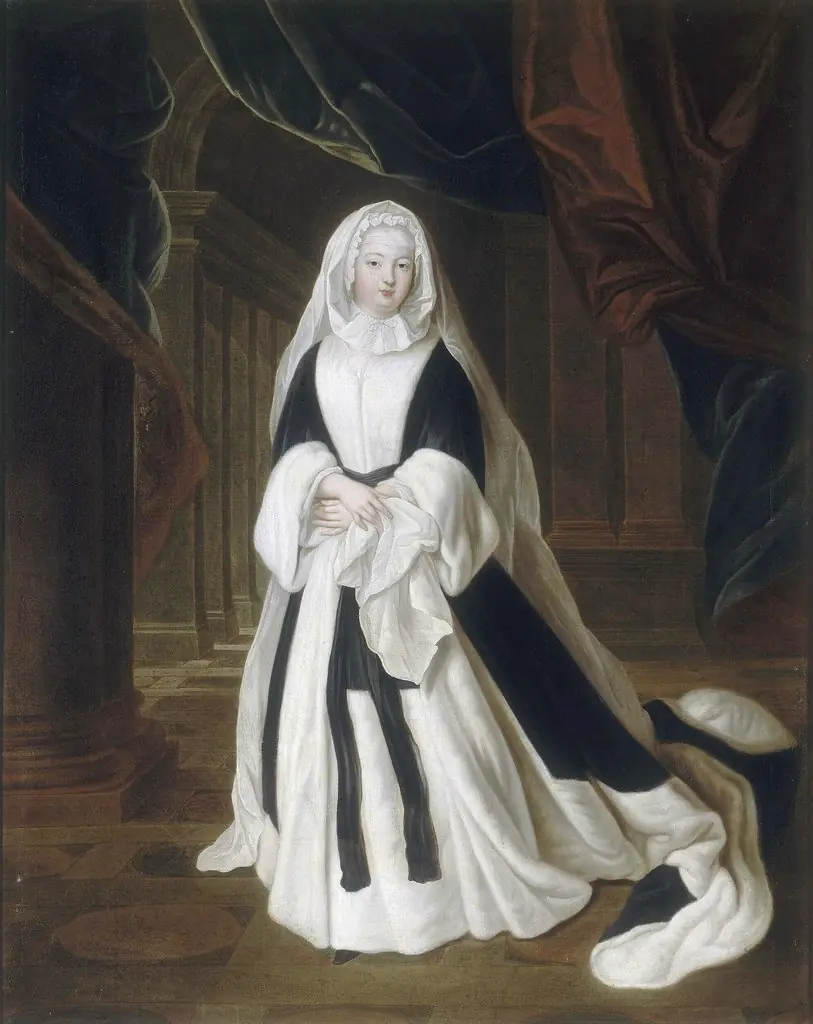 Louise Françoise de Bourbon, Duchess of Bourbon
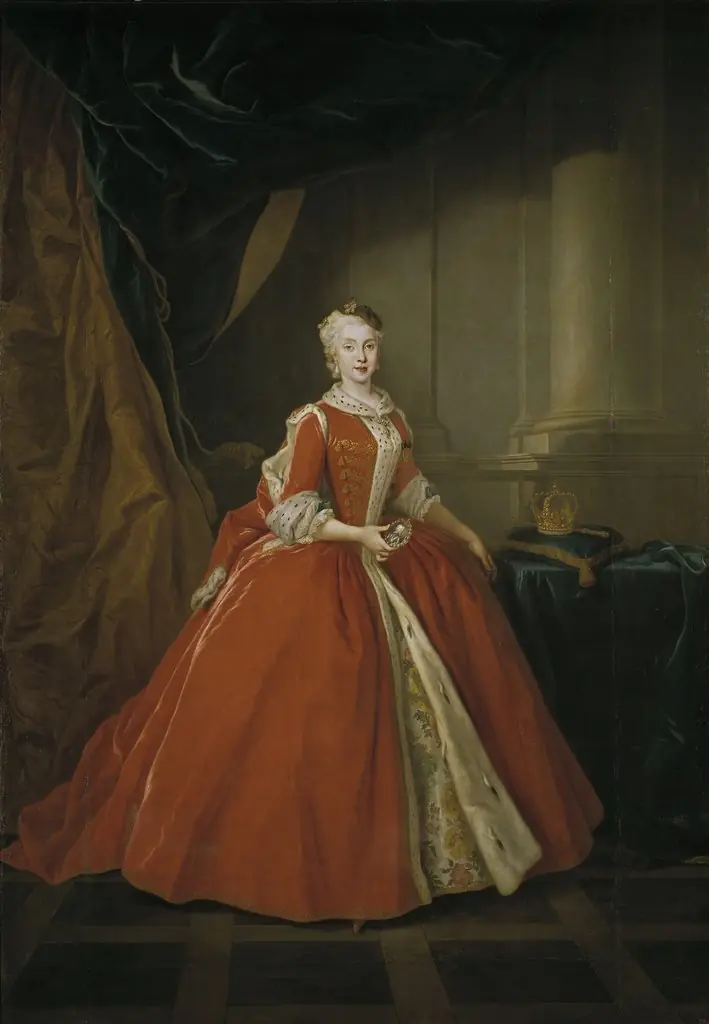 Maria Amalia de Saxony
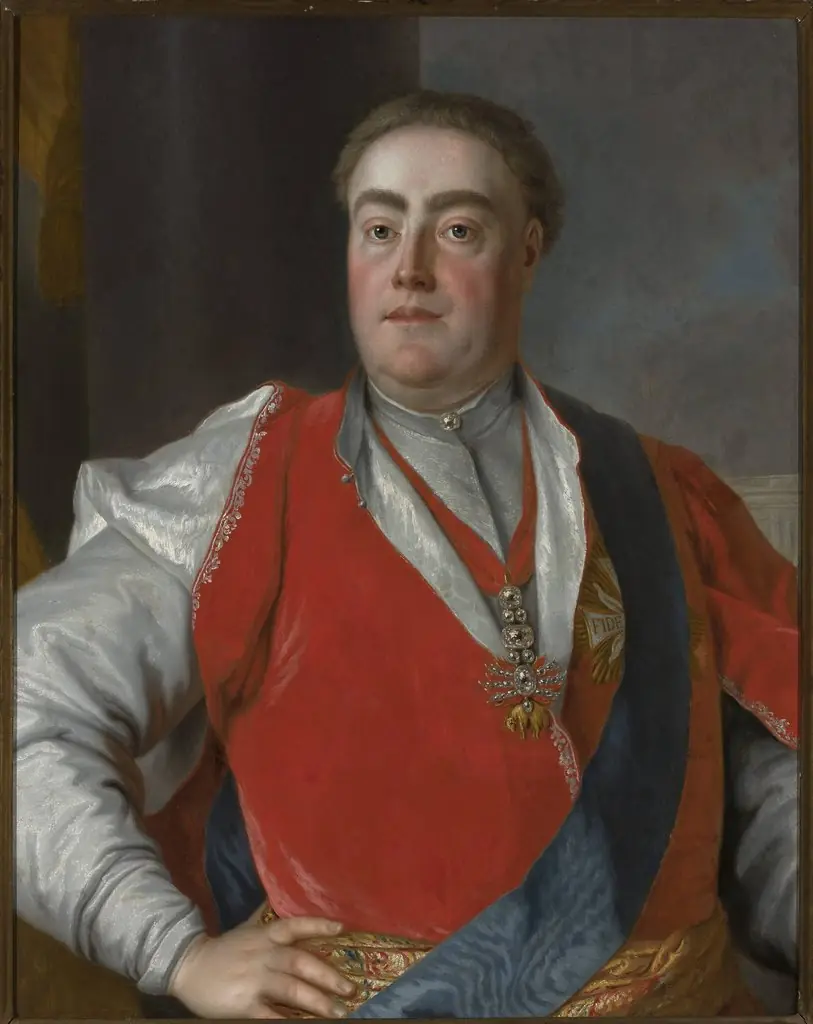 Portrait of Augustus III (1696–1763), King of Poland
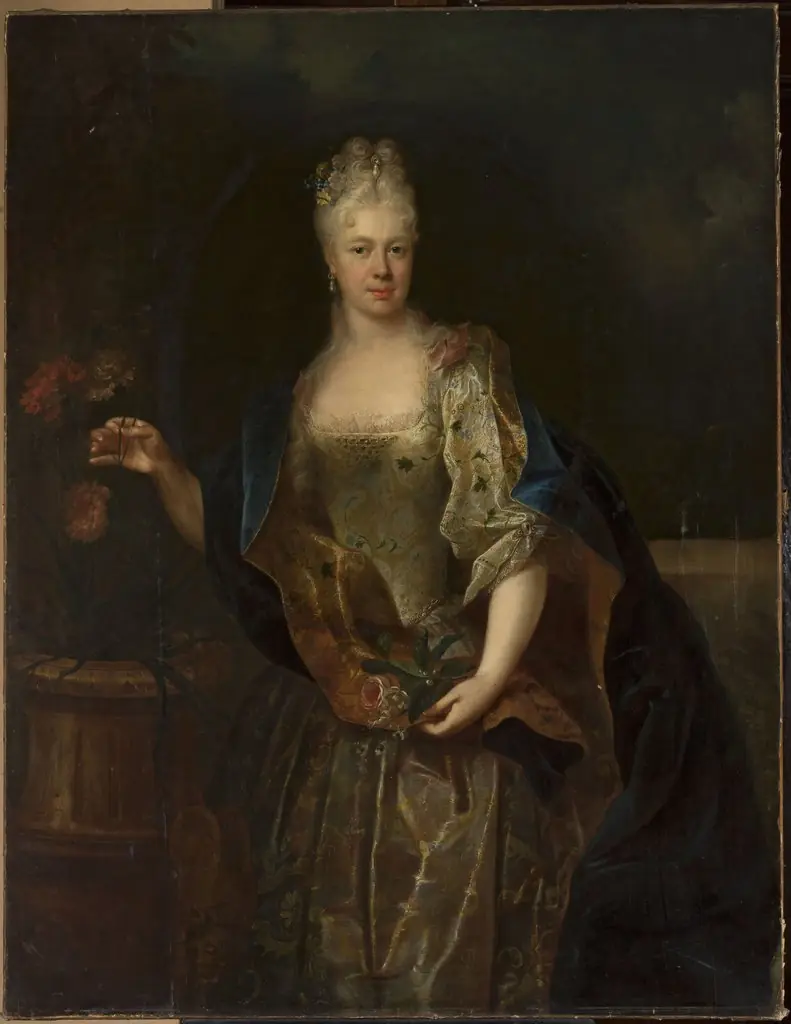 Portrait of Ludwika Amalia Lubomirska (1722–1778)
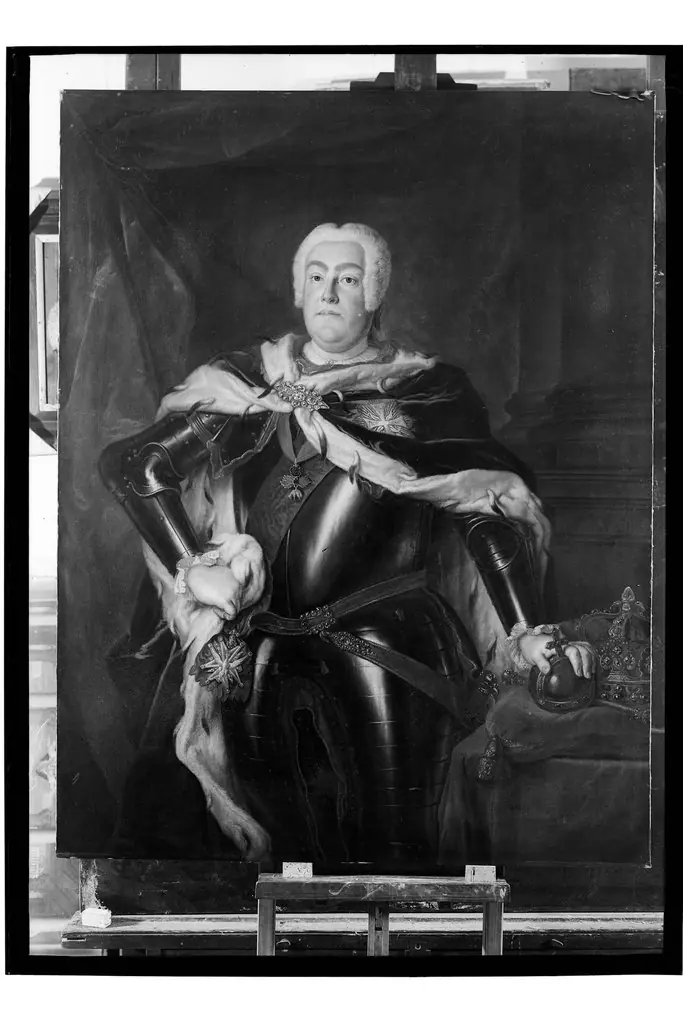 Portrait of Augustus III (1696–1763)
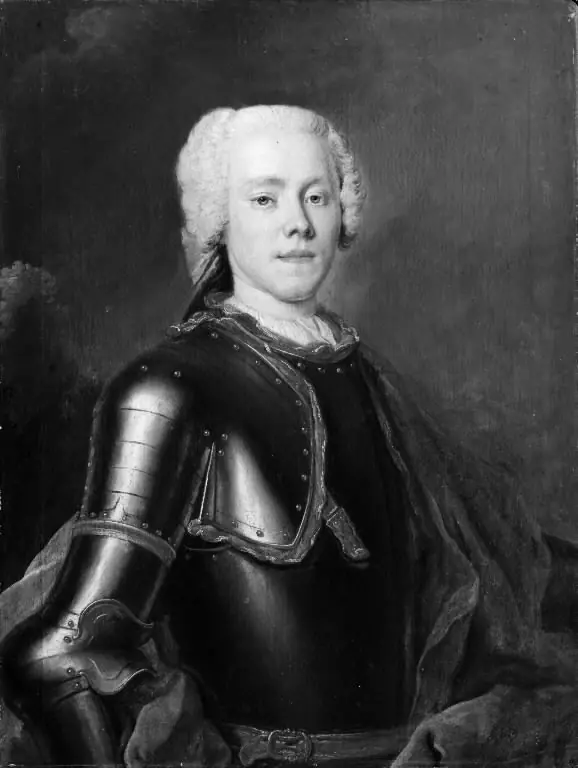 Portrait of Count Jørgen Scheel (1721-1786)
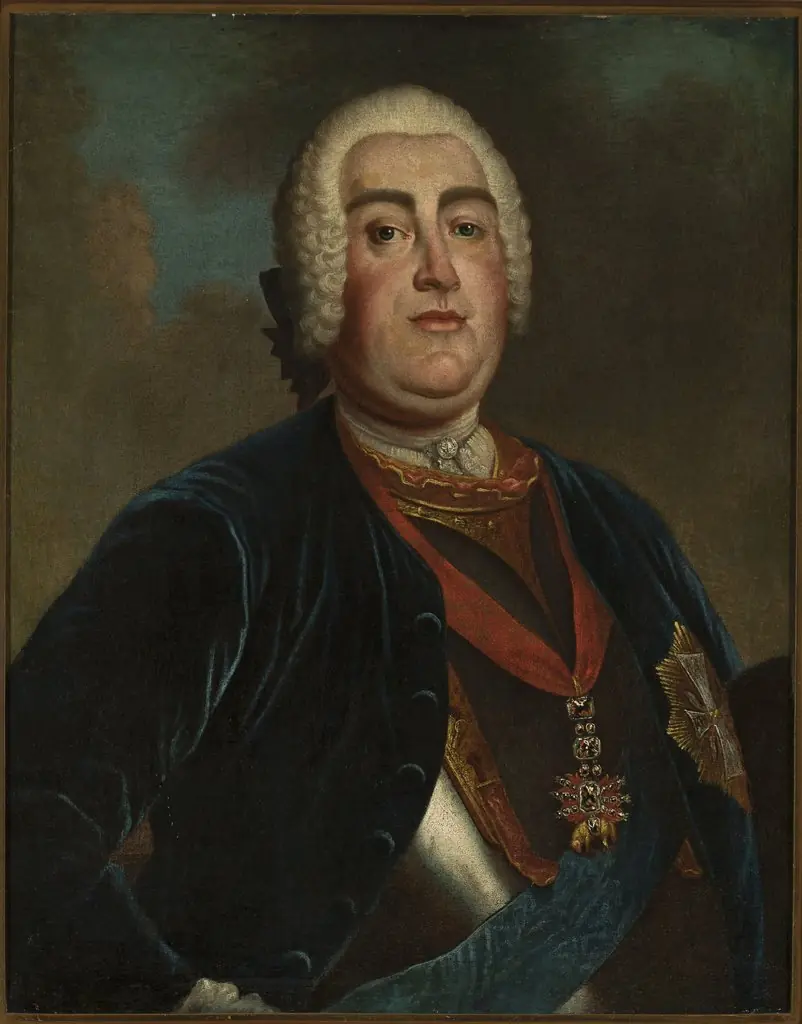 Portrait of Augustus III
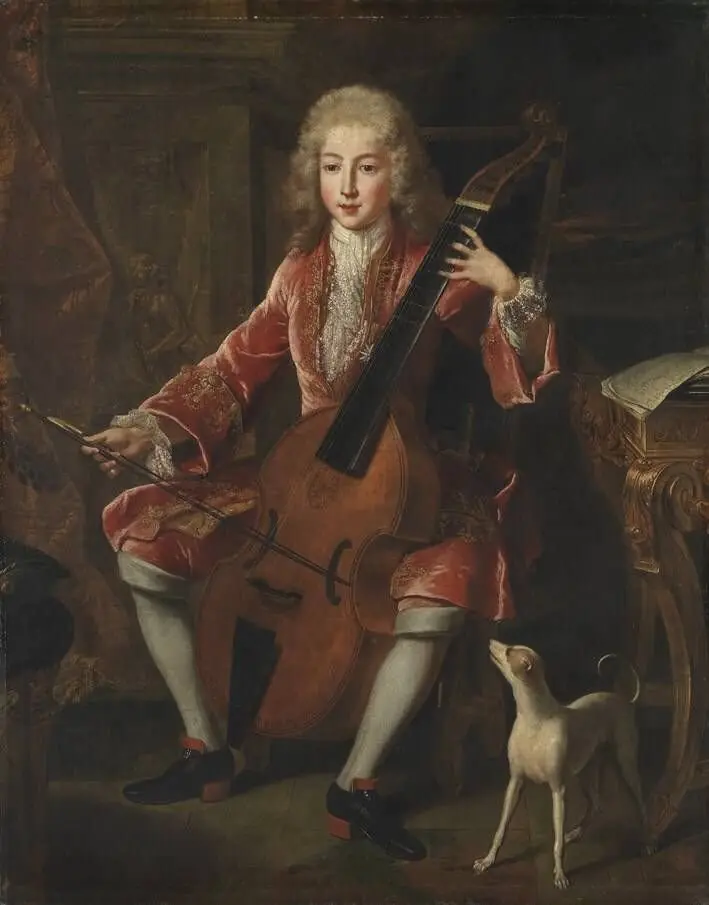 Maximilien-Emmanuel, Chevalier de Bavière
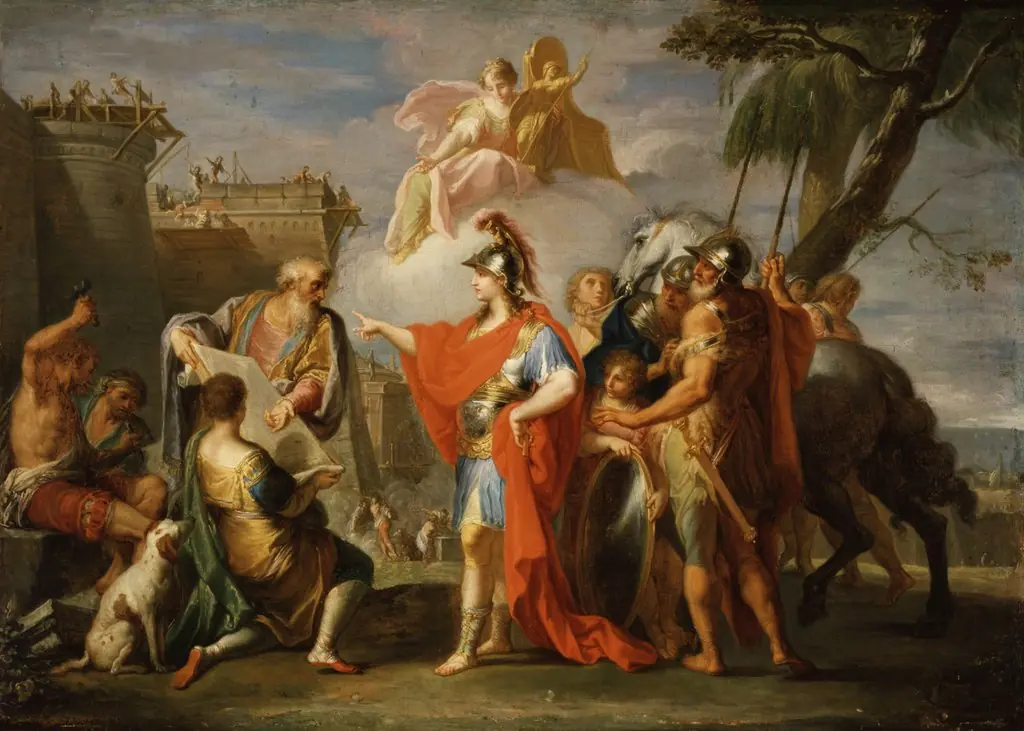 Alexander the Great Founding Alexandria
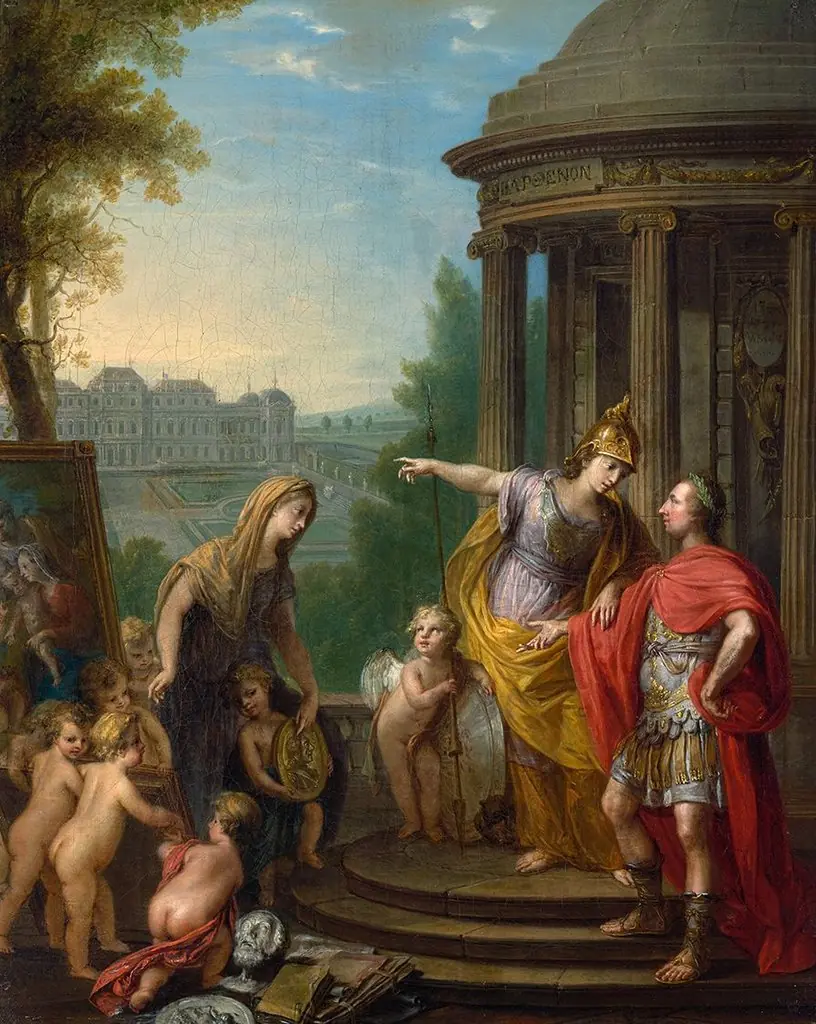 Allegory of the Transfer of the Imperial Gallery to the Belvedere
 Solomon Receiving the Queen of Sheba
 The Continence of Scipio
 Venus Induces Helen to Fall in Love with Paris
 Enthaltsamkeit des Scipio
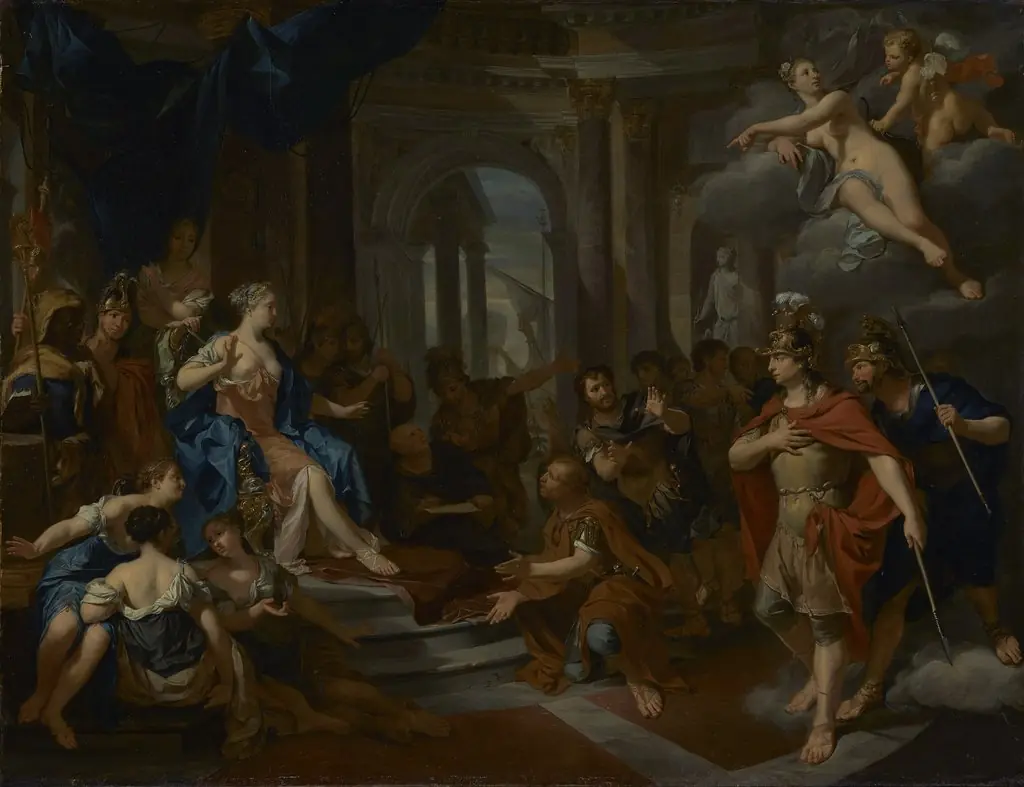 Dido and Aeneas
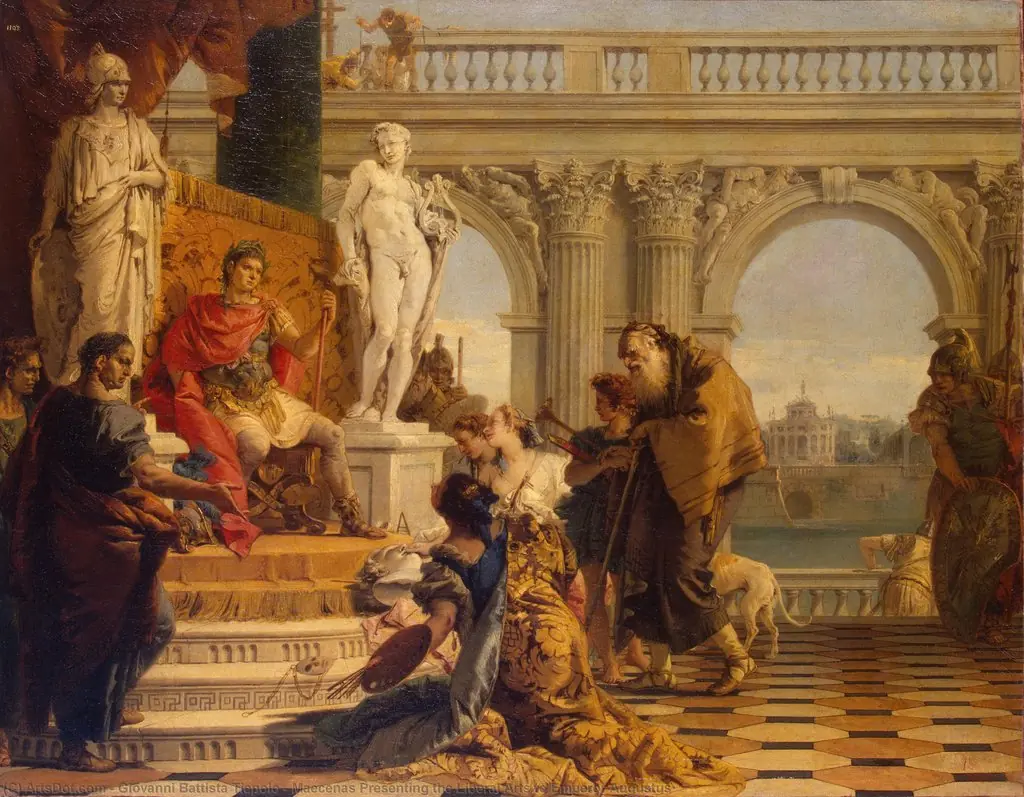 Maecenas Presenting the Liberal Arts to Emperor Augustus
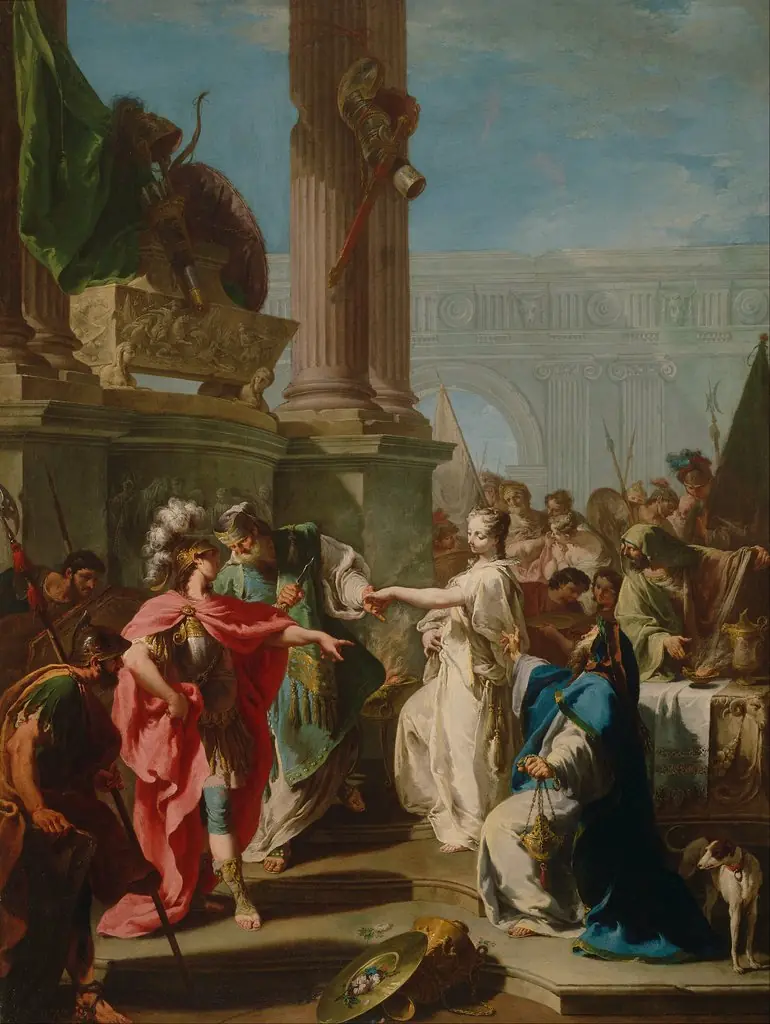 The Sacrifice of Polyxena in Malibu
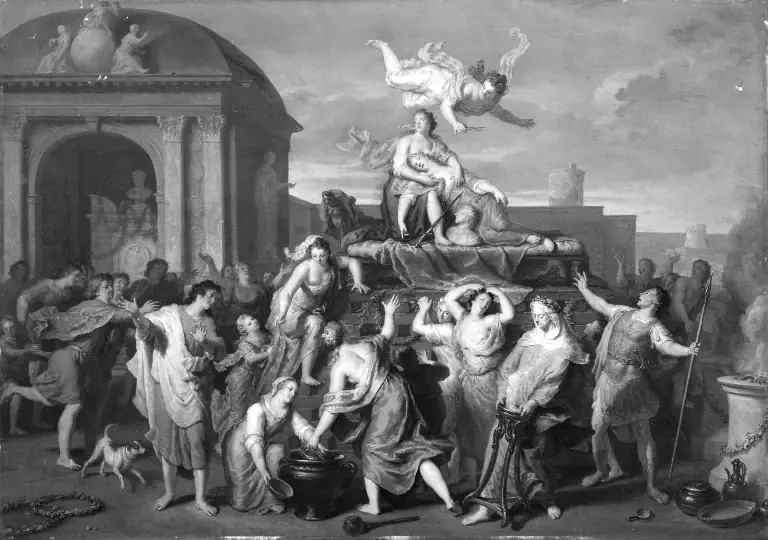 Death of Dido
 The Abduction of Orithyia
 Opfer an Silen