Artwork
Egypt and Nubia, Volume II: Grand Entrance to the Temple of Luxor
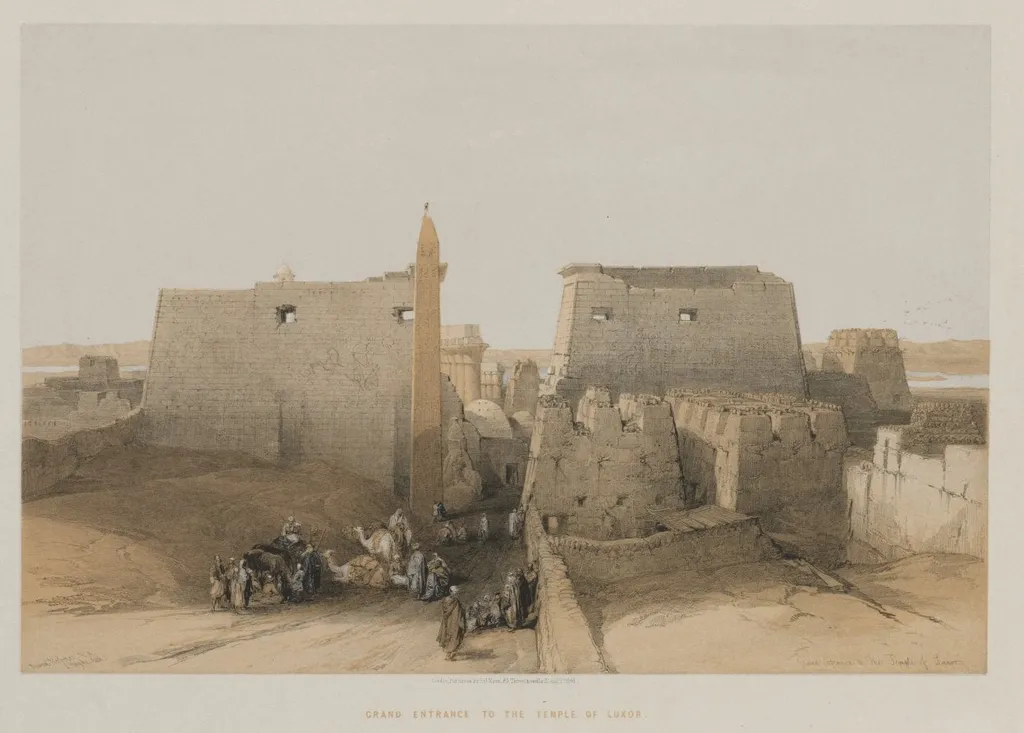
Egypt and Nubia, Volume II: Grand Entrance to the Temple of Luxor is a print by the Romanticist artist Louis Haghe. It dates from 1848 and is held in the collection of the Cleveland Museum of Art.
About this work
Overview
Haghe, a Belgian-born artist based in London, specialized in lithography and watercolor, and co-founded the influential firm Day & Haghe.
Created in 1848 by Louis Haghe, this lithograph is part of a two-volume series documenting architectural sites in Egypt and Nubia. Haghe, a Belgian-born artist based in London, specialized in lithography and watercolor, and co-founded the influential firm Day & Haghe. The print captures the monumental pylon entrance of the Temple of Luxor, rendered with precision and a restrained palette to reflect the scale and antiquity of the structure.
Subject & Meaning
The image centers on the grand pylon gateway of Luxor Temple, flanked by massive stone towers with minimal fenestration. In the foreground, figures in traditional attire move around a camel, suggesting daily life amid ancient ruins. The composition avoids theatricality, instead emphasizing quiet endurance—the coexistence of human presence and monumental heritage, evoking a sense of timelessness rather than decay.
Technique & Style
Haghe employed lithography to achieve fine tonal gradations, using muted earth tones—ochres, beiges, and pale grays—to convey the texture of weathered stone and the hazy desert atmosphere. The absence of vivid color and the soft, diffused light reflect a documentary approach, aligning with 19th-century archaeological illustration. Details are rendered with clarity, prioritizing architectural accuracy over emotional dramatization.
History & Provenance
The print was produced as part of a commercial publication series commissioned to record Egypt’s monuments for European audiences following Napoleon’s campaign. Haghe’s work was based on field sketches and surveys conducted by travelers and scholars. The series was widely distributed, contributing to the growing European interest in Egyptology during the mid-19th century, though the original plates are now held in institutional collections.
Context
In the 1840s, European interest in ancient Egypt surged due to increased archaeological activity and the decipherment of hieroglyphs. Lithography allowed for the mass reproduction of detailed images, making such works accessible beyond elite collectors. Haghe’s prints served both scholarly and aesthetic purposes, bridging scientific documentation and visual culture during a period of heightened Orientalist fascination.
Legacy
Haghe’s lithographs remain valuable as historical records of temple conditions before modern restoration. While later scholarship has critiqued the romanticized framing of Egypt’s past, his precise renderings continue to inform architectural studies. The series exemplifies how print technology shaped public perception of ancient civilizations, laying groundwork for modern archaeological visualization.
Artist & collection
Artist
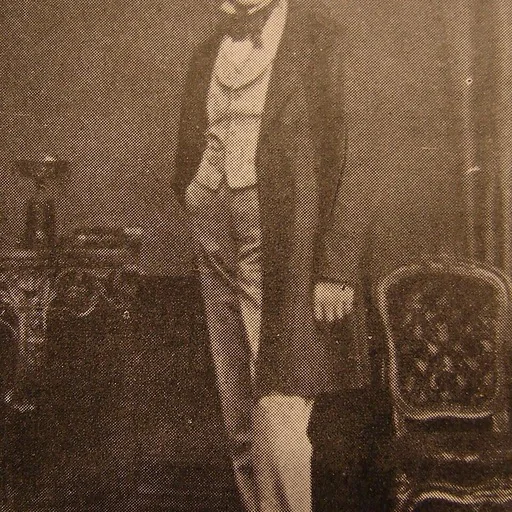
Louis Haghe (17 March 1806 – 9 March 1885) was a lithographer and watercolourist from the Netherlands and then the United Kingdom.

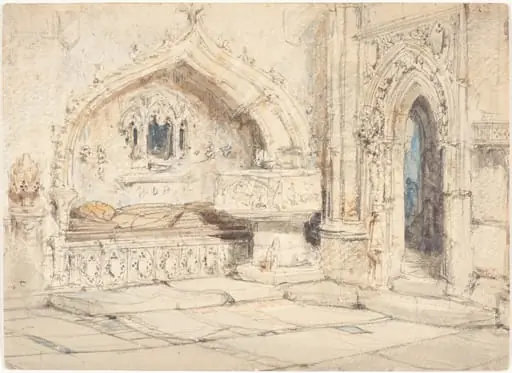 Interior of a Church with a Wall Tomb and Medieval Font
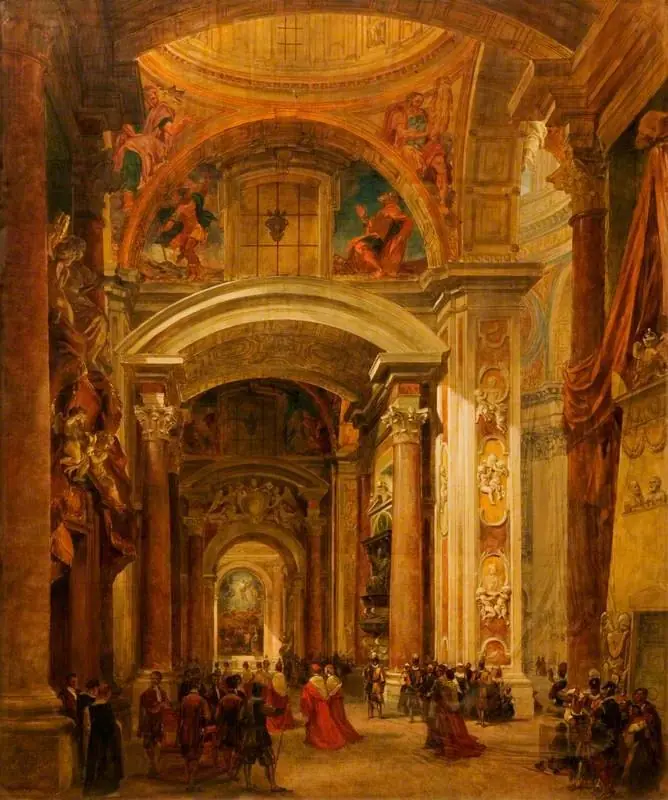 Interior of St Peter's, Rome
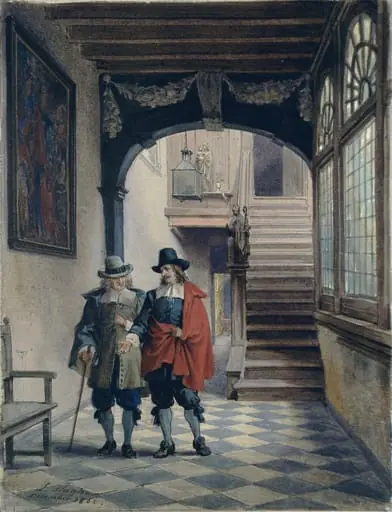 The Corridor, Brewer's Hall, Antwerp
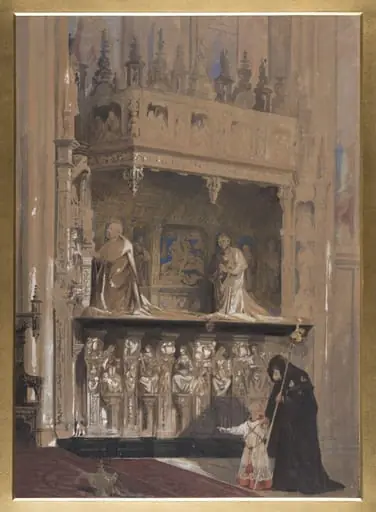 Monument of the Cardinald D'Amboise in Rouen Cathedral
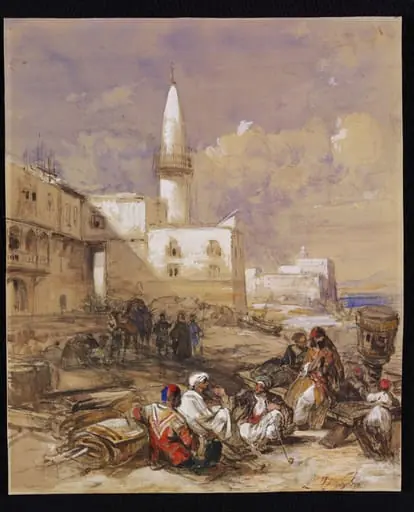 The Quay at Suez
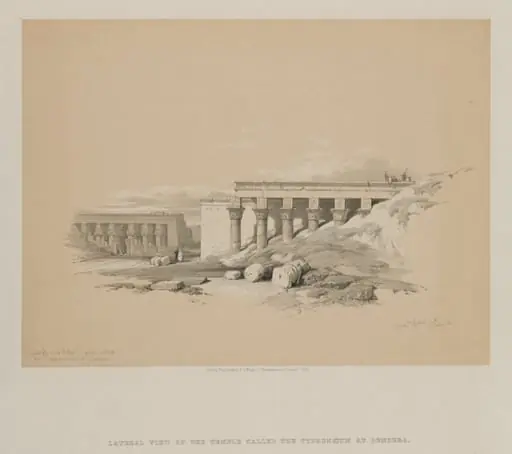 Egypt and Nubia, Volume II: Lateral View of the Temple called The Typhonoeum at Dendera
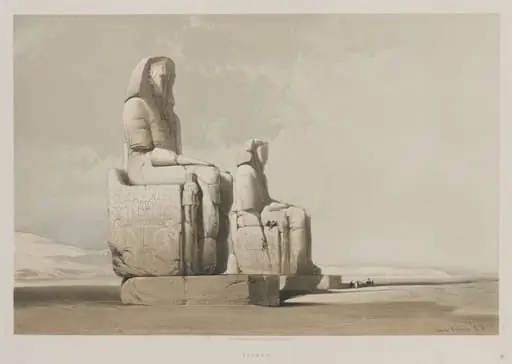 Egypt and Nubia, Volume I: Thebes
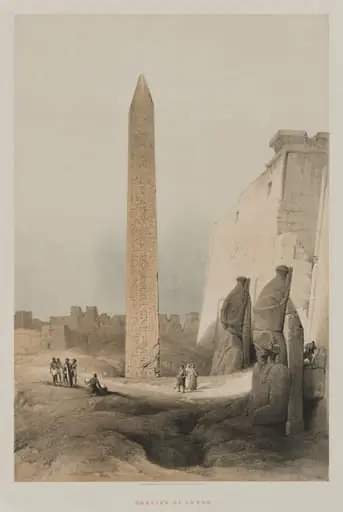 Egypt and Nubia, Volume I: Luxor
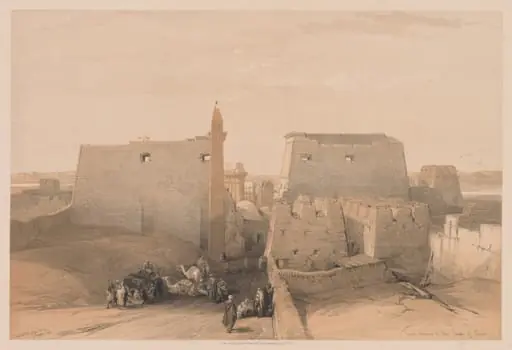 Egypt and Nubia: Volume II - No. 38, Grand Entrances to the Temple of Luxor
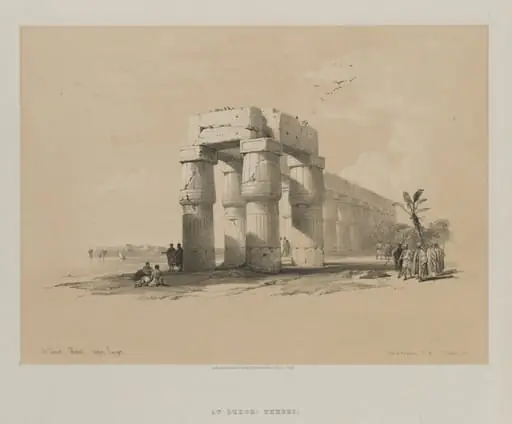 Egypt and Nubia, Volume I: At Luxor, Thebes, Upper Egypt
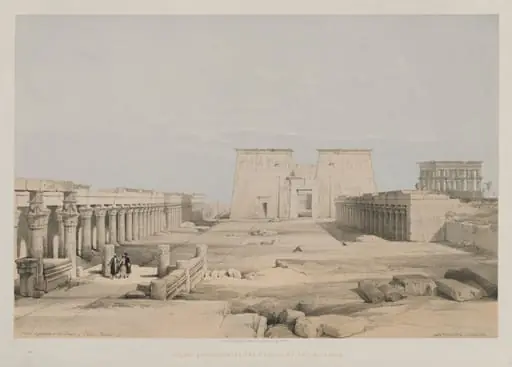 Egypt and Nubia, Volume I: Grand Approach to the Temple of Philae, Nubia
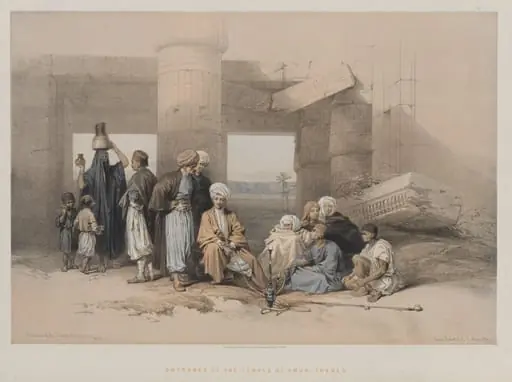 Egypt and Nubia, Volume II: Entrance of the Temple of Amun, Thebes
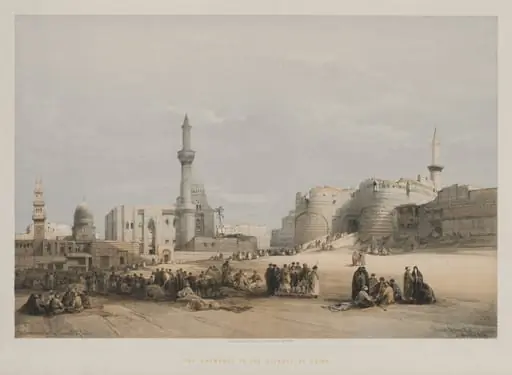 Egypt and Nubia, Volume III: The Entrance to the Citadel of Cairo
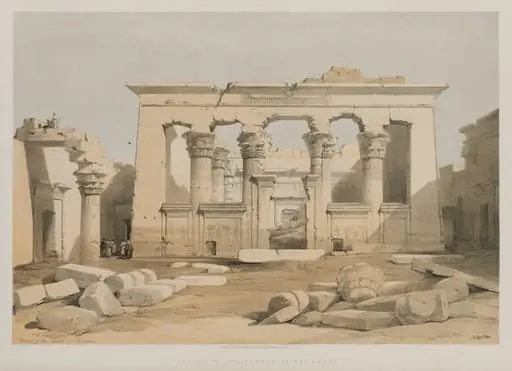 Egypt and Nubia, Volume I: Portico of the Temple of Kalabshe
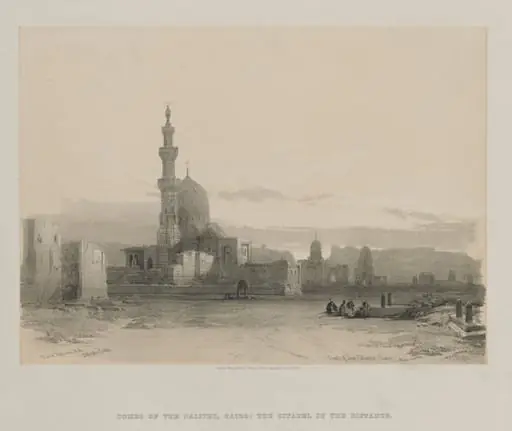 Egypt and Nubia, Volume III: Tombs of the Caliph's, Cairo
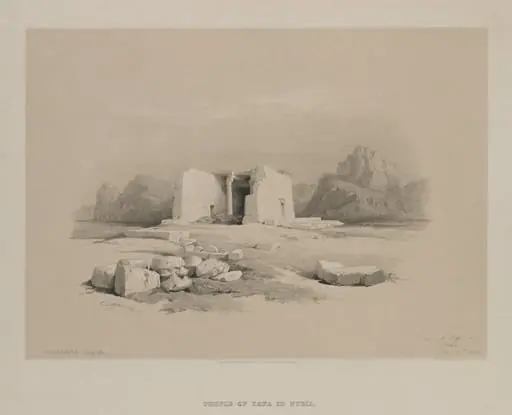 Egypt and Nubia, Volume I: Temple at Tafa in Nubia
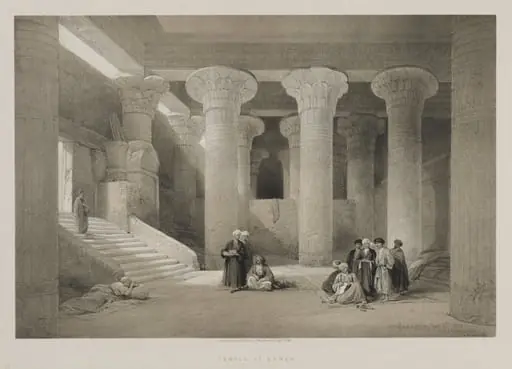 Egypt and Nubia, Volume I: Temple at Esneh
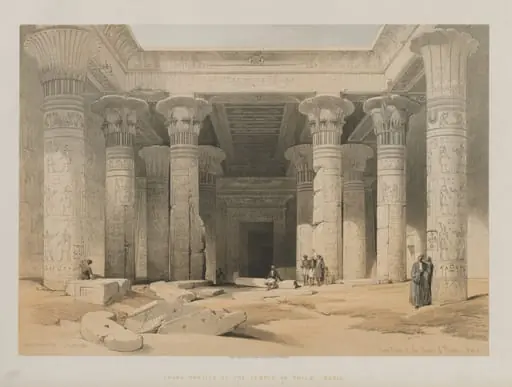 Egypt and Nubia, Volume I: Grand Portico of the Temple of Philae, Nubia