Artwork
Egypt and Nubia, Volume III: Gate of Victory and Minaret of the Mosque El Hakim
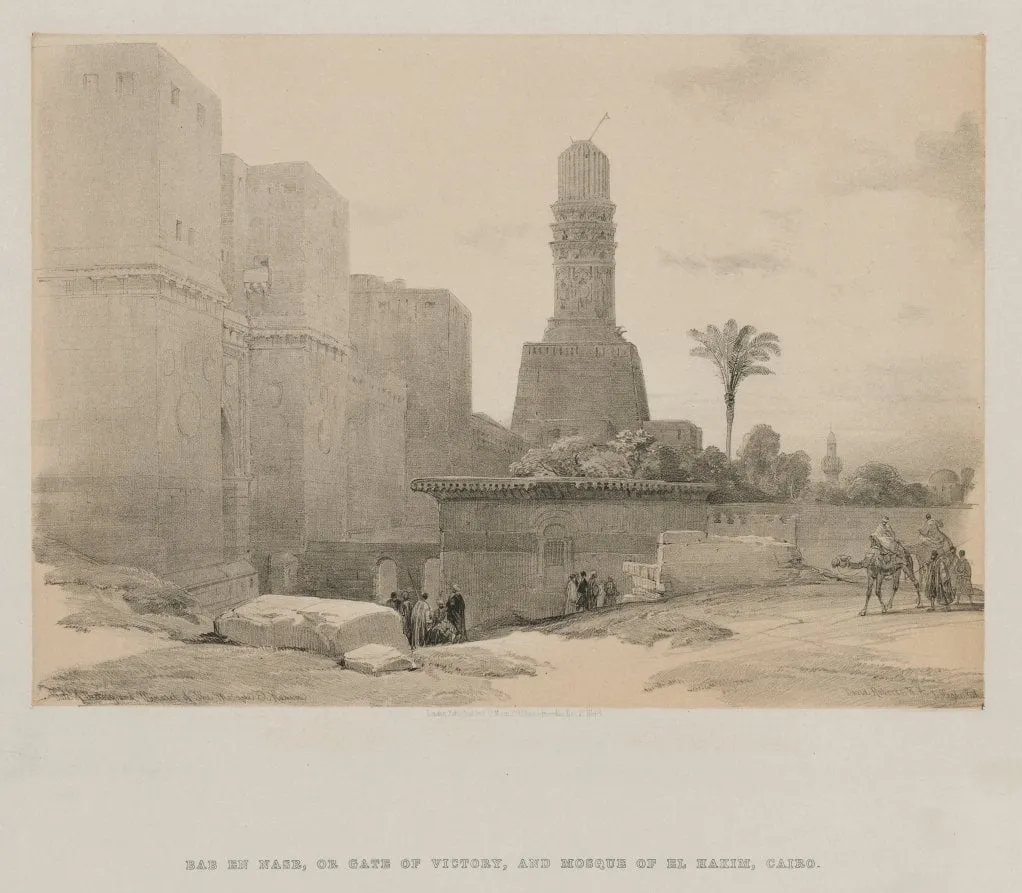
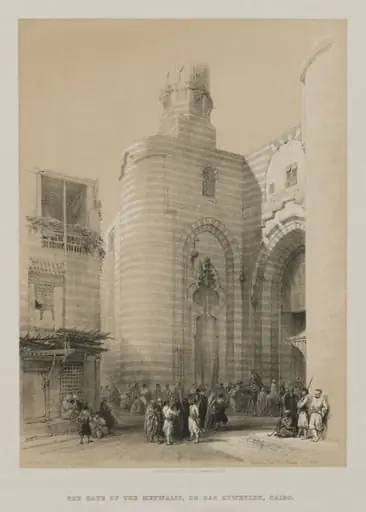
Egypt and Nubia, Volume III: Gate of Victory and Minaret of the Mosque El Hakim is a print by the Romanticist artist Louis Haghe. It dates from 1848 and is held in the collection of the Cleveland Museum of Art.
About this work
Overview
Haghe, a Belgian-born artist active in London, specialized in lithography and watercolor, and co-founded the influential printing firm Day & Haghe.
Created in 1848 by Louis Haghe, this lithograph is part of a three-volume series documenting architectural sites in Egypt and Nubia. Haghe, a Belgian-born artist active in London, specialized in lithography and watercolor, and co-founded the influential printing firm Day & Haghe. The work reflects the mid-19th-century European effort to record the built heritage of North Africa through precise, atmospheric prints, intended for scholarly and public audiences.
Subject & Meaning
The image captures the Gate of Victory and the minaret of the Mosque of Al-Hakim in Cairo, structures with roots in medieval Islamic architecture. The inclusion of figures near the gate suggests daily life amid historic monuments, subtly emphasizing continuity between past and present. Rather than idealizing the scene, the composition presents it as a quiet, lived-in space, aligning with the era’s growing interest in ethnographic accuracy over romanticized exoticism.
Technique & Style
Haghe employed lithography to achieve fine tonal gradations and delicate detail, using muted earth tones to convey the weathered texture of stone and the hazy atmosphere of the Egyptian landscape. Light is carefully modulated to define architectural contours and cast soft shadows, enhancing the sense of depth. The absence of vivid color and the restrained palette reflect both the technical limits of lithographic printing and a deliberate aesthetic choice to evoke historical gravity.
History & Provenance
The print was produced as part of a published series commissioned to document monuments along the Nile, a project aligned with European antiquarian interests of the time. It entered the collection of The Cleveland Museum of Art through later acquisitions, where it remains as part of a broader holding of 19th-century topographical prints. Its preservation reflects its value as a historical record rather than a purely artistic object.
Context
This work emerged during a period of heightened European exploration and documentation of the Middle East, spurred by archaeological expeditions and colonial expansion. While Romanticism influenced the mood of such images, Haghe’s approach leaned toward topographical precision, aligning more closely with emerging scientific documentation practices. The series contributed to Western understanding of Islamic architecture, often through a lens of cultural preservation.
Legacy
Haghe’s lithographs helped shape European visual knowledge of Egypt and Nubia in the decades before widespread photography. Though later superseded by photographic records, his prints retain value as artifacts of 19th-century visual culture—bridging art, science, and imperial curiosity. Today, they serve as reference points for architectural historians and scholars studying the reception of Islamic heritage in the West.
Artist & collection
Artist
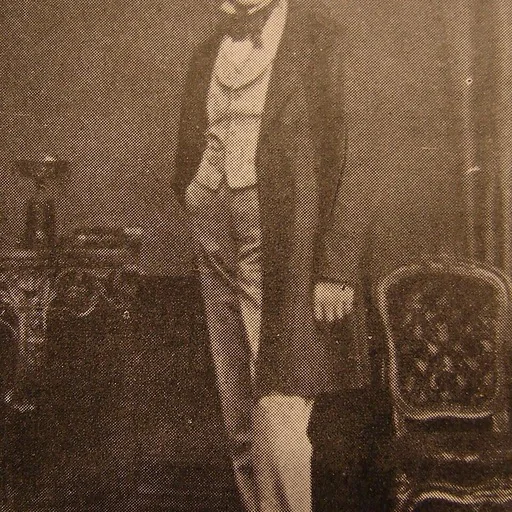
Louis Haghe (17 March 1806 – 9 March 1885) was a lithographer and watercolourist from the Netherlands and then the United Kingdom.

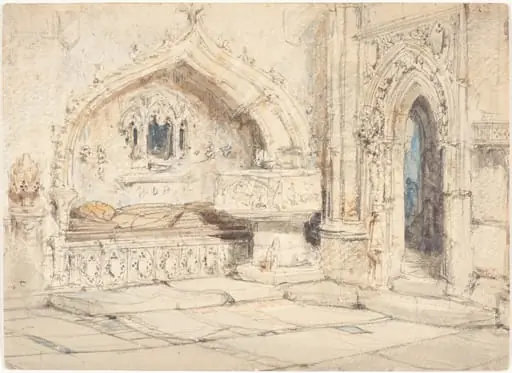 Interior of a Church with a Wall Tomb and Medieval Font
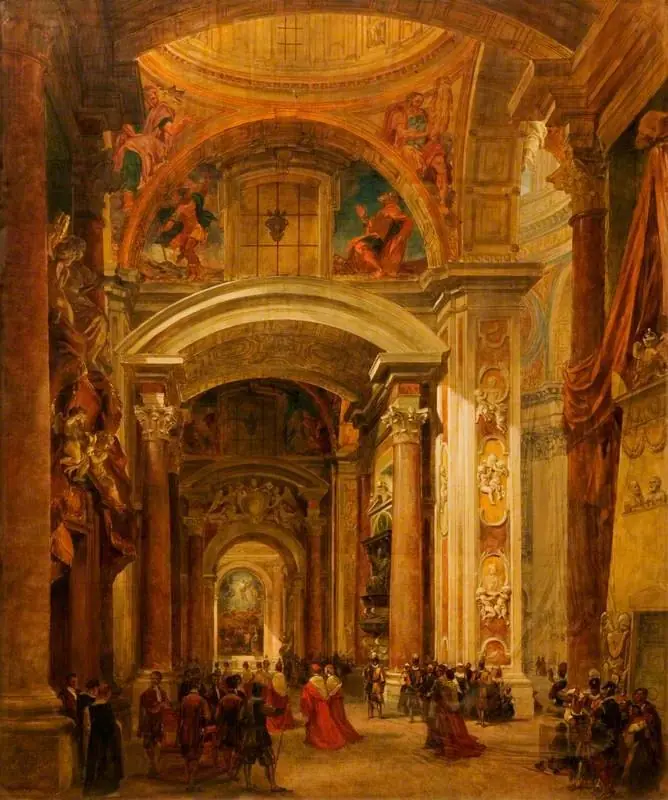 Interior of St Peter's, Rome
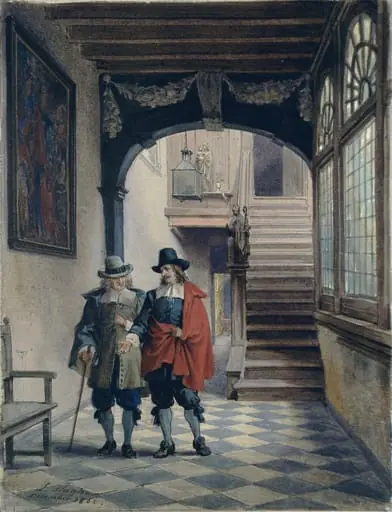 The Corridor, Brewer's Hall, Antwerp
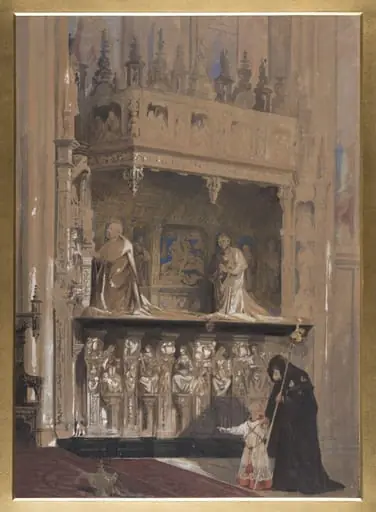 Monument of the Cardinald D'Amboise in Rouen Cathedral
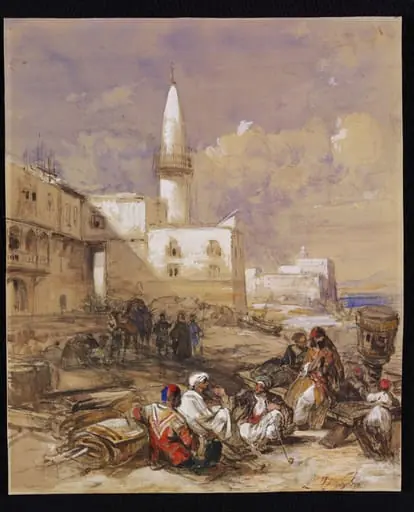 The Quay at Suez
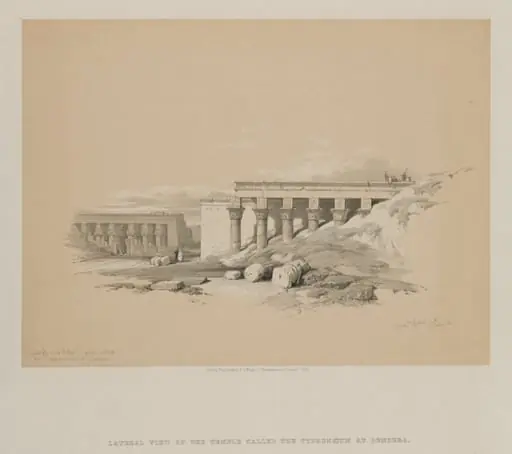 Egypt and Nubia, Volume II: Lateral View of the Temple called The Typhonoeum at Dendera
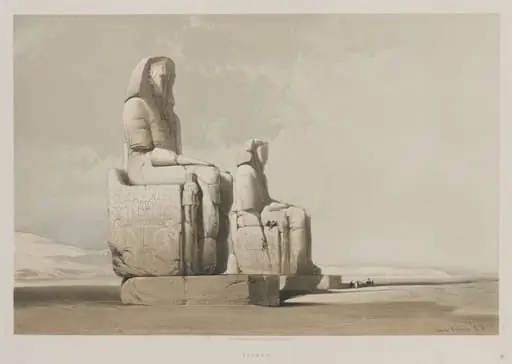 Egypt and Nubia, Volume I: Thebes
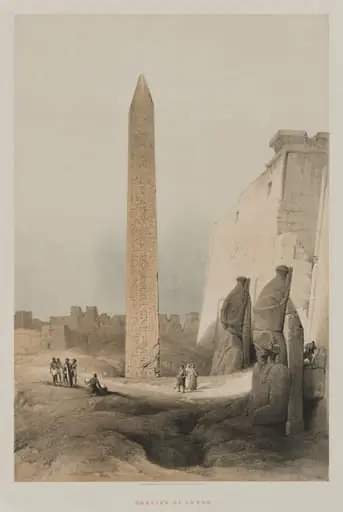 Egypt and Nubia, Volume I: Luxor
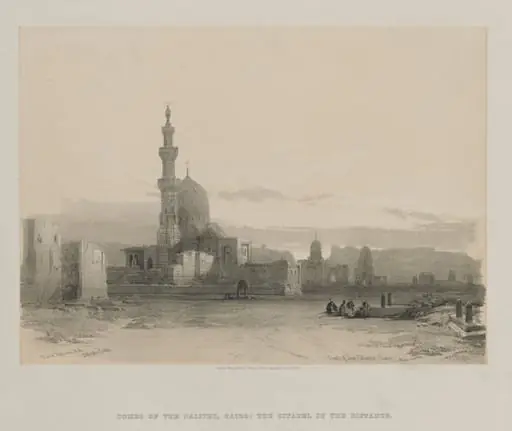 Egypt and Nubia, Volume III: Tombs of the Caliph's, Cairo
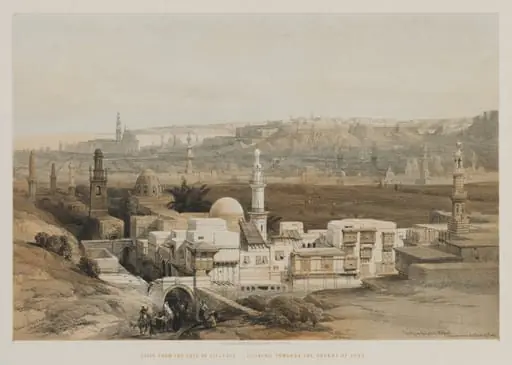 Egypt and Nubia, Volume III: Cairo from the Gate of Citzenib, Looking towards the Desert of Suez
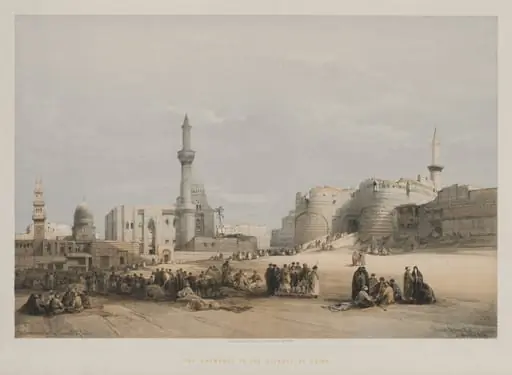 Egypt and Nubia, Volume III: The Entrance to the Citadel of Cairo
![Egypt and Nubia, Volume III: Tombs of the Caliphs-Cairo. Mosque of Ayed Be[y], by Louis Haghe](https://artifactworldgallery.com/img/louis-haghe--egypt-and-nubia-volume-iii-tombs-of-the-caliphs-cairo-mosque--9062e89e981f8684-w320.webp) Egypt and Nubia, Volume III: Tombs of the Caliphs-Cairo. Mosque of Ayed Be[y]
Egypt and Nubia, Volume III: Tombs of the Caliphs-Cairo. Mosque of Ayed Be[y]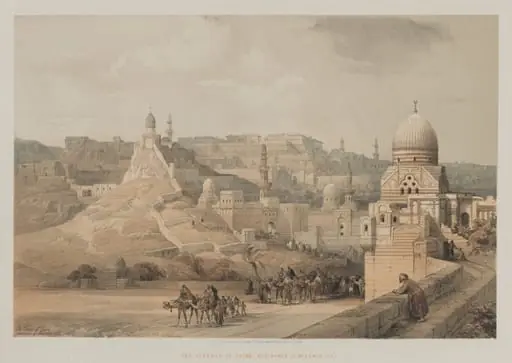 Egypt and Nubia, Volume III: The Citadel of Cairo, Residence of Mehemet Ali
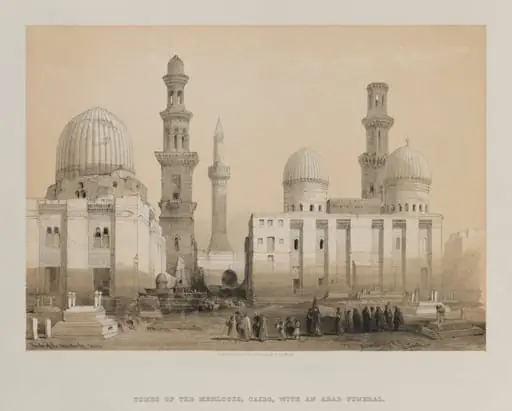 Egypt and Nubia, Volume III: Tomb of the Memlooks, Cairo
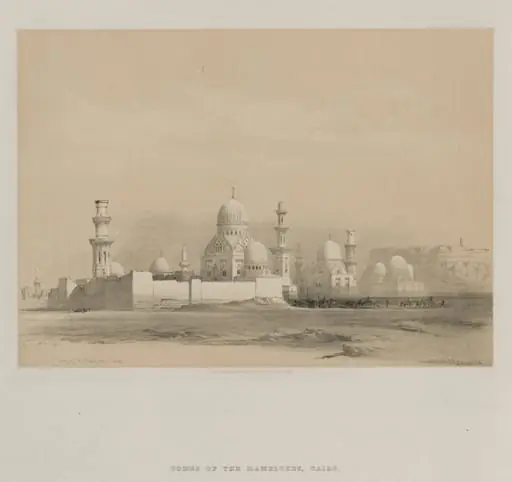 Egypt and Nubia, Volume III: Tombs of the Memlooks, Cairo
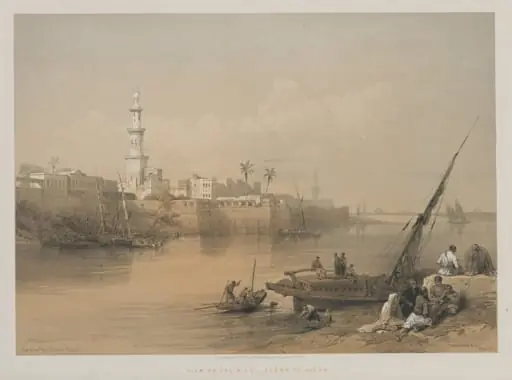 Egypt and Nubia, Volume III: View on the Nile, Ferry to Gizeh
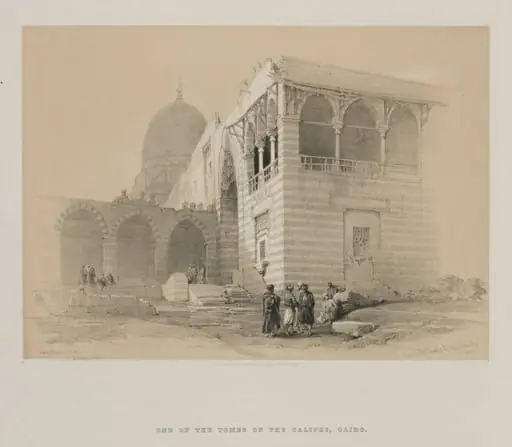 Egypt and Nubia, Volume III: One of the Tombs of the Khalifs, Cairo
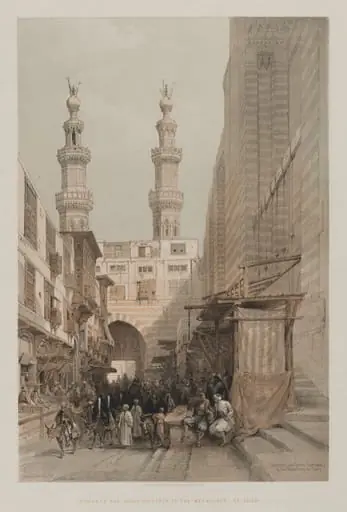 Egypt and Nubia, Volume III: Minarets, and Grand Entrance of the Metwaleys, at Cairo
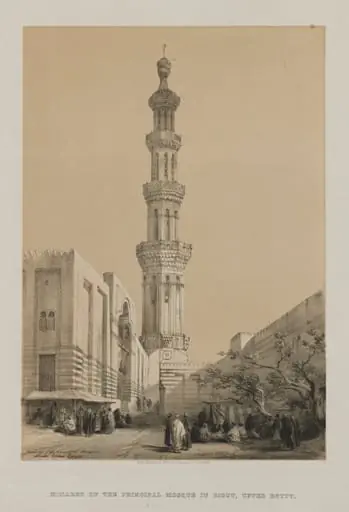 Egypt and Nubia, Volume III: Minaret of the Principal Mosque Siout, Upper Egypt
 Egypt and Nubia, Volume III: Gate of the Metwaleys, Cairo