Artwork
Facade of the Jummah Musjid, Delhi
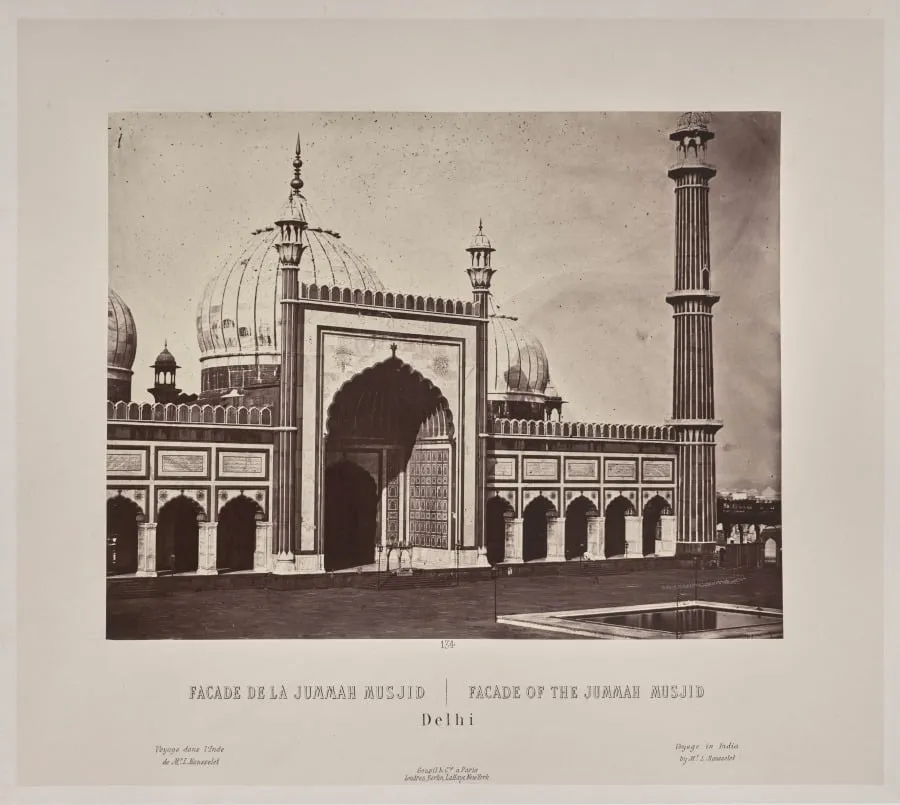
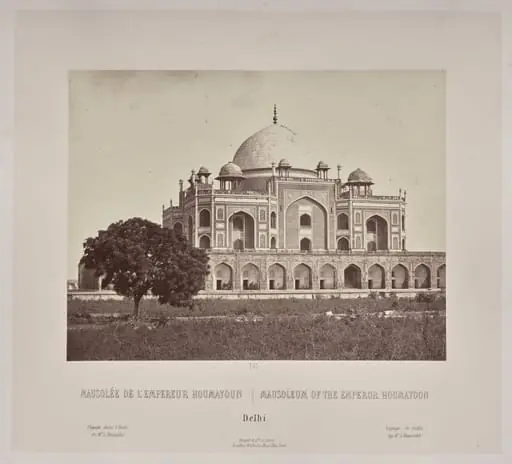
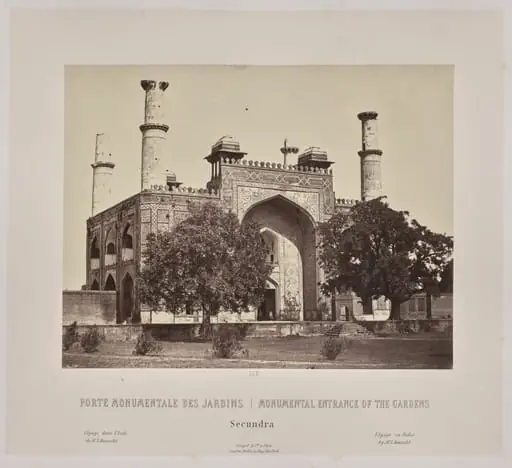
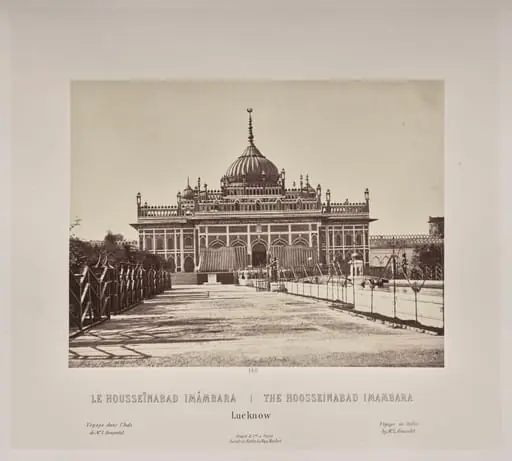
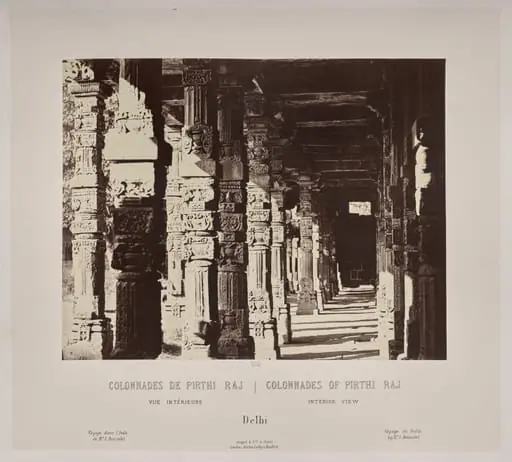
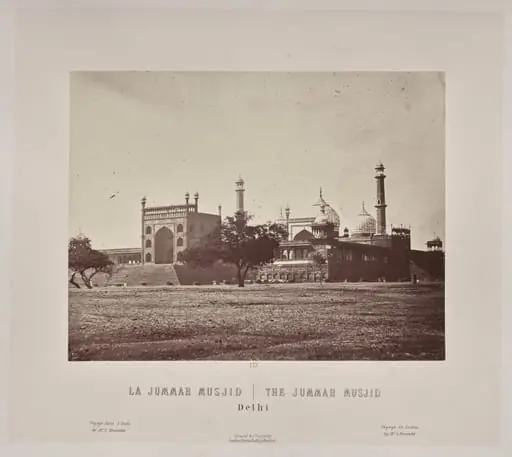
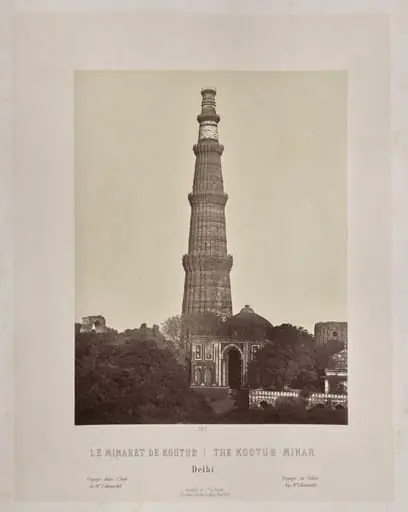
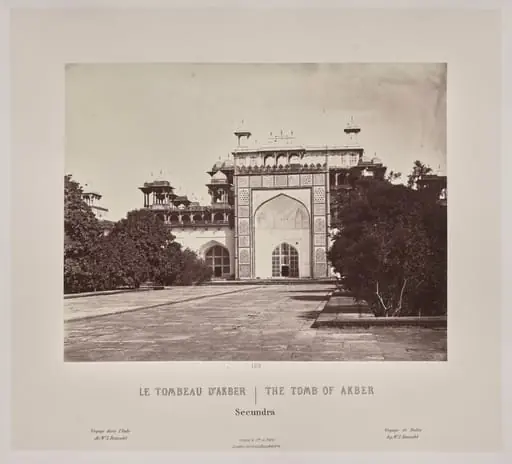
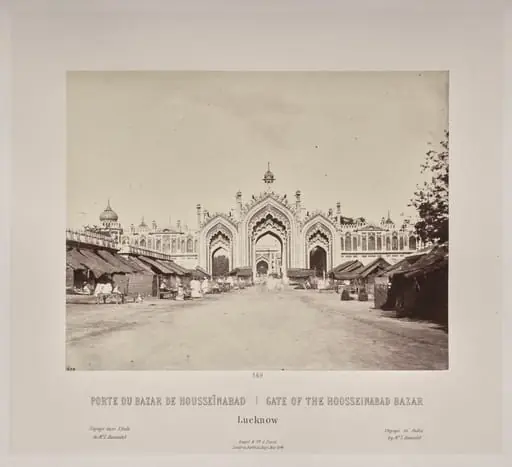
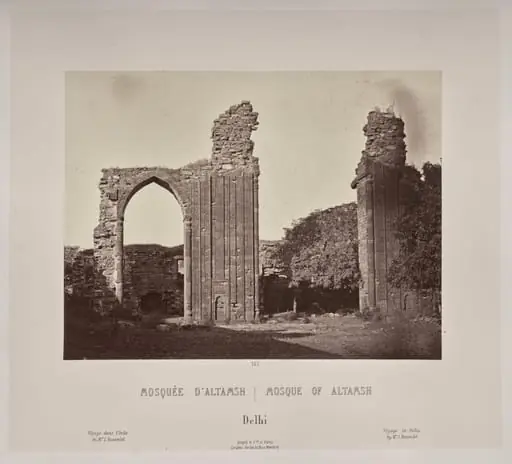
Facade of the Jummah Musjid, Delhi is a photography by the Impressionist artist Louis-Théophile Marie Rousselet. It dates from 1866 and is held in the collection of the Cleveland Museum of Art. Taken during a journey through northern India in the 1860s, this photograph captures the Jummah Musjid in Delhi.
About this work
He worried his sketches weren’t showing the buildings clearly, so he learned photography there—something few Europeans had done.
You see a tall, white mosque with arched windows and a pointed dome, set against a bright sky.
Rousselet drew this while traveling in India in the 1860s. He worried his sketches weren’t showing the buildings clearly, so he learned photography there—something few Europeans had done. This image is from a book of his photos and drawings.
If you like this, look up more works in the subject of *france, 19th century*.
Overview
Taken during a journey through northern India in the 1860s, this photograph captures the Jummah Musjid in Delhi. Created by French traveler Charles Rousselet, it reflects his shift from sketching to photography after concluding that drawings failed to convey the architectural detail and scale of Indian monuments. The image is part of a published album combining his photographic and drawn records of the region.
Subject & Meaning
The Jummah Musjid, a prominent mosque with a white facade, arched windows, and a central dome, represents the enduring legacy of Mughal architecture. Its inclusion in Rousselet’s collection underscores its significance as a site of religious and political authority. The photograph does not depict human activity, emphasizing the structure’s presence as a silent witness to centuries of history.
Technique & Style
Rousselet employed early photographic methods to achieve sharp tonal contrast and precise architectural detail. His composition centers the mosque against an open sky, minimizing distractions and highlighting symmetry. The clarity of the image suggests careful exposure and framing, reflecting his rapid mastery of a technically demanding medium unfamiliar to most Western travelers of the time.
History & Provenance
The photograph was produced during Rousselet’s extended stay in India between 1864 and 1868. It was later published in a volume of his photographic and drawn works, one of the earliest European-made visual records of Indian monuments. The album served both as a personal archive and a documentary resource for audiences in Europe unfamiliar with South Asian architecture.
Context
In the mid-19th century, European travelers increasingly turned to photography to document colonial territories. Rousselet’s adoption of the medium was unusual for its time, especially among non-professionals. His work contributed to a growing visual archive of India’s architectural heritage, shaped by colonial curiosity but also by genuine appreciation for local craftsmanship.
Legacy
Rousselet’s photographs remain valuable as early visual records of monuments now altered or degraded. His decision to learn photography in situ, rather than rely on sketches, marked a shift toward empirical documentation in travel literature. His album continues to be referenced by historians studying 19th-century perceptions of Indian heritage and the evolution of photographic practice in colonial contexts.
Artist & collection
Artist
Louis-Théophile Marie Rousselet
Louis-Théophile Marie Rousselet (1845–1929) was a French artist.