Artwork
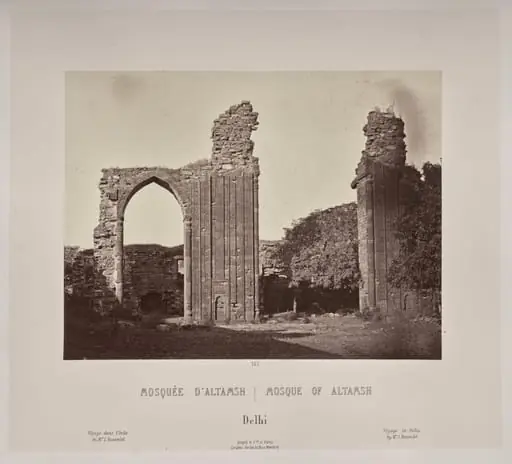
Tomb of Altamsh, Delhi
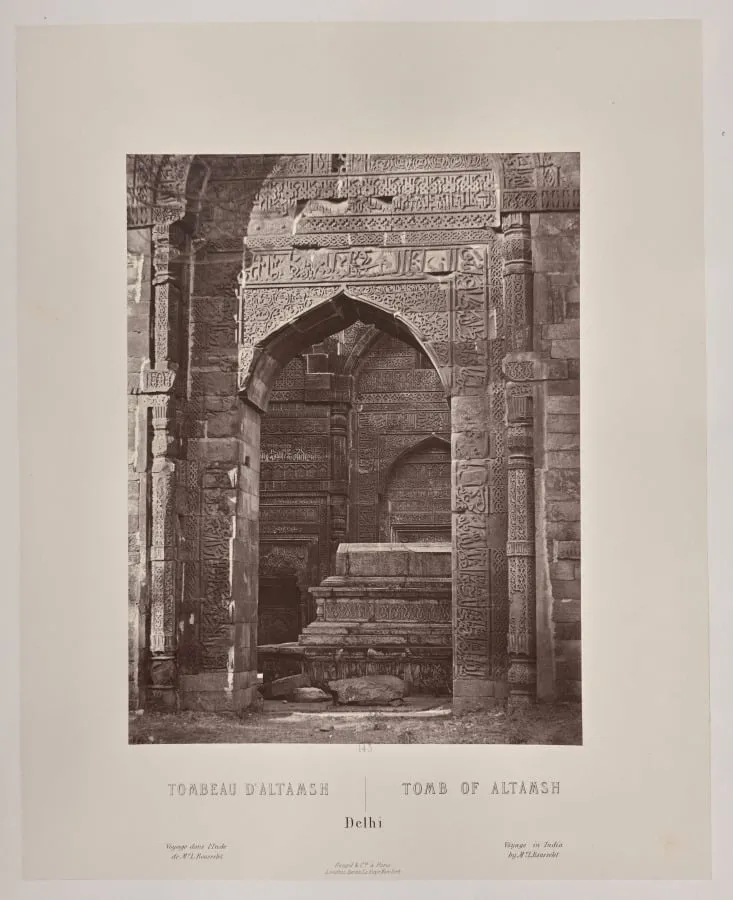
Tomb of Altamsh, Delhi is a photography by the Impressionist artist Louis-Théophile Marie Rousselet. It dates from 1866 and is held in the collection of the Cleveland Museum of Art.
About this work
Overview
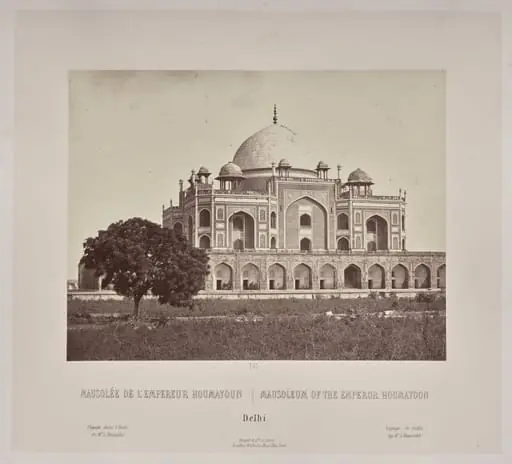
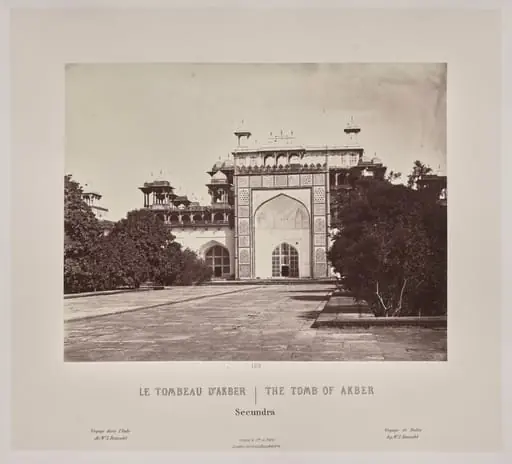
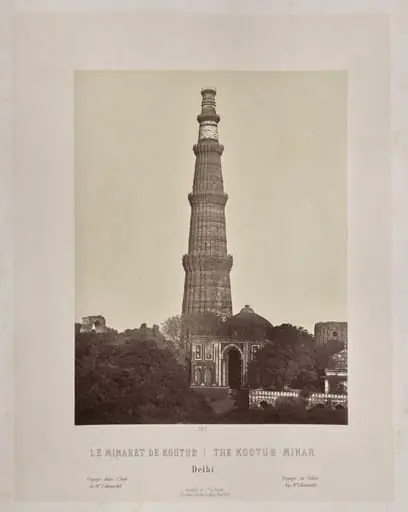
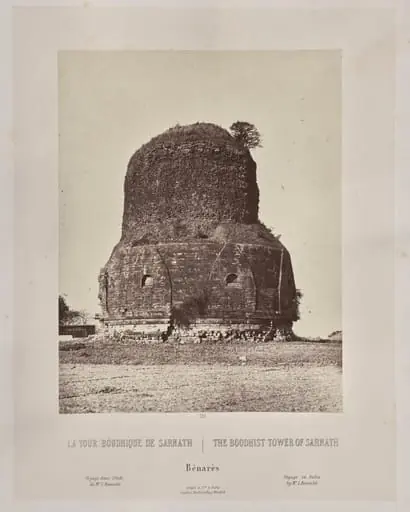
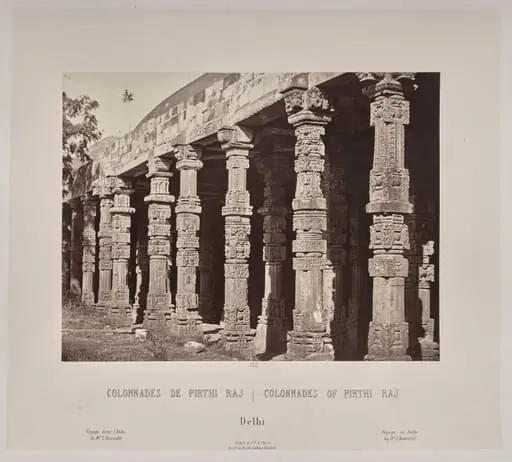
This photograph, taken by French artist Louis Rousselet in Delhi, captures the Tomb of Altamsh, one of the earliest surviving monuments of the Delhi Sultanate.
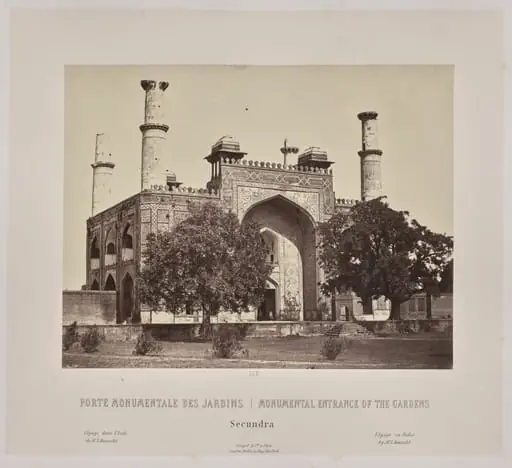
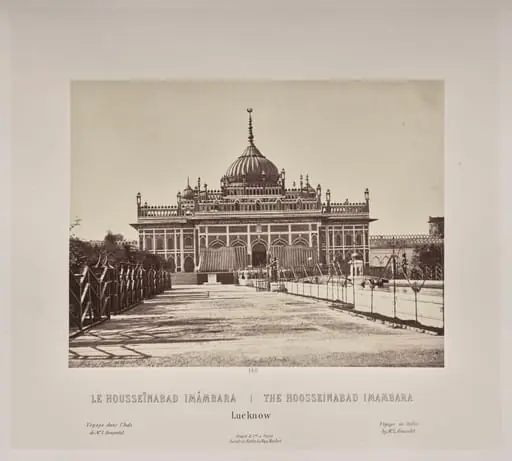
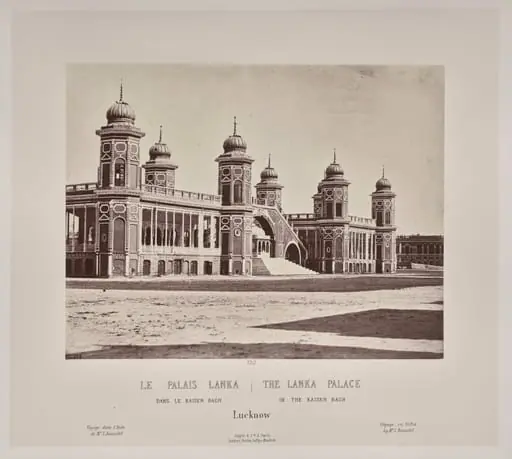
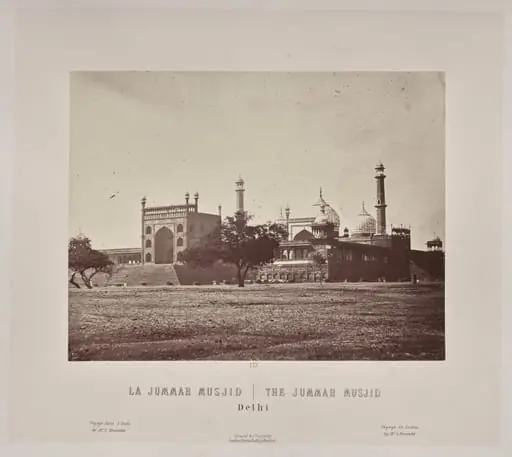
This photograph, taken by French artist Louis Rousselet in Delhi, captures the Tomb of Altamsh, one of the earliest surviving monuments of the Delhi Sultanate. Rousselet, initially a sketch artist, turned to photography in India to better document the architectural grandeur he felt his drawings could not convey. His use of the camera marked him as among the first Europeans to systematically photograph India’s historic sites, transforming visual record-keeping in the region.
Subject & Meaning
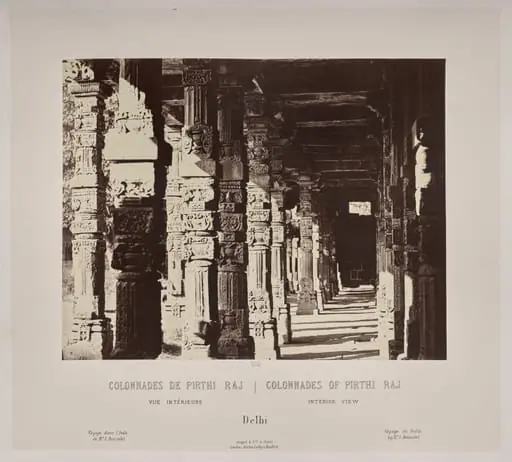
The tomb stands as a solemn monument to Sultan Shams-ud-din Iltutmish, a foundational ruler of the Delhi Sultanate. Framed by arched colonnades and bathed in sharp daylight, the structure’s weathered stone surfaces and intricate carvings evoke a sense of quiet endurance. The image conveys neither celebration nor decay, but a stillness that suggests time suspended—offering a contemplative view of imperial legacy through absence.
Technique & Style
Rousselet employed early photographic methods to achieve strong contrasts between light and shadow, enhancing the texture of carved stonework. His composition emphasizes symmetry and depth, using architectural lines to guide the viewer’s eye. The deliberate use of natural light, without artificial intervention, reflects a sensitivity to the monument’s spatial rhythm and material presence, aligning with principles of chiaroscuro adapted to the photographic medium.
History & Provenance
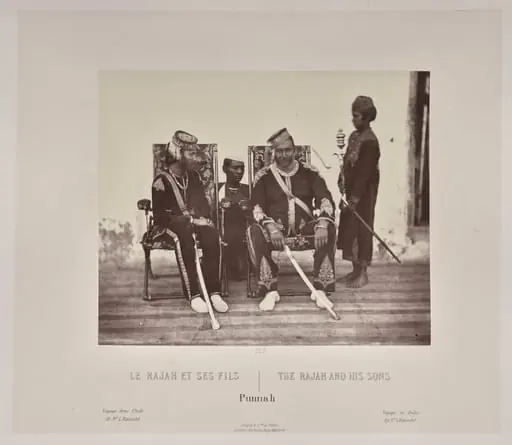
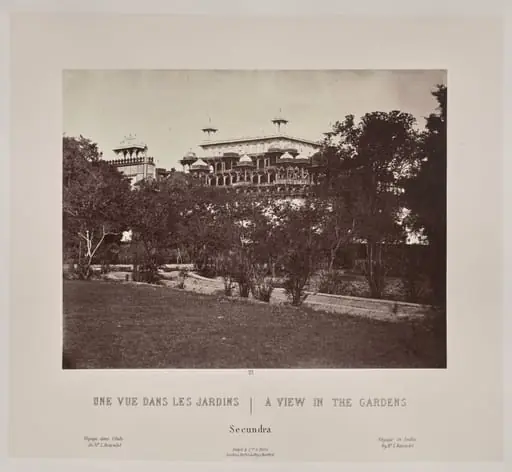
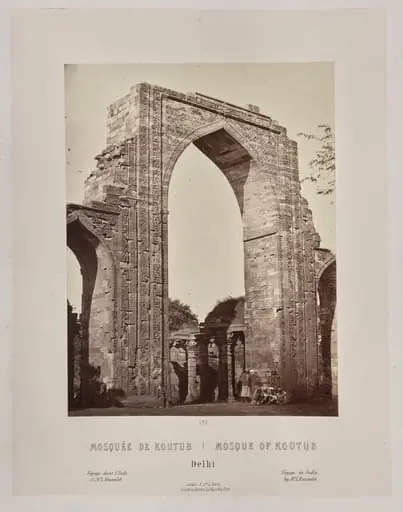
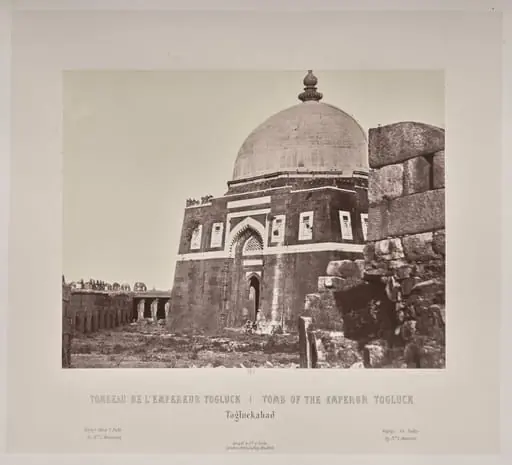
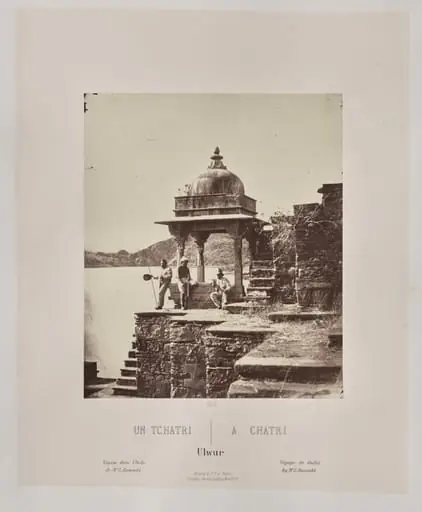
Rousselet produced this image during his travels across northern India in the 1860s, a period when photographic documentation of heritage sites was rare. The photograph was later included in his published album, which featured sites from Varanasi to Alwar, documenting Sultanate, Rajput, and Mughal architecture. As one of the earliest photographic records of the tomb, it remains a key reference for architectural historians studying the monument’s pre-colonial condition.
Context
In mid-19th century India, photography was emerging as a tool for both colonial documentation and personal exploration. Rousselet’s work stood apart by its focus on architectural integrity rather than exoticism. His decision to photograph rather than paint reflected a broader shift in how cultural heritage was perceived—valuing accuracy over interpretation, and silence over spectacle.
Legacy
Rousselet’s photographs of Indian monuments helped shape early Western understanding of South Asian architecture. His technical skill and restrained aesthetic influenced subsequent generations of documentarians. The Tomb of Altamsh image endures not as a novelty, but as a precise, unembellished record of a structure whose significance had outlived its builders, preserved through the quiet mechanics of the camera.
Artist & collection
Artist
Louis-Théophile Marie Rousselet
Louis-Théophile Marie Rousselet (1845–1929) was a French artist.