Artwork
The Lanka Palace in the Kaiser Bach, Lucknow
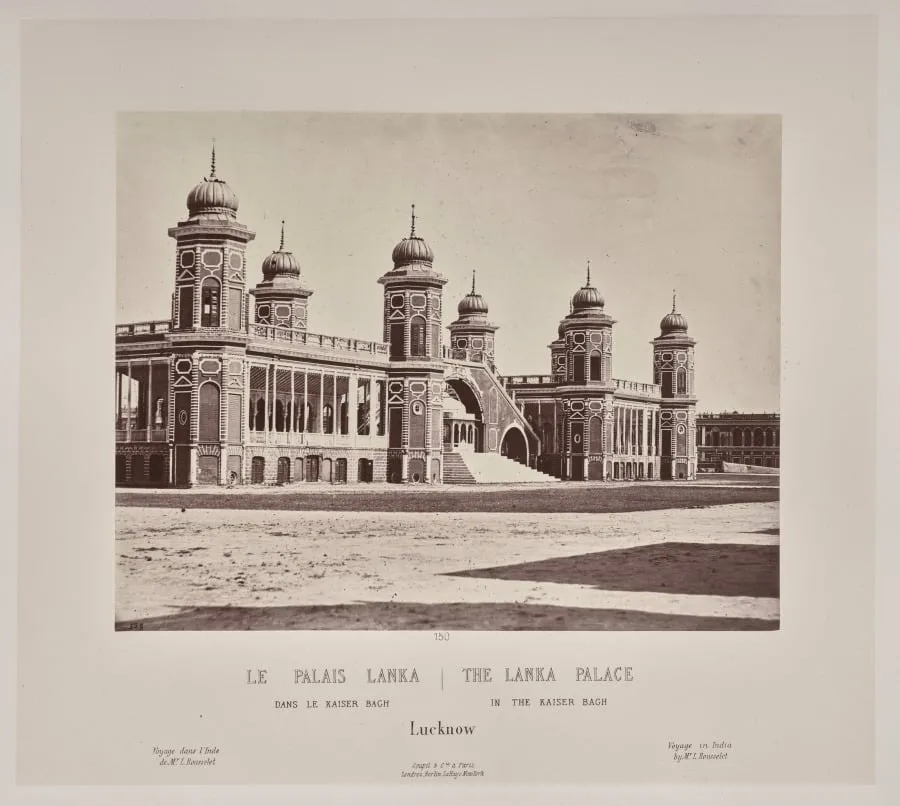
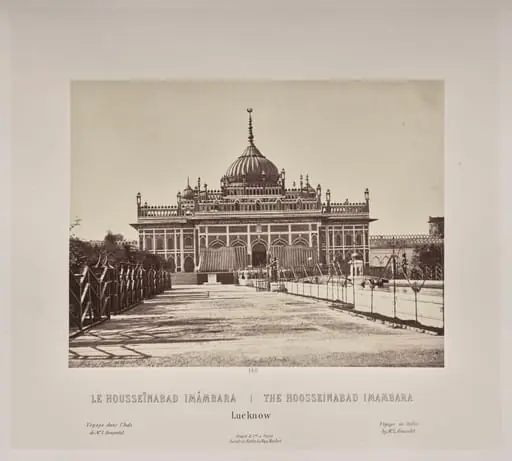
The Lanka Palace in the Kaiser Bach, Lucknow is a photography by the Impressionist artist Louis-Théophile Marie Rousselet. It dates from 1866 and is held in the collection of the Cleveland Museum of Art.
About this work
He worried his sketches couldn’t show the real scale, so he taught himself photography there—something few Europeans did at the time.
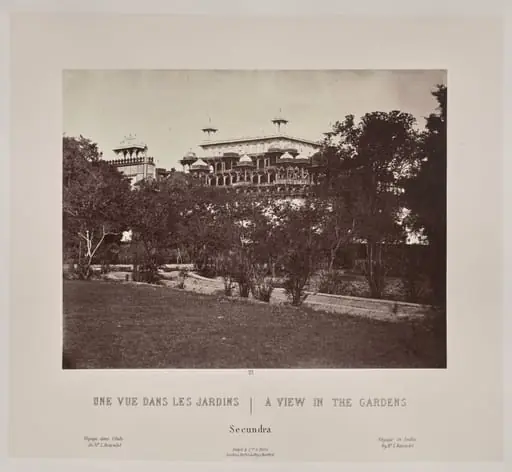
You see a grand palace lit by golden light, its domes and arches rising against a dusky sky. Figures in loose robes walk the terraces, tiny against the towering stone.
Rousselet drew this while traveling through India in the 1860s. He worried his sketches couldn’t show the real scale, so he taught himself photography there—something few Europeans did at the time. The palace in the picture is actually in Lucknow, not Lanka, a mix-up that stuck.
To see how other artists drew faraway places, look up *subject: france, 19th century*.
Overview
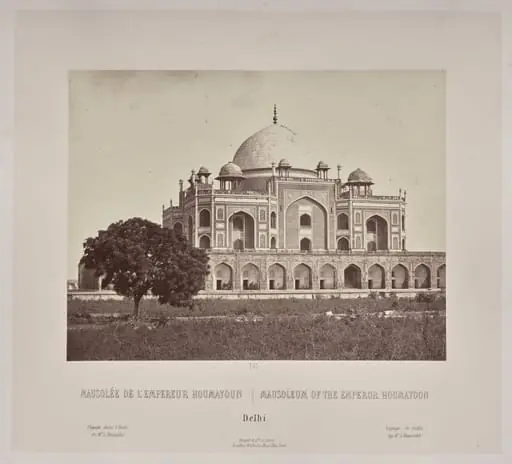
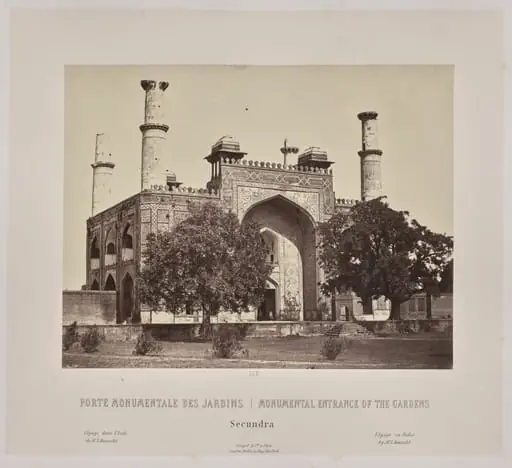
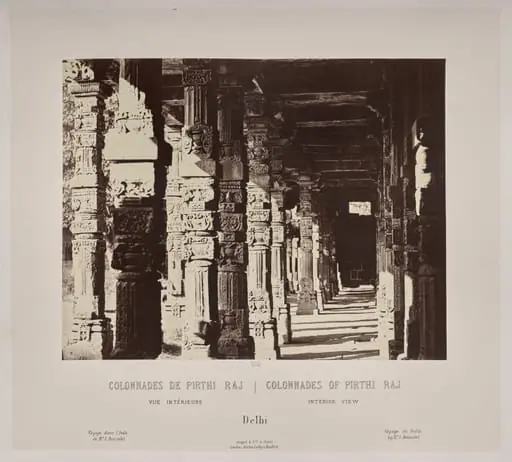
The Lanka Palace in the Kaiser Bach, Lucknow is a photograph taken by Rousselet during his travels in India in the 1860s. Initially relying on drawings, Rousselet learned photography in India to better capture the grandeur of its monuments. This image showcases his photographic skill, depicting a majestic palace at dusk, with figures on its terraces dwarfed by the imposing architecture.
Subject & Meaning
The subject of the photograph is actually a palace in Lucknow, misidentified as the Lanka Palace. Despite the error, the image conveys Rousselet's fascination with Indian monumental architecture, highlighting the blend of domes, arches, and terraces under a warm, golden light.
Technique & Style
Rousselet's self-taught photography skills in India are evident in the sophisticated composition of this piece. The use of dusky sky and golden light on the palace's architecture demonstrates his ability to capture the essence of Indian monuments, which his drawings had previously failed to convey.
History & Provenance
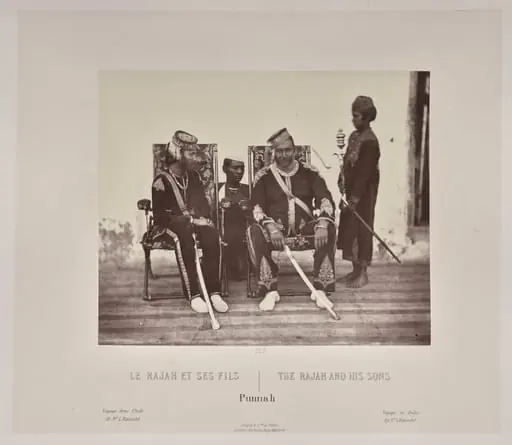
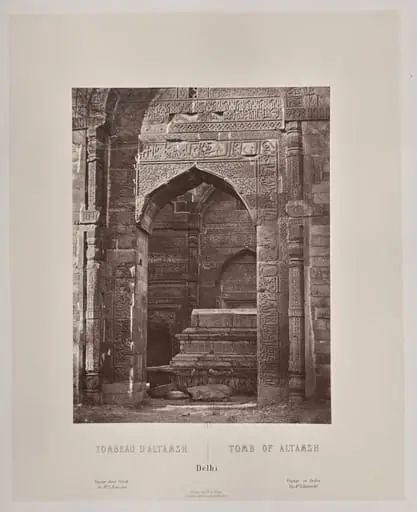
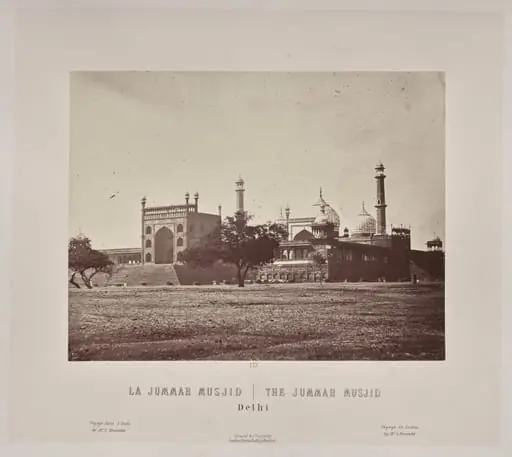
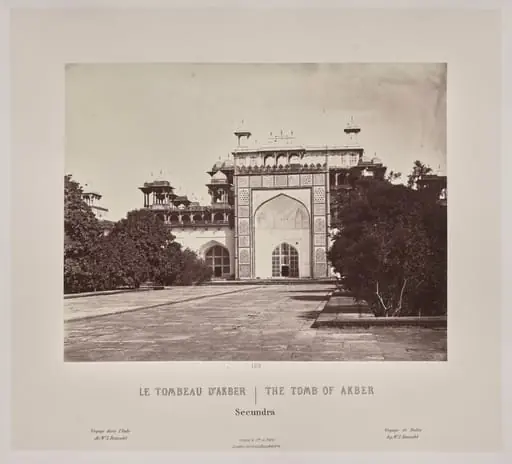
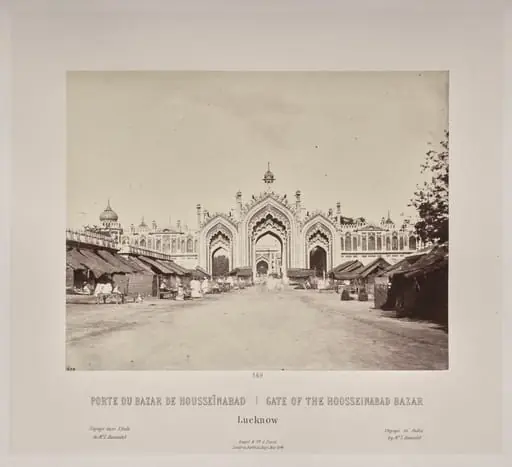
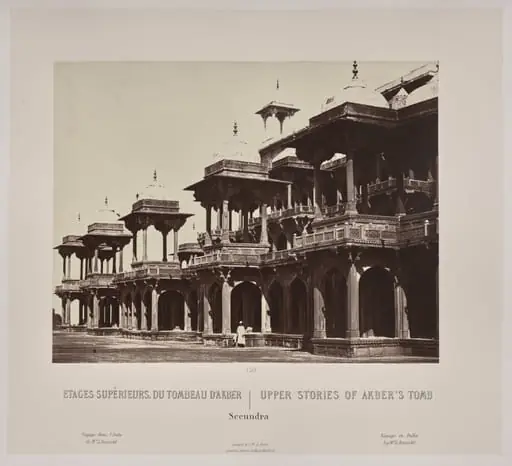
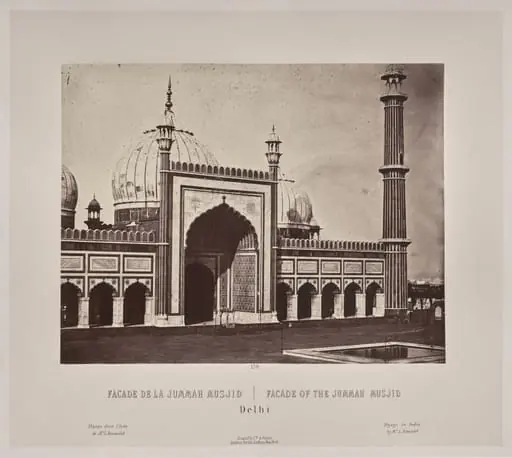
Created in the 1860s, this photograph is part of a collection capturing sites of Sultanate, Rajput, and Mughal power in northern India, including industrial scenes and portraits of rulers. Rousselet's adoption of photography in India was a notable feat for a European at the time.
Context
This work can be contextualized within 19th-century European artistic explorations of distant lands. For comparisons with contemporary French artists' depictions of foreign locales, see *subject: france, 19th century*.
Artist & collection
Artist
Louis-Théophile Marie Rousselet
Louis-Théophile Marie Rousselet (1845–1929) was a French artist.