Artwork
The Rajah and His Sons, Punnah
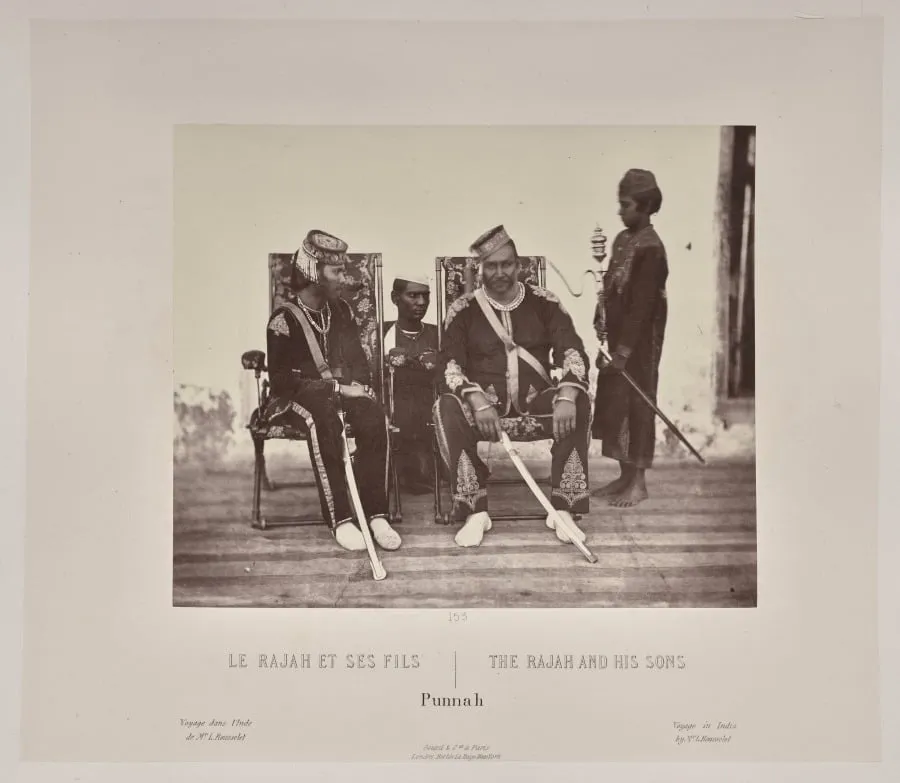
The Rajah and His Sons, Punnah is a photography by the Impressionist artist Louis-Théophile Marie Rousselet. It dates from 1866 and is held in the collection of the Cleveland Museum of Art.
About this work
Overview
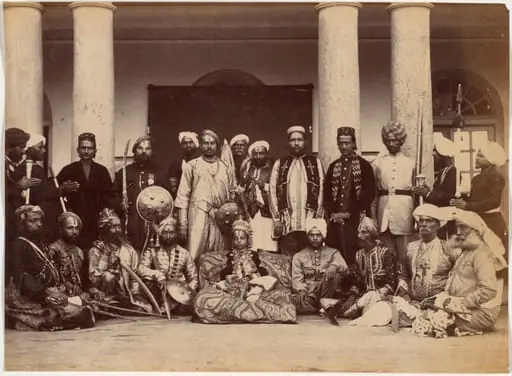
The Rajah and His Sons, Punnah is a photograph taken by Rousselet in India during the 1860s. The image depicts a bearded rajah in white attire seated on a low throne, accompanied by three sons adorned in opulent fabrics and jewelry.
Subject & Meaning
The photograph captures a domestic scene of Indian nobility, conveying the wealth and status of the rajah and his family through their attire and regal setting. The image provides a glimpse into the lives of India's ruling classes during the period.
Technique & Style
Rousselet employed a sophisticated composition, leveraging chiaroscuro to accentuate the subjects' faces through strategic light and shadow. This technique adds depth and visual interest to the photograph.
History & Provenance
Created in India during Rousselet's 1860s travels, the photograph was part of his efforts to accurately document Indian monuments and life after finding his drawings insufficient. He learned photography in India to achieve this goal.
Context
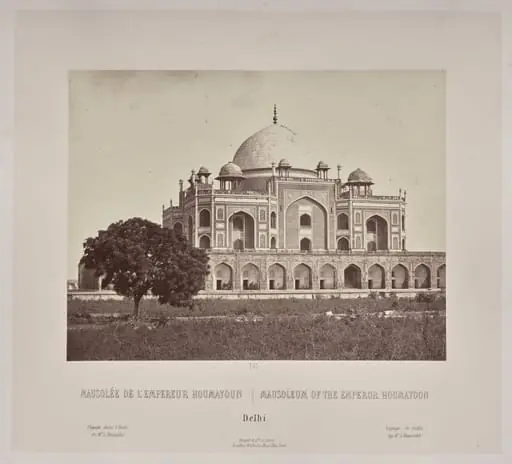
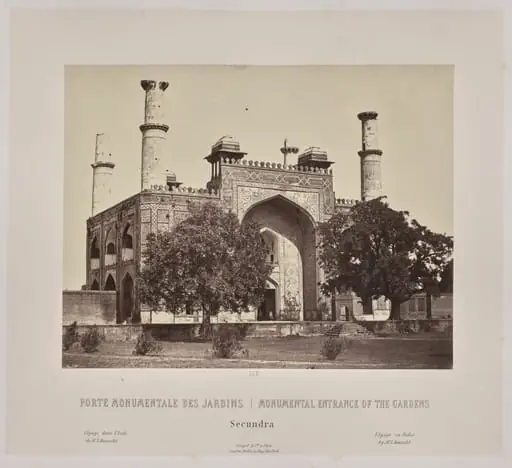
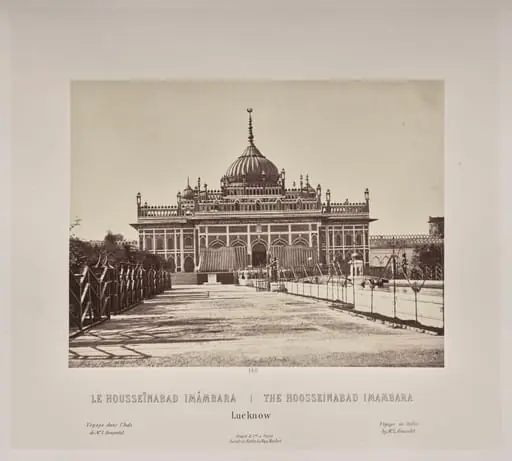
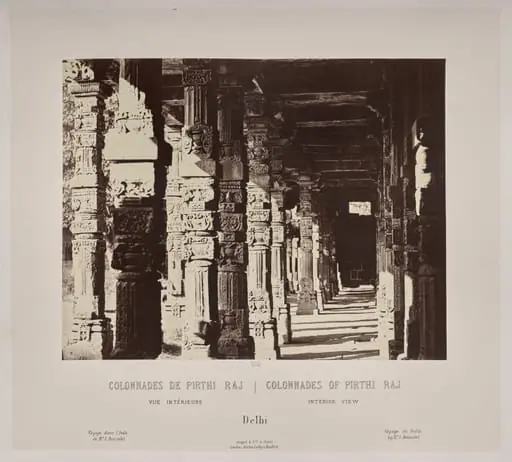
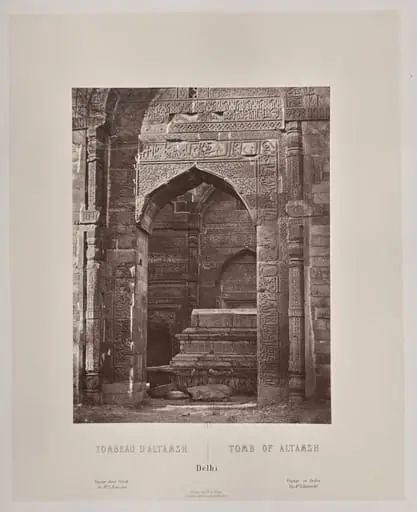
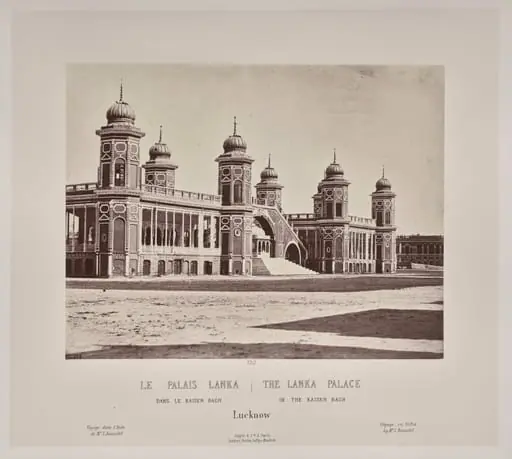
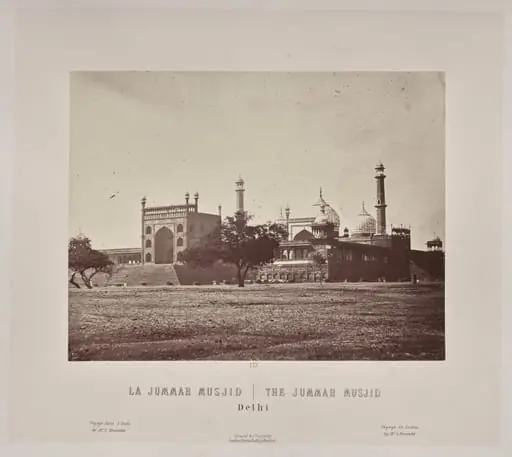
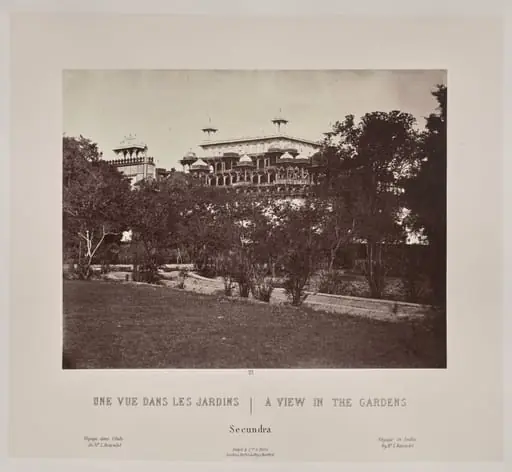
The photograph is one of many taken by Rousselet across northern India, spanning sites of Sultanate, Rajput, and Mughal power, as well as scenes of industry and portraits of rulers, collectively showcasing the region's diversity and grandeur.
Artist & collection
Artist
Louis-Théophile Marie Rousselet
Louis-Théophile Marie Rousselet (1845–1929) was a French artist.