Artwork
Mausoleum of the Emperor Hoomayoon, Delhi
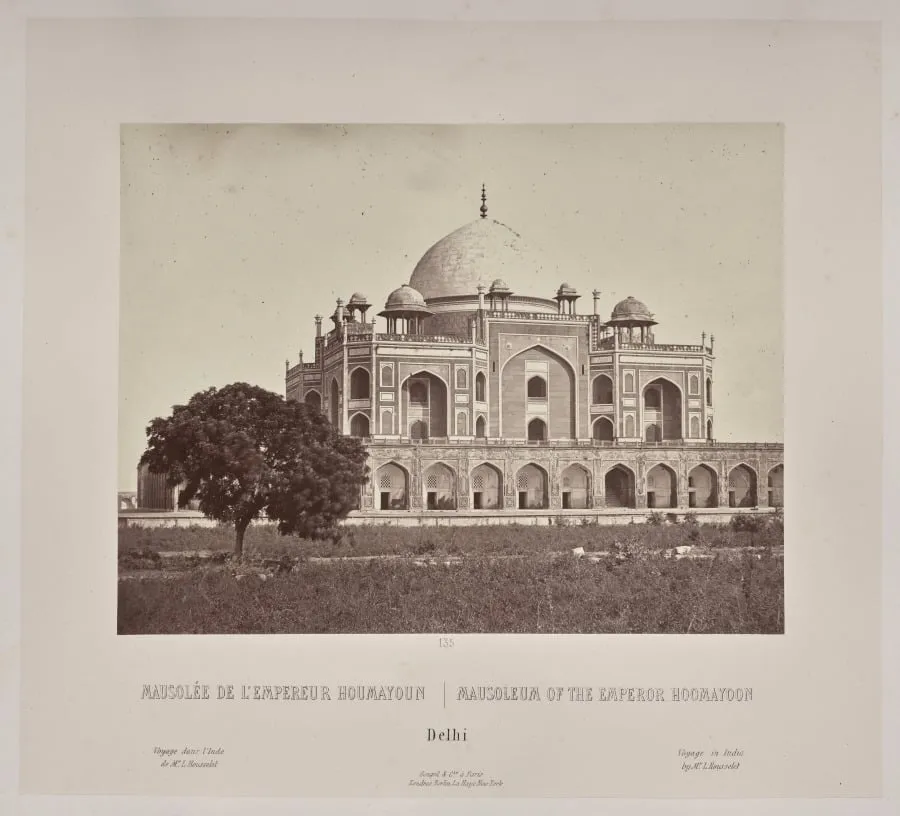
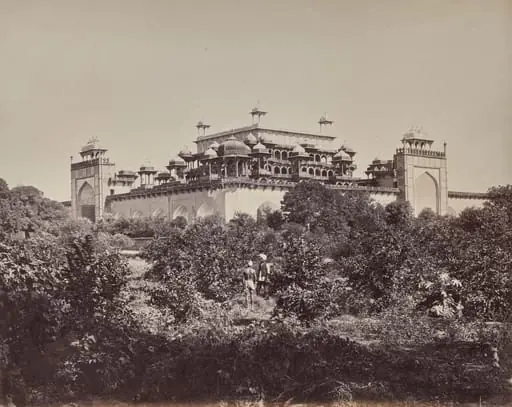
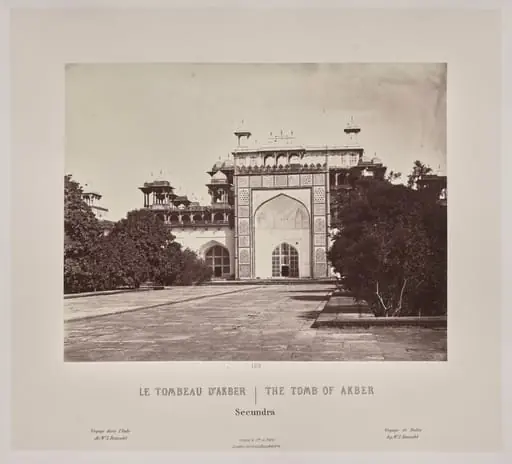
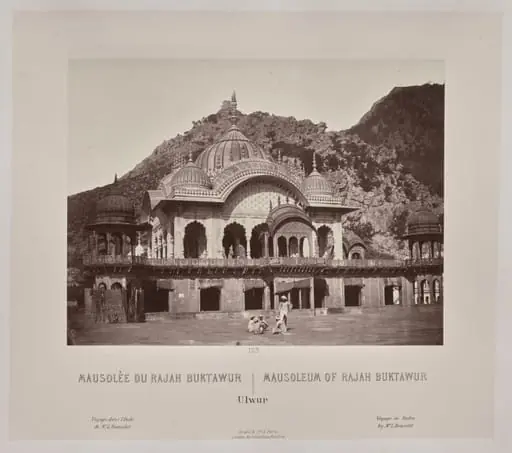
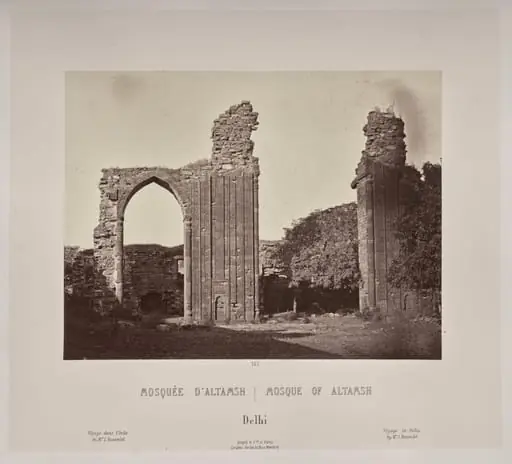
Mausoleum of the Emperor Hoomayoon, Delhi is a photography by the Impressionist artist Louis-Théophile Marie Rousselet. It dates from 1866 and is held in the collection of the Cleveland Museum of Art.
About this work
To see how photography changed travel art, look up *Louis-Théophile Marie Rousselet (French, 1845–1929)*.
Here’s a sunlit courtyard framed by red sandstone arches. The tomb’s dome rises behind them, its white marble glowing against a pale sky.
Rousselet drew this while traveling in India, but he worried his sketches weren’t sharp enough. So he taught himself photography there—no small feat in the 1860s. The photos he took later helped him finish these detailed drawings back in France.
To see how photography changed travel art, look up *Louis-Théophile Marie Rousselet (French, 1845–1929)*.
Overview
This 19th‑century photograph captures the Mausoleum of Emperor Hoomayoon in Delhi, presenting a sun‑lit courtyard framed by red‑sandstone arches. The structure’s white marble dome rises behind the arches, its surface illuminated against a pale sky, emphasizing the monument’s contrast of materials and its serene presence within the complex.
Subject & Meaning
The image records a funerary monument built for the Mughal emperor Hoomayoon, reflecting the architectural synthesis of Islamic and Indian traditions. The composition highlights the interplay of light and shadow on the arches and dome, underscoring the monument’s role as both a place of remembrance and a statement of imperial authority.
Technique & Style
Taken by Louis‑Théophile Marie Rousselet, who taught himself photography while traveling in India, the photograph demonstrates a careful balance of foreground and background. The framing of the courtyard and the crisp rendering of the marble dome reveal Rousselet’s sophisticated sense of composition, unusual for a self‑taught photographer working with the cumbersome equipment of the 1860s.
History & Provenance
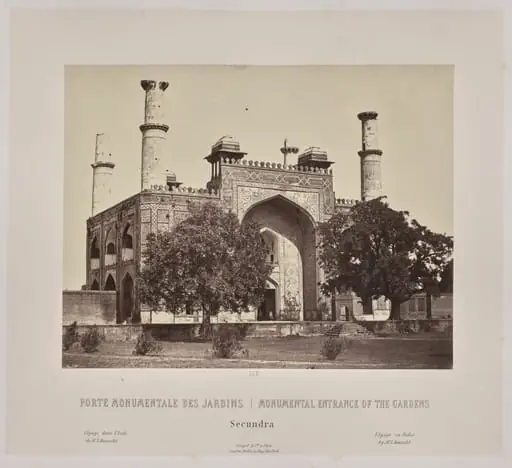
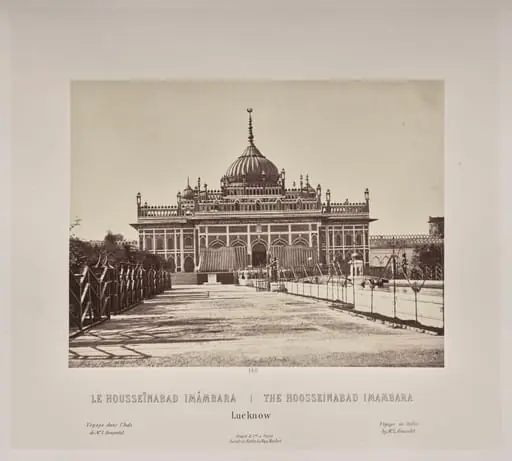
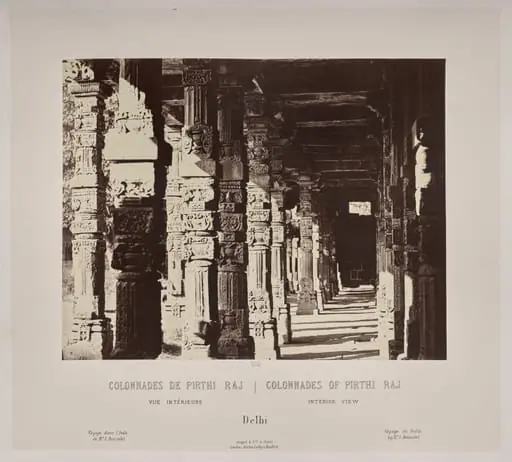
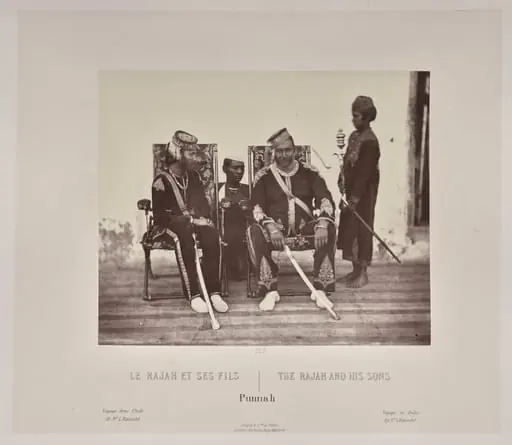
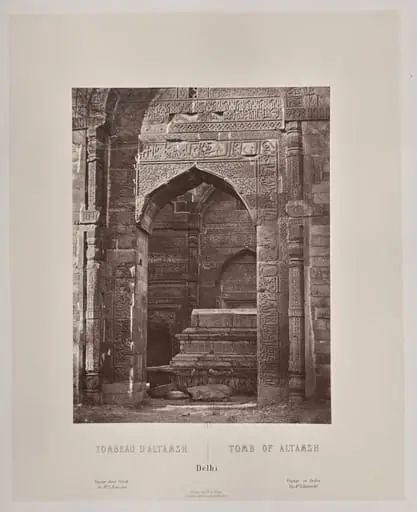
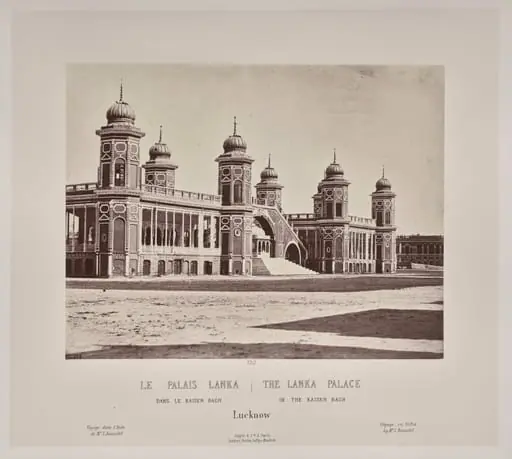
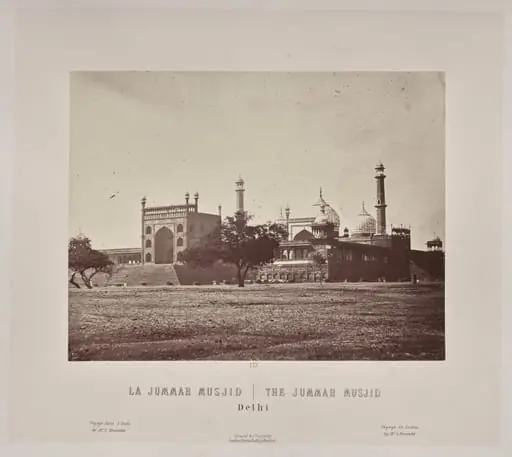
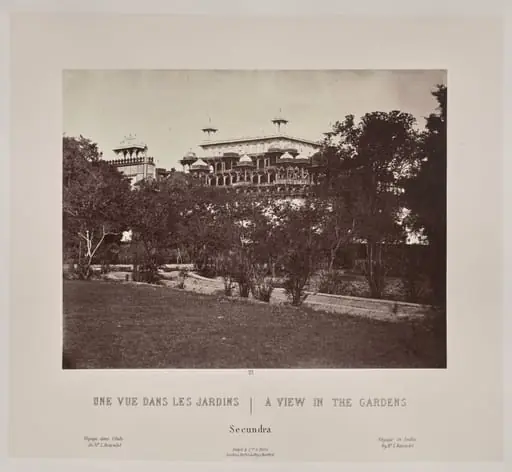
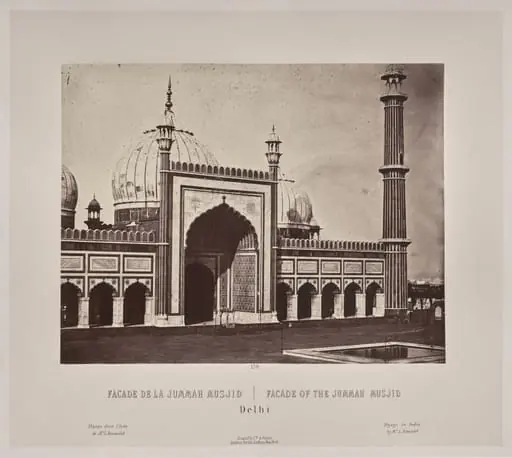
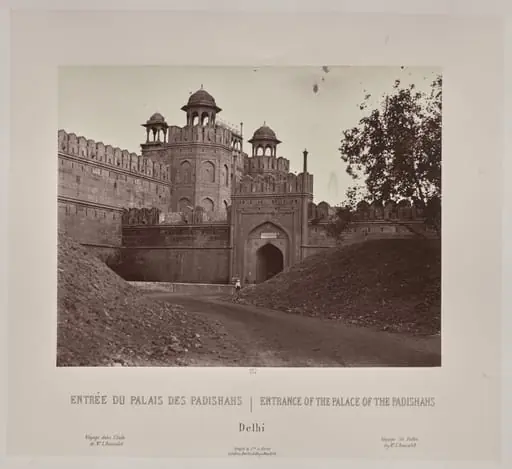
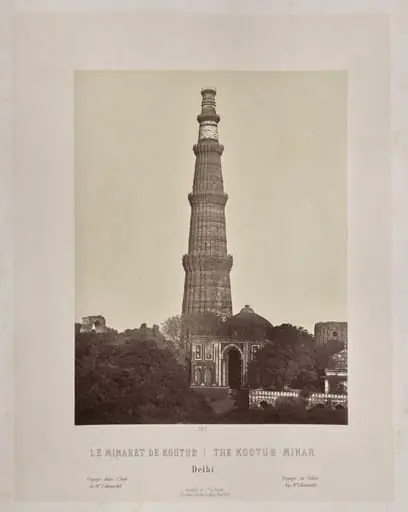
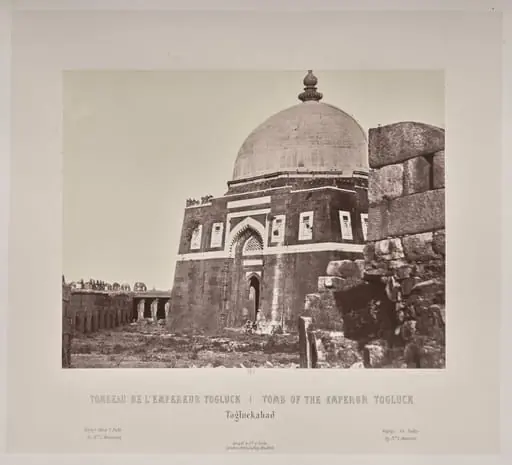
Rousselet originally produced sketches of Indian monuments but found them insufficiently precise. In response, he learned photographic methods in situ, producing images that later served as references for his detailed drawings back in France. The photograph of Hoomayoon’s mausoleum is part of a broader visual record that includes sites across the Sultanate, Rajput, and Mughal realms, as well as industrial scenes and portraits of Indian rulers.
Context
The image belongs to a larger volume documenting northern India’s architectural heritage during a period of heightened European interest in the subcontinent. By capturing sites from the sacred city of Varanasi to the forts of Rajasthan, Rousselet’s work situates the mausoleum within a network of power structures that shaped the region’s cultural landscape.
Legacy
Rousselet’s photographs illustrate the transformative impact of early photography on travel illustration, providing a visual accuracy that surpassed hand‑drawn sketches. His images continue to serve as valuable historical records for scholars studying the visual representation of Indian monuments in the late 19th century.
Artist & collection
Artist
Louis-Théophile Marie Rousselet
Louis-Théophile Marie Rousselet (1845–1929) was a French artist.