Artwork
Monumental Entrance of the Gardens, Secundra
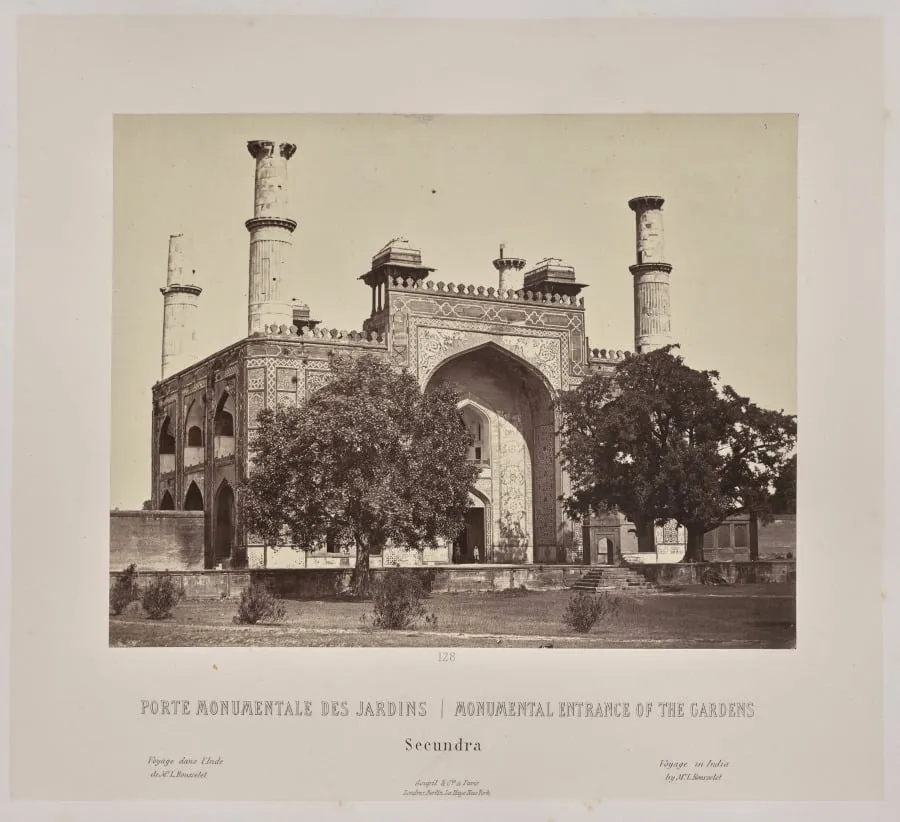
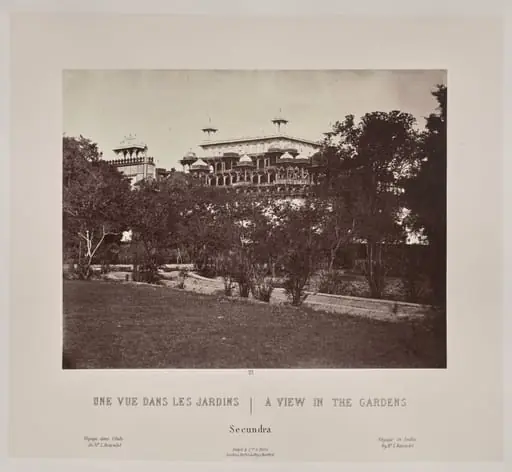
Monumental Entrance of the Gardens, Secundra is a photography by the Impressionist artist Louis-Théophile Marie Rousselet. It dates from 1866 and is held in the collection of the Cleveland Museum of Art. This photograph captures a monumental stone gateway framed by verdant trees and flowering vines, with sunlight filtering through its arches.
About this work
Back then, cameras were bulky and slow, but he learned on the spot to document these monuments before they faded.
You see a grand stone gateway framed by lush trees and flowering vines, sunlight streaming through the arches.
Rousselet didn’t paint this—he photographed it in India. Back then, cameras were bulky and slow, but he learned on the spot to document these monuments before they faded. The image feels like a postcard from another era, crisp and full of quiet life.
If you like this mix of travel and photography, look up *Louis-Théophile Marie Rousselet (French, 1845–1929)*.
Overview
This photograph captures a monumental stone gateway framed by verdant trees and flowering vines, with sunlight filtering through its arches. The image, taken by Louis‑Théophile Marie Rousselet during his travels in northern India, exemplifies his effort to record the region’s architectural heritage before it could be altered or lost.
Subject & Meaning
The composition presents a grand entrance typical of Indian fortifications, juxtaposing built stone with the surrounding natural growth. The interplay of light and shadow emphasizes the gateway’s scale while suggesting a harmonious relationship between human-made structures and the landscape.
Technique & Style
Rousselet employed the cumbersome, slow‑acting cameras of the late nineteenth century, mastering exposure and framing on site. His careful arrangement of foreground foliage and architectural lines demonstrates a sophisticated compositional sense, yielding a clear, balanced image despite the technical limitations of the period.
History & Provenance
Concerned that his sketches could not fully convey India’s monumental splendor, Rousselet taught himself photography while in the country. The resulting series, including this gateway view, documents sites associated with Sultanate, Rajput, and Mughal rule, as well as industrial scenes and portraits of local rulers, forming a comprehensive visual record of his travels.
Context
The photograph belongs to a broader visual survey that spans sacred cities such as Varanasi on the Ganges to the desert town of Alwar in Rajasthan. By capturing a range of political and cultural landscapes, Rousselet’s work reflects the diverse architectural and social fabric of northern India during the colonial era.
Artist & collection
Artist
Louis-Théophile Marie Rousselet
Louis-Théophile Marie Rousselet (1845–1929) was a French artist.

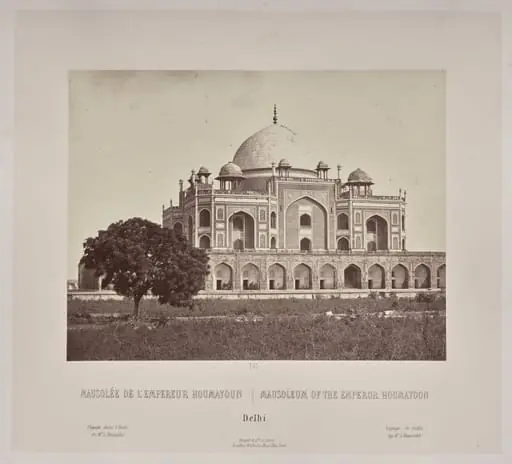
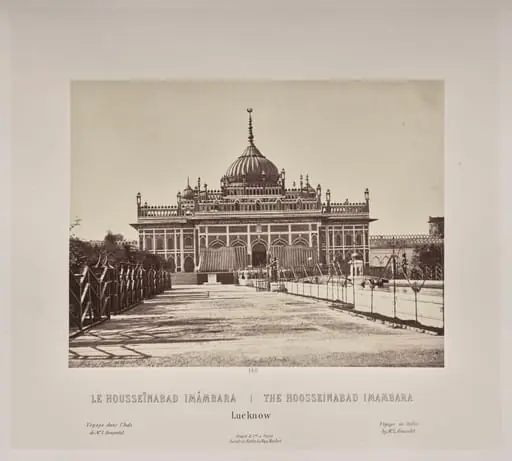
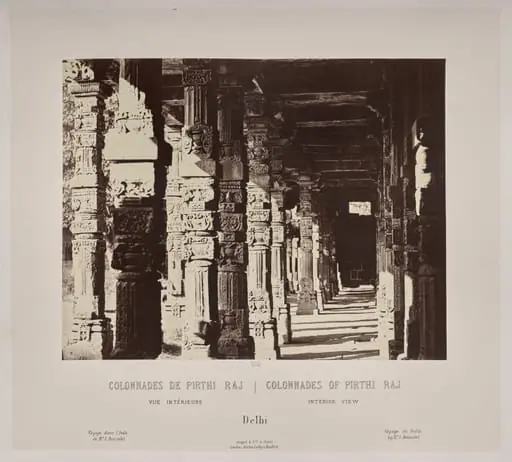
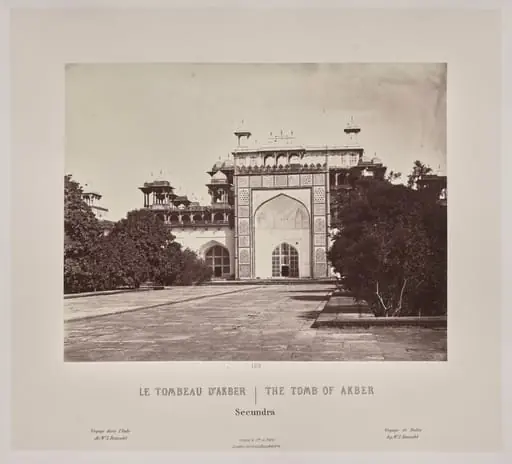 The Tomb of Akber, Secundra
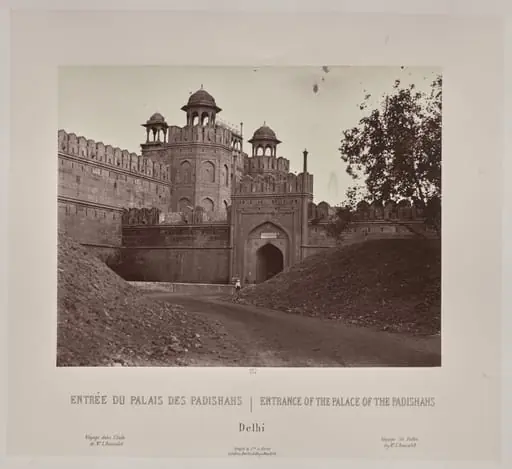 Entrance of the Palace of the Padishahs, Delhi
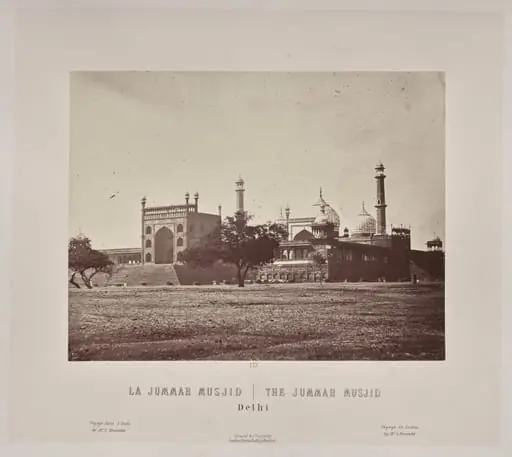
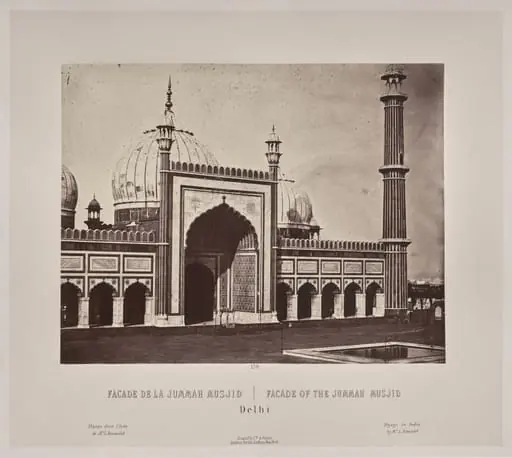 Facade of the Jummah Musjid, Delhi
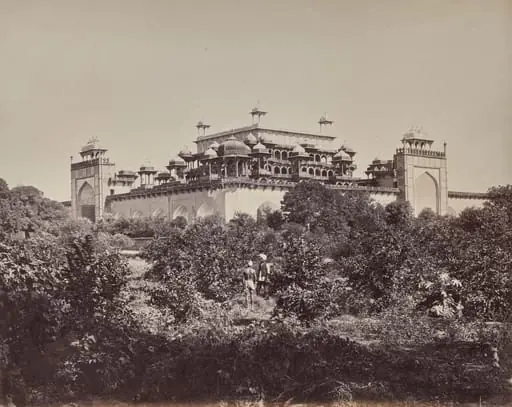 Secundra Near Agra. The Mausoleum of the Emperor Akbar
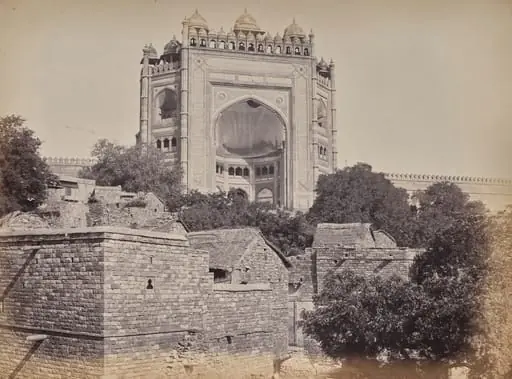 Futheypoor Sikre Guard Gate of the Fort
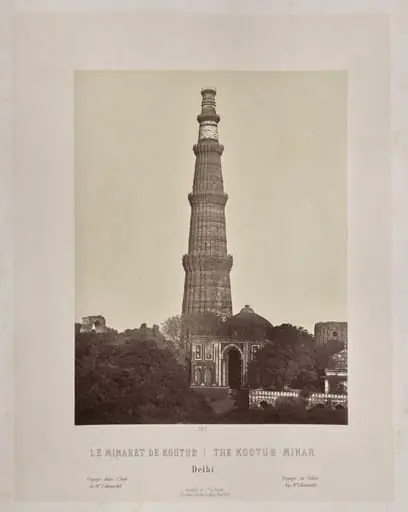 The Kootub Minar, Delhi
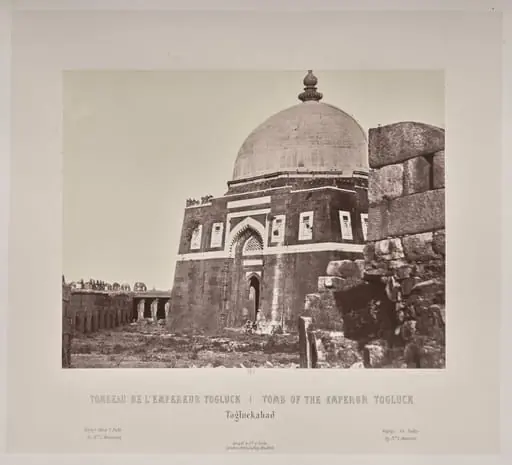 Tomb of the Emperor Togluck, Togluckabad
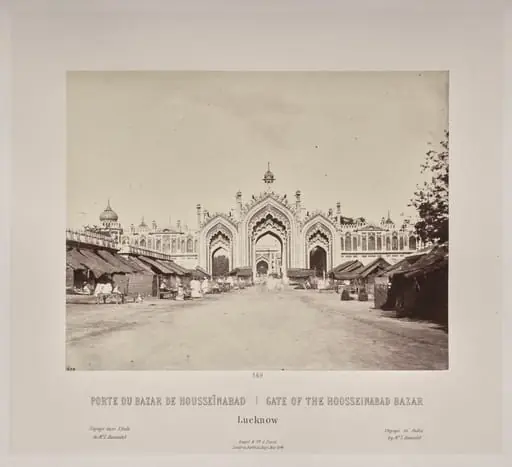 Gate of the Hoosseinabad Bazar, Lucknow