Artwork
The Jummah Musjid, Delhi
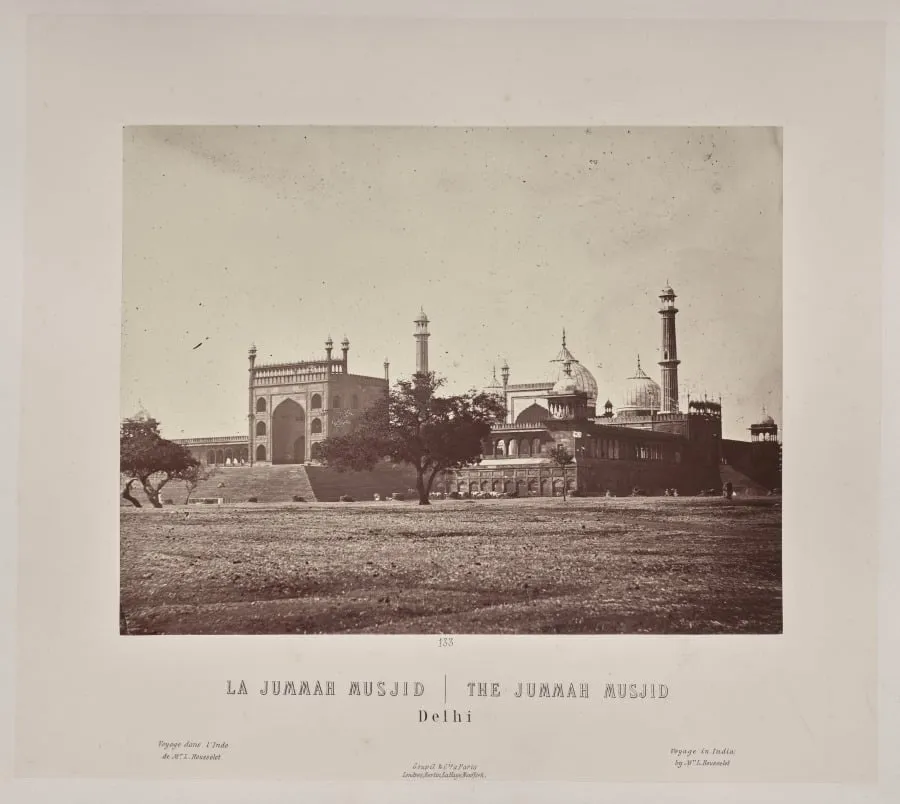
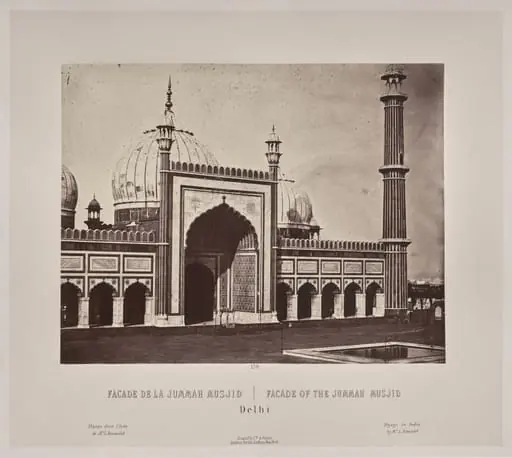
The Jummah Musjid, Delhi is a photography by the Impressionist artist Louis-Théophile Marie Rousselet. It dates from 1866 and is held in the collection of the Cleveland Museum of Art.
About this work
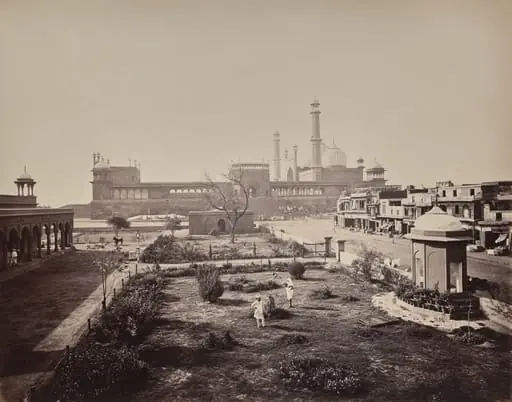
You see a busy courtyard of a big mosque in Delhi, filled with people in long robes and turbans.
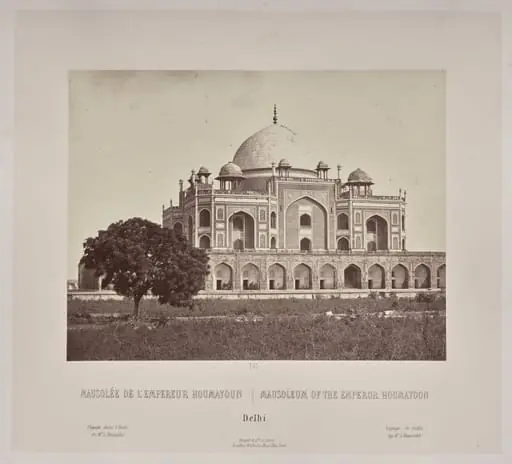
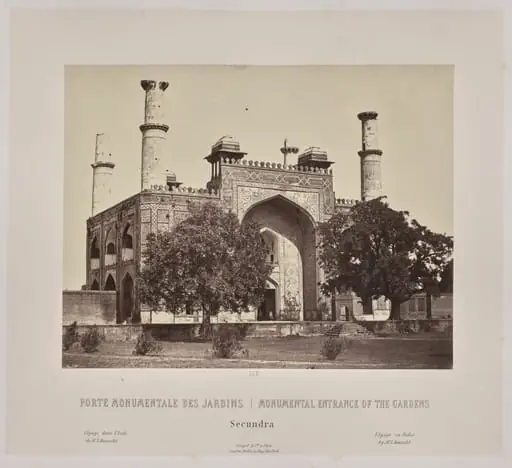
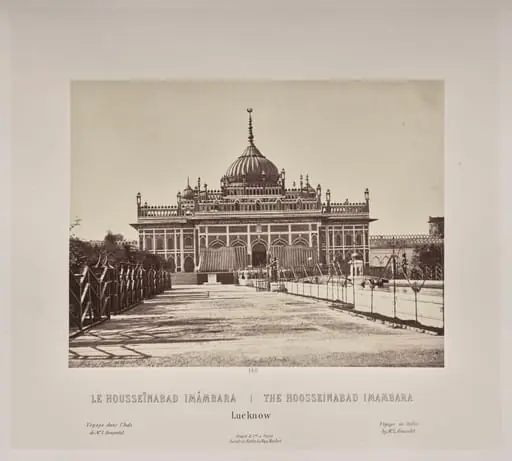
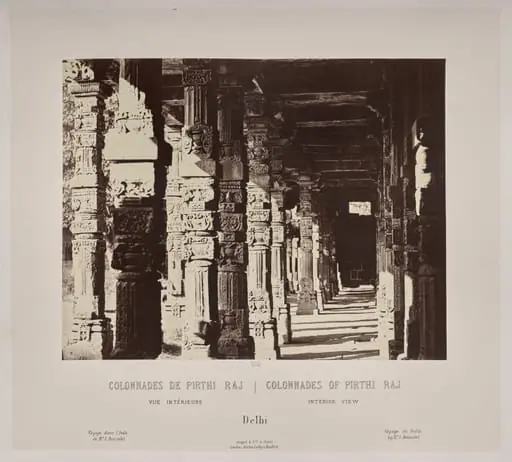
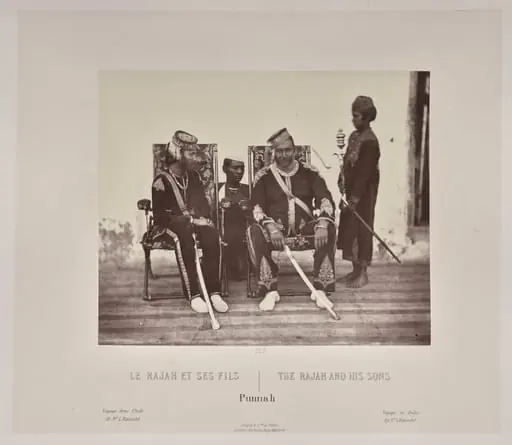
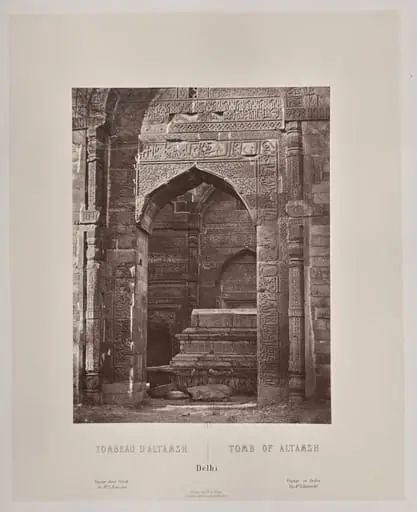
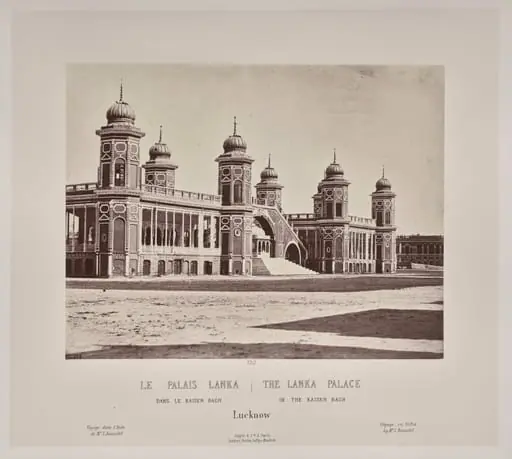
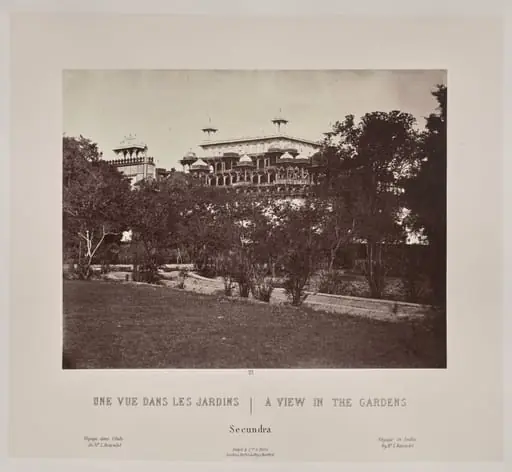
Rousselet drew this while traveling in India in the 1860s. He worried his sketches weren’t showing the real beauty of the buildings, so he learned photography there. That’s rare for a European artist at the time.
Look up more works in the subject: france, 19th century.
Overview
The Jummah Musjid, Delhi is a photograph taken by Louis Rousselet during his travels in India in the 1860s. It captures a scene within the Jummah Musjid mosque in Delhi.
Technique & Style
Rousselet, initially a draftsman, learned photography in India to better document the country's architectural splendor. His photographic work demonstrates a keen sense of composition, effectively conveying the atmosphere of the sites he visited.
Subject & Meaning
The photograph depicts the bustling courtyard of the Jummah Musjid mosque, filled with people in traditional attire. It offers a glimpse into the religious and social life of the time.
History & Provenance
Rousselet's decision to learn photography in India was unusual for a European artist at the time, underscoring his commitment to accurately capturing the country's monuments and scenes.
Artist & collection
Artist
Louis-Théophile Marie Rousselet
Louis-Théophile Marie Rousselet (1845–1929) was a French artist.