Artwork
Self-Portrait
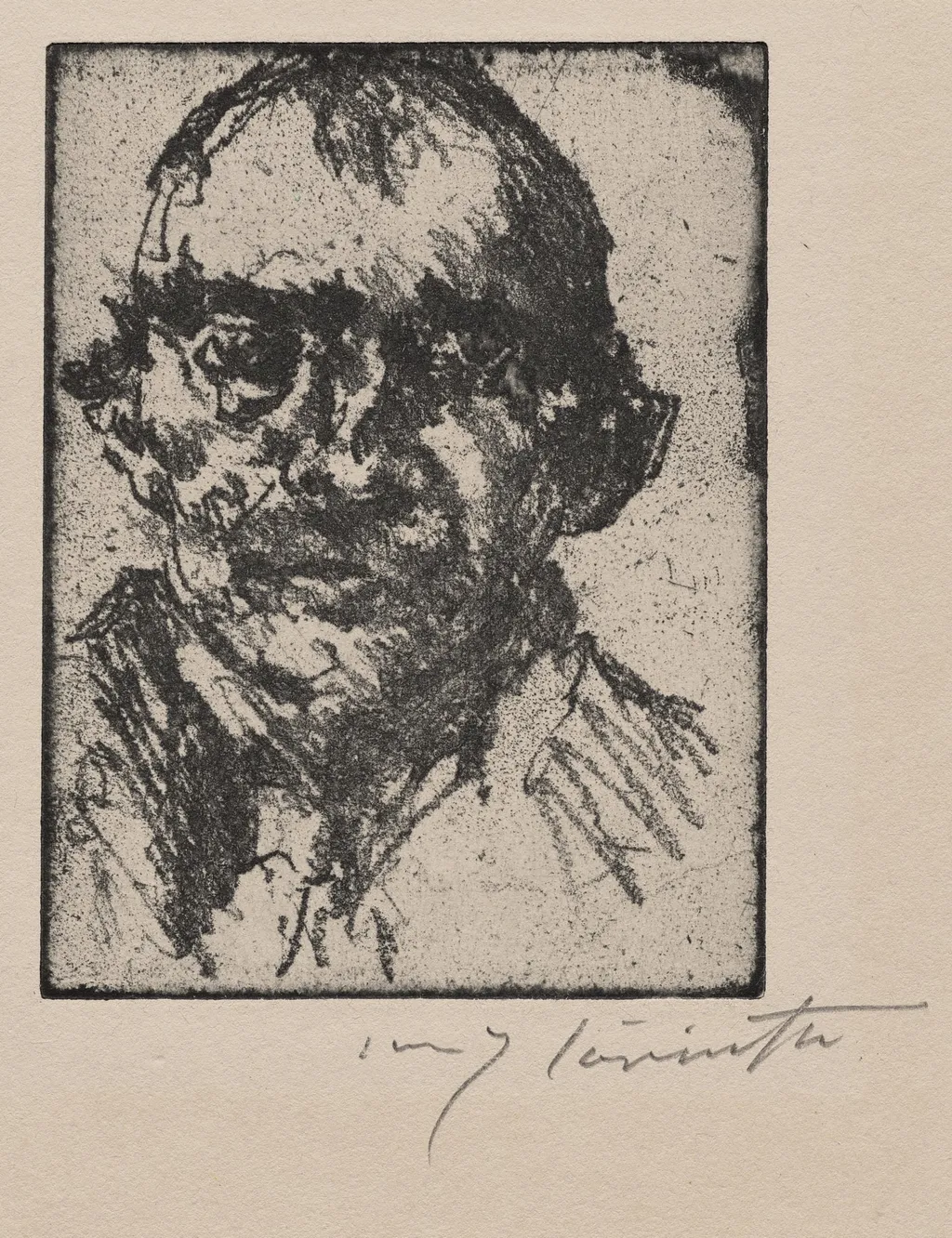
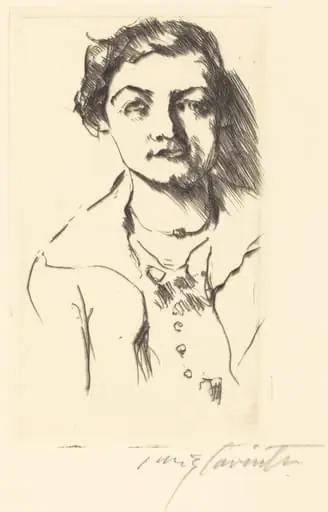
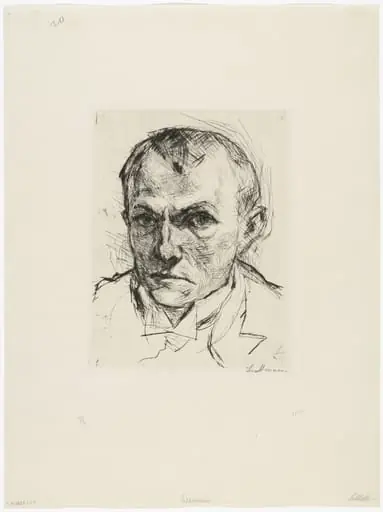
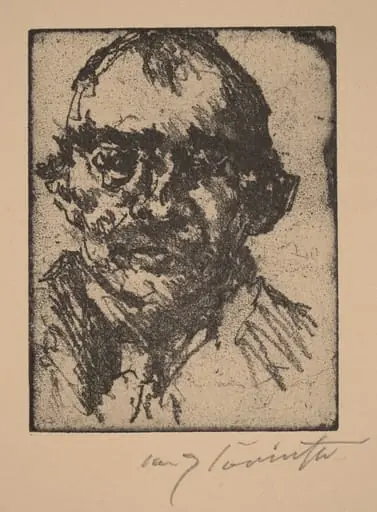
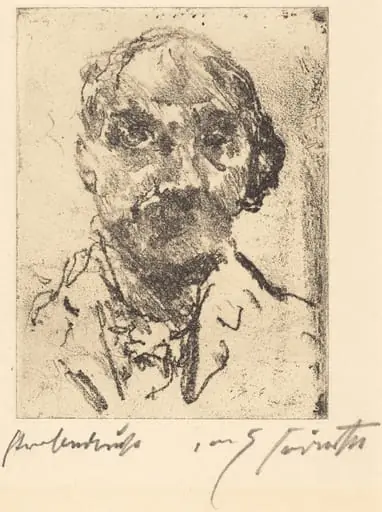
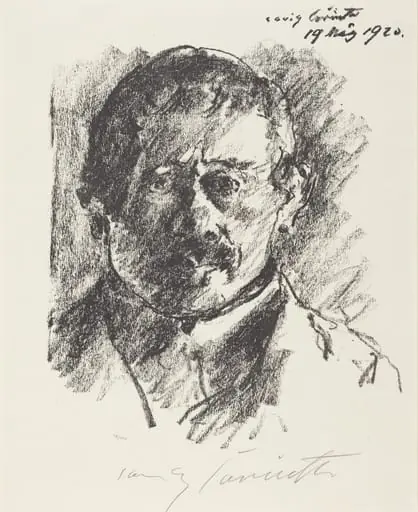
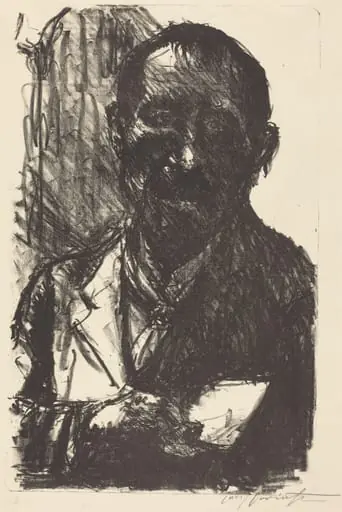
Self-Portrait is a print by Lovis Corinth. It dates from 1920 and is held in the collection of the Cleveland Museum of Art.
About this work
Check out the technique of chiaroscuro to learn more about how artists use shadows and light.
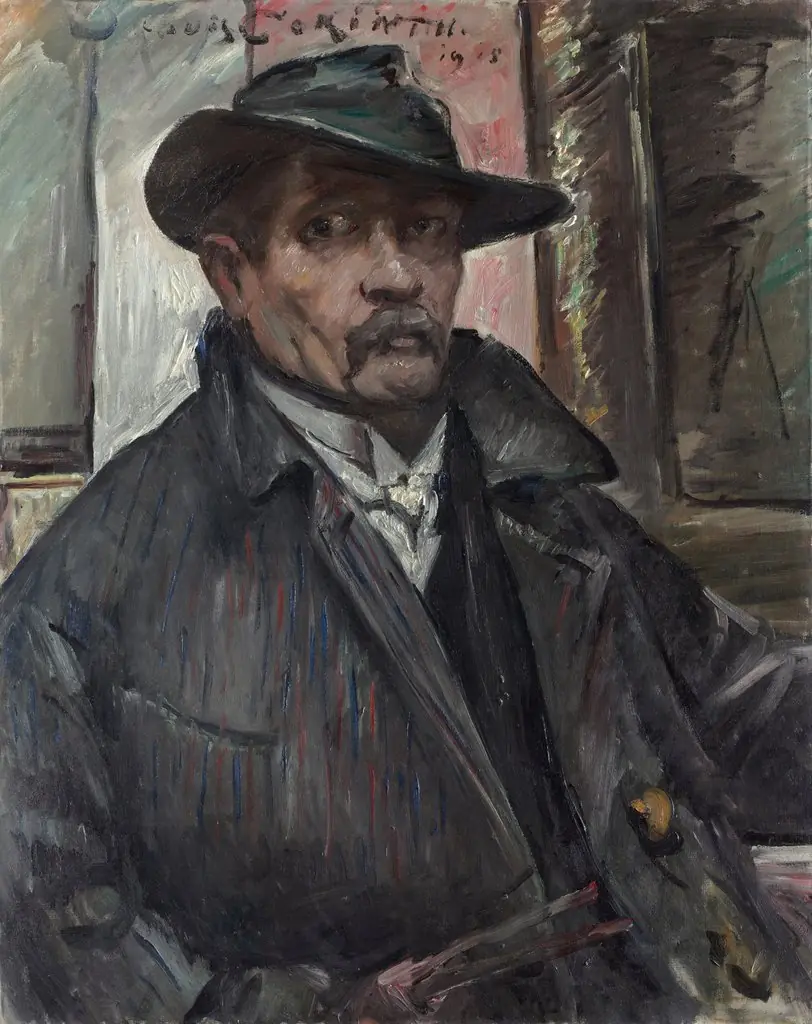
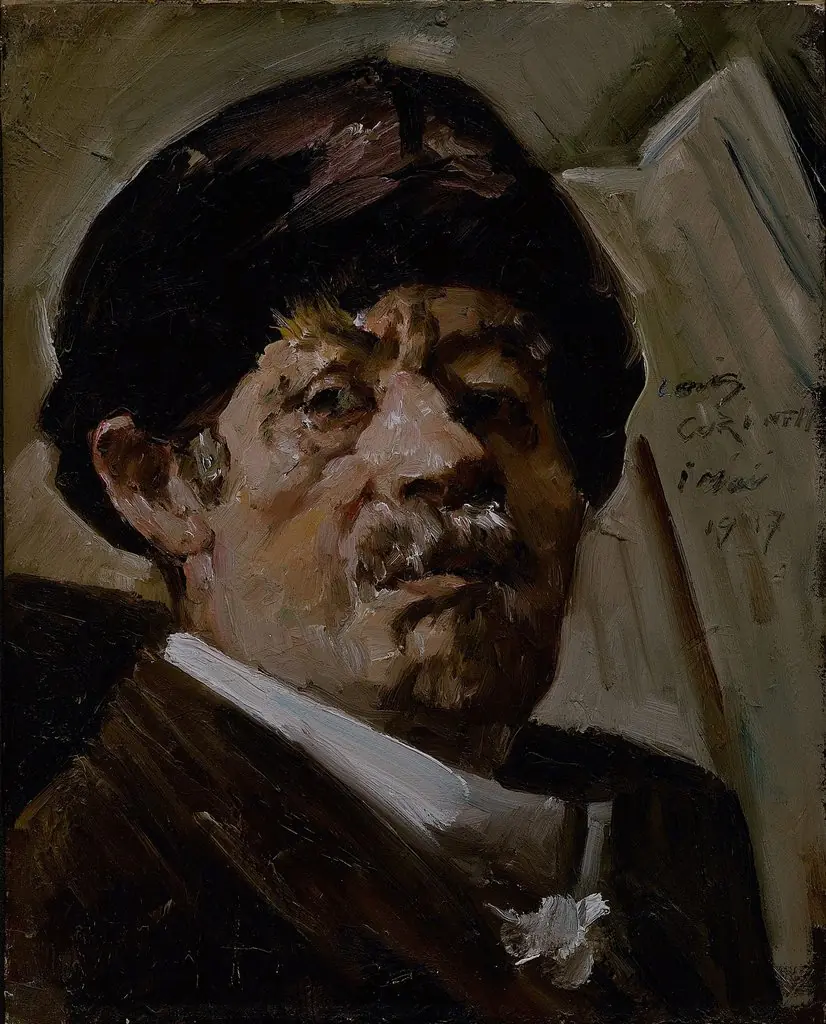
You see a man staring straight at you, his face in heavy shadow.
He looks concerned, his eyes intense.
His portrait is a reflection of his emotions after a life-changing event.
He had a stroke in 1911, which affected his art and outlook.
This experience made him focus on his own mortality, and it shows in his work.
Check out the technique of chiaroscuro to learn more about how artists use shadows and light.
Overview
Following a stroke in 1911, Lovis Corinth turned repeatedly to self-portraiture, using the print medium to confront physical decline and the proximity of death. These works are not idealized representations but raw, introspective studies, marked by a psychological intensity that reflects his altered perception of self and body.
Subject & Meaning
The portrait presents Corinth gazing directly at the viewer, his face partially submerged in shadow, eyes wide and unyielding. This unflinching gaze suggests an internal reckoning — not with vanity, but with vulnerability. The absence of narrative context focuses attention on the psychological weight of survival after bodily betrayal.
Technique & Style
Corinth employed soft-ground etching to achieve a tactile, erratic line quality that mirrors his emotional state. The contrast between deep shadows and sparse highlights creates a chiaroscuro effect, amplifying the sense of unease. The rough, urgent marks convey a hand in motion, as if the act of drawing itself was a struggle against decay.
History & Provenance
The print emerged from a sustained series produced between 1911 and his death in 1925, during which Corinth’s artistic focus shifted inward. These works were largely personal, not commissioned, and circulated among close associates before entering institutional collections. Their private origins underscore their function as visual diaries rather than public statements.
Context
In early 20th-century Germany, medical advances extended life but also exposed individuals to prolonged suffering. Corinth’s self-portraits align with broader cultural shifts toward psychological realism in art, where the inner life became as significant as external form. His work resonates with contemporaries exploring trauma, though his approach remained intensely individual.
Legacy
Corinth’s post-stroke self-portraits influenced later artists who turned to autobiography as a means of confronting physical and emotional fragility. Their unvarnished honesty helped redefine portraiture in modern printmaking, shifting emphasis from likeness to lived experience. They remain key examples of art as a record of bodily and psychological transformation.
Own this work as a print
Artist & collection

Artist
Lovis Corinth was a German artist and writer whose mature work as a painter and printmaker realized a synthesis of impressionism and expressionism.