Artwork
Allegory of Fertility and Abundance
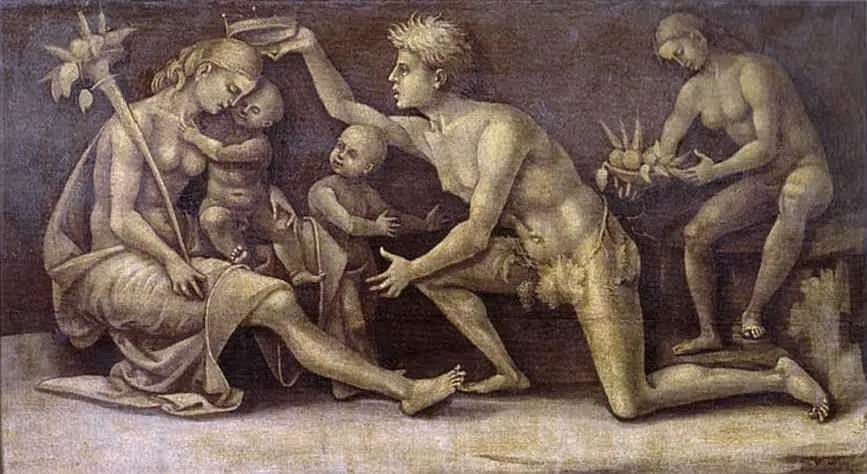
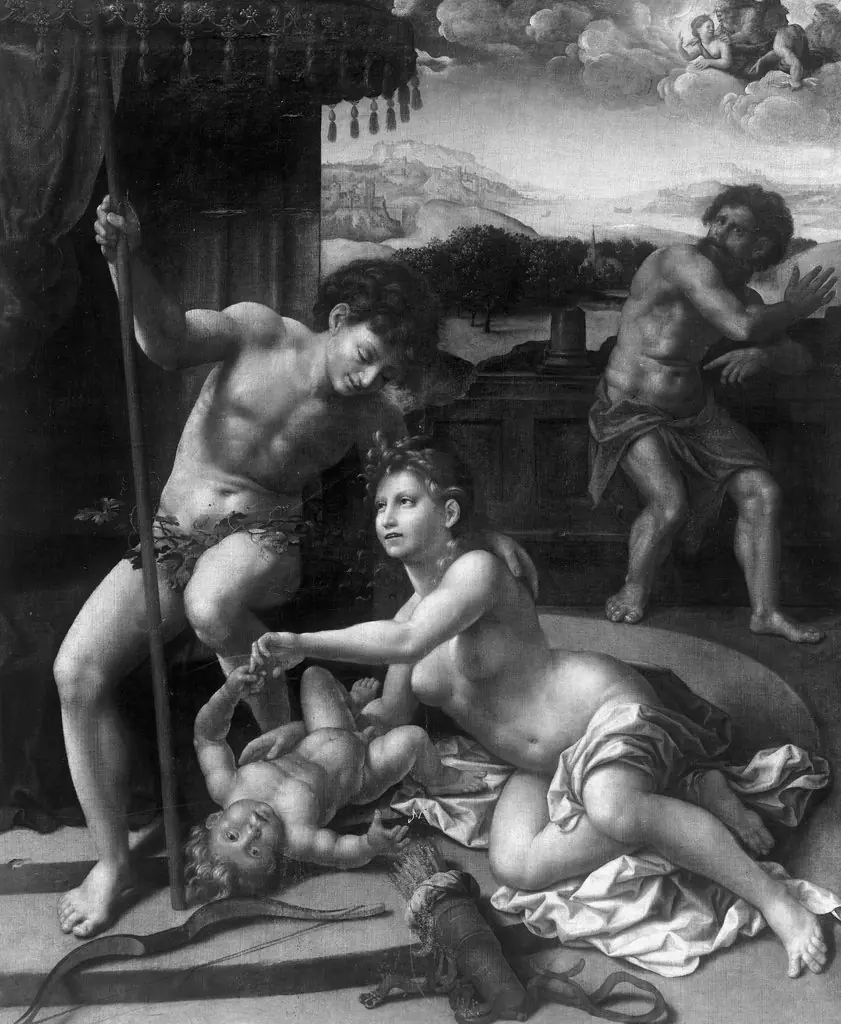
Allegory of Fertility and Abundance is a tempera painting by the Early Renaissance artist Luca Signorelli. It dates from 1500 and is held in the collection of the Uffizi Gallery.
About this work
Overview
Created around 1500 by Luca Signorelli, this tempera on panel is titled Allegory of Fertility and Abundance and is currently housed in the Uffizi Gallery in Florence. The work belongs to the artist’s late period, coinciding with his celebrated fresco cycle in the San Brizio Chapel at Orvieto.
Subject & Meaning
The composition depicts a gathering of nude figures engaged in gestures that evoke the themes of procreation and plenty. A mother cradles an infant, a man reaches toward another child, and a figure in the distance carries a basket of fruit, together suggesting a celebration of generative forces.
Technique & Style
Executed in tempera, the painting presents a smooth, flattened surface with muted tonal values. Signorelli adopts a monochrome palette reminiscent of classical bas‑reliefs, using chiaroscuro modeling to suggest depth while maintaining a sculptural quality in the bodies.
History & Provenance
The piece was likely commissioned for the studiolo of a humanist scholar, reflecting the intellectual climate of the early sixteenth century. It remained in private collections before entering the Uffizi’s holdings, where it has been displayed as part of the museum’s Renaissance holdings.
Context
The figures echo the nude studies Signorelli employed in his Orvieto frescoes and in works such as Madonna and Child with Ignudi. The allegorical content aligns with contemporary Renaissance interest in classical mythology and the moral symbolism of fertility and abundance.
Artist & collection
Artist
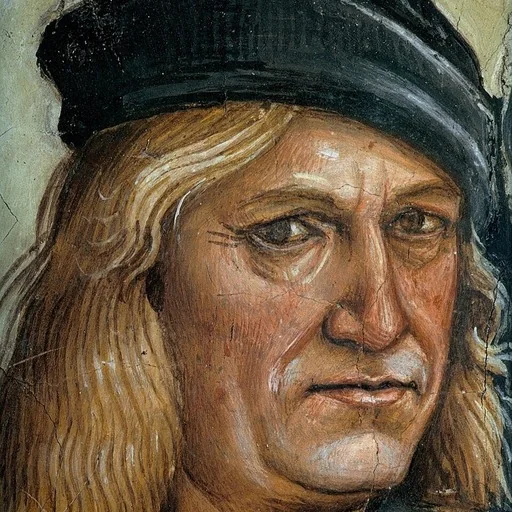
Luca Signorelli (c. 1441/1445 – 16 October 1523) was an Italian Renaissance painter from Cortona, in Tuscany, who was noted in particular for his ability as a draftsman and his use of foreshortening. His massive frescos…

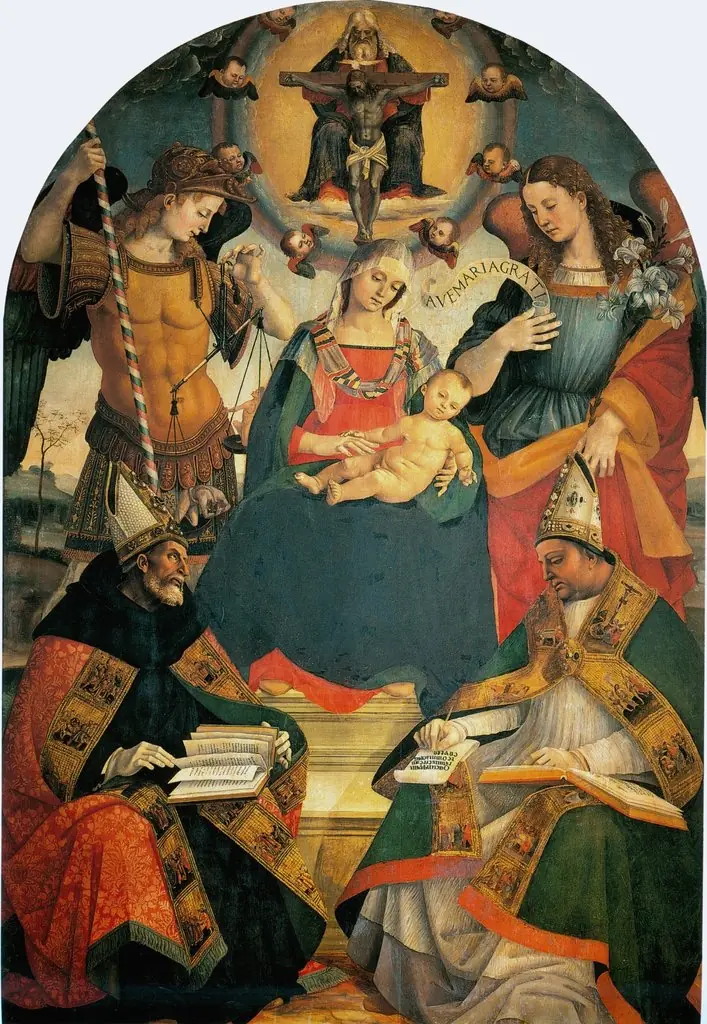
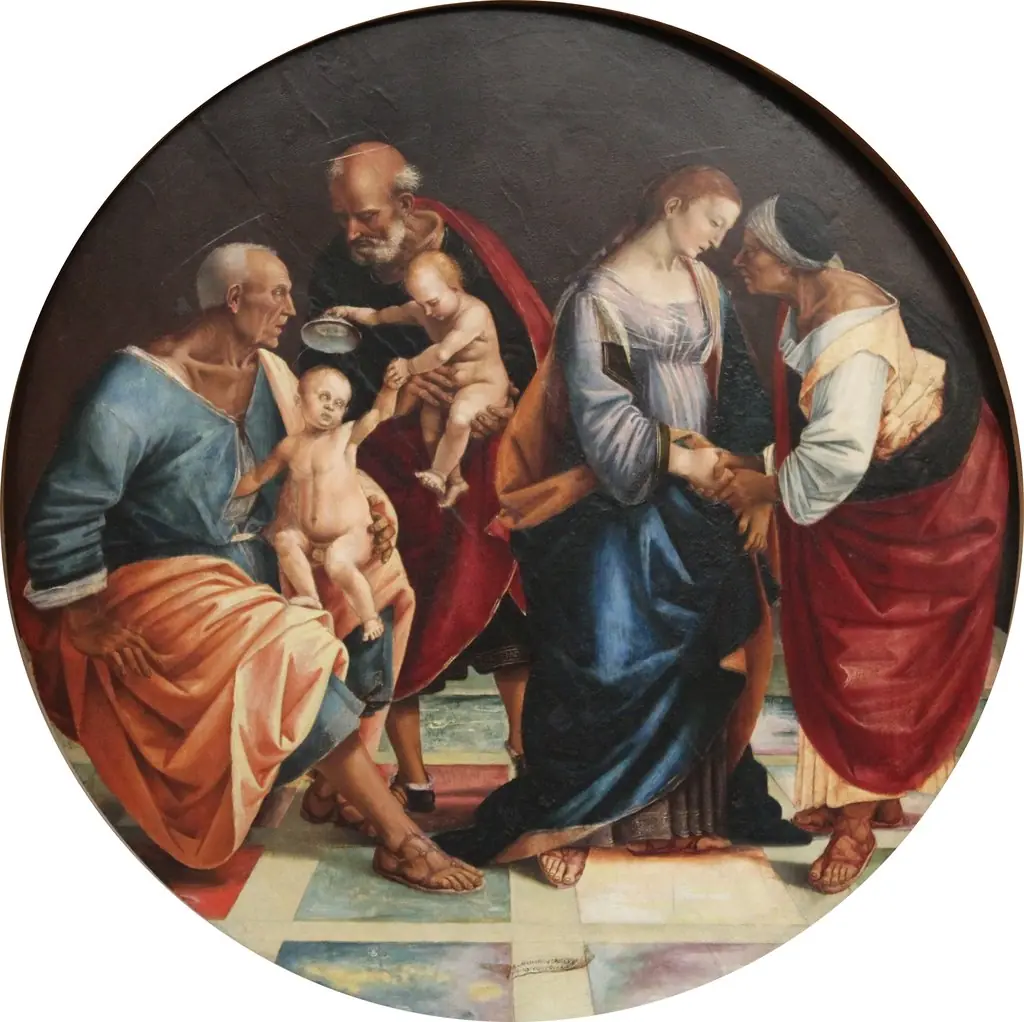
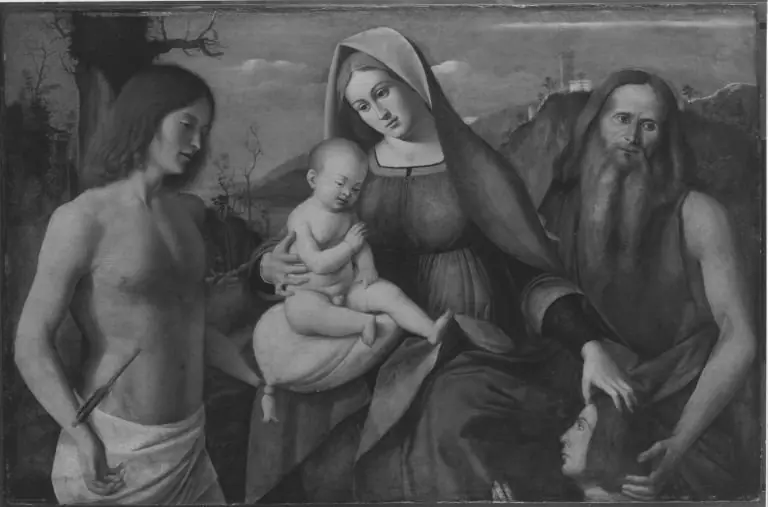 Madonna and Child, Saints Jeronimo, Sebastian und a donor
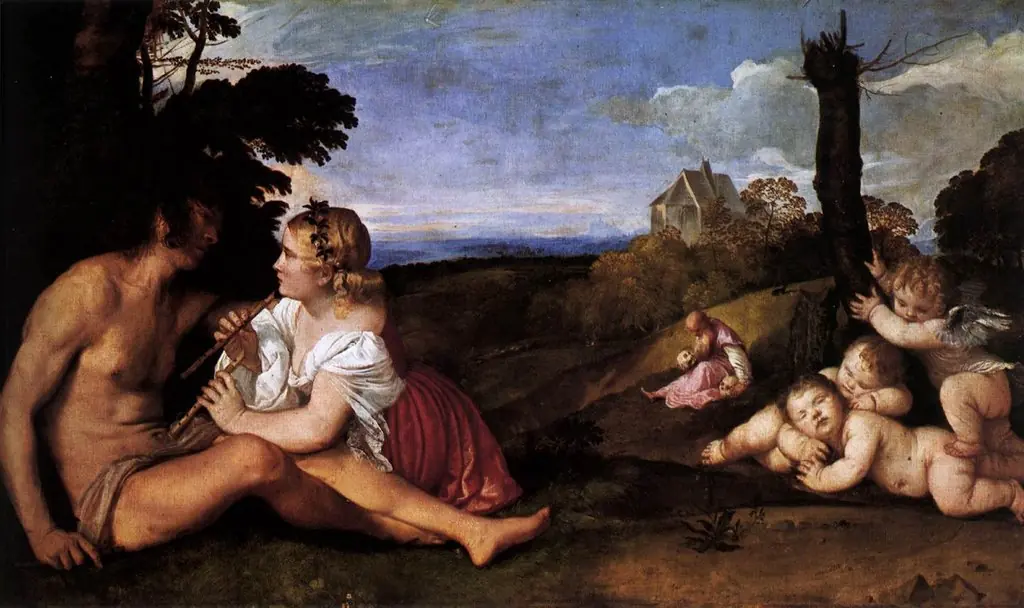 The Three Ages of Man
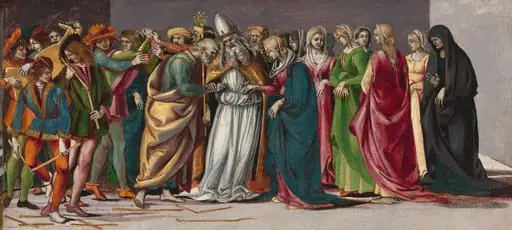
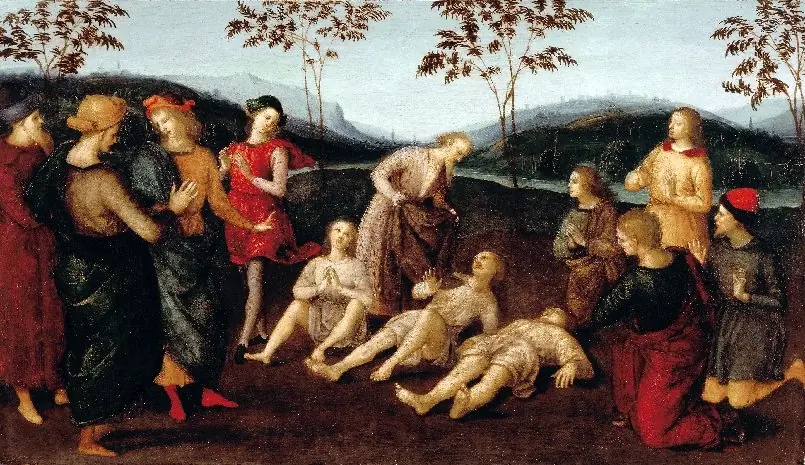 St. Eusebius Resurrecting Three People
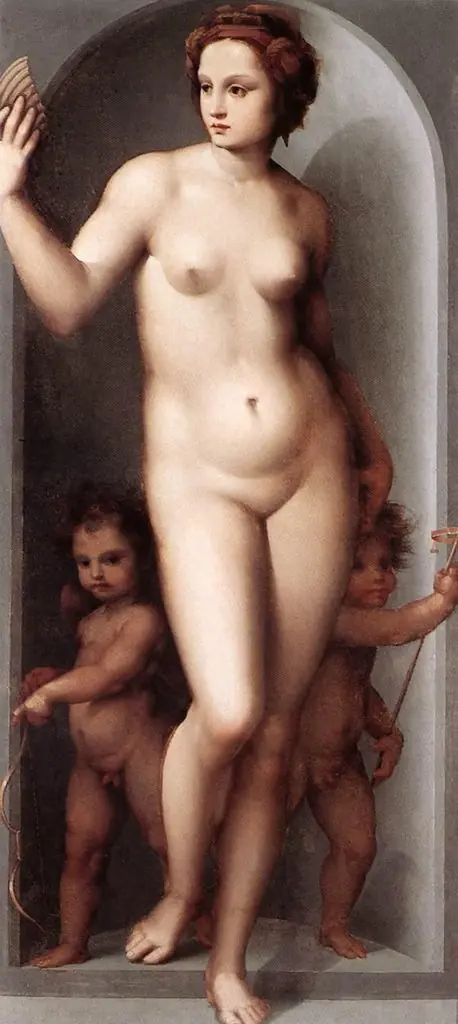 Venus and Two Cupids
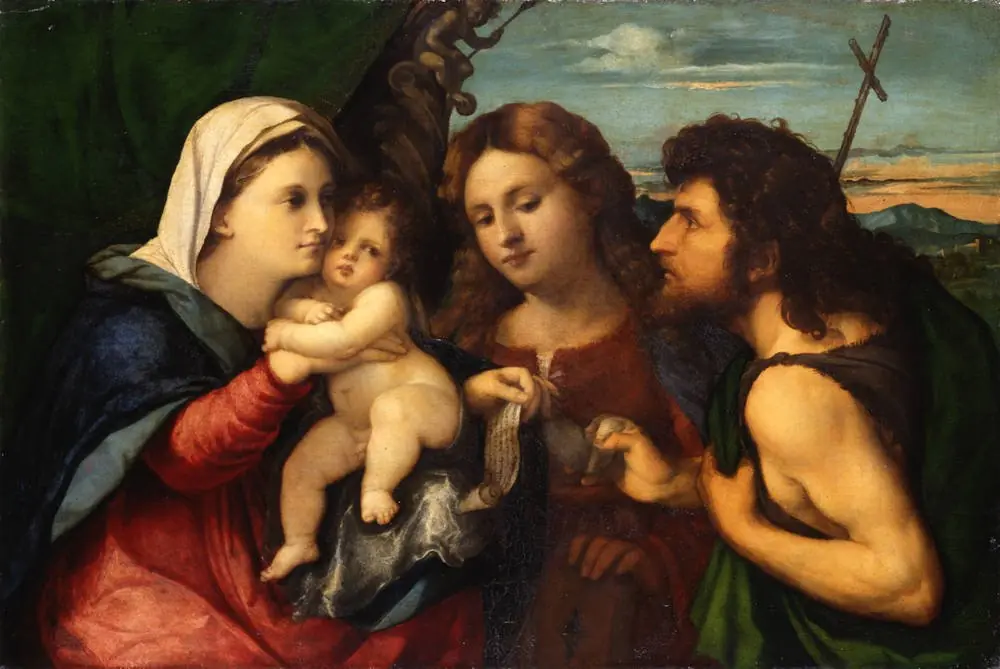 Maria mit dem Kind, Johannes dem Täufer und der heiligen Katharina
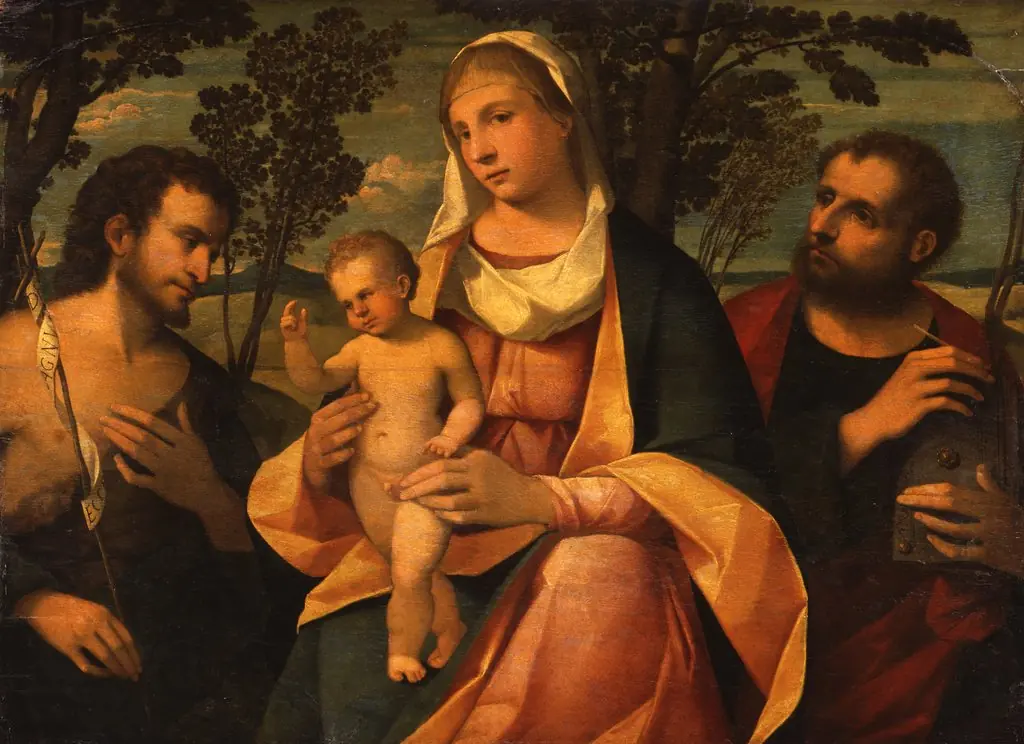 The Virgin with the Blessing Child and St. John the Baptist and Marcus the Evangelist
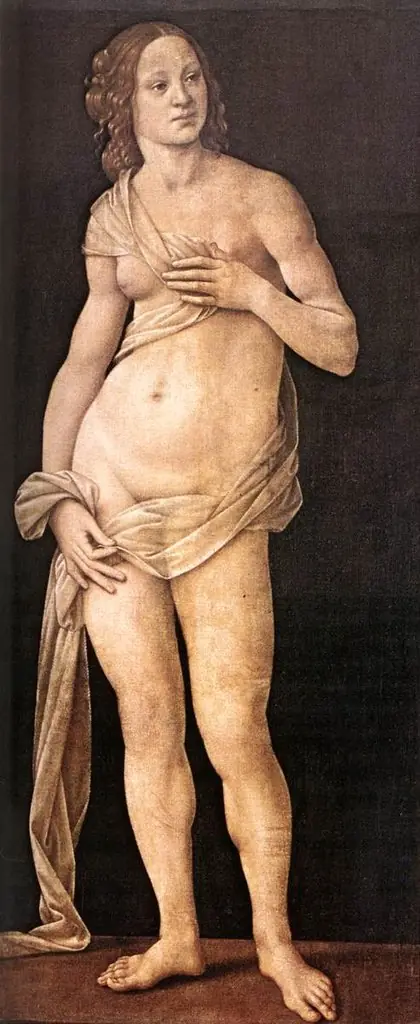 Venus
Venus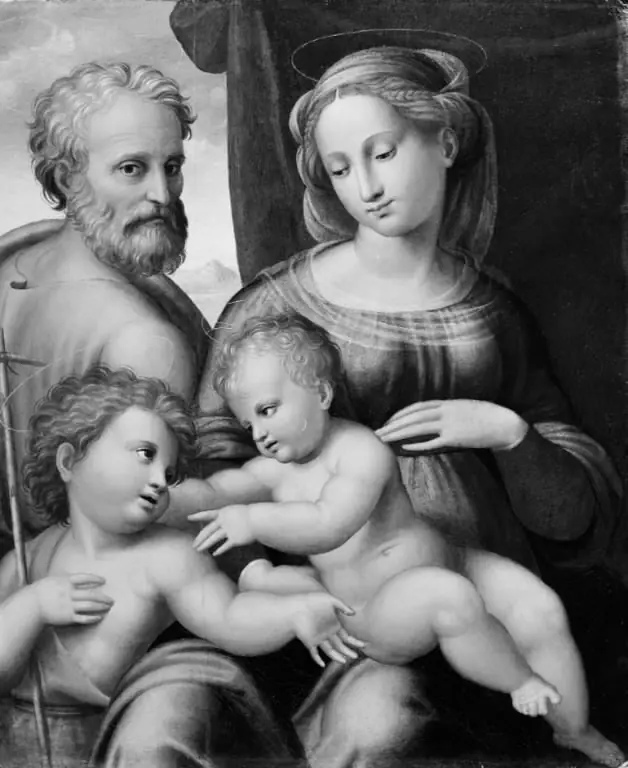 The Holy Family and St John
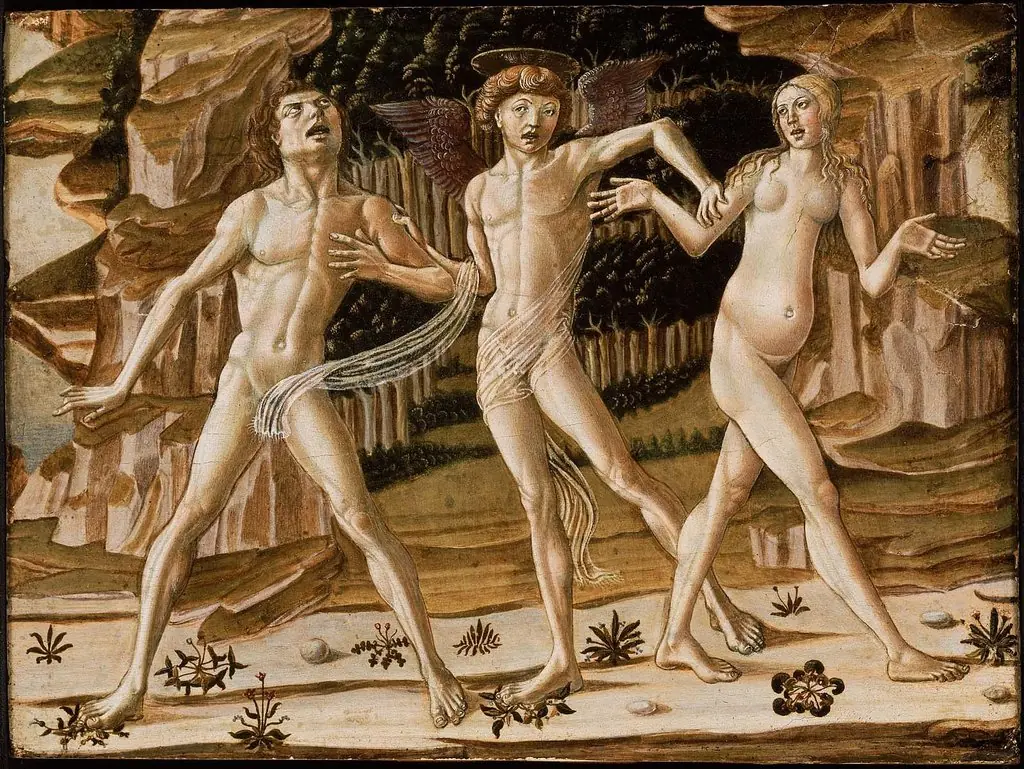 Expulsion from Paradise
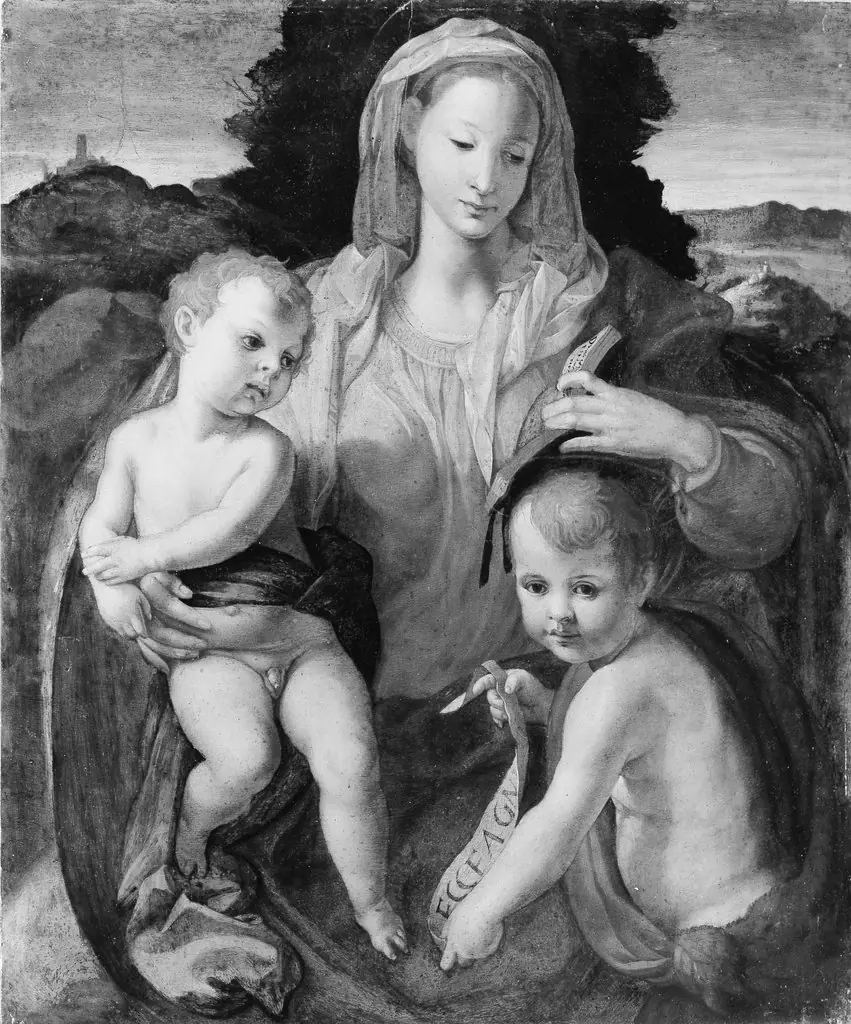 Madonna and Child with the Young Saint John the Baptist
 Mythological scene
 Allegory of Abundance