Artwork
St. Eusebius Resurrecting Three People
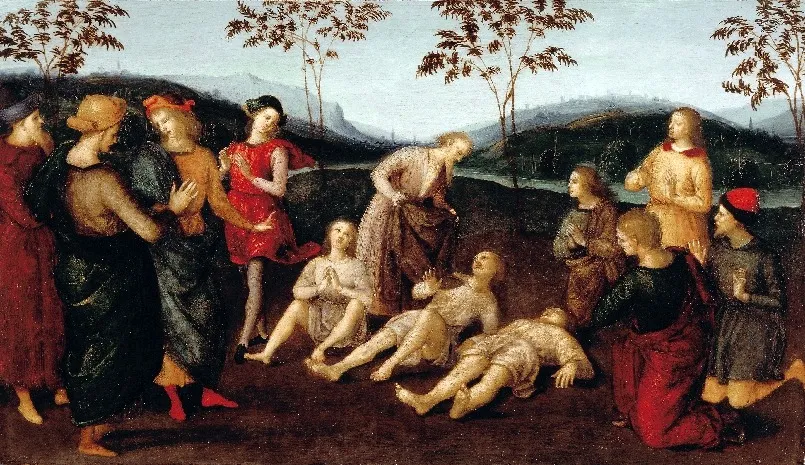
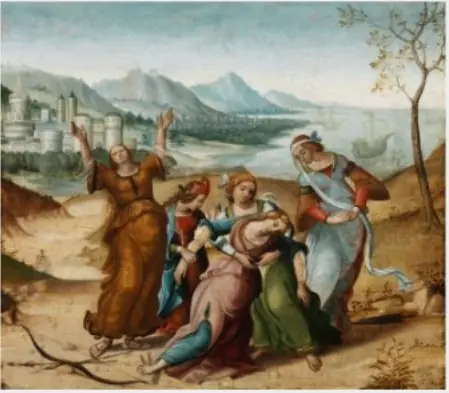
St. Eusebius Resurrecting Three People is an unspecified painting by the High Renaissance artist Raphael. It dates from 1502 and is held in the collection of the National Museum of Ancient Art.
About this work
Overview
The composition balances a foreground group of figures with a tranquil, wooded landscape beyond, establishing both narrative focus and atmospheric depth.
Created in 1502, this religious canvas by Raphael portrays the miracle of Saint Eusebius raising three individuals from death. Executed in oil on panel, the work measures roughly a typical Renaissance size and is presently displayed in the National Museum of Ancient Art. The composition balances a foreground group of figures with a tranquil, wooded landscape beyond, establishing both narrative focus and atmospheric depth.
Subject & Meaning
The central action shows Saint Eusebius, identifiable by his red robe and hat, extending his hand toward three figures whose bodies transition from the ground toward life. Flanked by a secondary figure in black, the scene emphasizes themes of divine intervention and the triumph of faith over mortality, reflecting contemporary theological interests in miracles as evidence of saintly power.
Technique & Style
Raphael employs a delicate modeling of flesh and meticulous rendering of fabrics, using subtle chiaroscuro to give volume to the reclining and standing figures. The palette juxtaposes the warm reds of the saint’s attire with cooler earth tones, while the background’s atmospheric perspective—soft hills, trees, and a reflective water surface—creates a sense of spatial recession characteristic of High Renaissance composition.
History & Provenance
The painting entered the collection of the National Museum of Ancient Art in the early twentieth century, having passed through several private hands after its creation in Florence. Documentation traces its ownership from a Medici-associated chapel to a series of aristocratic collections before its acquisition by the museum, where it has been conserved and displayed since.
Context
Executed during Raphael’s early Roman period, the work reflects the artist’s engagement with narrative religious commissions that demanded clear storytelling and emotional resonance. The depiction of a lesser‑known saint aligns with the period’s interest in localized cults, while the compositional clarity anticipates the balanced arrangements that would define Raphael’s later masterpieces.
Artist & collection
Artist
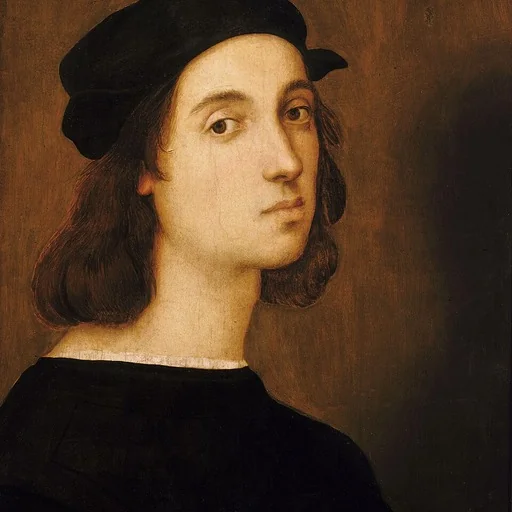
Raphael was born Raffaello Sanzio in Urbino on April 6, 1483, the son of Giovanni Santi, a painter and poet attached to the ducal court.

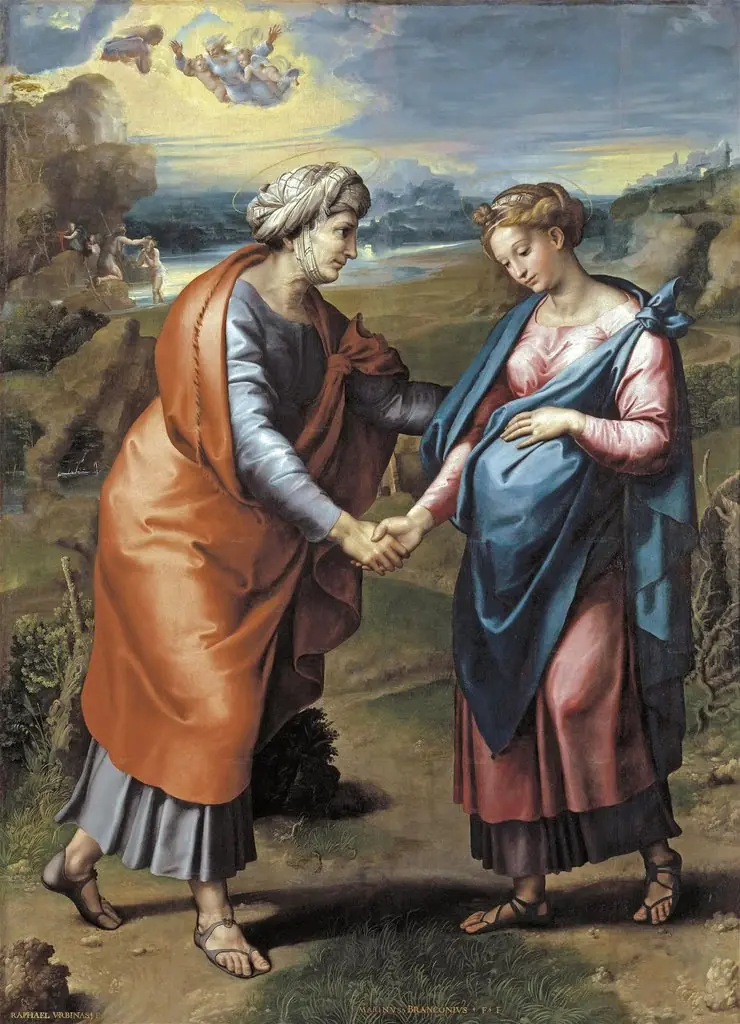
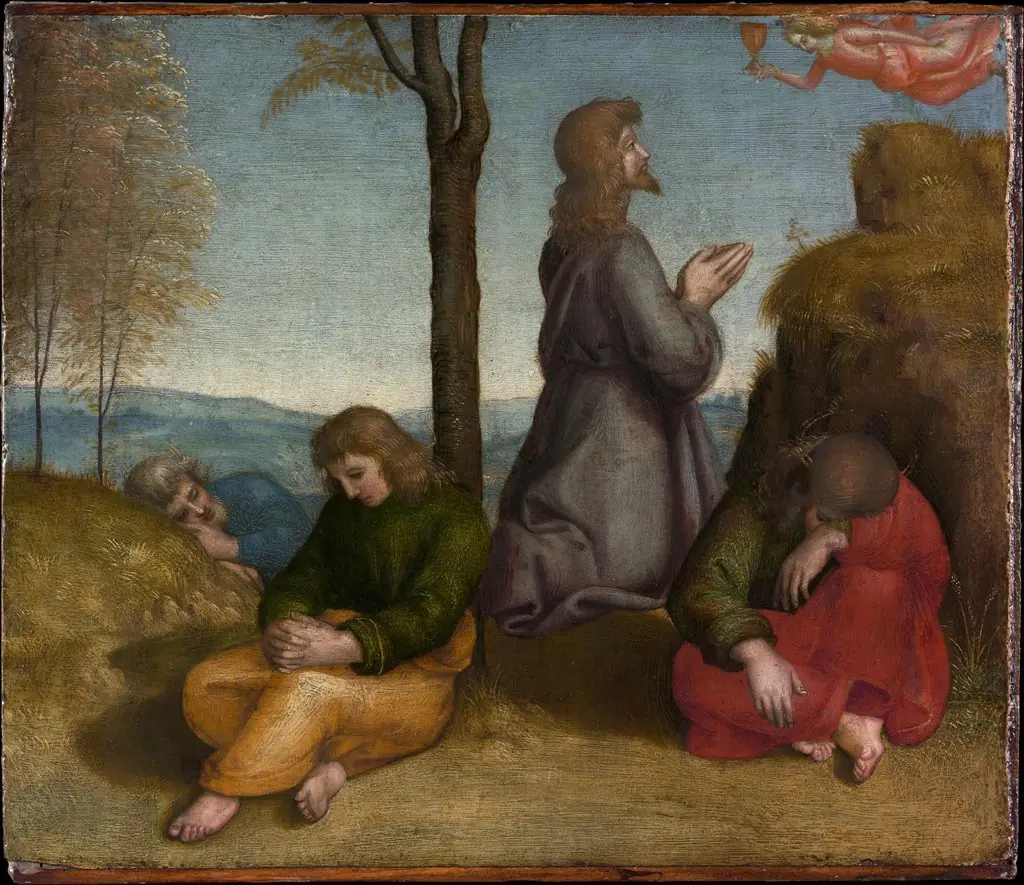
 Überführung der Bundeslade durch David; der Tod des Usa
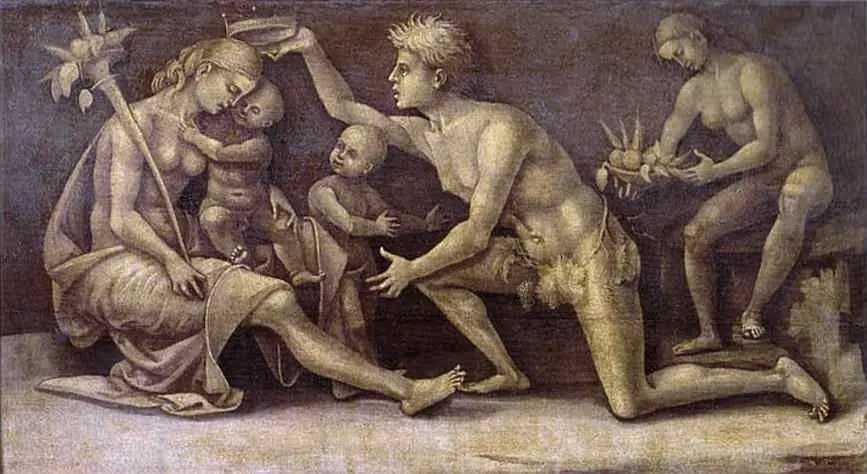 Allegory of Fertility and Abundance
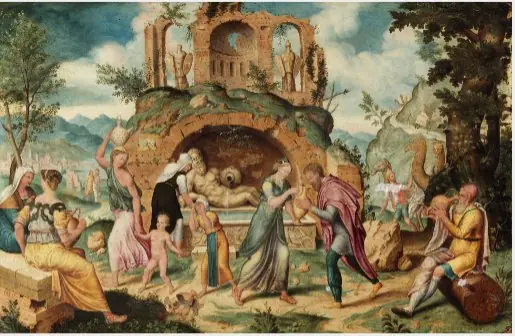 The Meeting of Rebecca and Abraham's Servant at the Well of Nahor
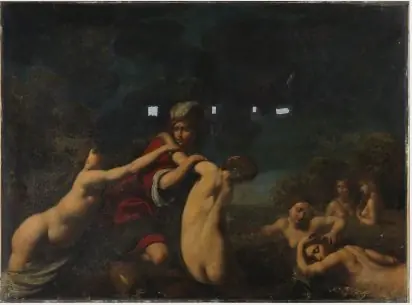 Hylas and the Nymphs
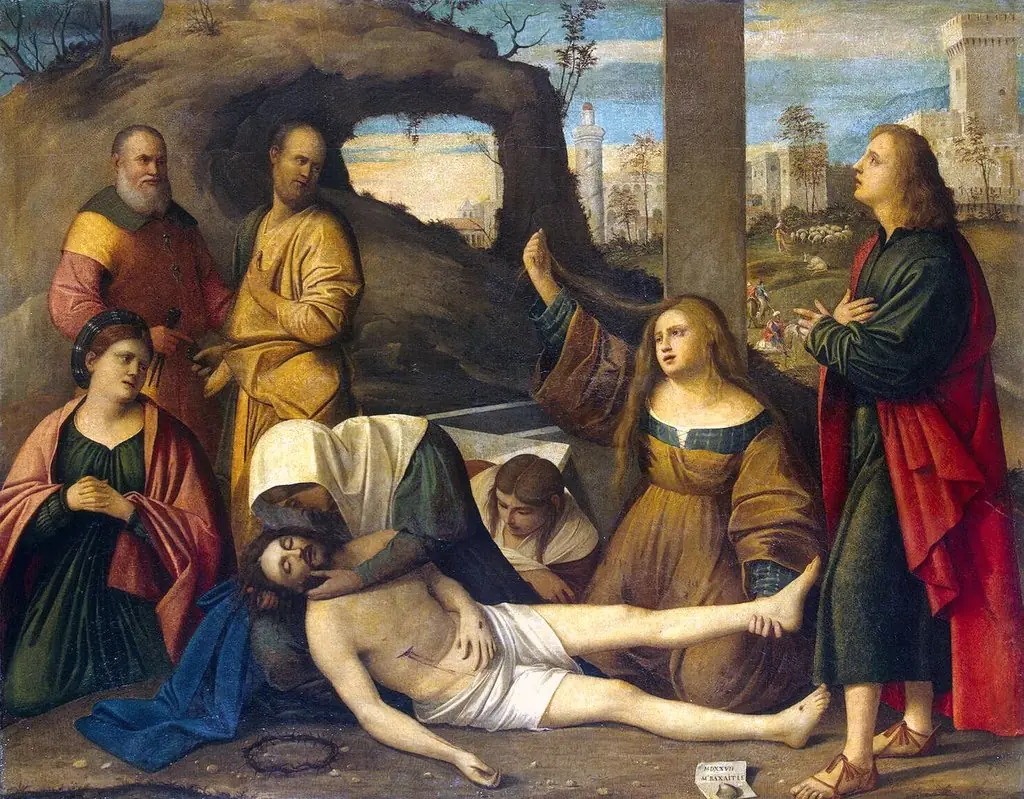 The Lamentation
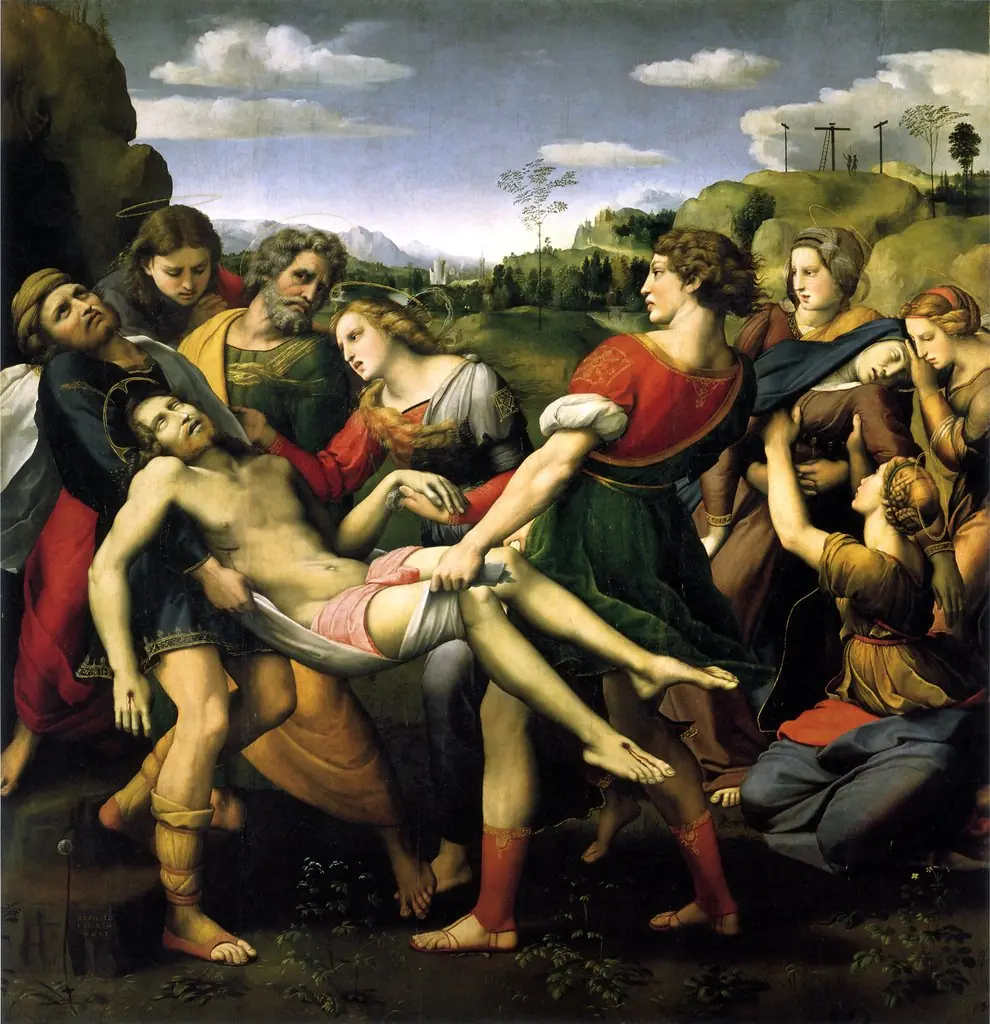 The Deposition
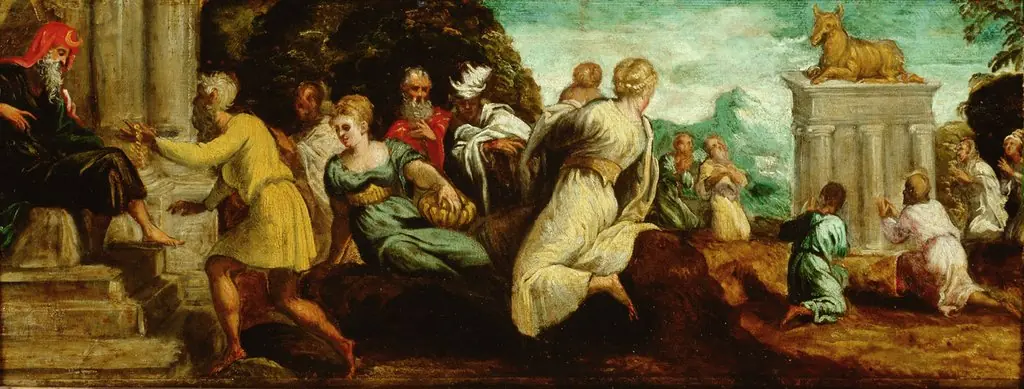 Anbetung des Goldenen Kalbes
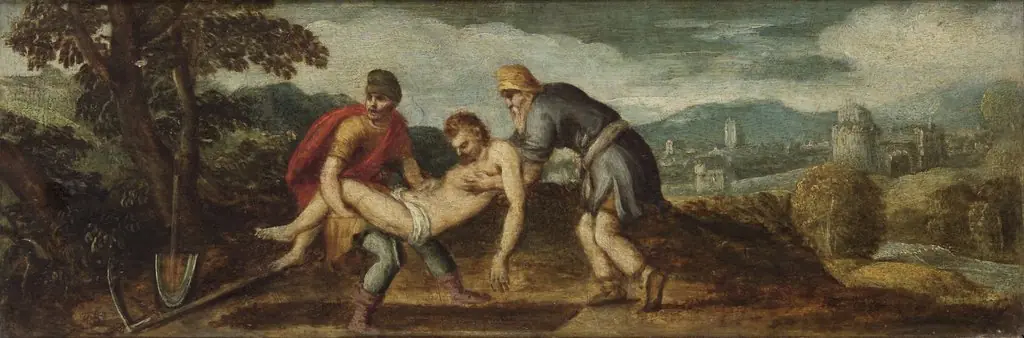 Der alte Tobias begräbt die Juden in Ninive
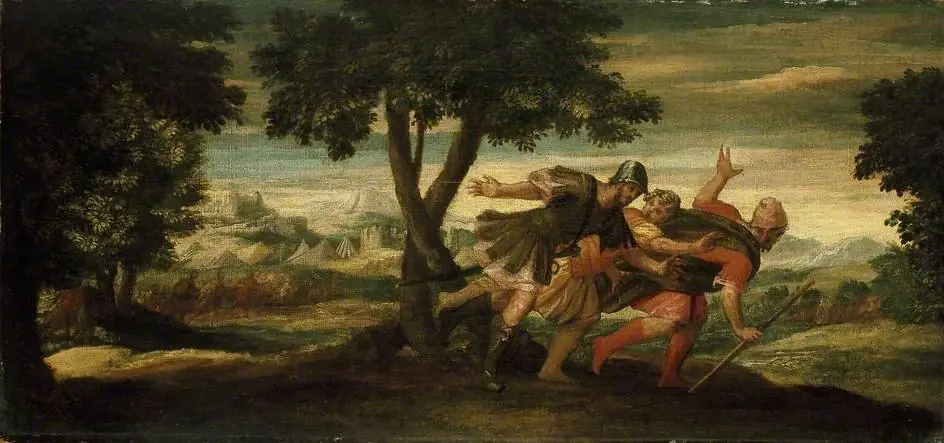 The Flight of Achior from the Camp of Holofernes
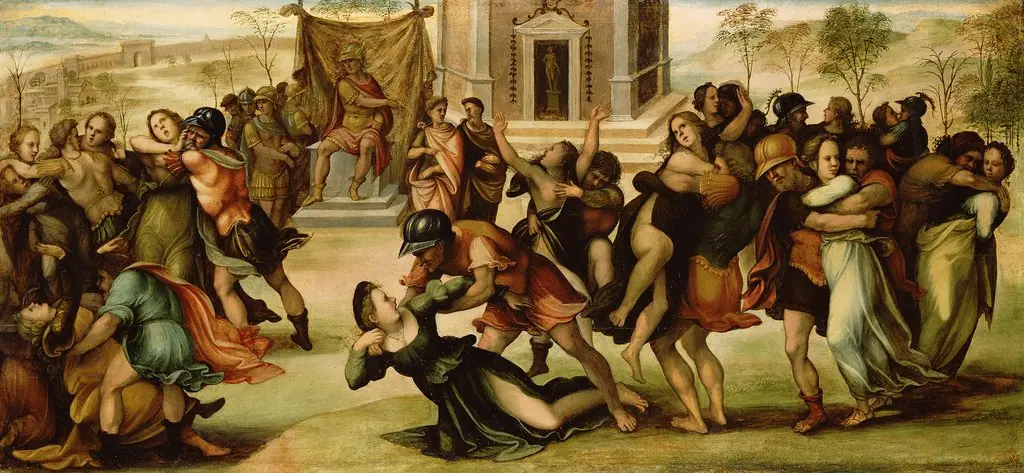 Rape of the Sabines
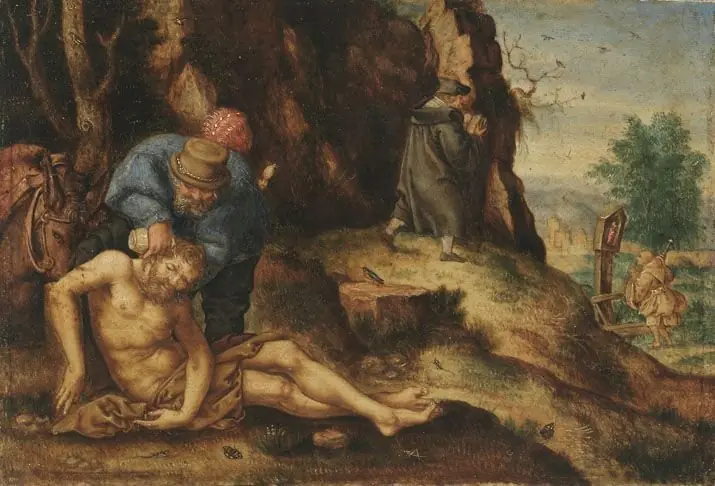 Der barmherzige Samariter pflegt den Verletzten (nach)
 The Death of Eurydice