Artwork
Self-Portrait
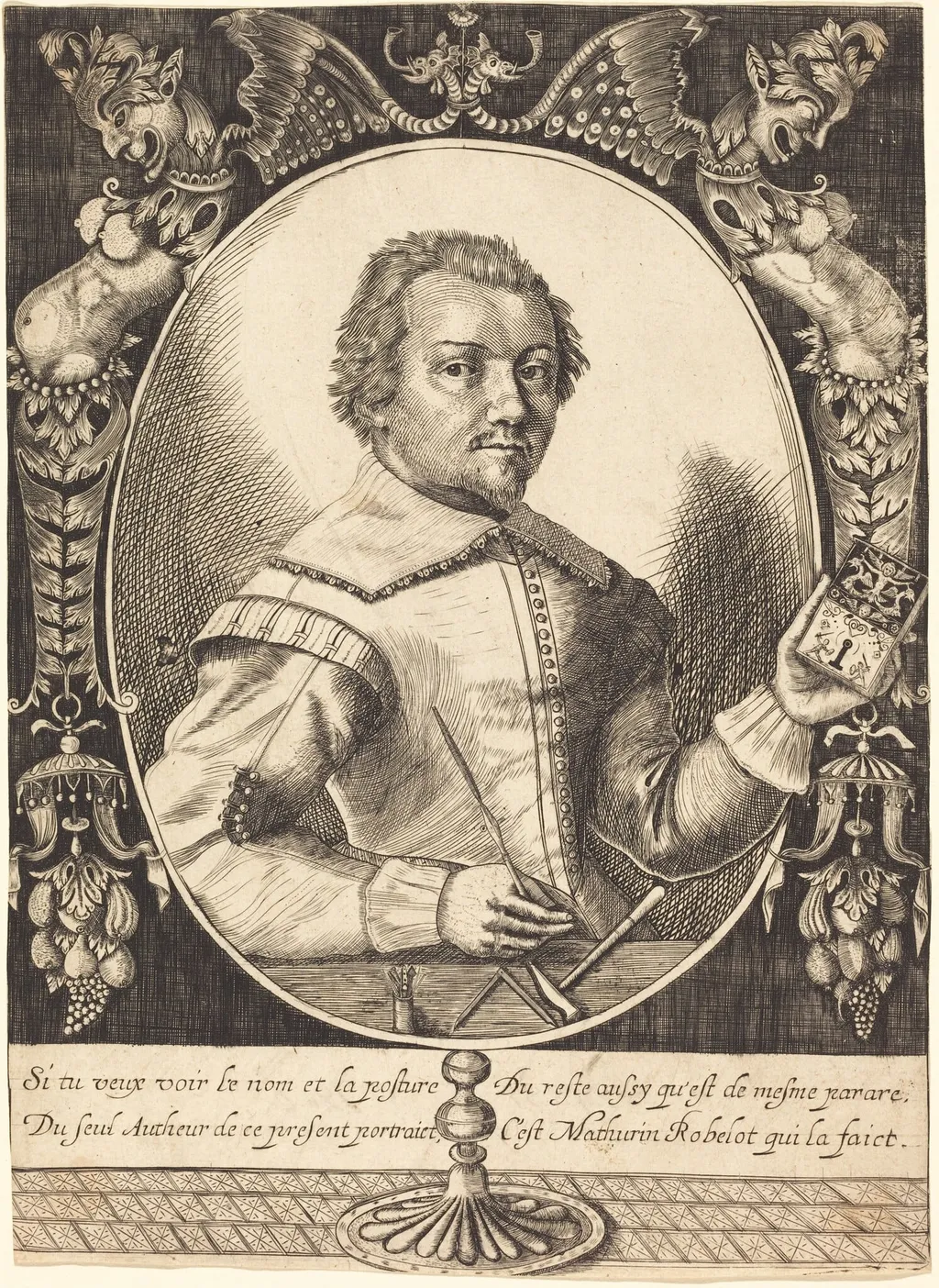
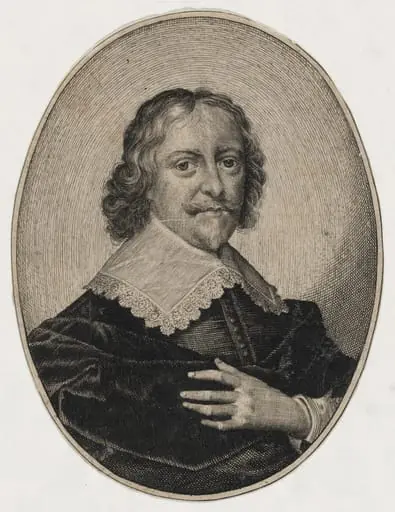
Self-Portrait is an ink print by the Baroque artist Mathurin Robelot. It dates from 1630 and is held in the collection of the National Gallery of Art.
About this work
Overview
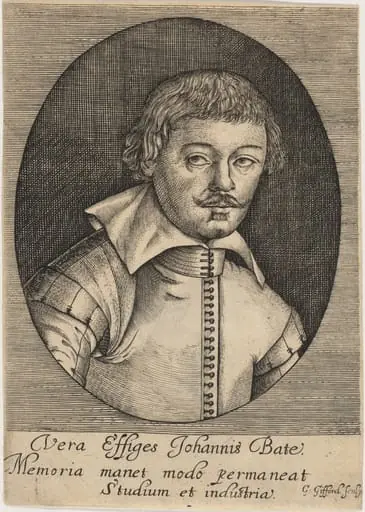
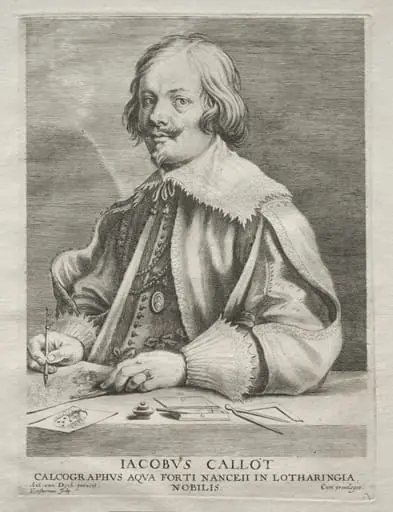
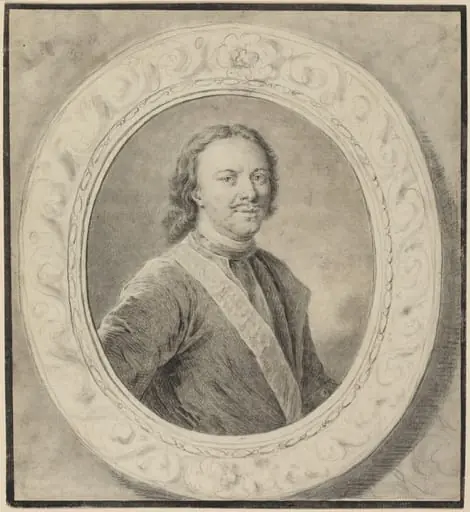
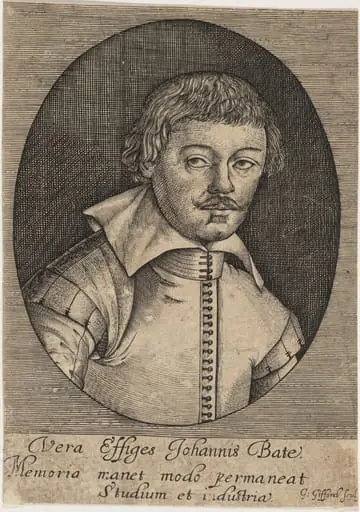
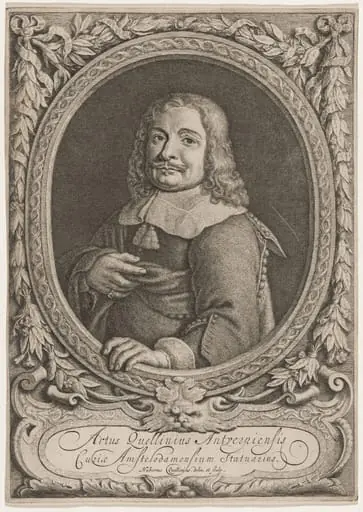
Mathurin Robelot's Self-Portrait is an engraving on laid paper, dating to circa 1630, depicting the artist himself in a formal, framed portrait.
Subject & Meaning
The subject, Robelot, is portrayed with a serious expression, short beard, and curly hair, holding a pair of compasses and a small, unidentified tool, indicating his profession as an artist or craftsman.
Technique & Style
Executed in black and white, the engraving features a simple oval frame with decorative elements including swirls, leaves, and a crest on the right, showcasing Robelot's mastery of detailed printmaking.
History & Provenance
Created around 1630, the engraving is signed in the text at the bottom as a self-portrait by Mathurin Robelot, though detailed provenance information is not provided.
Context
This work reflects the 17th-century tradition of artists depicting themselves with tools of their trade, highlighting their skills and professions.
Legacy
While specific influence or notable exhibitions of this piece are not highlighted, it remains a characteristic example of early 17th-century self-portraiture in printmaking.
Artist & collection