Artwork
Joannes Meyssens
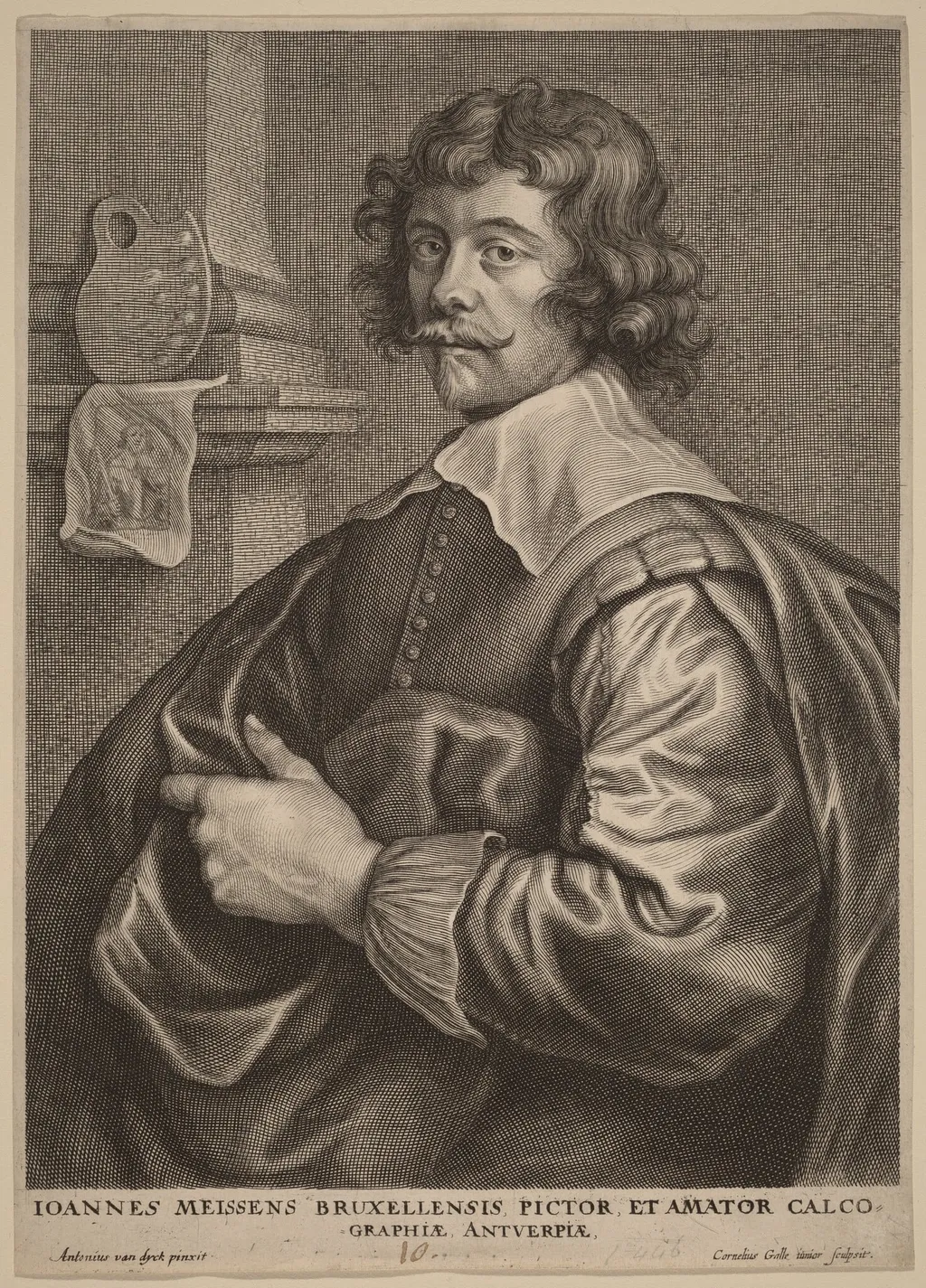
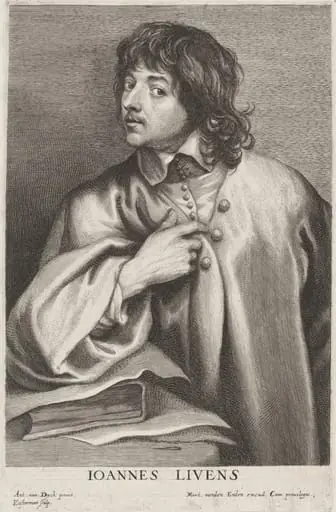
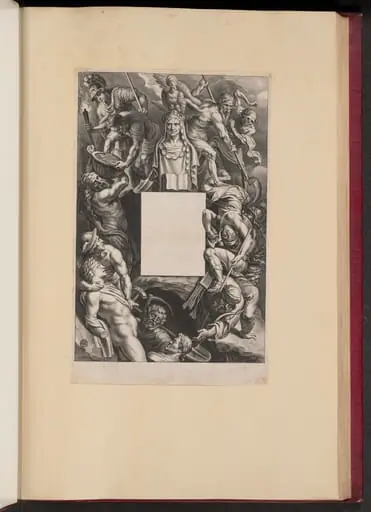
Joannes Meyssens is an ink print by the Baroque artist Cornelis Galle I. It dates from 1634 and is held in the collection of the National Gallery of Art.
About this work
Overview
This black-and-white engraving, produced around 1634, depicts Joannes Meyssens, a Flemish painter, rendered in fine linear detail by Cornelis Galle the Elder.
This black-and-white engraving, produced around 1634, depicts Joannes Meyssens, a Flemish painter, rendered in fine linear detail by Cornelis Galle the Elder. Executed on paper, the work belongs to the tradition of portrait prints that circulated among artists and collectors in the early 17th century. Galle, trained in Antwerp and Rome, employed precise engraving techniques to capture likeness and texture, reflecting the era’s emphasis on skilled reproductive printmaking.
Subject & Meaning
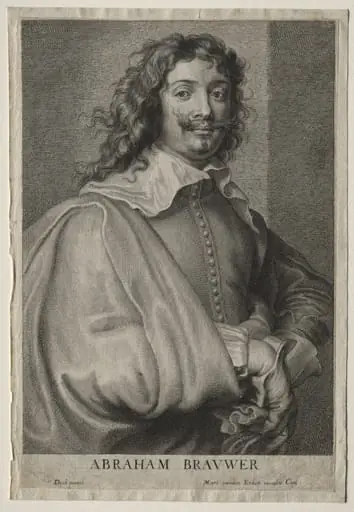
The subject, Joannes Meyssens, is identified by an inscription at the base of the print. He was an active painter in Antwerp, though little of his original work survives. The portrait presents him with solemn dignity, his ruffled collar and flowing sleeves suggesting status and refinement. The serious expression and detailed rendering of facial features convey a sense of individual identity, aligning with the humanist values of portraiture in the Northern Renaissance.
Technique & Style
Cornelis Galle the Elder used fine, controlled lines to model form and create depth. Shadows are built through dense cross-hatching and parallel strokes, particularly around the face and fabric folds, giving the image a sculptural quality. The engraving’s precision reflects Galle’s training in Rome, where he absorbed Italian approaches to chiaroscuro. His technique prioritizes clarity and tonal gradation over decorative flourish, characteristic of Northern European reproductive prints of the period.
History & Provenance
Created in Antwerp during Galle’s mature period, the engraving likely served as a means to disseminate the image of a contemporary artist to a wider audience. Galle, who ran a successful print shop, often reproduced works by other artists to meet market demand. This portrait may have been commissioned or produced independently to honor Meyssens’ standing in the local artistic community, though no documented ownership records from the time are known.
Context
In early 17th-century Antwerp, printmaking was a vital medium for artistic exchange. Engravings like this one connected painters with patrons and peers beyond their immediate circle. Galle’s role as both engraver and publisher placed him at the center of this network. The portrait reflects a broader trend of documenting artists’ likenesses, reinforcing professional identity in a competitive urban art market.
Legacy
While Joannes Meyssens’ paintings have largely vanished, this engraving preserves his visual presence. Cornelis Galle’s work exemplifies the technical standards of Flemish printmaking and contributed to the archival function of prints in art history. The image remains a key reference for scholars studying Antwerp’s artistic community and the circulation of artist portraits in the Baroque era.
Artist & collection

Artist
Cornelis Galle the Elder (1576 – 29 March 1650), a younger son of Philip Galle, was born at Antwerp in 1576, and was taught engraving by his father.

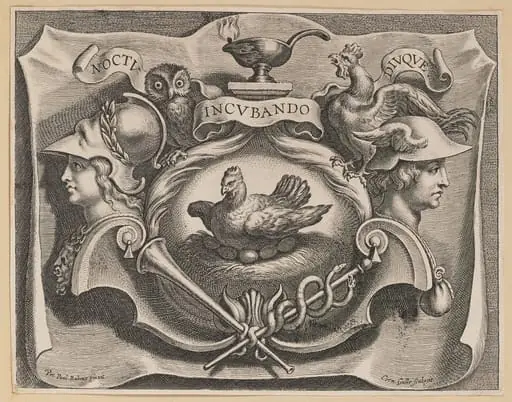 Vignette for the Title Page of Martinus Bonacina, Opera Omnia
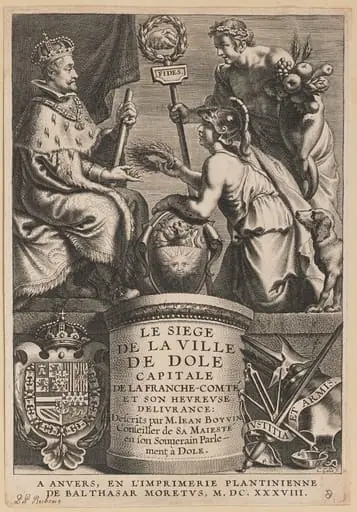 Title Page for Jean Boyvin, Le Siege de la Ville de Dole
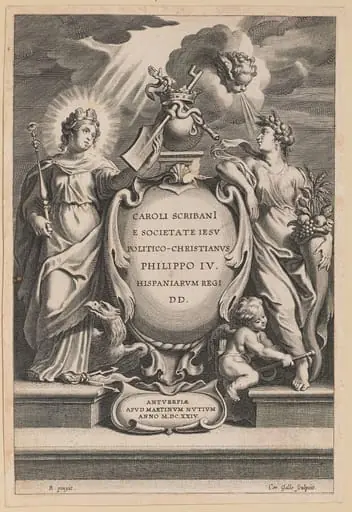 Title Page for Carolus Scribani, Politico-Christianus
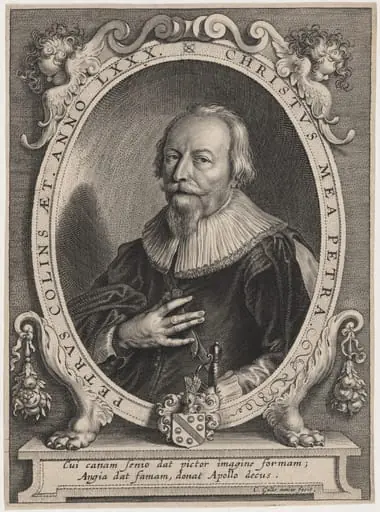 Petrus Collins
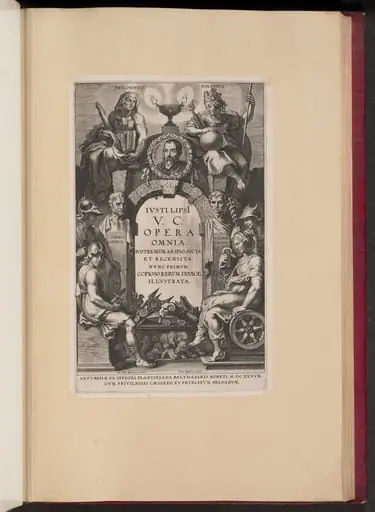 Title Page for Justus Lipsius, Opera Omnia, I
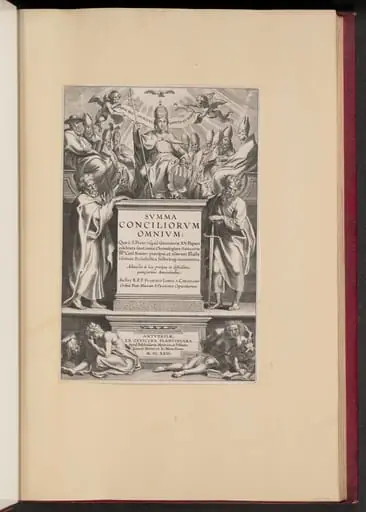 Title Page for F. Longo a Coriolano's "Svmma Conciliorvm Omnivm"
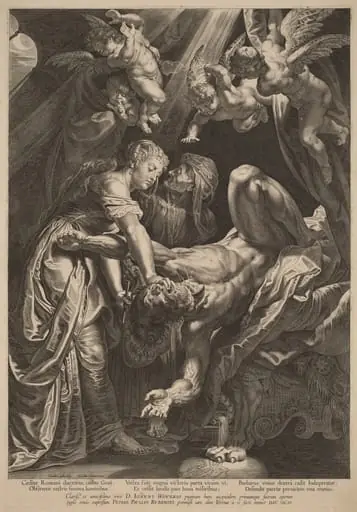 Judith Beheading Holofernes
 Title Page for Hubert Goltzius, Romanae et Graecae Antiqvitatis Monvmenta (Opera Omnia, I)