Artwork
Emperor Maximilian I
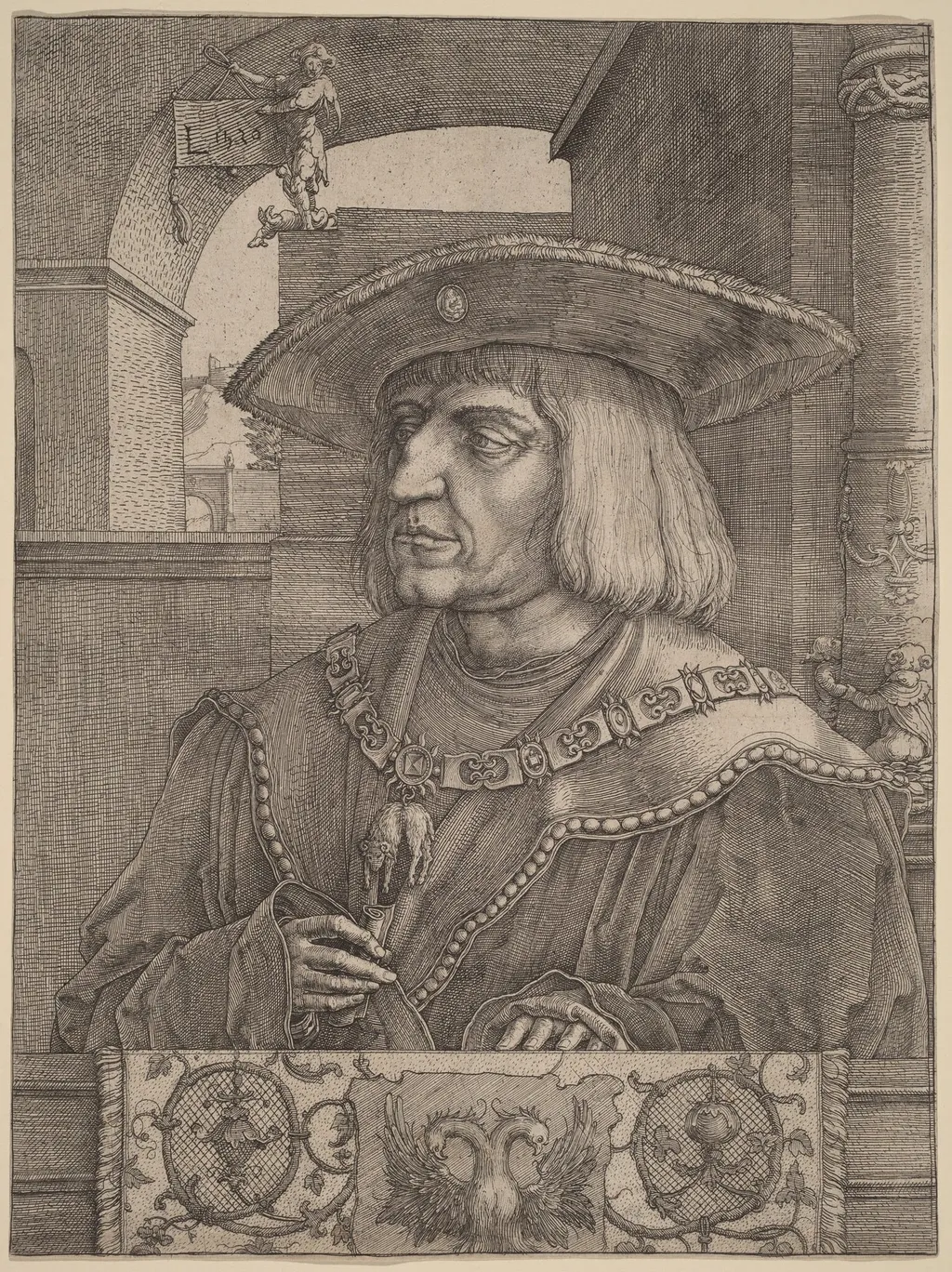
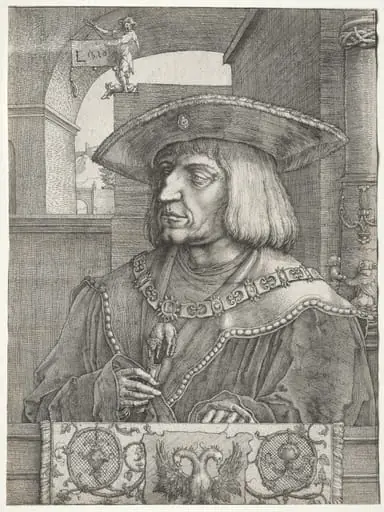
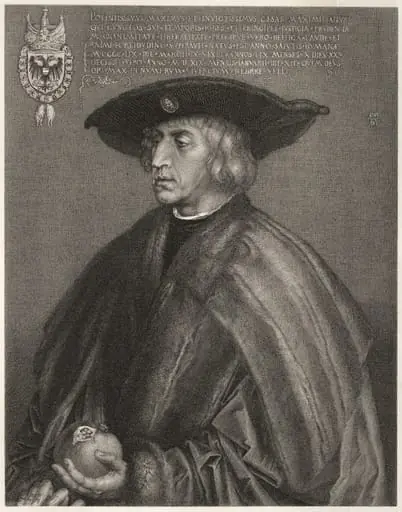
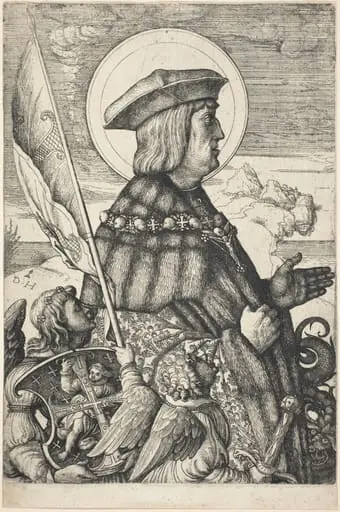
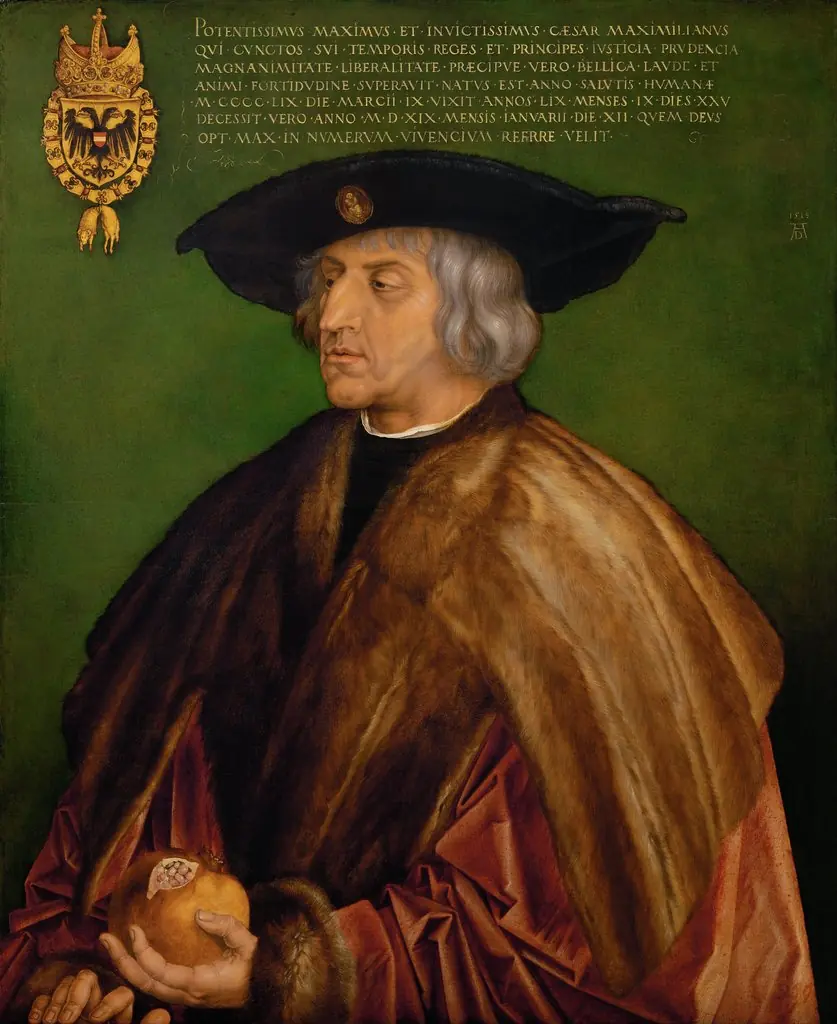
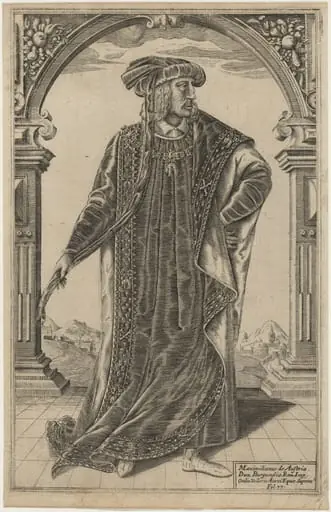
Emperor Maximilian I is an ink print by the Renaissance artist Lucas van Leyden. It dates from 1520 and is held in the collection of the National Gallery of Art.
About this work
Overview
Van Leyden, known for his technical mastery, produced this portrait as part of a broader effort to document imperial figures through reproducible imagery.
Created in 1520 by the Dutch artist Lucas van Leyden, this black-and-white print depicts Emperor Maximilian I using the combined techniques of engraving and etching. The work belongs to a tradition of Northern European printmaking that valued precision and detail. Van Leyden, known for his technical mastery, produced this portrait as part of a broader effort to document imperial figures through reproducible imagery.
Subject & Meaning
The portrait presents Maximilian I, Holy Roman Emperor, in formal attire: a tall feathered hat, a jeweled chain, and a ruffled collar. His hands hold a small object, possibly a glove or ornamental item, suggesting ceremonial poise. The window behind him reveals a distant architectural form, subtly anchoring the figure in a real-world context. The image conveys authority through dress and composure rather than overt symbolism.
Technique & Style
Van Leyden employed fine, controlled lines characteristic of engraving, enhanced by the tonal range possible through etching. The texture of fabric, the gleam of metal, and the delicate rendering of feathers are achieved with meticulous hatching and cross-hatching. The background is rendered with lighter, more open lines, creating spatial depth without distraction. The precision reflects the artist’s expertise in translating detail into a printed medium.
History & Provenance
The print was made during Maximilian’s final years, as part of a larger campaign to immortalize his image through prints and medals. Lucas van Leyden, then in his twenties, was already recognized for his technical skill. The work likely circulated among nobility and collectors in the Low Countries and Germany, serving both as a likeness and a political statement. Its survival in multiple impressions indicates early demand for such portraits.
Context
In early 16th-century Europe, printmaking became a vital tool for disseminating images of rulers. Van Leyden’s portrait aligns with a trend where emperors and nobles commissioned artists to produce standardized likenesses. Unlike painted portraits, prints could be reproduced and distributed widely, making them effective for projecting power across territories. This work reflects the intersection of art, politics, and emerging mass communication.
Legacy
Lucas van Leyden’s portrait of Maximilian I stands as an early example of the portrait print’s potential to convey status through technical refinement. It influenced later Northern European printmakers who sought to combine realism with intricate line work. Though not widely reproduced today, it remains a key reference in studies of Renaissance print culture and the role of imagery in early modern governance.
Artist & collection

Artist
Lucas van Leyden (1494 – 8 August 1533), was a Dutch painter and printmaker in engraving and woodcut. Lucas van Leyden was among the first Dutch exponents of genre painting and was a very accomplished engraver.

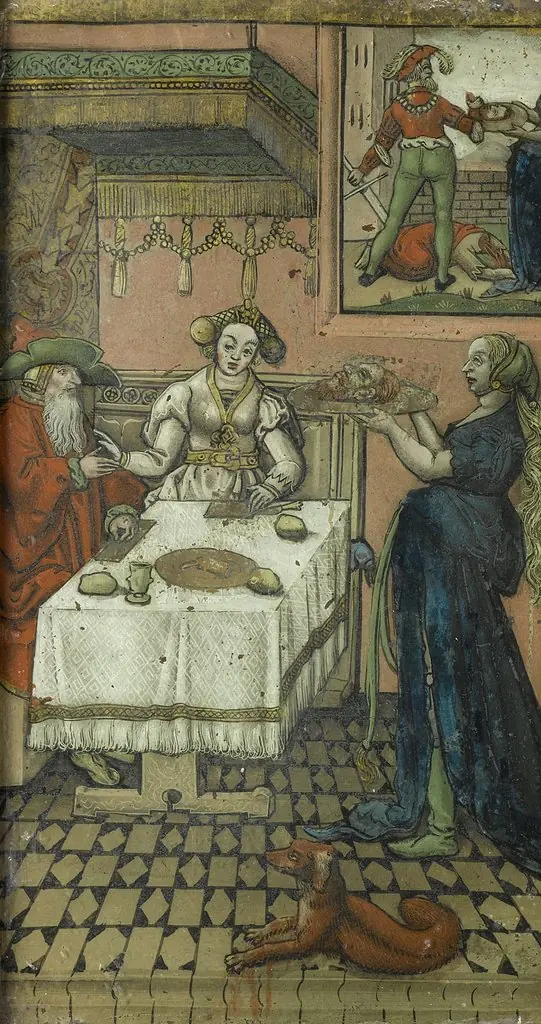 Salome with the head of St John the Baptist
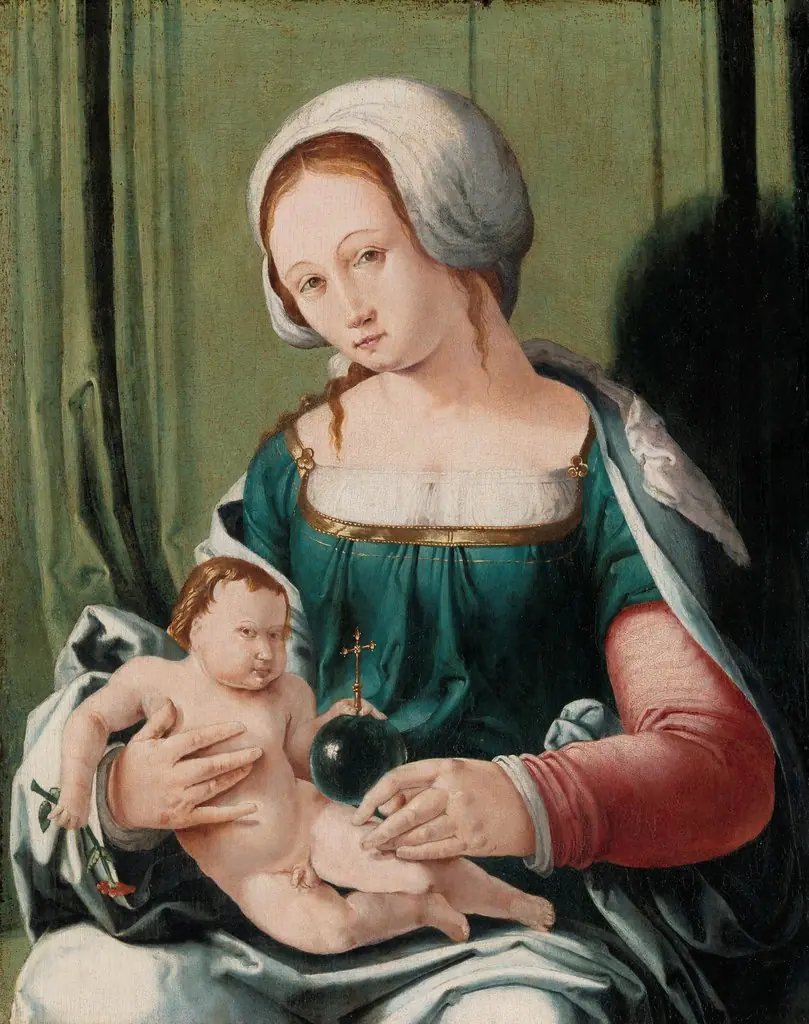 The Virgin and Child
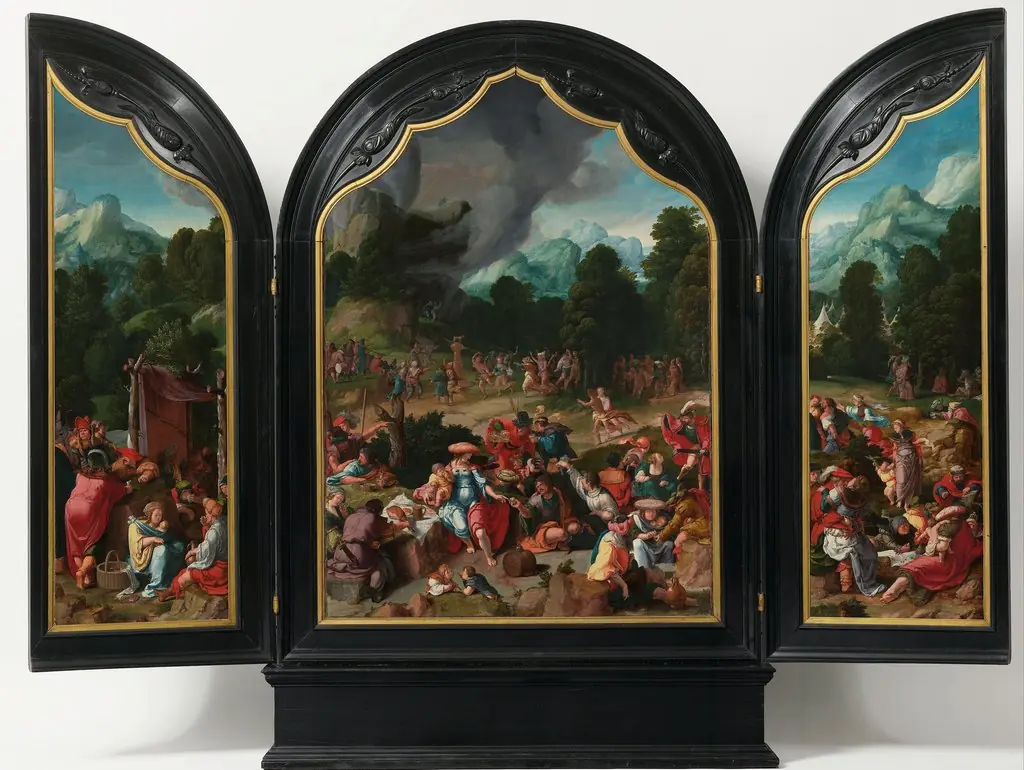 Worship of the Golden Calf
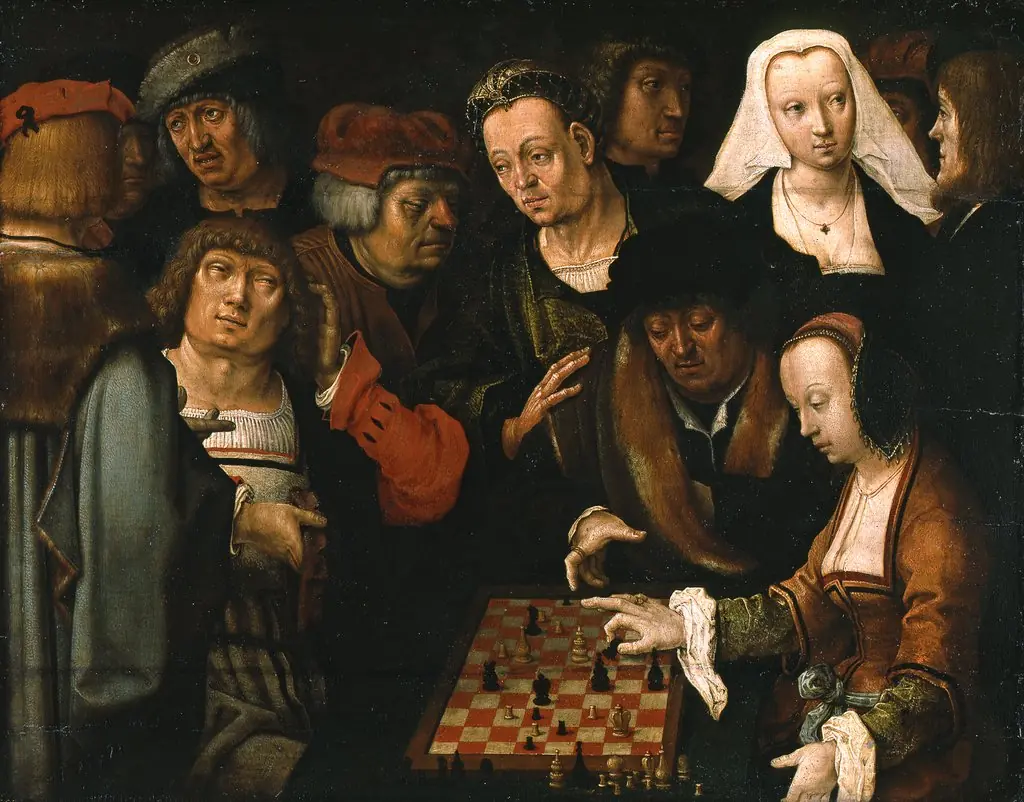 A Game of Chess
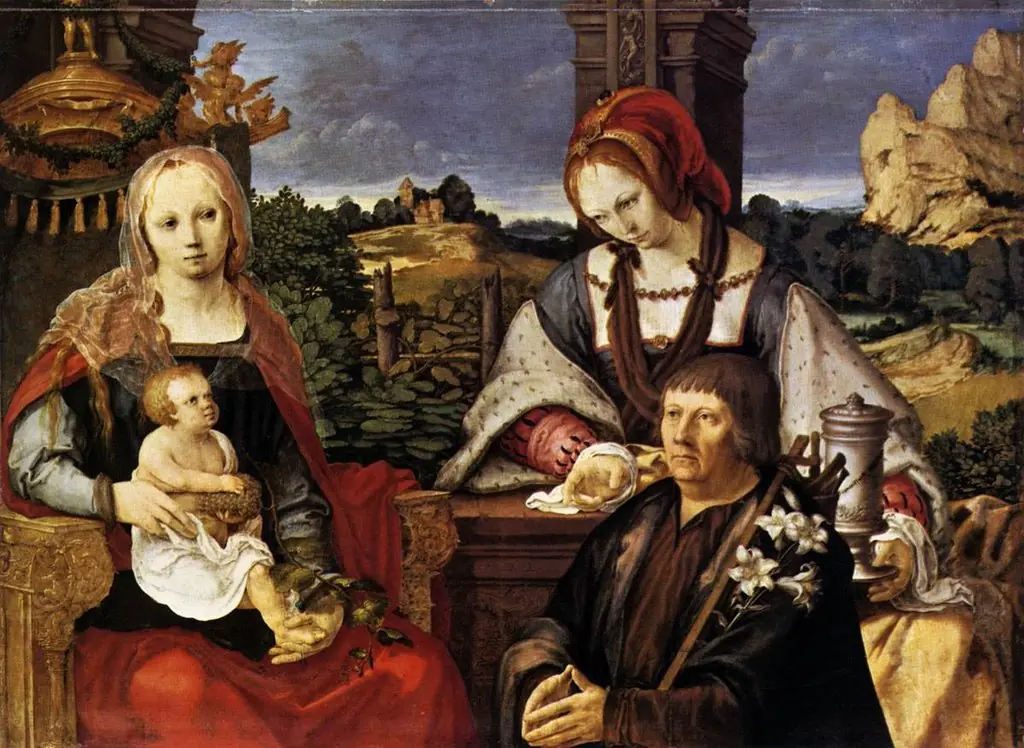 Mary with Child, St. Maria Magdalena and founder (separate outside, Inv. No. 7713)
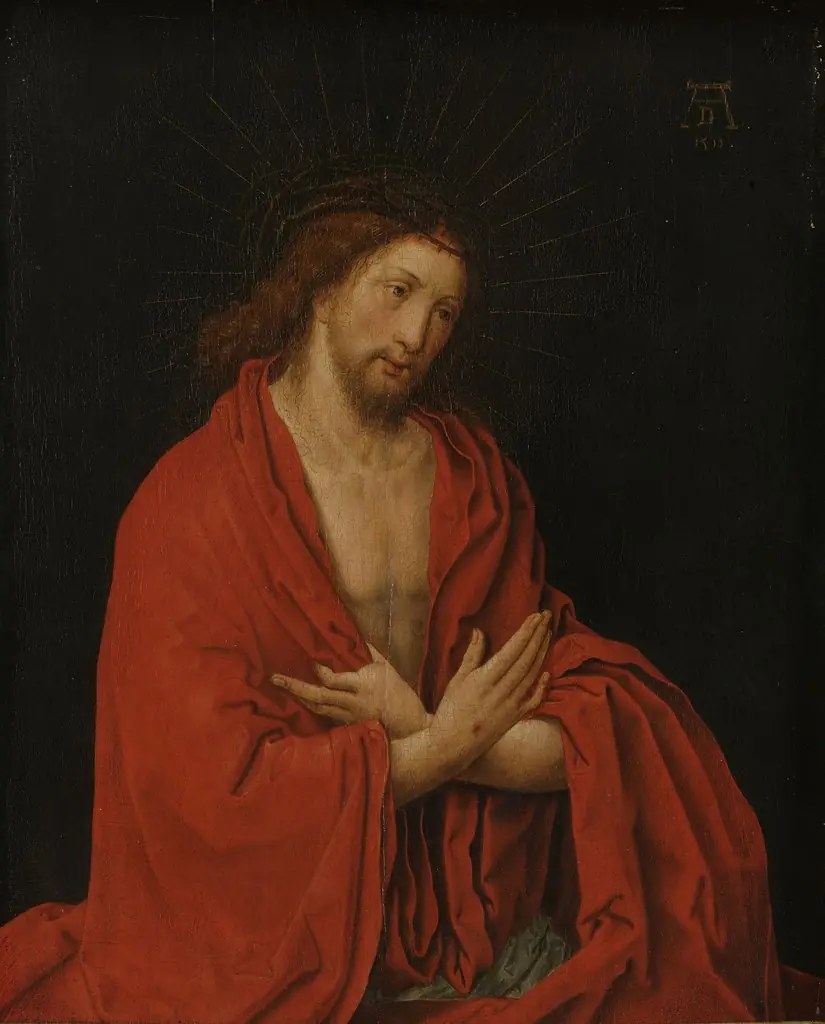 Inner left wing of a diptych with Christ as the Man of Sorrows
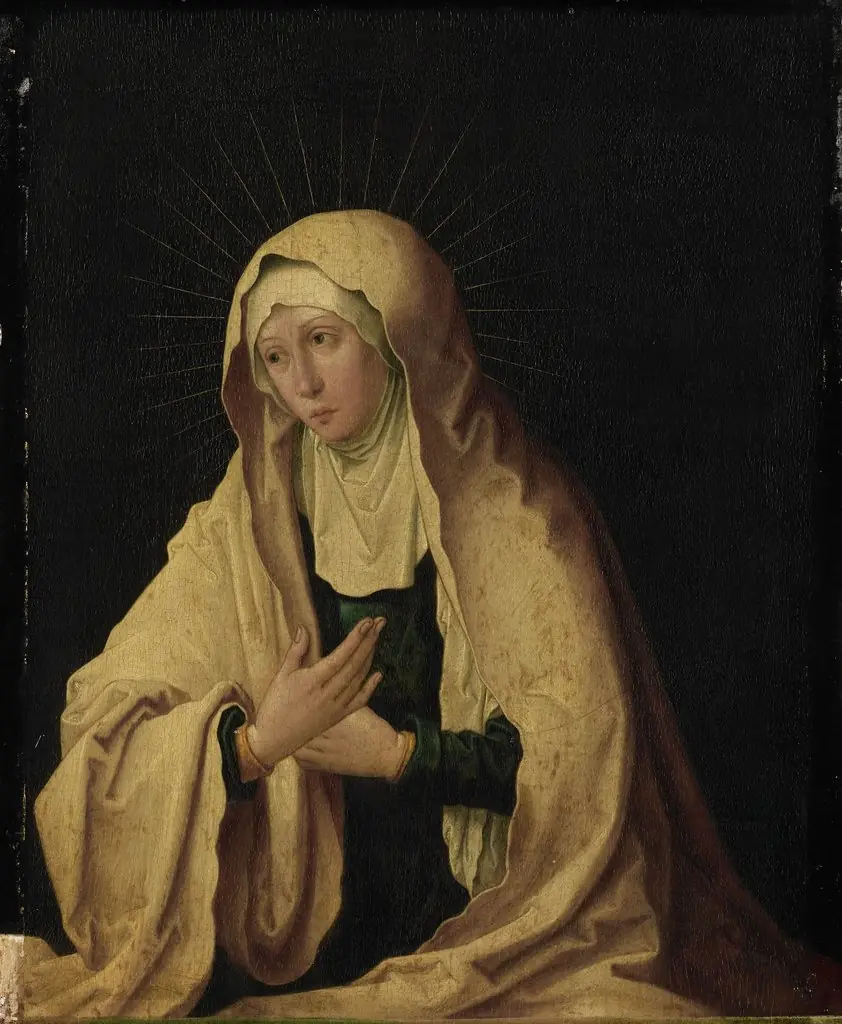 Inner right wing of a diptych with the Virgin as Mater Dolorosa
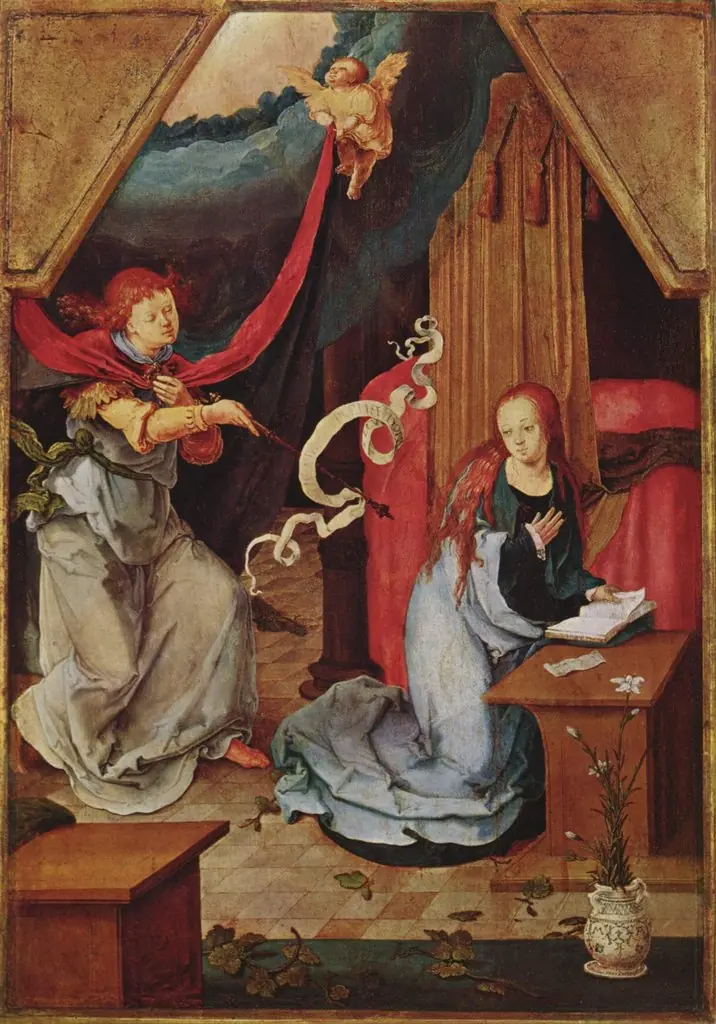 Annunciation