Artwork
Herod and Herodias
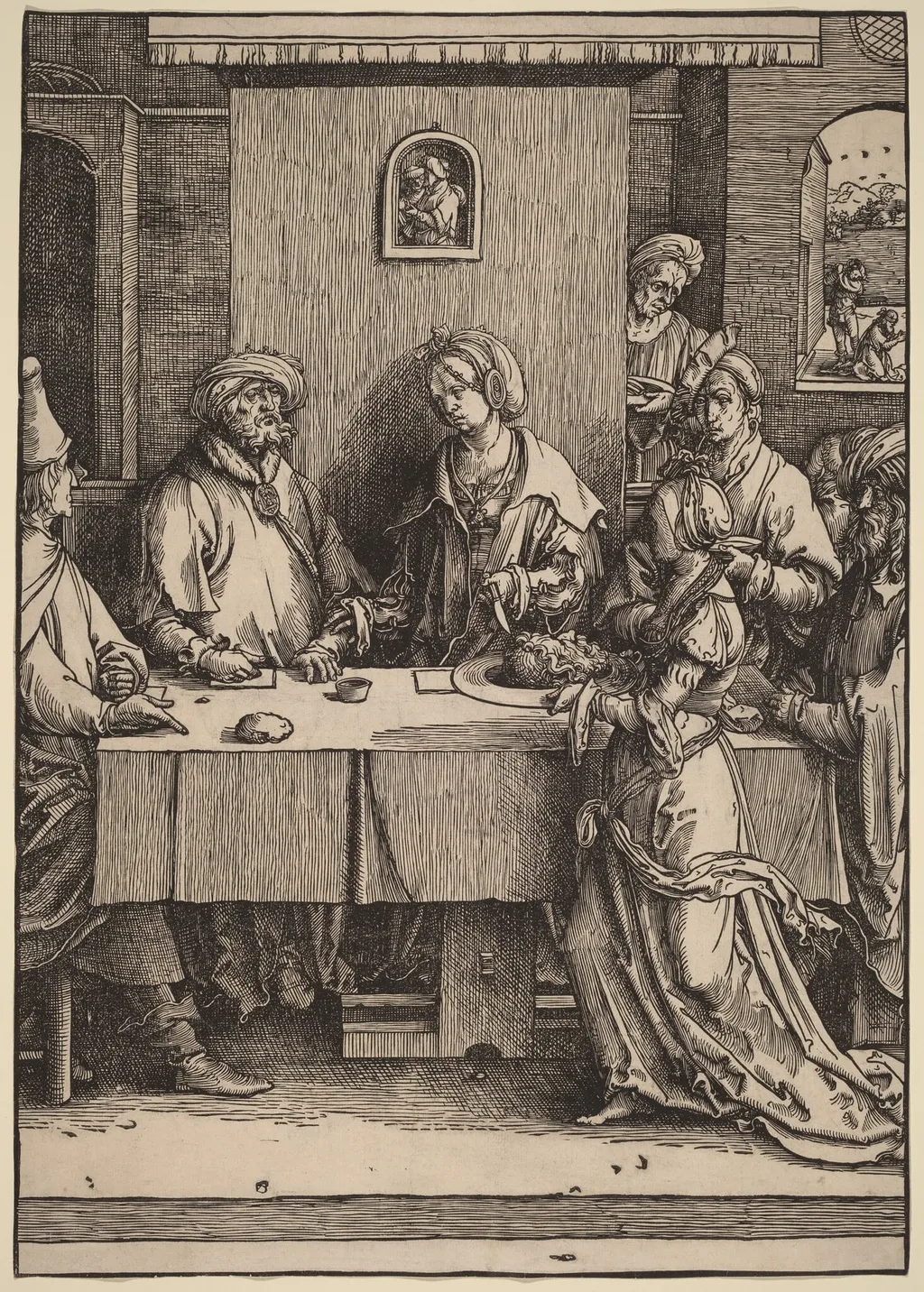
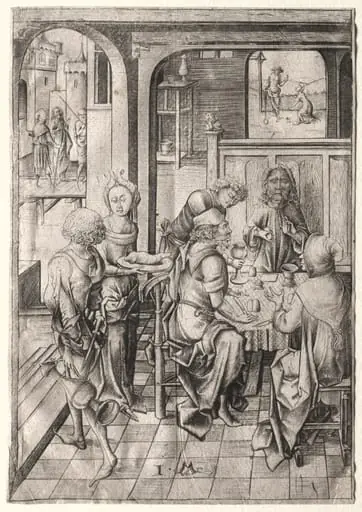
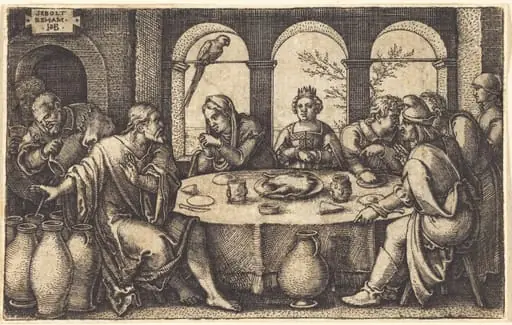
Herod and Herodias is an ink print by the Renaissance artist Lucas van Leyden. It dates from 1512 and is held in the collection of the National Gallery of Art.
About this work
Overview
Simple furnishings and a small window frame the tableau, while the artist’s precise line work creates a sense of depth despite the medium’s limitations.
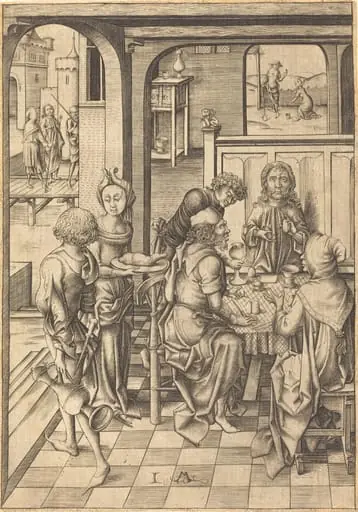
Lucas van Leyden’s woodcut *Herod and Herodias*, dated to around 1512, presents a compact interior scene in stark black‑and‑white. Five figures occupy a modest room: a bearded man at a table with a cup, a woman reaching for fruit, two standing men, and a kneeling woman bearing a tray with a bird. Simple furnishings and a small window frame the tableau, while the artist’s precise line work creates a sense of depth despite the medium’s limitations.
Subject & Meaning
The print illustrates the biblical episode in which Herod, influenced by Herodias, contemplates the execution of John the Baptist. Though the narrative is not fully dramatized, the arrangement of the characters—Herod’s relaxed posture, Herodias’s forward lean, and the presence of a bird, a traditional symbol of the condemned prophet—suggests the moral tension between power, desire, and impending violence.
Technique & Style
Executed as a woodcut, the image was carved into a block of wood, inked, and pressed onto paper. Van Leyden’s hallmark lies in his use of crisp, intersecting lines to render textures of fabric, wood grain, and shadows. The careful modulation of hatching produces a three‑dimensional effect, while the stark contrast between black and white emphasizes the figures’ gestures and the spatial arrangement.
History & Provenance
Lucas van Leyden, born in Leiden in 1494, was a leading figure of the Northern Renaissance, known for both painting and printmaking. This work belongs to his mature period, when he was experimenting with narrative woodcuts for devotional and literary markets. Surviving copies are held in several European collections, reflecting the print’s wide distribution in the early sixteenth century.
Context
The early 1500s saw a surge in printed religious imagery across the Low Countries, driven by the growing market for affordable devotional objects. Van Leyden’s *Herod and Herodias* fits within this trend, offering a visual meditation on a New Testament story that could be owned by a middle‑class household, while also showcasing the artist’s technical virtuosity in a medium that was becoming increasingly sophisticated.
Artist & collection

Artist
Lucas van Leyden (1494 – 8 August 1533), was a Dutch painter and printmaker in engraving and woodcut. Lucas van Leyden was among the first Dutch exponents of genre painting and was a very accomplished engraver.

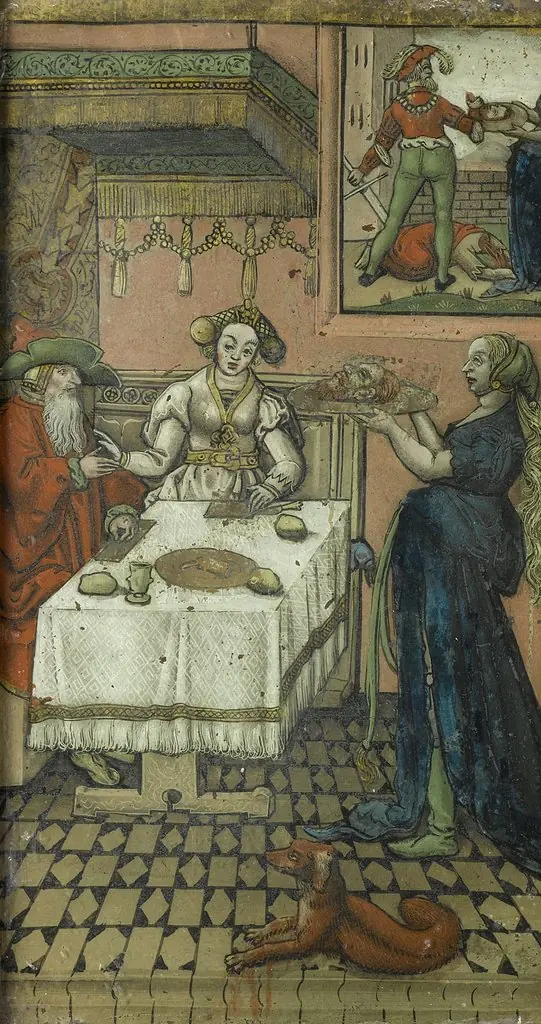 Salome with the head of St John the Baptist
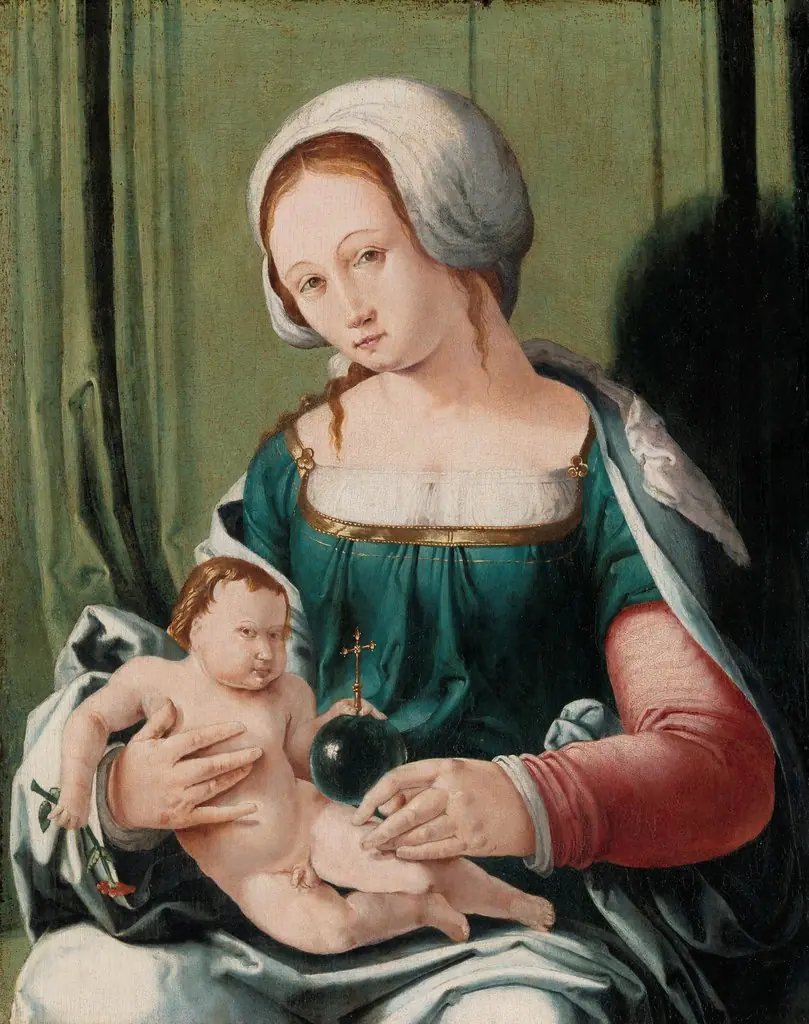 The Virgin and Child
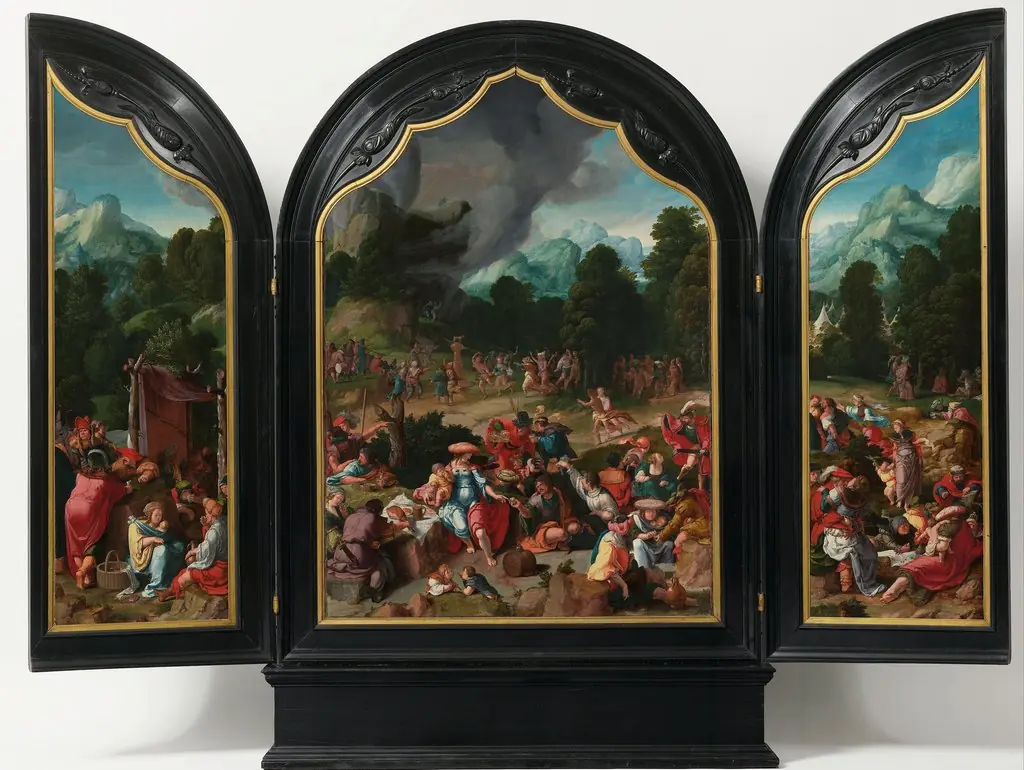 Worship of the Golden Calf
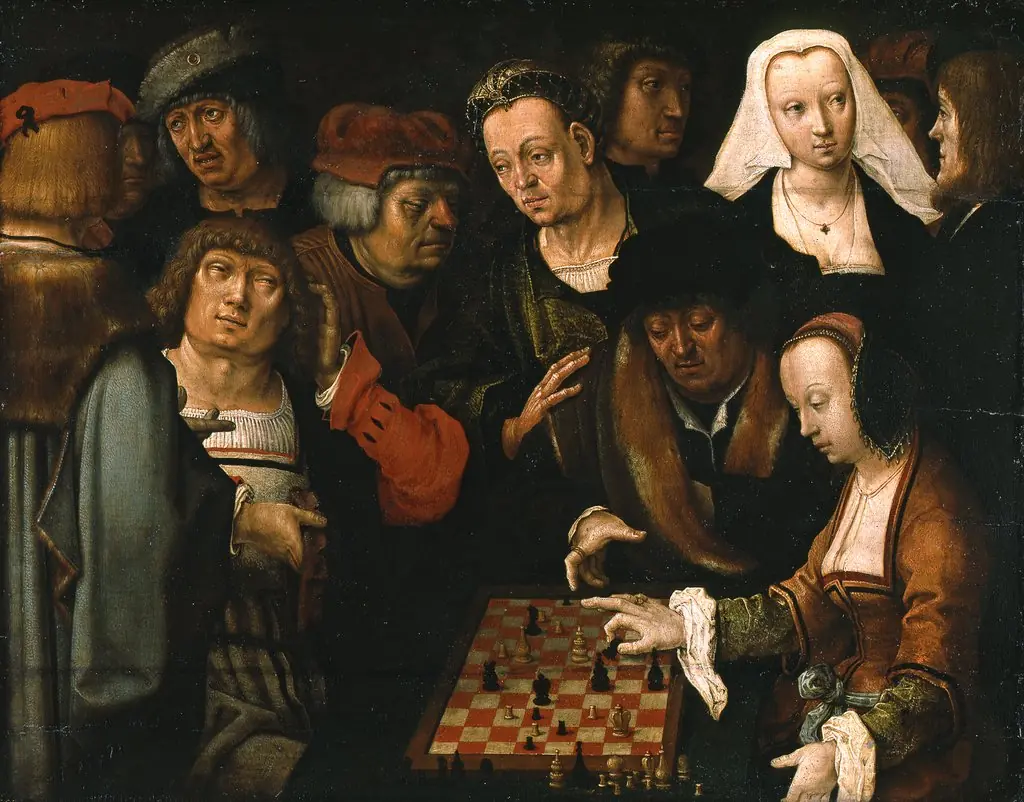 A Game of Chess
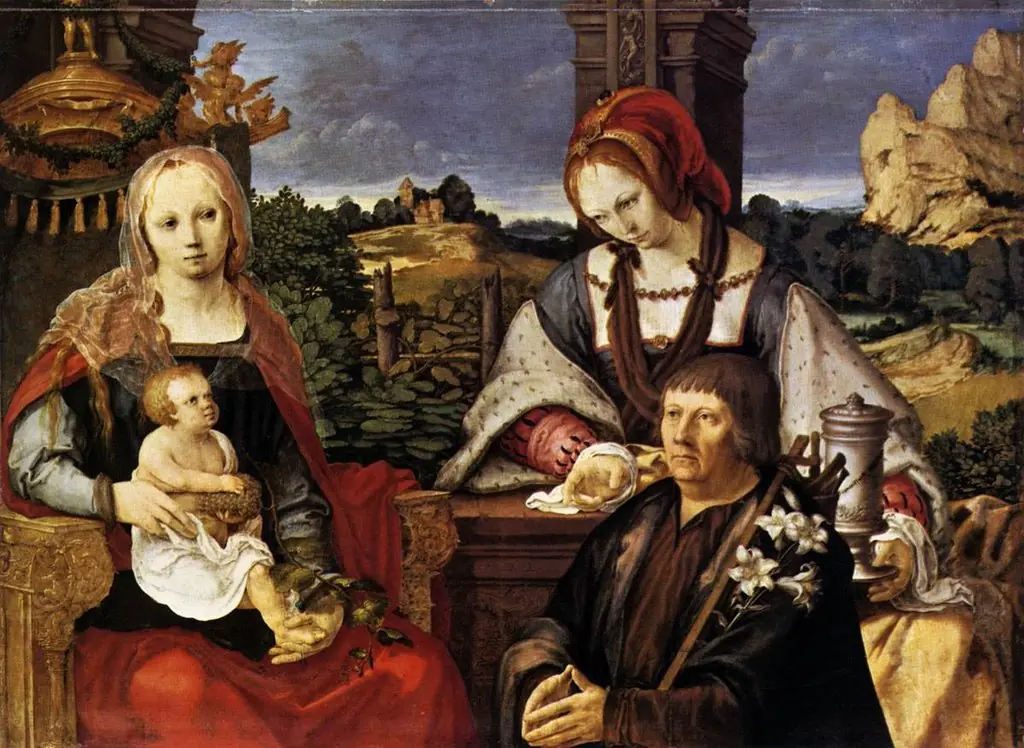 Mary with Child, St. Maria Magdalena and founder (separate outside, Inv. No. 7713)
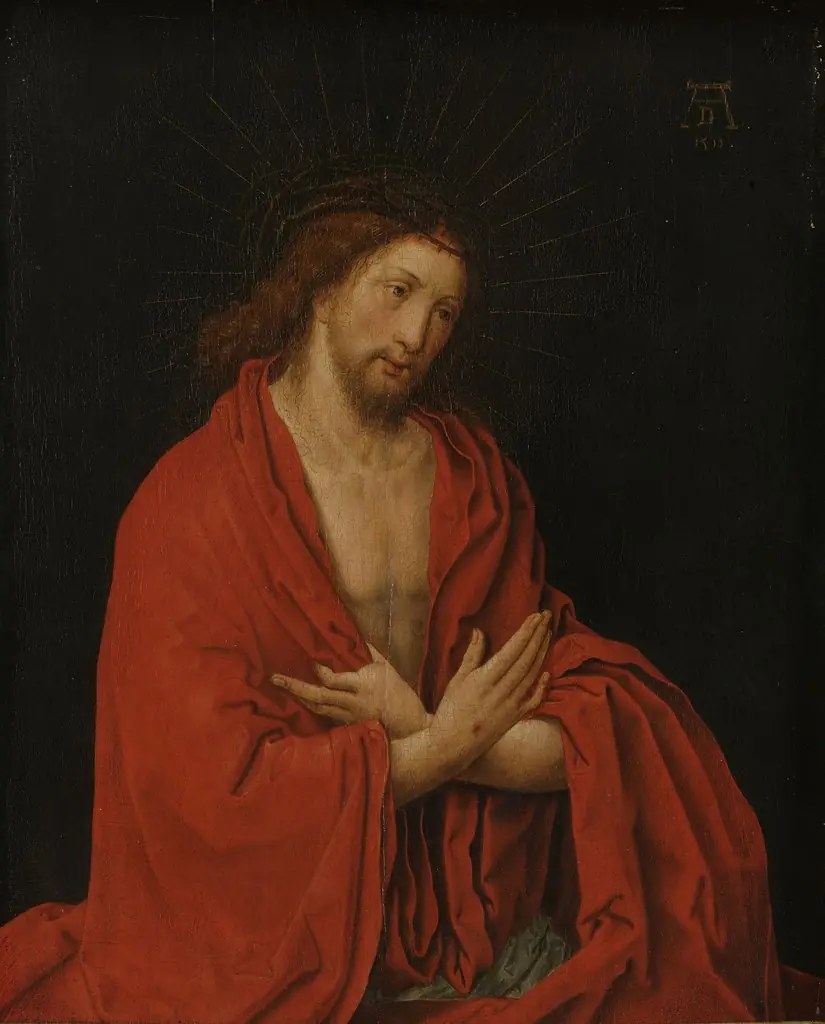 Inner left wing of a diptych with Christ as the Man of Sorrows
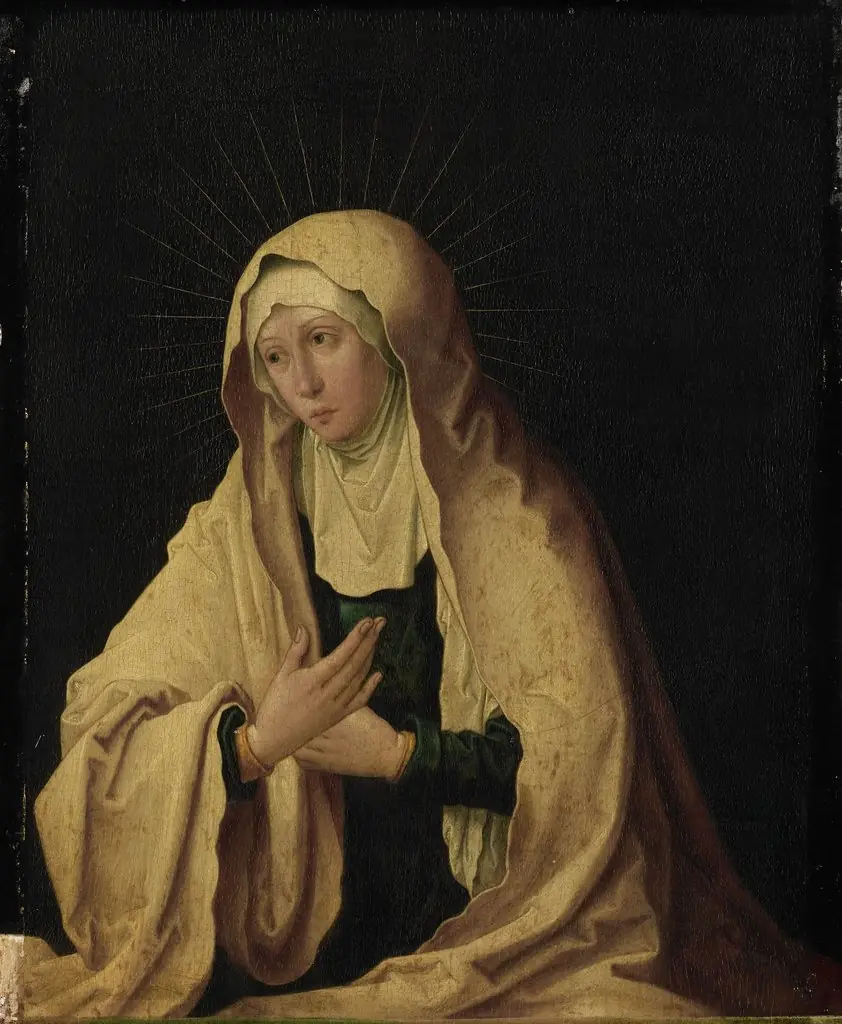 Inner right wing of a diptych with the Virgin as Mater Dolorosa
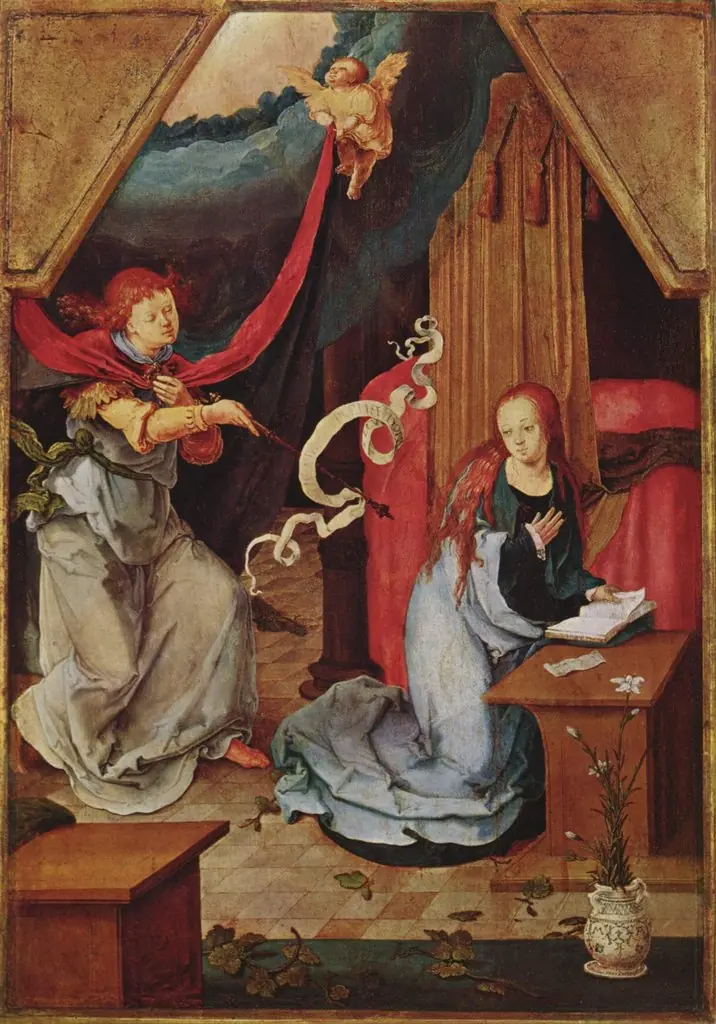 Annunciation