Artwork
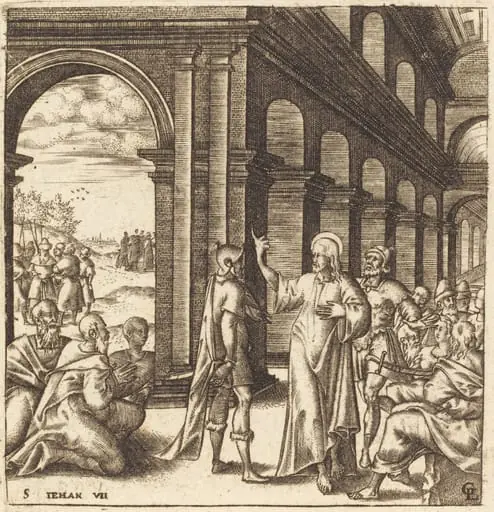
Christ Teaching
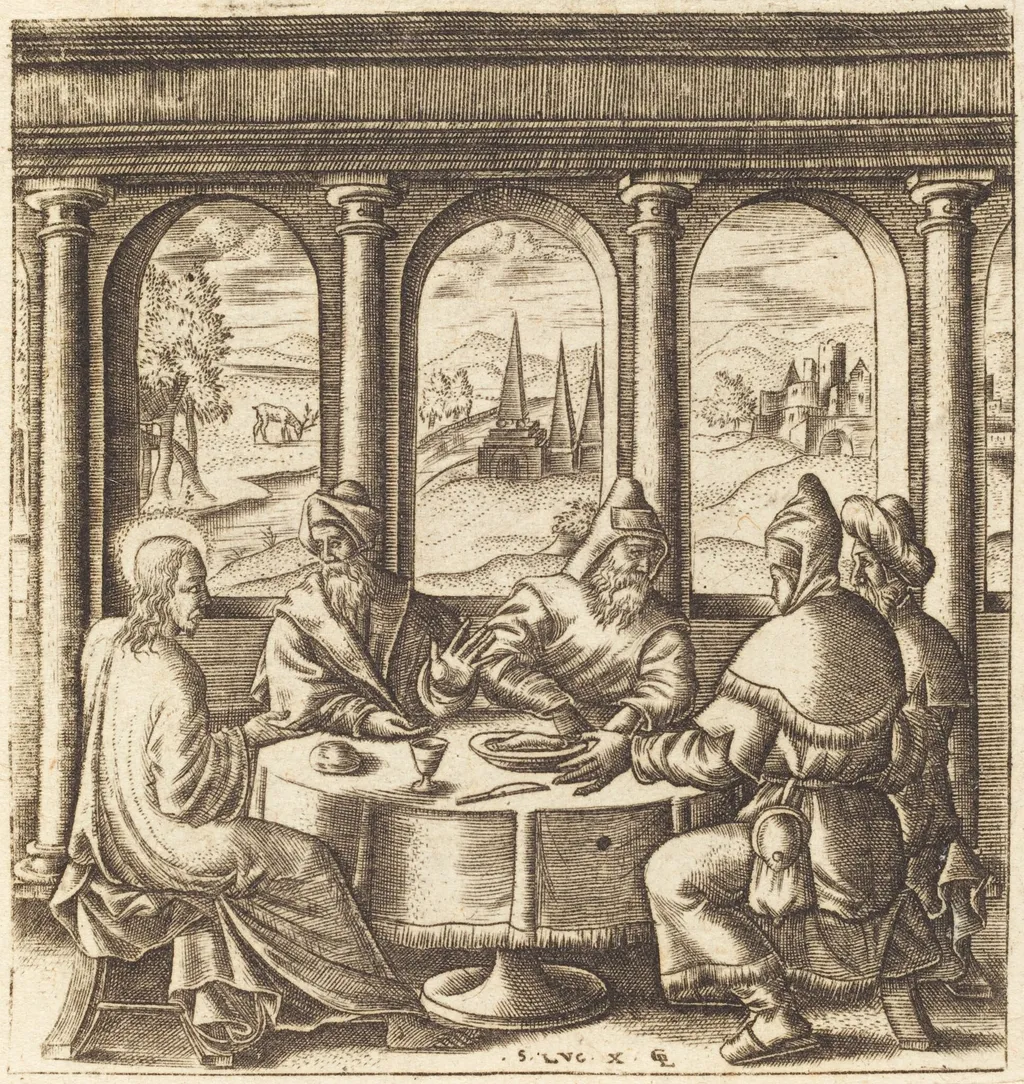
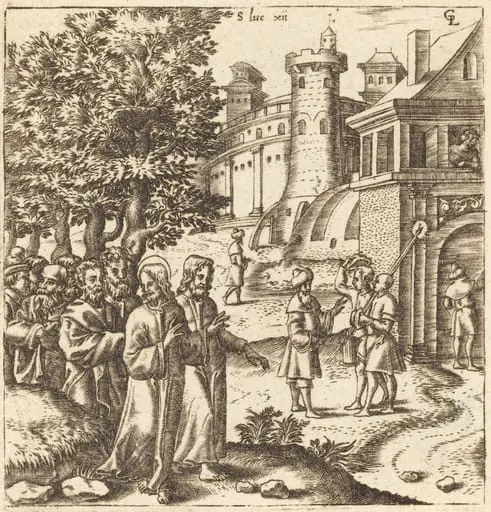
Christ Teaching is an ink print by the Renaissance artist Léonard Gaultier. It dates from 1578 and is held in the collection of the National Gallery of Art.
About this work
Overview
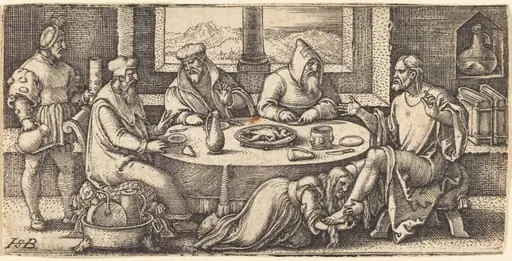
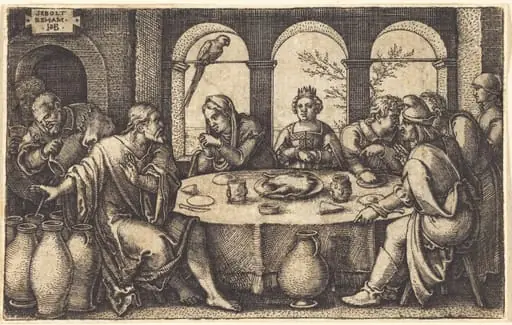
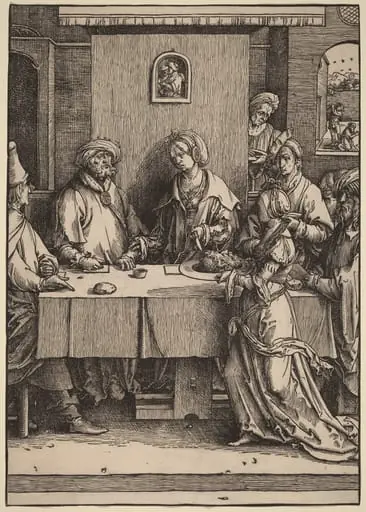
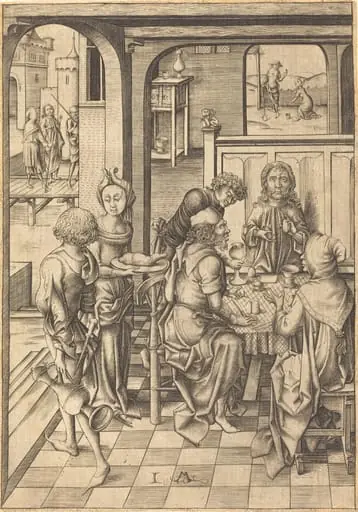
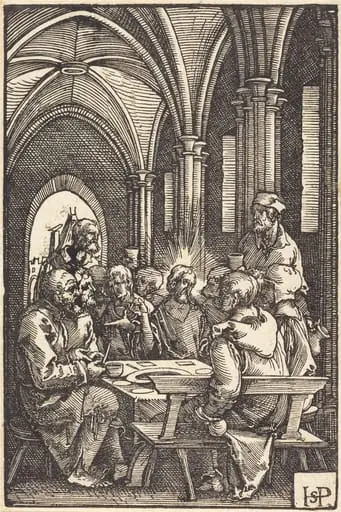
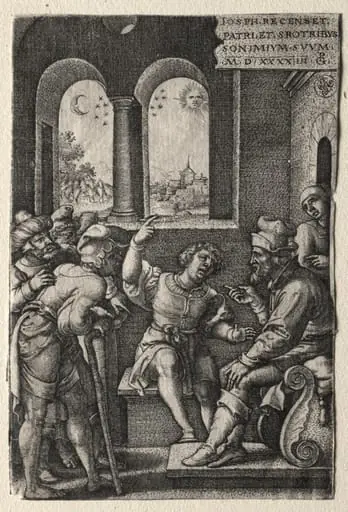
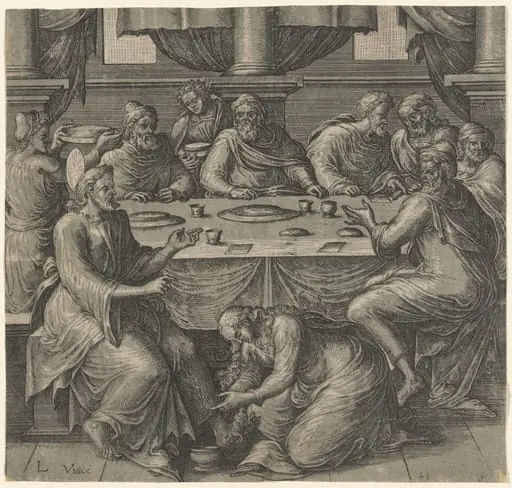
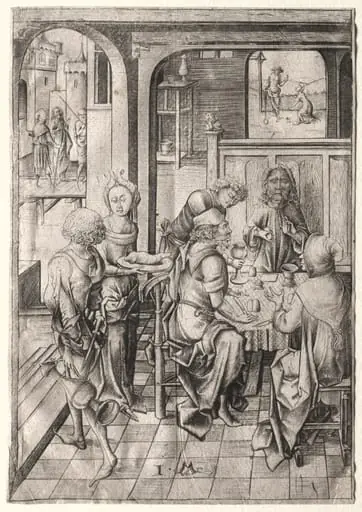
Christ Teaching is an engraving executed circa 1578 by Léonard Gaultier, a French printmaker born near Mainz in 1561 who worked in Paris until his death in 1641. The work measures roughly 30 × 20 cm and is held in the collection of the National Gallery of Art in Washington. It depicts a quiet, contemplative gathering of Christ with four companions around a modest table.
Subject & Meaning
The figures appear absorbed in a serene discussion, suggesting a didactic moment drawn from the New Testament tradition of Christ instructing his disciples.
The composition presents Jesus seated on the left, identifiable by his halo and simple robe, engaged in dialogue with four men in contemporary dress. The figures appear absorbed in a serene discussion, suggesting a didactic moment drawn from the New Testament tradition of Christ instructing his disciples. The surrounding landscape—soft hills, trees, and distant structures—reinforces a tranquil, reflective atmosphere.
Technique & Style
Gaultier employed the graver to incise fine, controlled lines, achieving a precise yet restrained rendering typical of his oeuvre. The engraving’s formal clarity and balanced arrangement echo the meticulous approach of the Wierix brothers and Crispyn van de Passe, whose works also emphasize detailed line work and compositional order within a Renaissance aesthetic.
History & Provenance
Created during the late sixteenth century, the print reflects Gaultier’s early period in Paris, when he was establishing his reputation for original designs. After circulating among collectors of religious prints, the engraving entered the National Gallery of Art’s holdings in the twentieth century, where it remains accessible for study and exhibition.
Context
Christ Teaching belongs to the broader tradition of devotional prints that flourished in the Renaissance, serving both private meditation and didactic purposes. Engravings of this type were often used to disseminate biblical narratives to a growing literate audience, aligning with the period’s emphasis on personal piety and the visual reinforcement of scriptural teachings.
Artist & collection
Artist
Léonard Gaultier, or, as he sometimes signed himself, Galter, a French engraver, was born at Mainz about 1561, and died in Paris in 1641.