Artwork
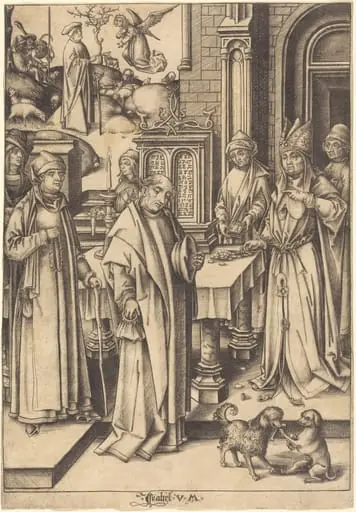
Christ at Emmaus
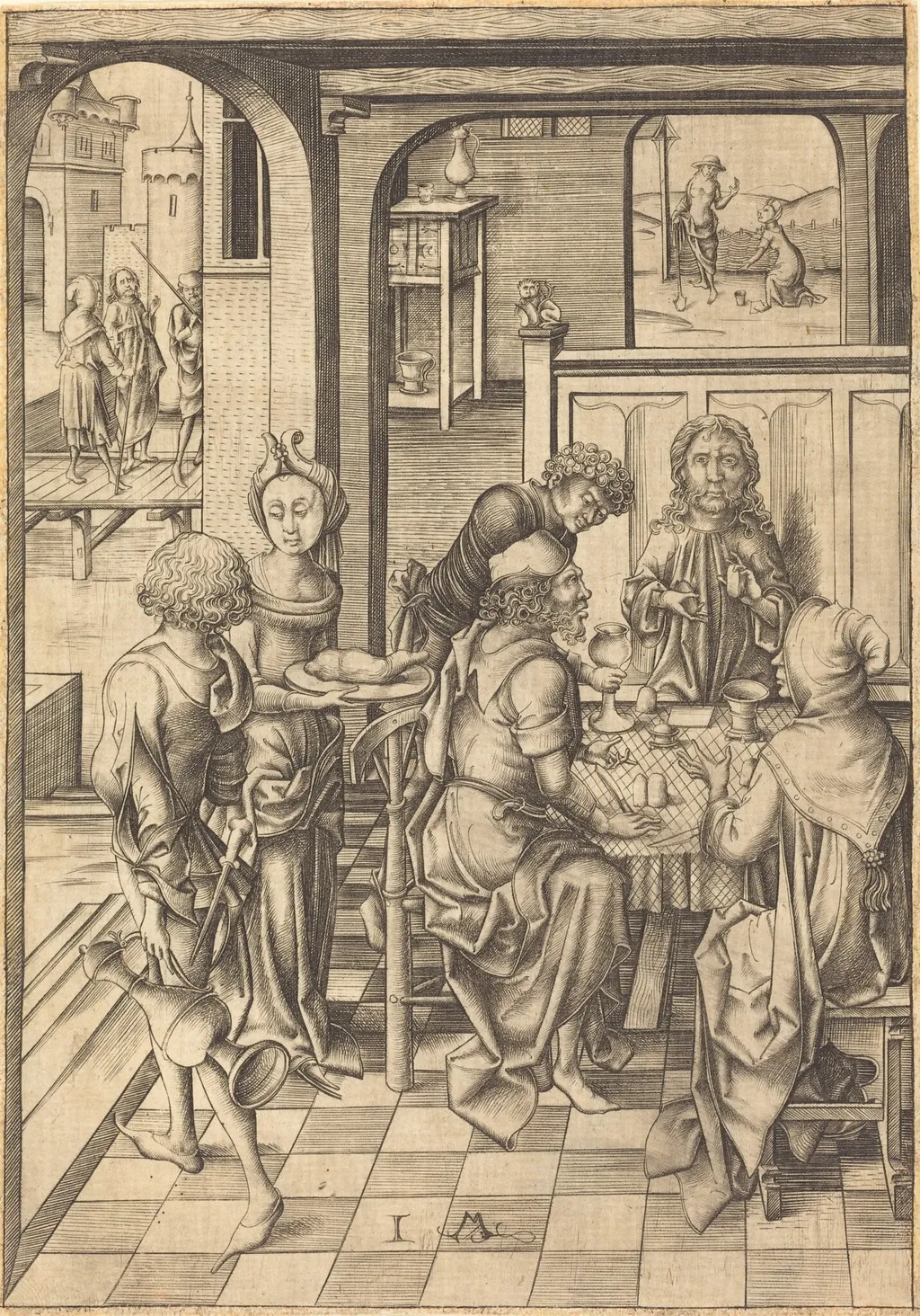
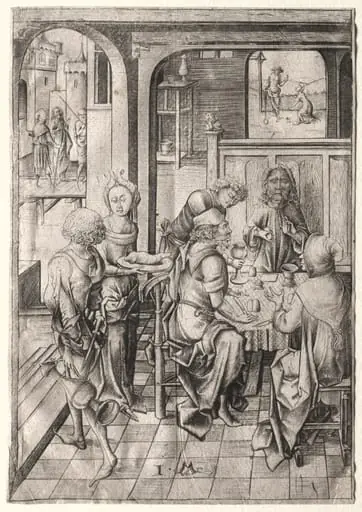
Christ at Emmaus is an ink print by the Renaissance artist Israhel van Meckenem. It dates from 1480 and is held in the collection of the National Gallery of Art.
About this work
Overview
Christ at Emmaus is an engraving created by Israhel van Meckenem, a prolific German printmaker and goldsmith, around 1480. This work is one of over 620 prints produced by the artist during his active career from 1465 to 1503.
Subject & Meaning
The engraving illustrates a biblical scene where Christ appears to his disciples in Emmaus. The depiction includes four figures in a dimly lit room, with elements such as bread and a goblet suggesting a shared meal, a key aspect of the narrative.
Technique & Style
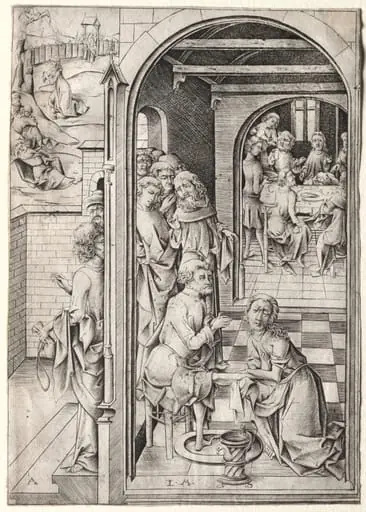
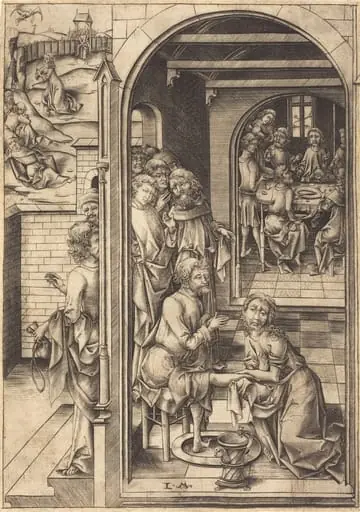
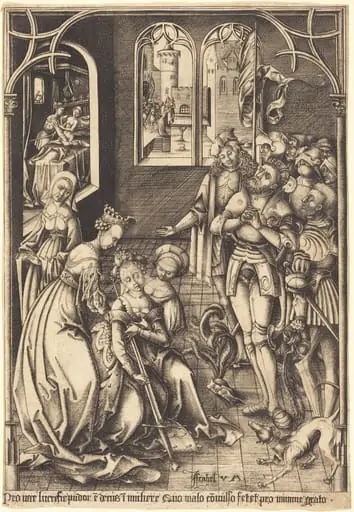
Van Meckenem employed fine lines to achieve deep shadows, lending solidity to the figures. The composition also incorporates detailed background elements, including arched doorways, tiled floors, and exterior scenes visible through windows.
History & Provenance
While the exact provenance of *Christ at Emmaus* is not provided, it is characteristic of van Meckenem's practice to adapt existing works, though it is unclear if this specific piece is an original composition or an adaptation.
Context
As a 15th-century engraving, *Christ at Emmaus* reflects the artistic and religious themes prevalent during the period. The use of engraving as a medium allowed for widespread dissemination of religious imagery.
Legacy
Given van Meckenem's prolific output and the technique showcased in *Christ at Emmaus*, the work contributes to the broader legacy of 15th-century German printmaking, though its individual impact within van Meckenem's corpus is not specified.
Artist & collection
Artist
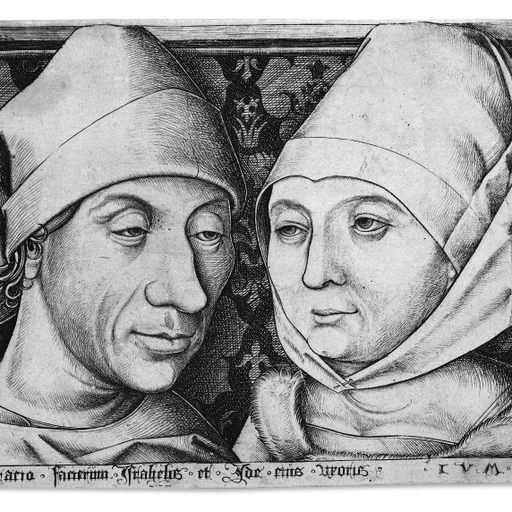
Israhel van Meckenem (c. 1445 – 10 November 1503), also known as Israhel van Meckenem the Younger, was a German printmaker and goldsmith, perhaps of a Dutch family origin. He was the most prolific engraver of the…