Artwork
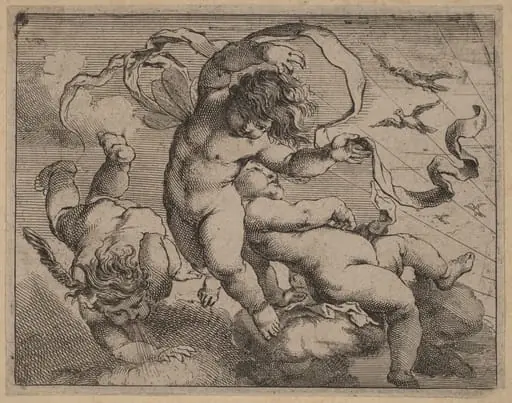
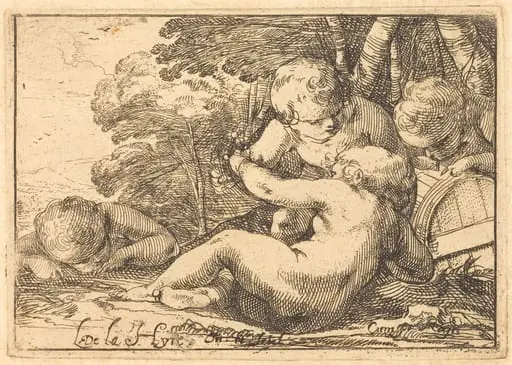
Three Flying Putti
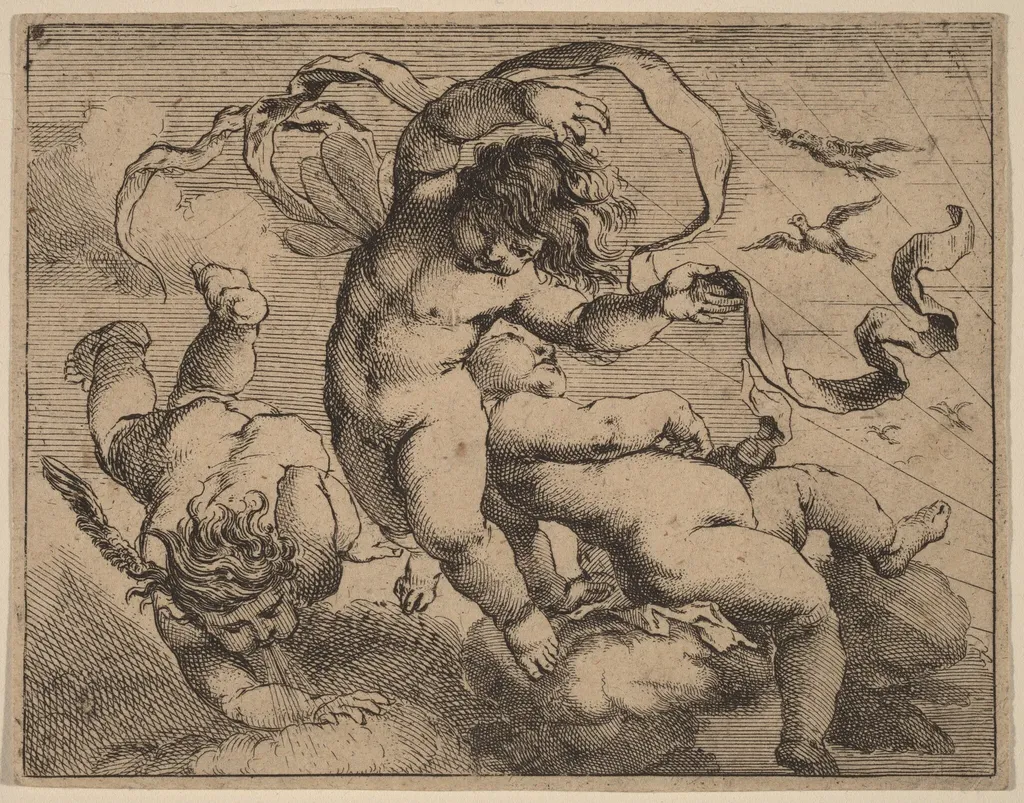
Three Flying Putti is an ink print by the Renaissance artist Cornelis Schut I. It dates from 1626 and is held in the collection of the National Gallery of Art.
About this work
Overview
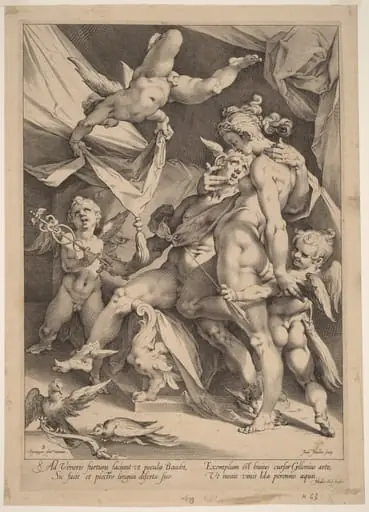
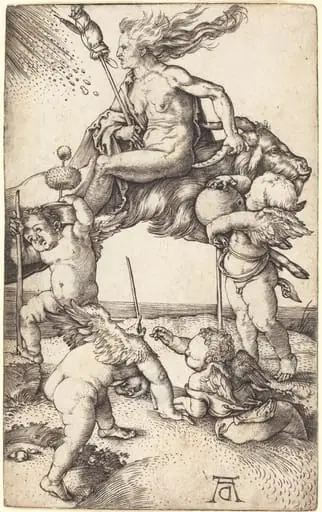
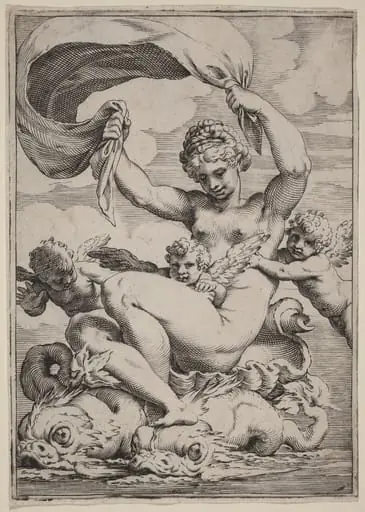
Cornelis Schut I’s print titled Three Flying Putti dates to 1626. Executed as an engraving and etching on laid paper, the work presents a compact composition of three cherubic figures suspended in mid‑air. The piece measures within the typical size range for early‑17th‑century prints and exemplifies the artist’s engagement with mythic and allegorical subjects.
Subject & Meaning
The image depicts three infantile angels, or putti, caught in a moment of playful interaction while hovering above an undefined space. Their gestures suggest a lighthearted exchange, a motif often employed in Baroque visual culture to symbolize innocence, divine love, or the fleeting nature of joy.
Technique & Style
Schut combines engraving’s precise incised lines with the freer, spontaneous marks of etching, allowing a delicate rendering of flesh and drapery. The use of laid paper, with its faint ribbed texture, contributes subtle tonal variation, softening the otherwise crisp linear quality typical of prints and giving the figures a gentle, almost tactile presence.
History & Provenance
Created in the early years of Schut’s career, the print circulated among collectors of the Dutch and Flemish schools. While specific ownership records are scarce, the work appears in several 17th‑century catalogues of prints, indicating it was reproduced and disseminated as part of the artist’s broader output.
Artist & collection