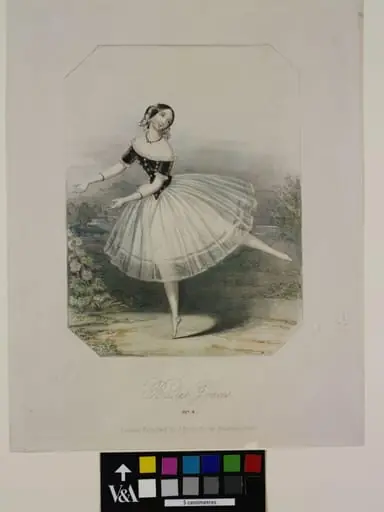
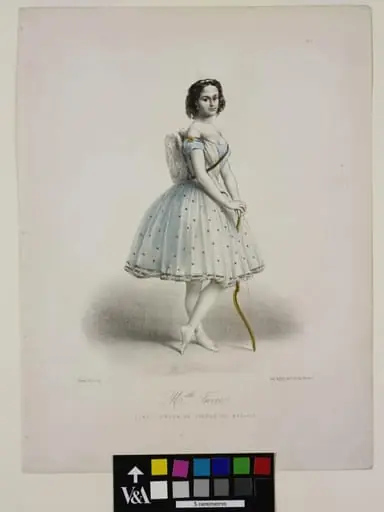
Artwork
'L'Artiste. Marie Taglioni'
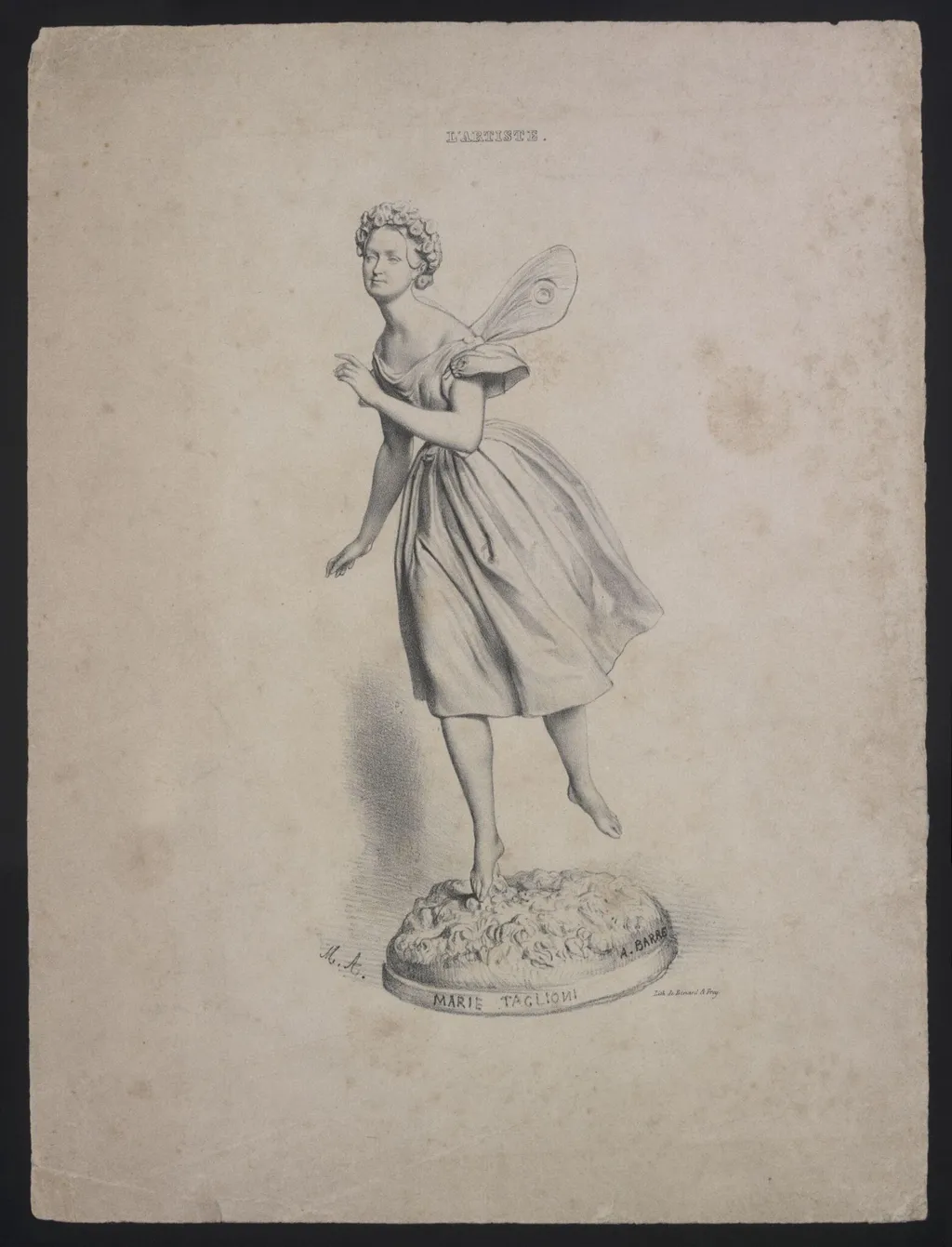
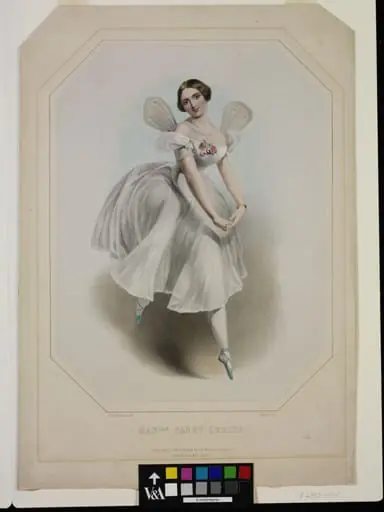
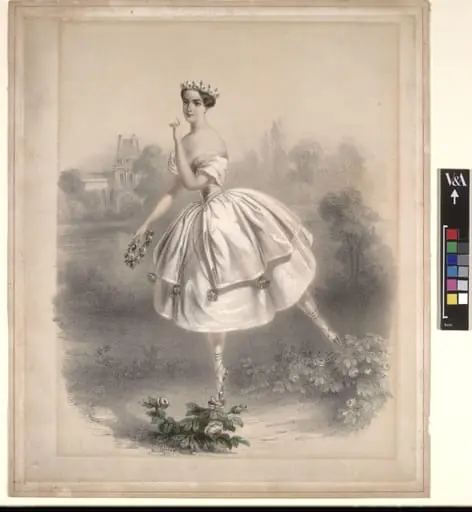
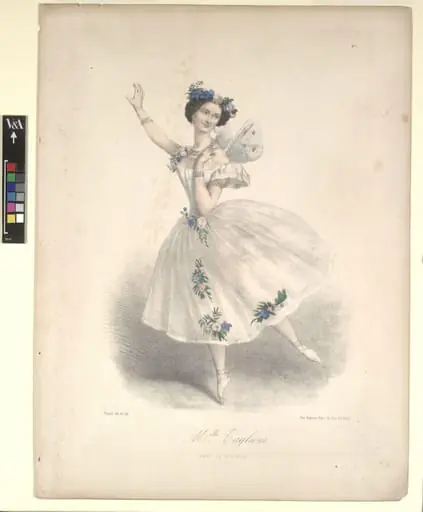
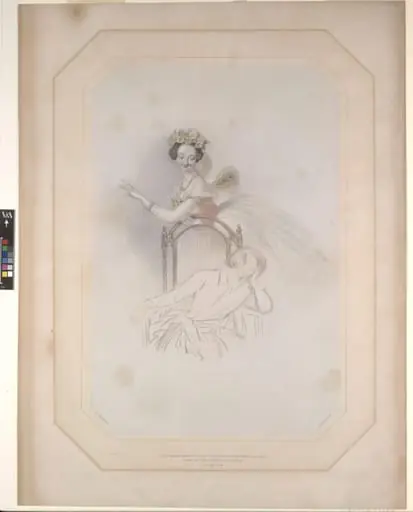
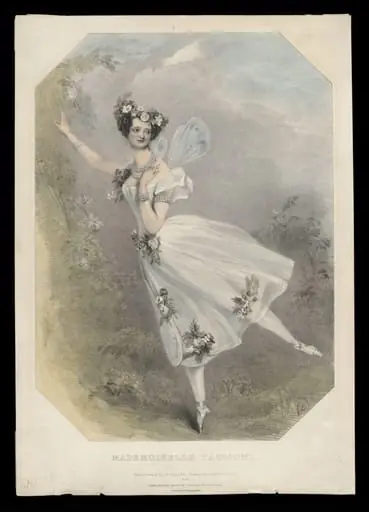
'L'Artiste. Marie Taglioni' is a print by the Romanticist artist Caravaggio. It is held in the collection of the Victoria and Albert Museum. This print depicts Marie Taglioni in her signature role as the Sylph from the ballet La Sylphide.
About this work
Overview
This print depicts Marie Taglioni in her signature role as the Sylph from the ballet La Sylphide. Created in the 1830s, it derives from a porcelain figurine produced by the Barre firm, which itself was modeled after Taglioni’s performance. Designed as a commercial souvenir, the print made her image accessible to a wider audience beyond those who could afford the original sculpture.
Subject & Meaning
Taglioni’s portrayal of the Sylph embodied the Romantic ideal of ethereal femininity—delicate, otherworldly, and detached from earthly gravity. Her performance, characterized by lightness and spiritual grace, transformed ballet into a vehicle for poetic expression. The image captures not just a dancer, but a cultural symbol of transcendence and emotional purity.
Technique & Style
The print employs lithographic techniques common in mid-19th-century popular imagery, with fine lines and soft tonal gradations to suggest movement and texture. The figure is rendered with elongated proportions and flowing drapery, emphasizing her airborne quality. Background elements are minimized, focusing attention entirely on the dancer’s poised, floating form.
History & Provenance
The original porcelain figurine was commissioned in 1837 by the Barre firm, following the 1836 success of a similar figurine of Fanny Elssler as Florinda. Both were produced to capitalize on the public fascination with Romantic ballet stars. The print version emerged as a more affordable alternative, circulating widely among middle-class collectors and theatergoers across Europe.
Context
During the 1830s, ballet shifted from spectacle to narrative intimacy, with dancers like Taglioni becoming cultural icons. Her ascent coincided with rising interest in the supernatural and the sublime. The popularity of her image reflected broader societal fascination with art that blurred the line between human performance and mystical presence.
Legacy
Taglioni’s image in this print helped cement her status as the archetypal Romantic ballerina. The circulation of such prints contributed to the standardization of ballet aesthetics in popular consciousness. Though the figurines and prints are now historical artifacts, they remain key records of how performance was commodified and mythologized in the early 19th century.
Artist & collection
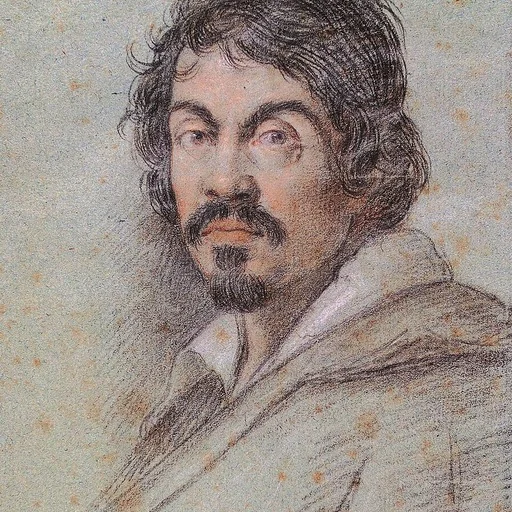
Artist
Michelangelo Merisi da Caravaggio (also Michele Angelo Merigi or Amerighi da Caravaggio; 29 September 1571 – 18 July 1610), known mononymously as Caravaggio, was an Italian painter active in Rome for most of his artistic life.