Artwork
The Crucifixion
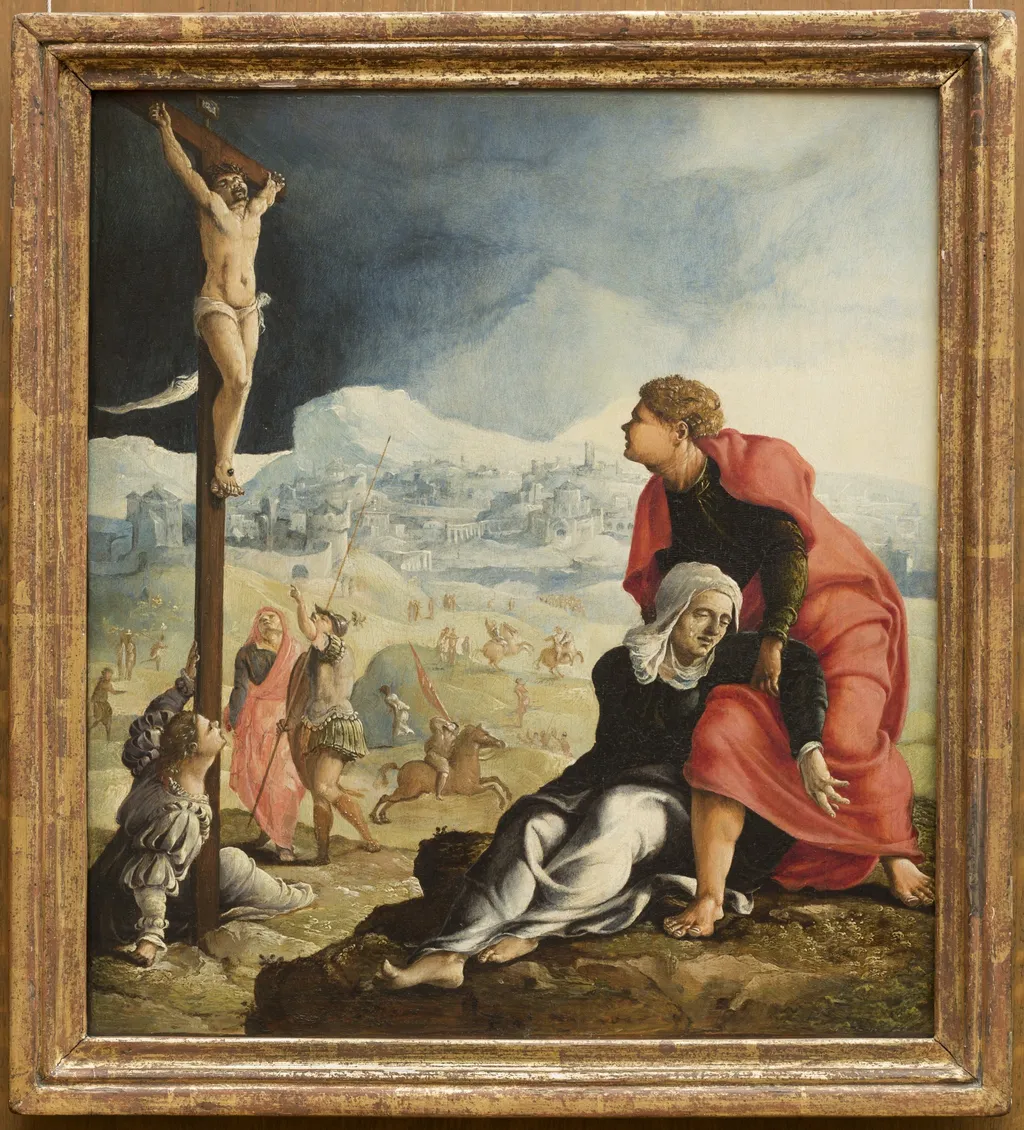
The Crucifixion is an oil painting by the Mannerist artist Maarten van Heemskerck. It dates from 1530 and is held in the collection of the Detroit Institute of Arts.
About this work
Overview
The Crucifixion, painted in 1530 by Maarten van Heemskerck, is a religious oil painting from the Mannerist movement. It is part of the Detroit Institute of Arts collection.
Subject & Meaning
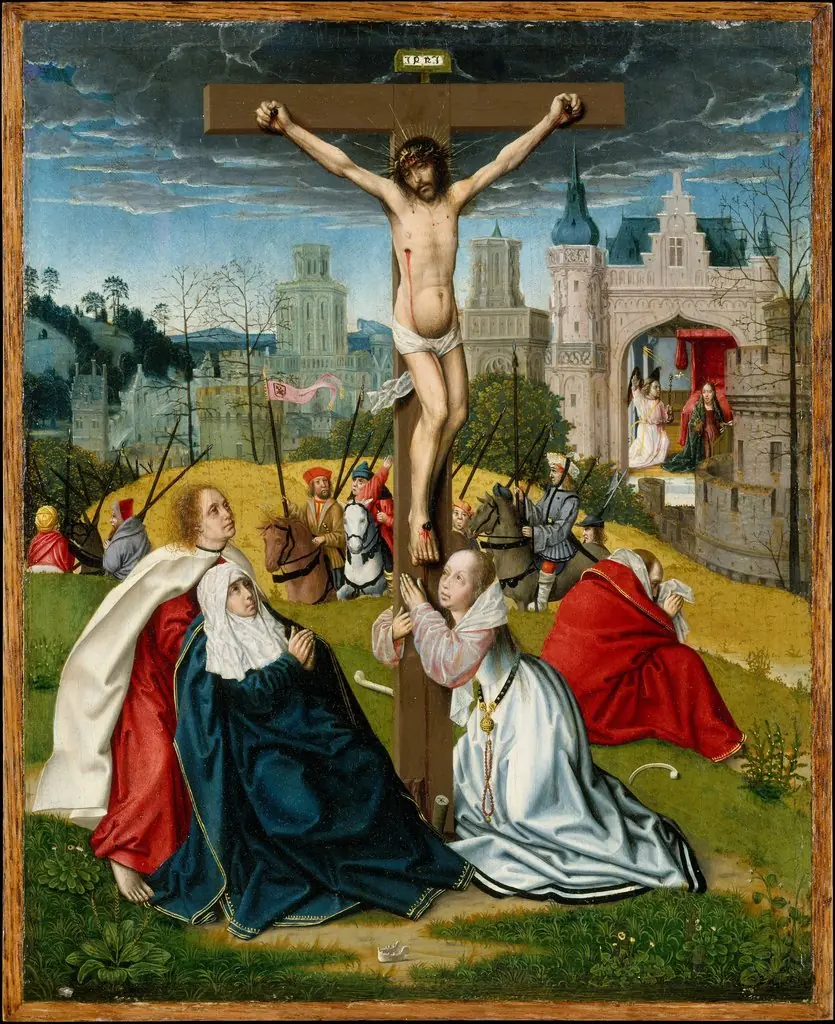
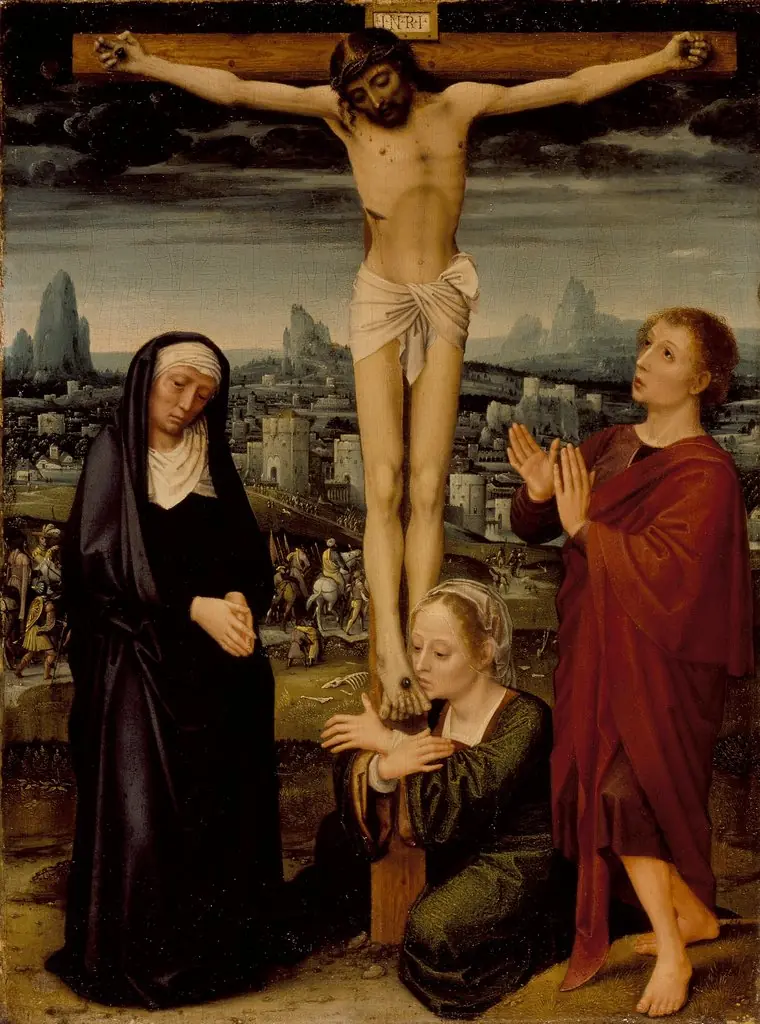
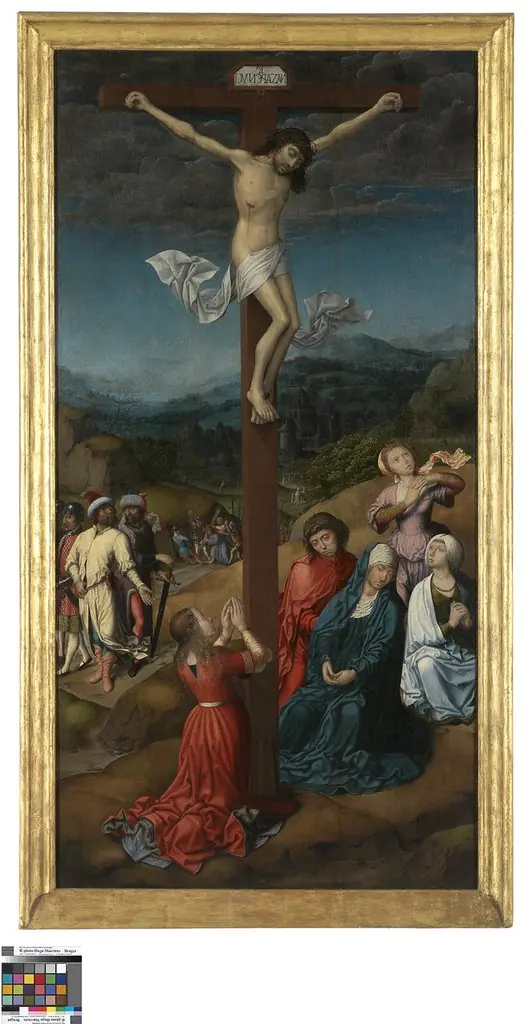
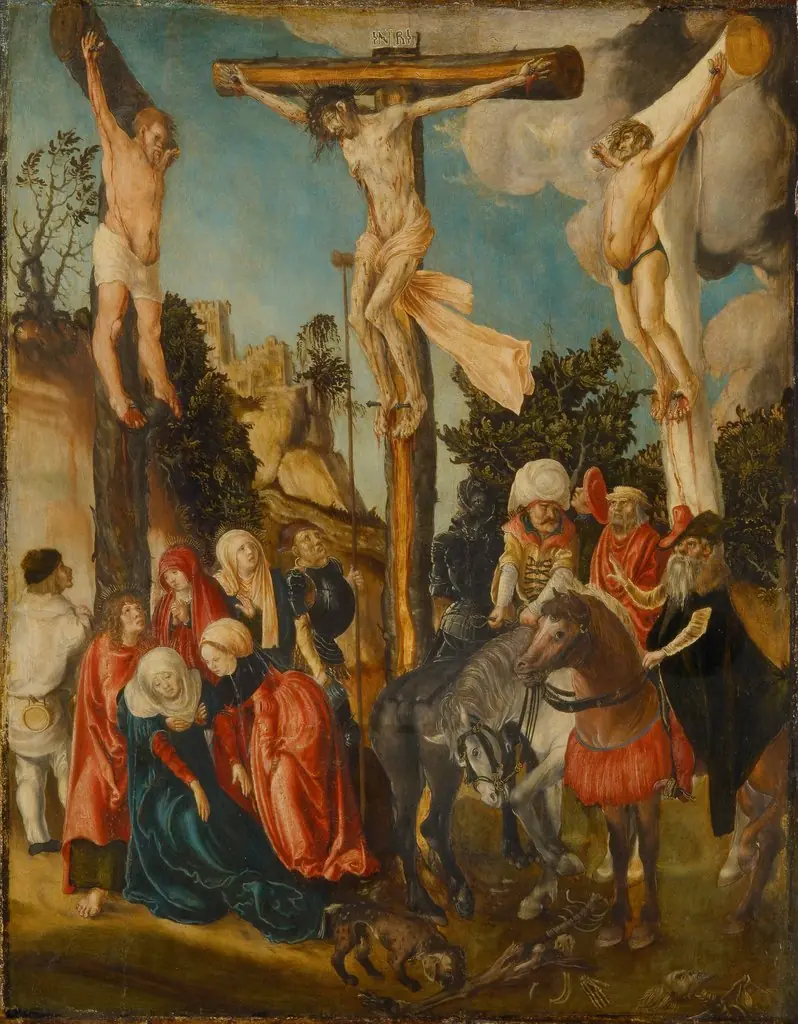
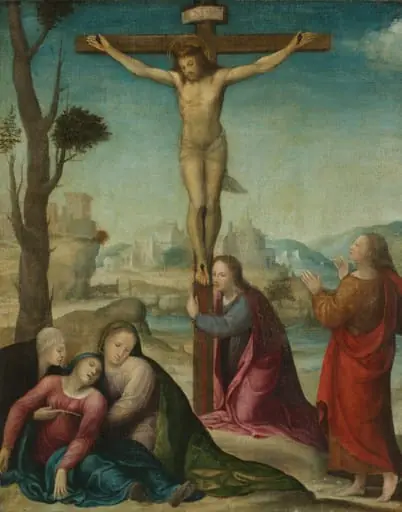
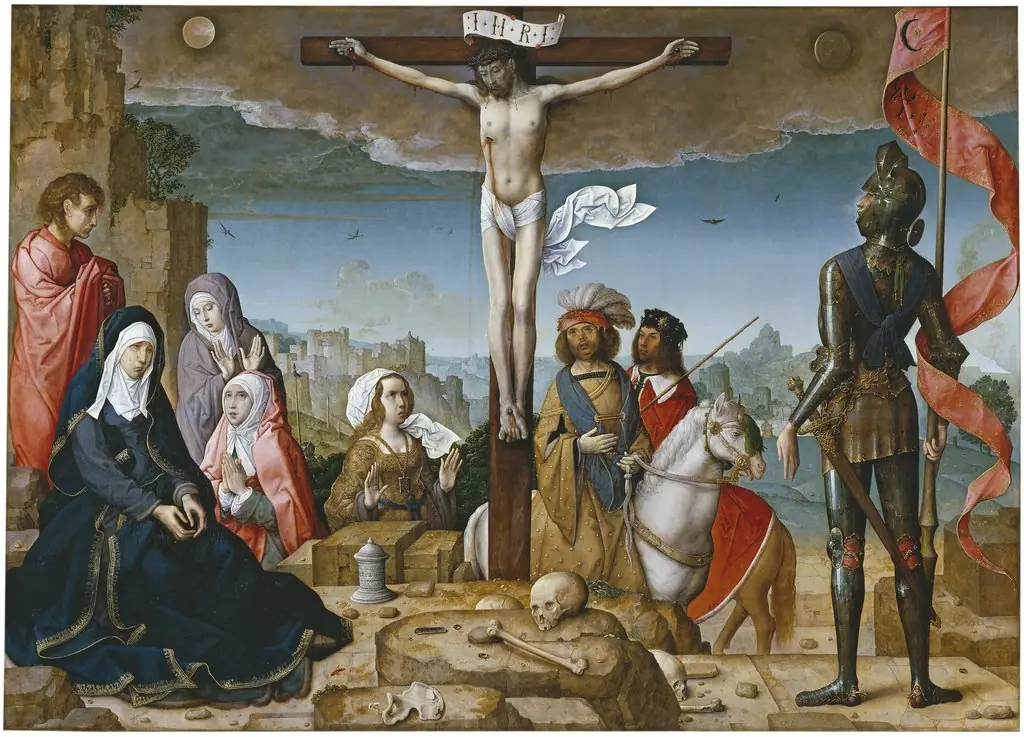
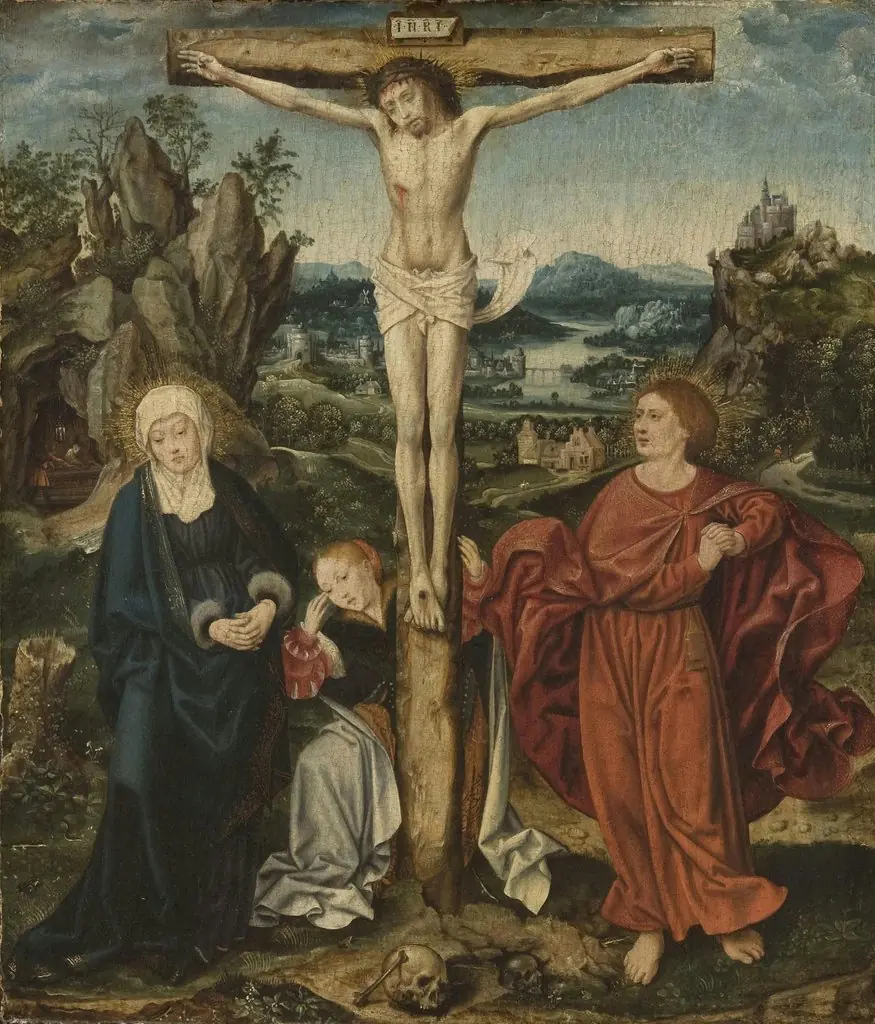
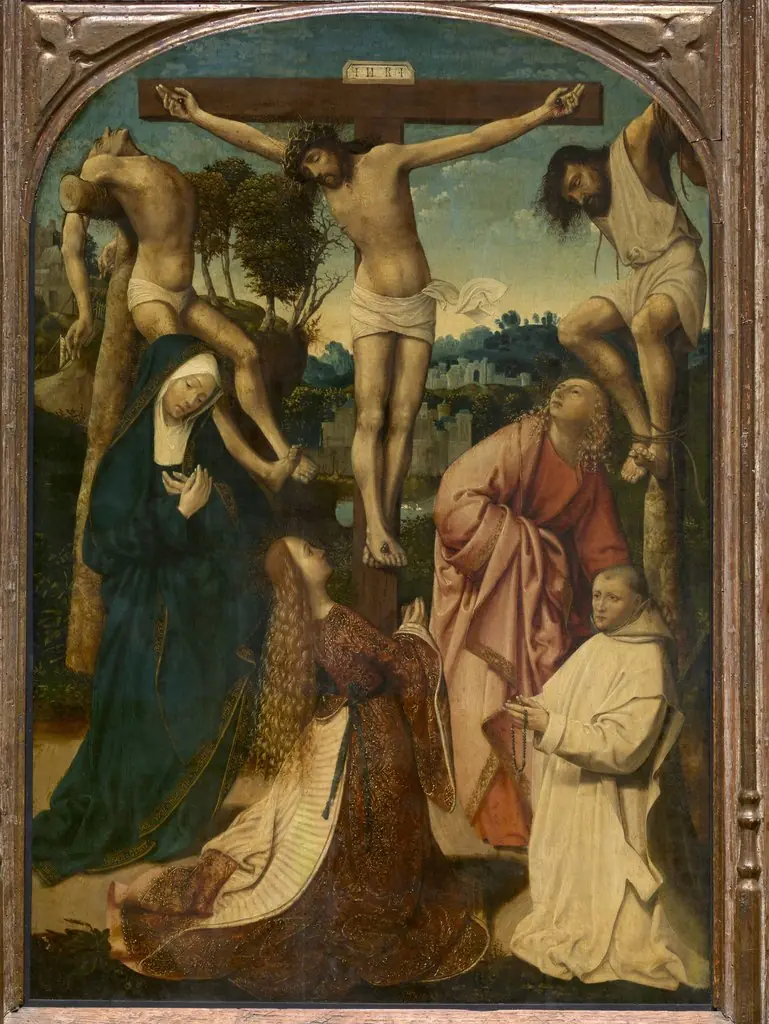
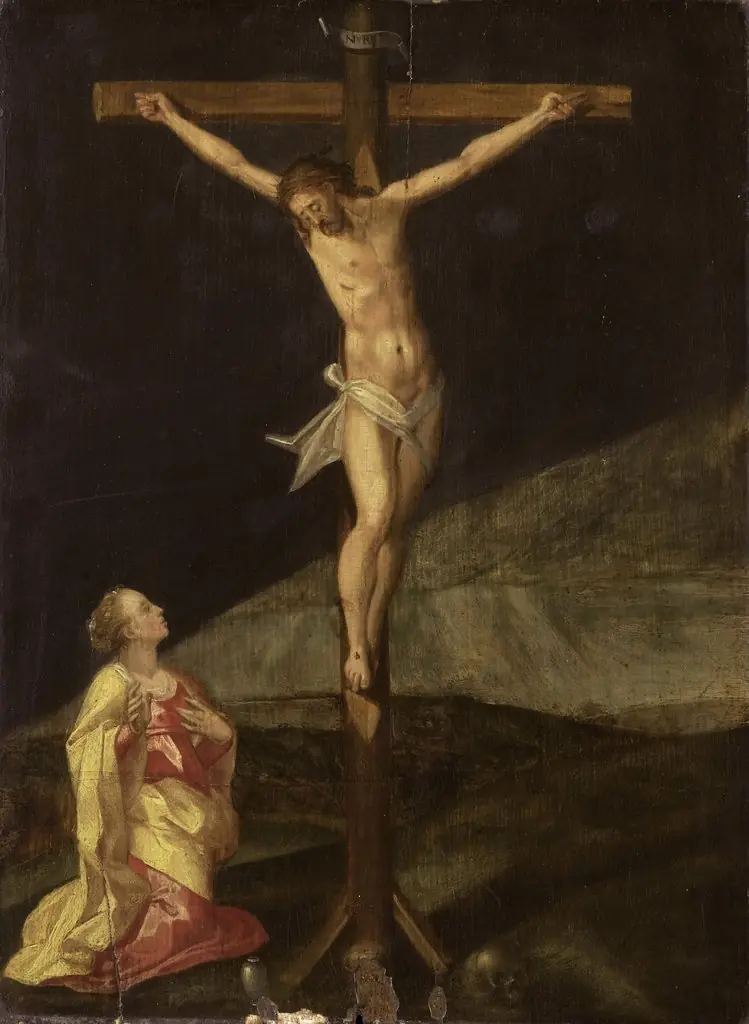
The painting depicts the Crucifixion of Jesus Christ, set against a backdrop of a city and mountains. Figures in the foreground include a kneeling woman in red beside another in black with a child, and onlookers including mounted soldiers.
Technique & Style
Van Heemskerck employed strong chiaroscuro, contrasting light and dark to create visual depth. Bold colors, such as reds, blacks, and earthy browns, stand out against a lighter sky, with the red cloak glowing amidst deep shadows.
History & Provenance
Trained under Jan van Scorel, van Heemskerck infused his work with Italian stylistic influences, characteristic of his Mannerist approach. The painting’s current location is the Detroit Institute of Arts.
Context
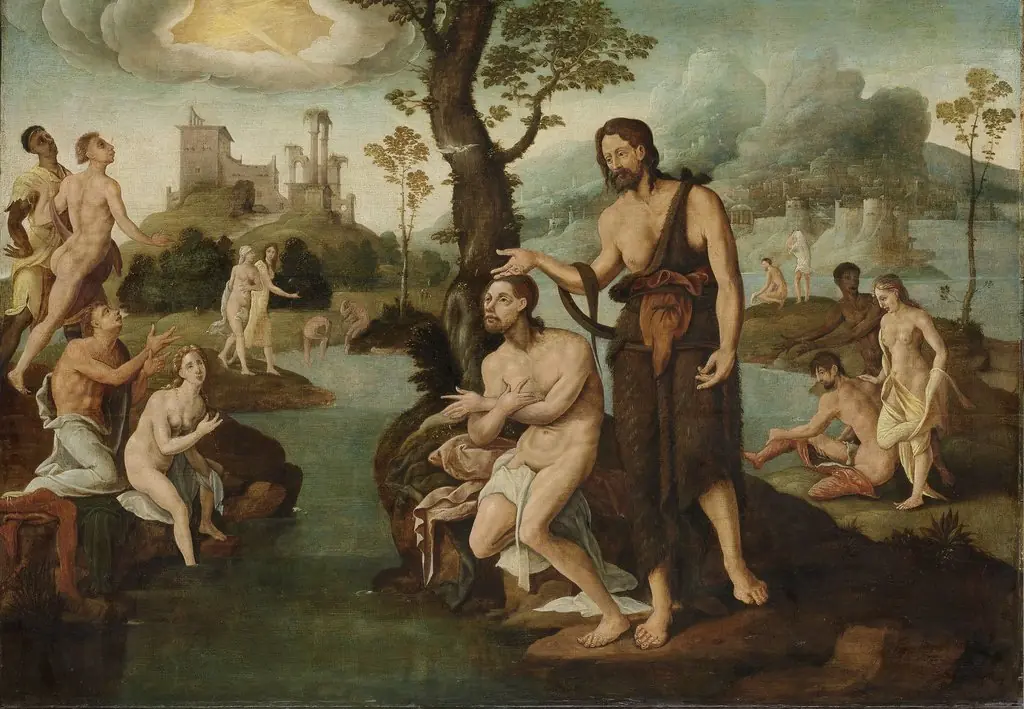
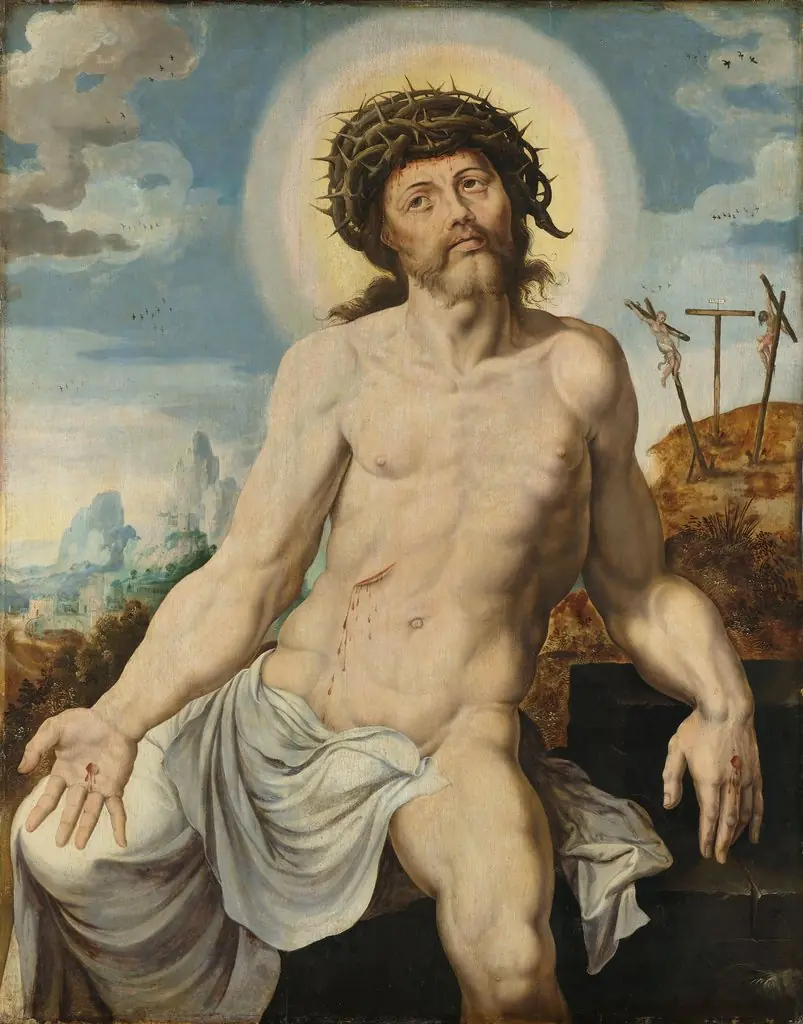
Created during the Mannerist period, this work reflects van Heemskerck’s blend of Dutch roots with Italian Renaissance influences, common among Haarlem artists of his time.
Legacy
While specific lasting impacts of *The Crucifixion* by van Heemskerck are not widely documented, it remains a notable example of Mannerist religious art from 16th-century Holland.
Artist & collection
Artist
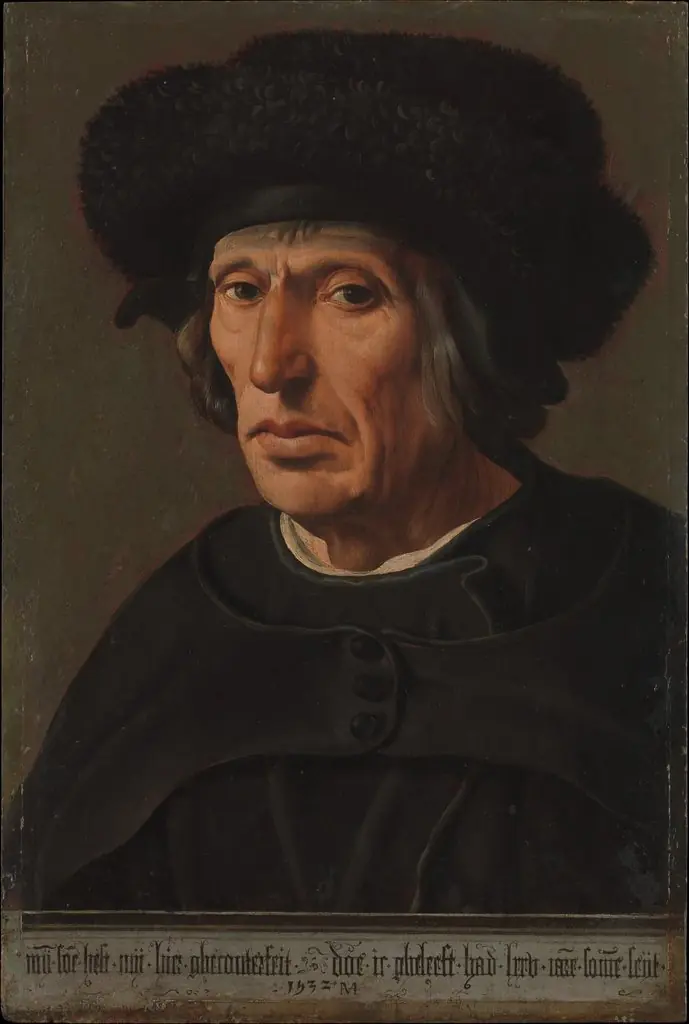
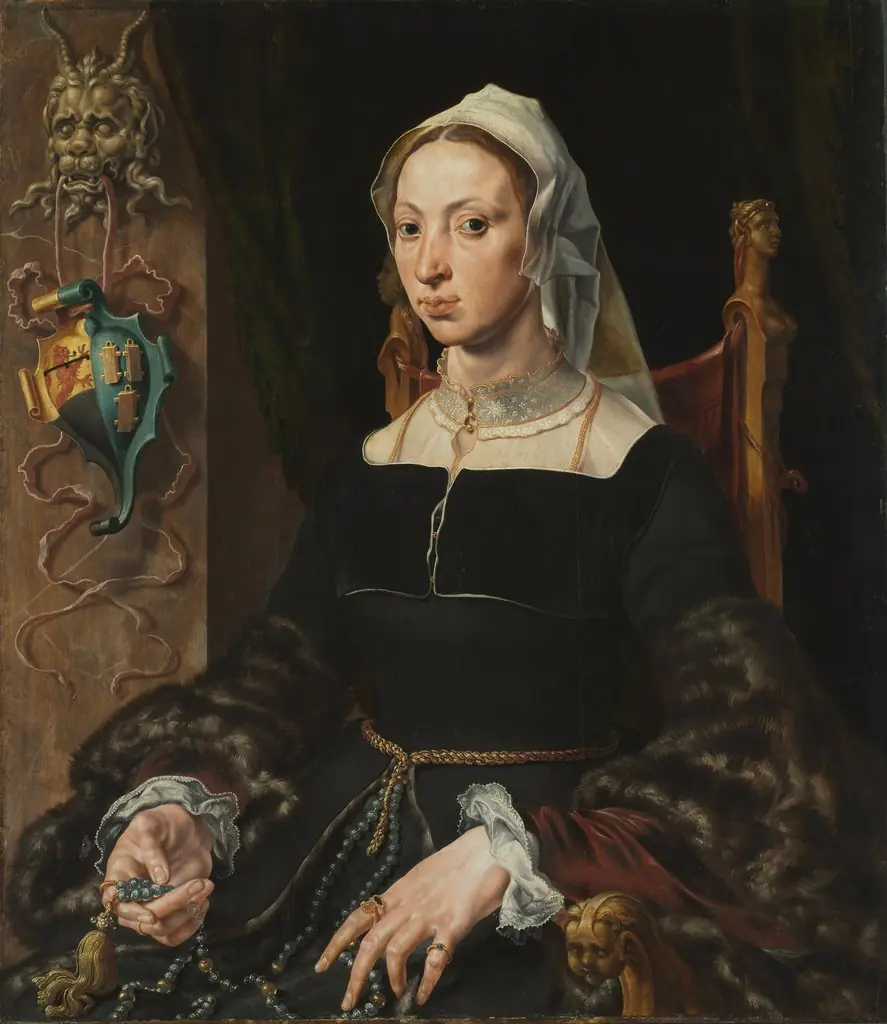
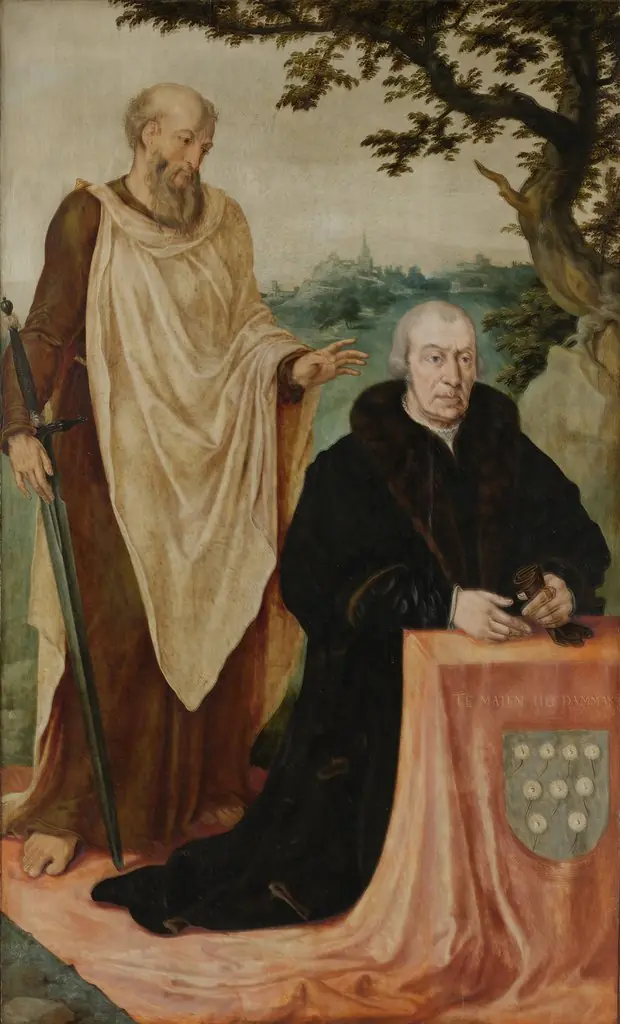
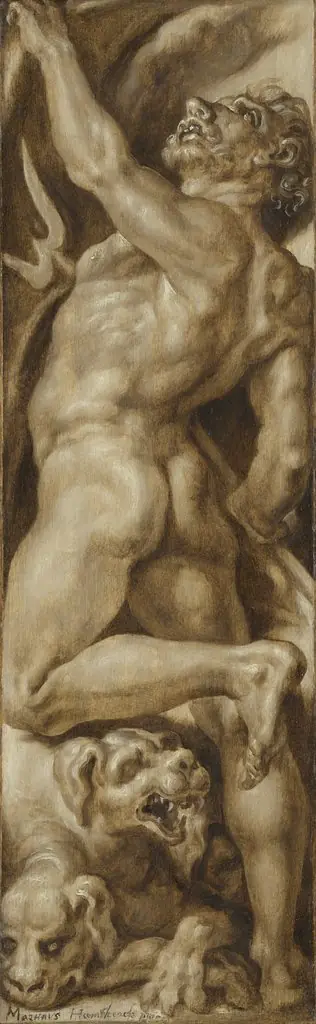
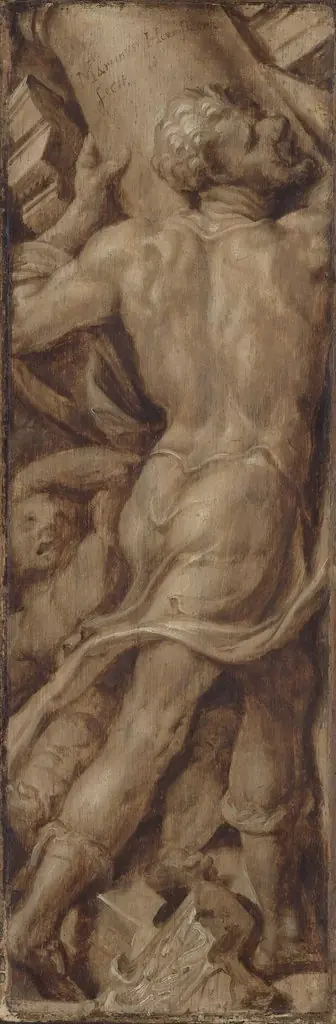
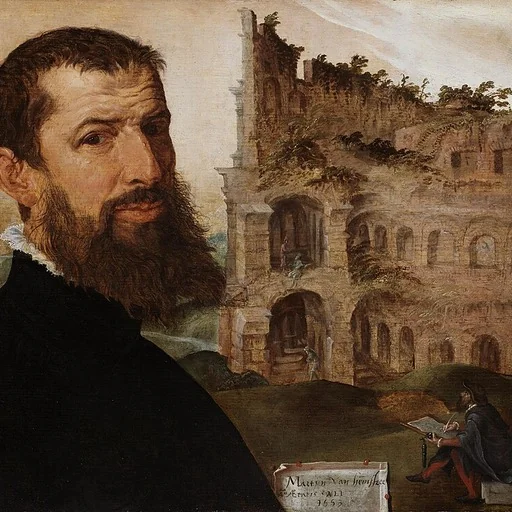
Maarten van Heemskerck (born Maerten Jacobsz van Veen; 1 June 1498 – 1 October 1574), also known as Marten Jacobsz Heemskerk van Veen, was a Dutch portrait and religious painter, who spent most of his career in Haarlem.