Artwork
'Neath the Congo Moon
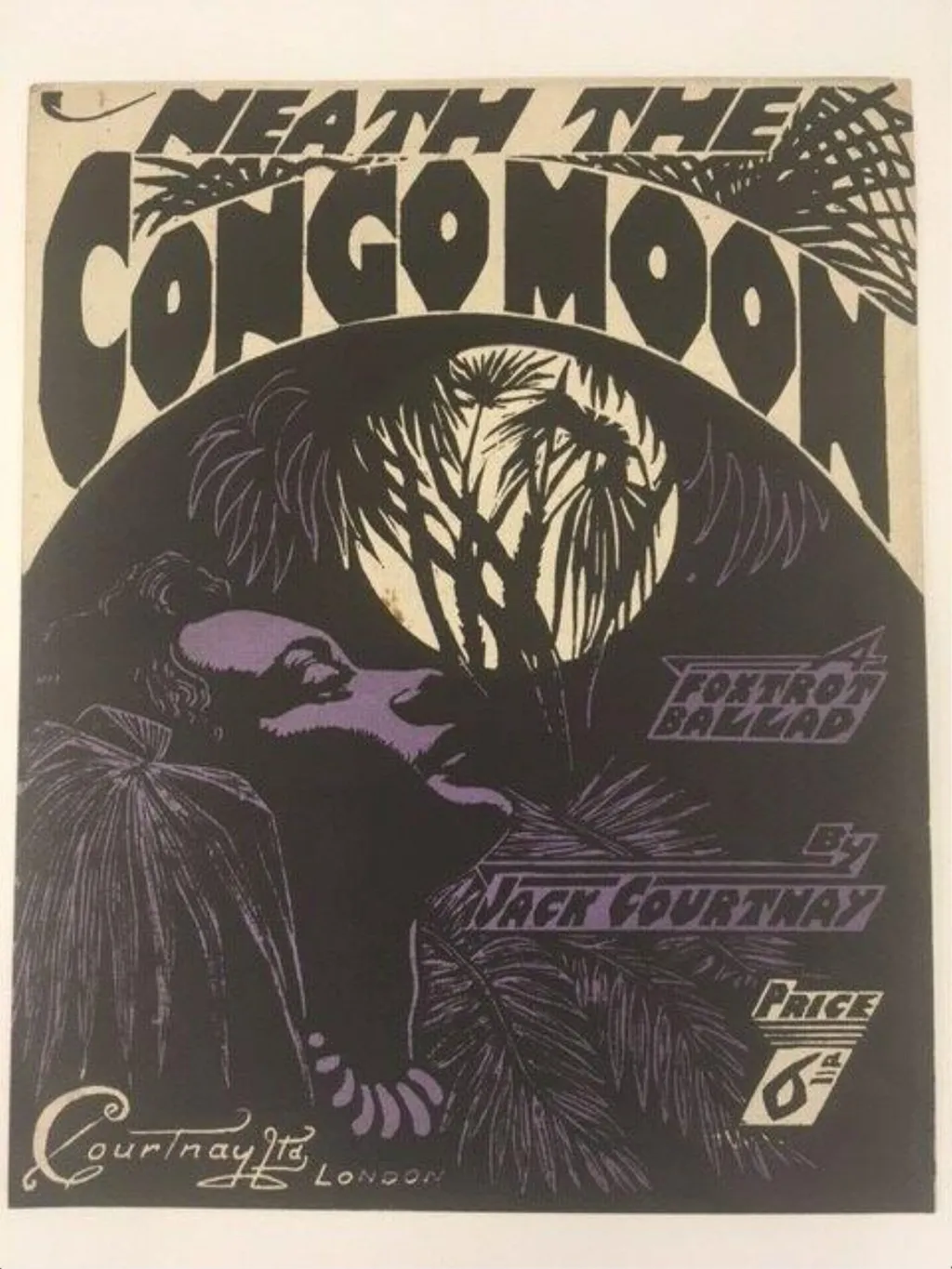
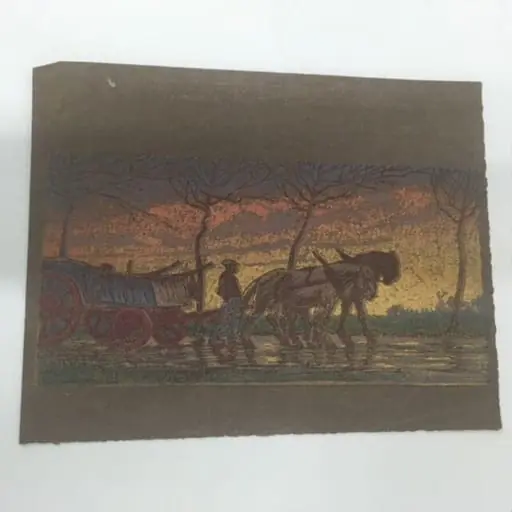
'Neath the Congo Moon is a print by Haydn Mackey. It dates from 1935 and is held in the collection of the Victoria and Albert Museum.
About this work
Overview
Instead, Mackey crafted each impression individually, treating them as unique artistic experiments rather than commercial reproductions.
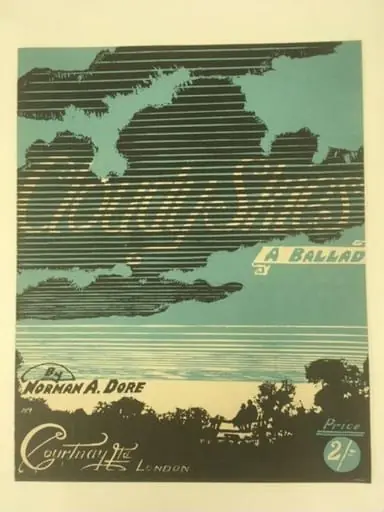
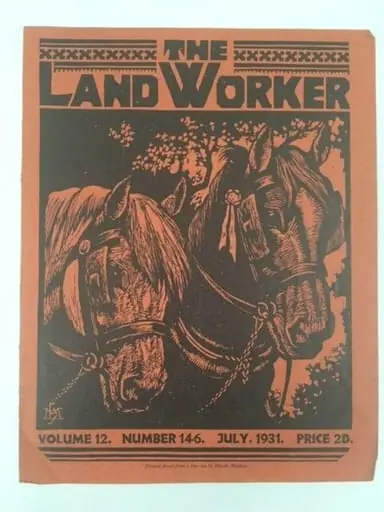
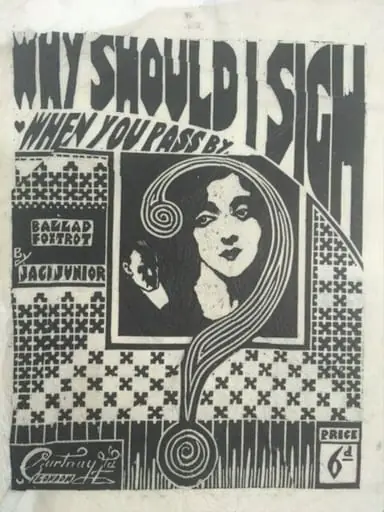
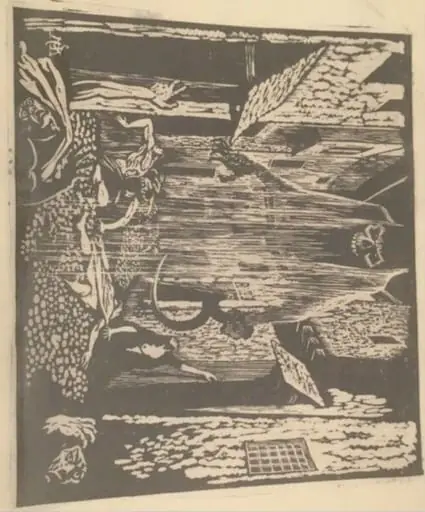
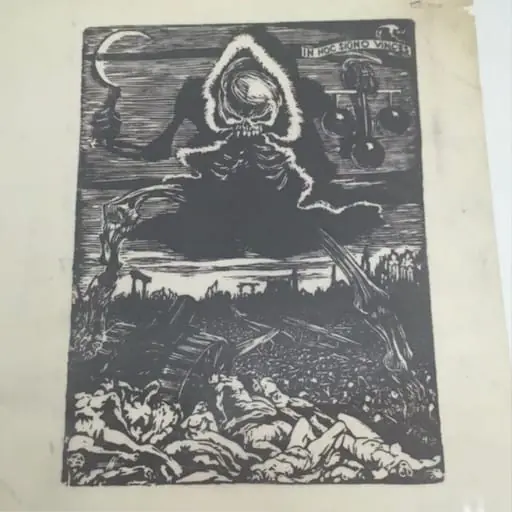
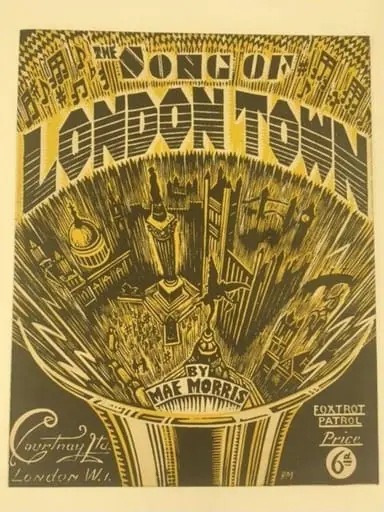
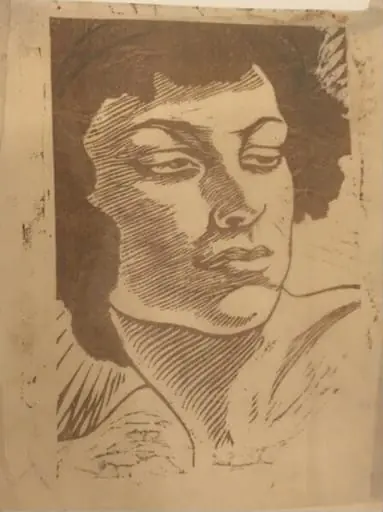
This print is one of a limited series of hand-produced proofs by Haydn Mackey, created between the 1910s and 1940s. Made using woodcut and linocut techniques, the works were never mass-produced. Instead, Mackey crafted each impression individually, treating them as unique artistic experiments rather than commercial reproductions. Their small scale and handmade nature reflect a personal approach to printmaking.
Subject & Meaning
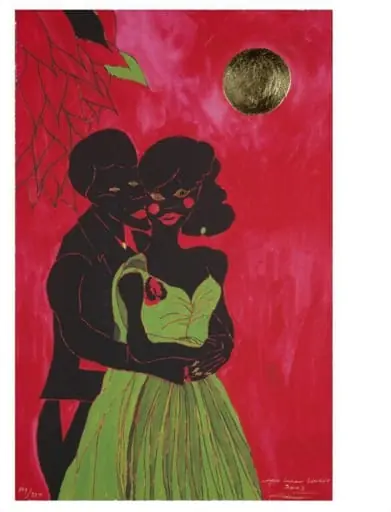
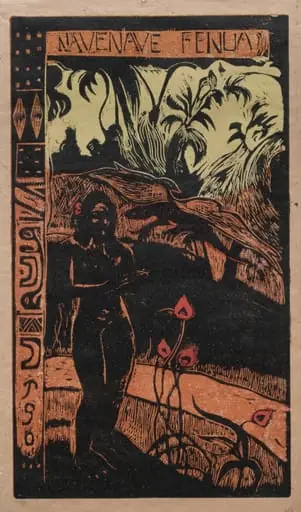
The image depicts a scene under the moonlight in a Congo setting, evoking exoticized landscapes common in early 20th-century Western art. While the subject draws on colonial-era imagery, Mackey’s focus appears to be on color and form rather than narrative. The moonlit atmosphere and stylized figures serve as a vehicle for his technical exploration, not a commentary on the region or its people.
Technique & Style
Mackey achieved vibrant color effects by painting opaque oil pigments on the reverse side of transparent tracing paper, onto which the linocut or woodcut image had been printed. He then pressed the painted side against an oatmeal-colored backing paper, allowing the color to bleed slightly through. This method created the illusion of multi-color printing without using multiple blocks or inks, a distinctive innovation in his process.
History & Provenance
Mackey produced these prints primarily for personal use or as presentation pieces, not for public sale. Few were made, and none entered commercial circulation. The works remained in private hands or were retained by the artist. Their survival is due to their status as studio experiments, preserved by Mackey himself or close associates, rather than through institutional acquisition.
Context
Mackey worked during a period when linocut and woodcut revivalism was gaining traction among British artists, particularly in book illustration. While contemporaries like Eric Gill and Claude Flight pursued broader recognition, Mackey remained isolated, favoring quiet experimentation over public exposure. His methods reflect a broader interest in material innovation, though he operated outside the mainstream printmaking circles of his time.
Legacy
Mackey’s prints are now recognized for their inventive technique and quiet originality. Though never widely exhibited or collected in his lifetime, a small number survive in institutional archives, notably the Victoria and Albert Museum. His hand-coloring method remains a distinctive footnote in the history of British printmaking, admired for its ingenuity rather than its scale or influence.
Artist & collection
Artist
Haydn Mackey made prints in the first half of the 20th century, mixing everyday scenes with bold lettering.