Artwork
The earth
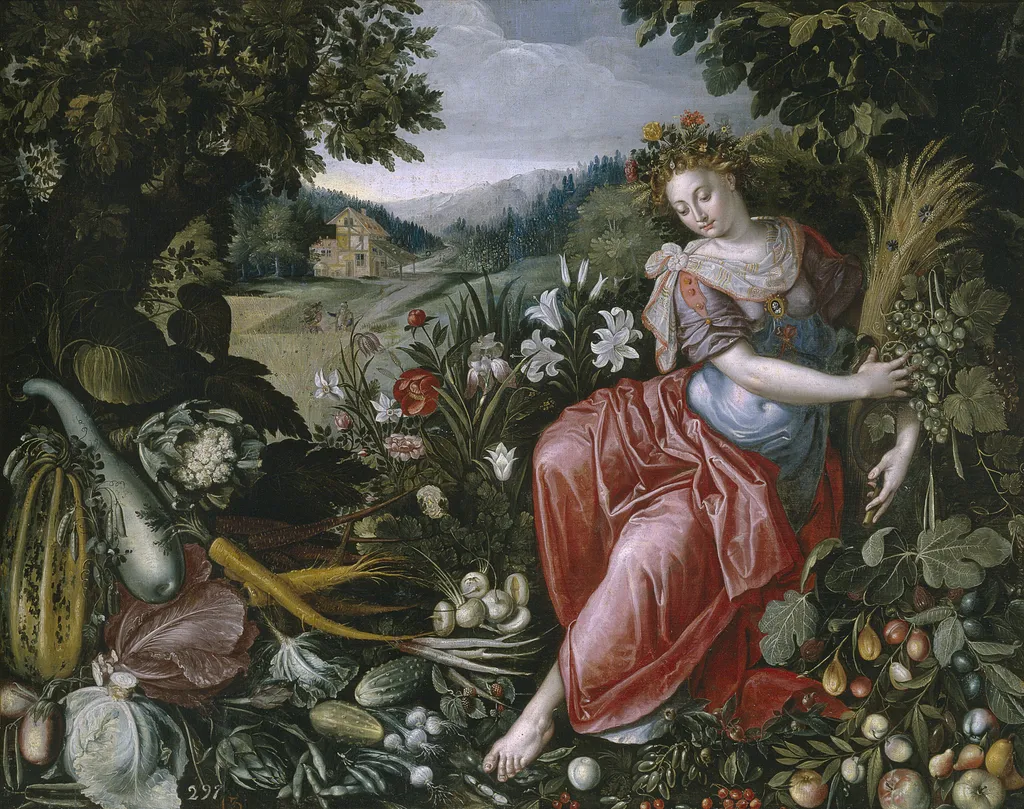
The earth is an oil painting by the Northern Renaissance artist Maerten de Vos. It dates from 1501 and is held in the collection of the Museo del Prado.
About this work
Overview
Painted in the late sixteenth century by Maerten de Vos, *The Earth* is an allegorical oil painting depicting the personification of terrestrial abundance.
Painted in the late sixteenth century by Maerten de Vos, *The Earth* is an allegorical oil painting depicting the personification of terrestrial abundance. Though sometimes misdated to 1501, it aligns chronologically with de Vos’s mature period following the decline of Frans Floris. The work belongs to a series of elemental allegories and is now part of the Museo del Prado’s collection, reflecting its significance in Northern Renaissance iconography.
Subject & Meaning
The central figure represents Earth as a fertile, nurturing force, embodied by a woman adorned with a floral crown and garments of red and blue. She holds wheat and grapes—symbols of agricultural bounty and viniculture—while her bare feet and relaxed posture suggest harmony with the land. The surrounding fruits, flowers, and verdant landscape reinforce themes of natural abundance, rooted in classical and Christian traditions of personified nature.
Technique & Style
De Vos employed oil paint with careful layering to render textures of skin, fabric, and foliage with subtle realism. The composition is balanced yet informal, with the figure placed centrally against a soft, atmospheric background. Brushwork remains precise but not overly detailed, favoring clarity of form over ornamental excess, characteristic of Flemish allegorical painting of the period.
History & Provenance
Created during de Vos’s tenure as a leading history painter in Antwerp, the painting likely originated as part of a larger cycle representing the four elements or seasons. It entered the Spanish royal collection in the early modern era, possibly through diplomatic or dynastic channels, before being transferred to the Museo del Prado in the nineteenth century.
Context
In the aftermath of religious upheaval and the suppression of iconoclasm in the Low Countries, allegorical imagery like *The Earth* offered a secular, non-controversial means of expressing cultural values. De Vos’s work responded to demand for moral and natural symbolism that avoided direct religious narrative, aligning with broader trends in post-Reformation visual culture.
Legacy
Though less celebrated than contemporaries like Bruegel, de Vos’s allegorical paintings, including *The Earth*, influenced the development of symbolic landscape traditions in Northern Europe. The work remains a reference for the persistence of classical personification in early modern art, particularly in regions under Habsburg rule where visual diplomacy and civic identity were cultivated through imagery.
Own this work as a print
Artist & collection
Artist
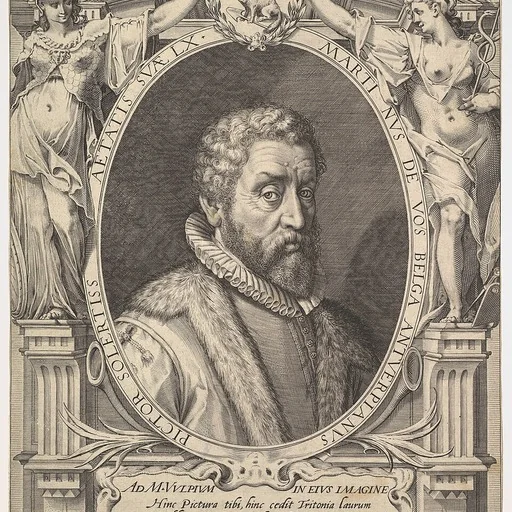
Maerten de Vos, Maerten de Vos the Elder or Marten de Vos (1532 – 4 December 1603) was a Flemish painter, known mainly for his history and allegorical paintings and portraits.

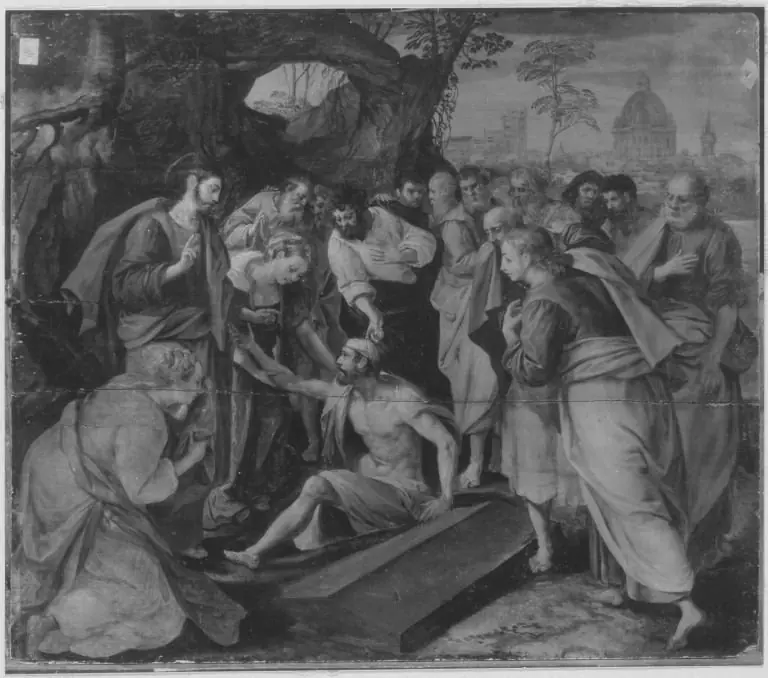
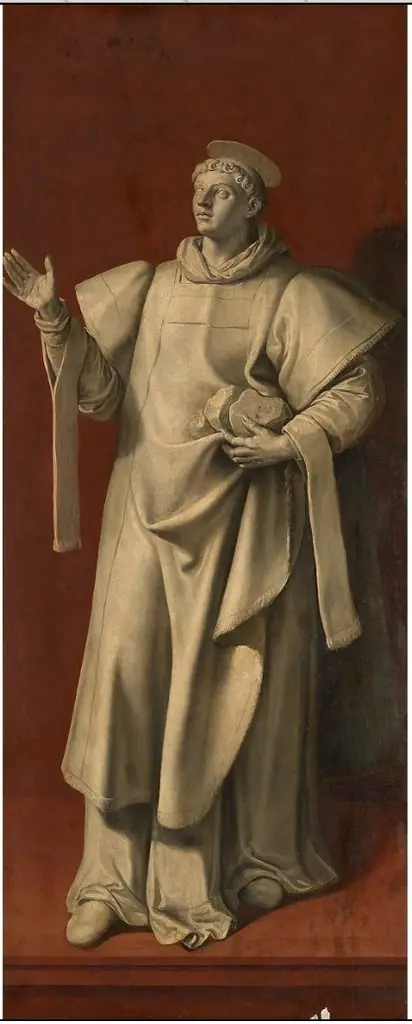
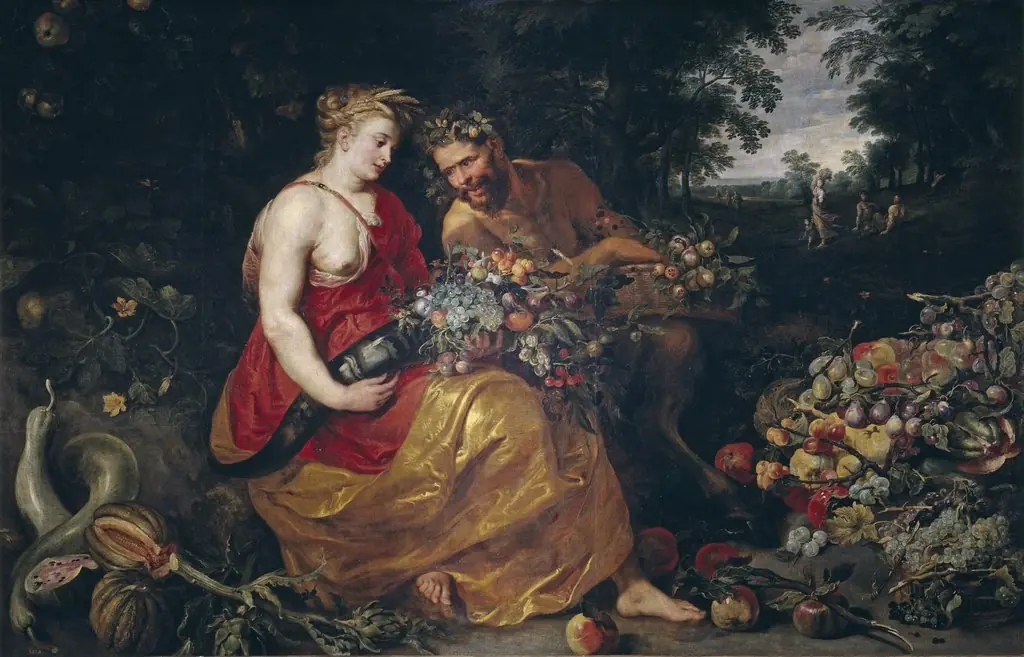 Ceres and Pan
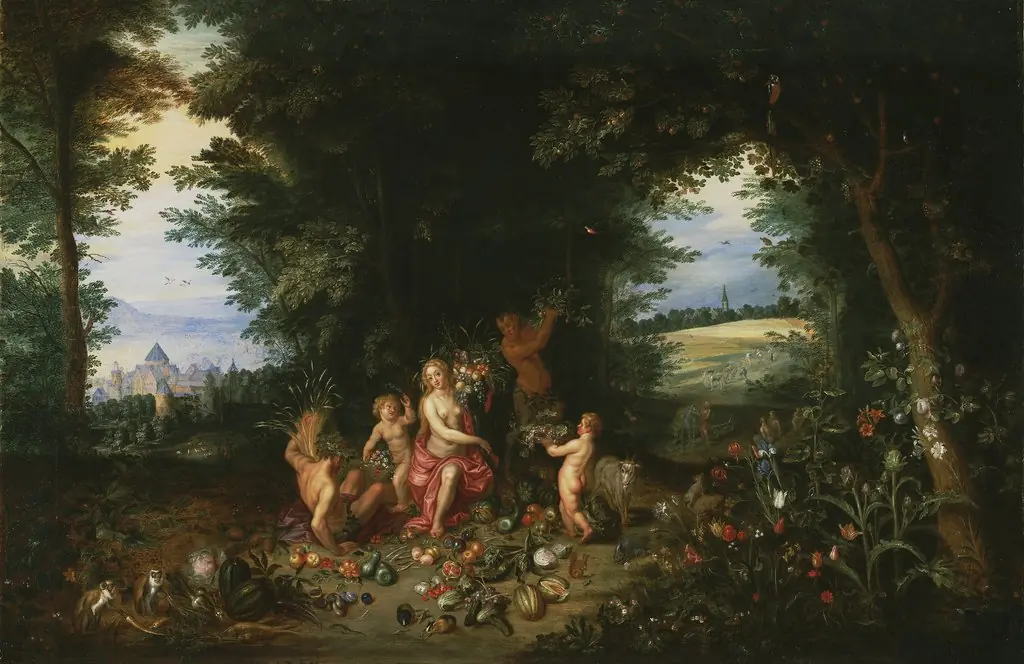 Landscape with Ceres (Allegory of Earth)
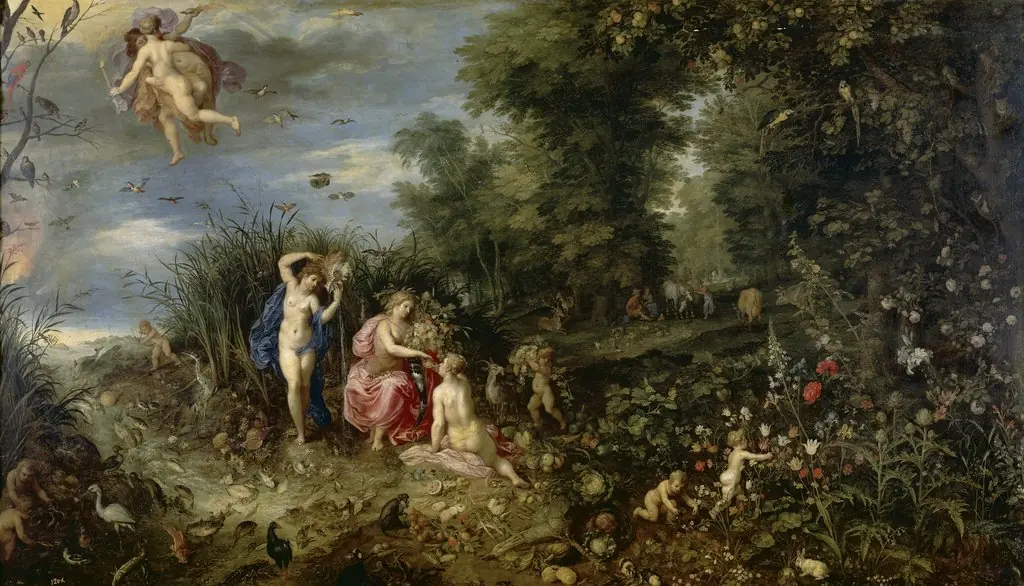 Abundance and the Four Elements
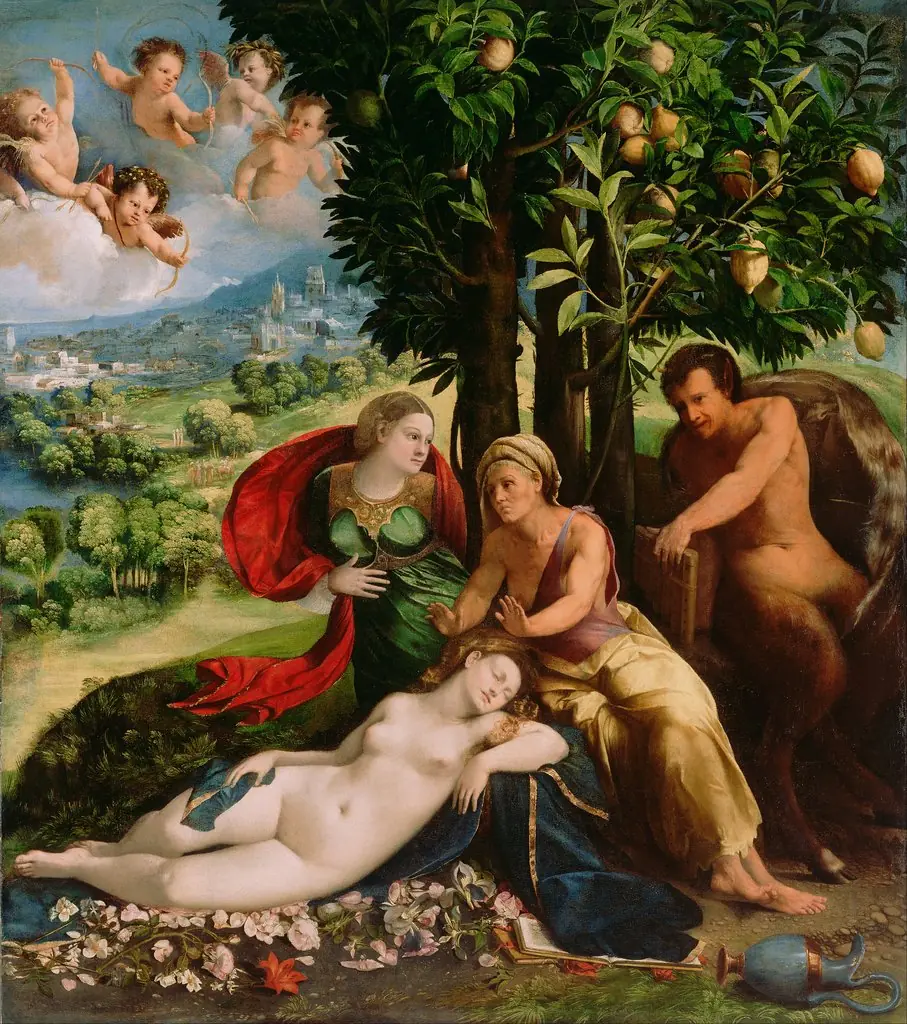 Mythological Scene
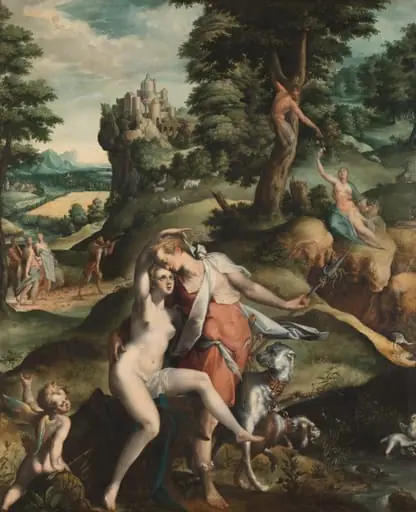 Venus and Adonis
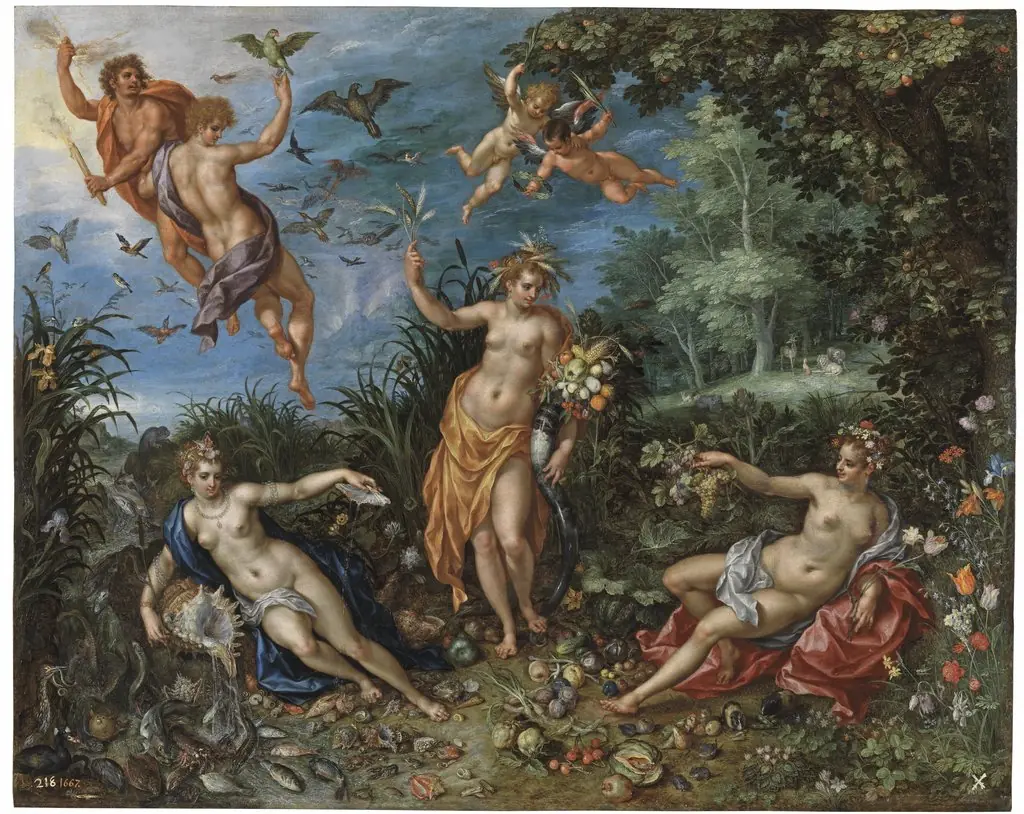 Allegory of Abundance and the Four Elements
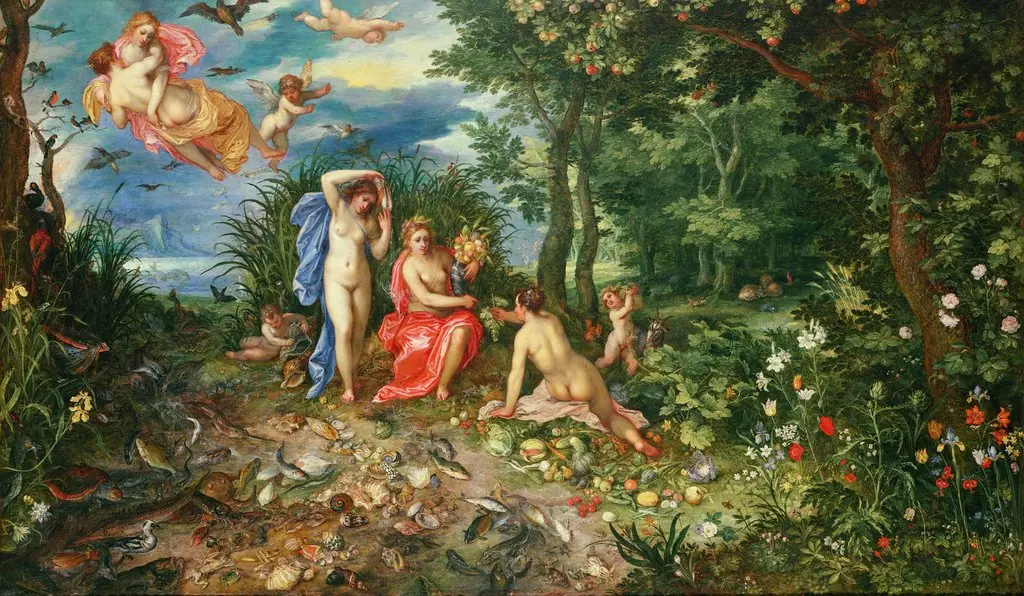 Ceres and the Four Elements
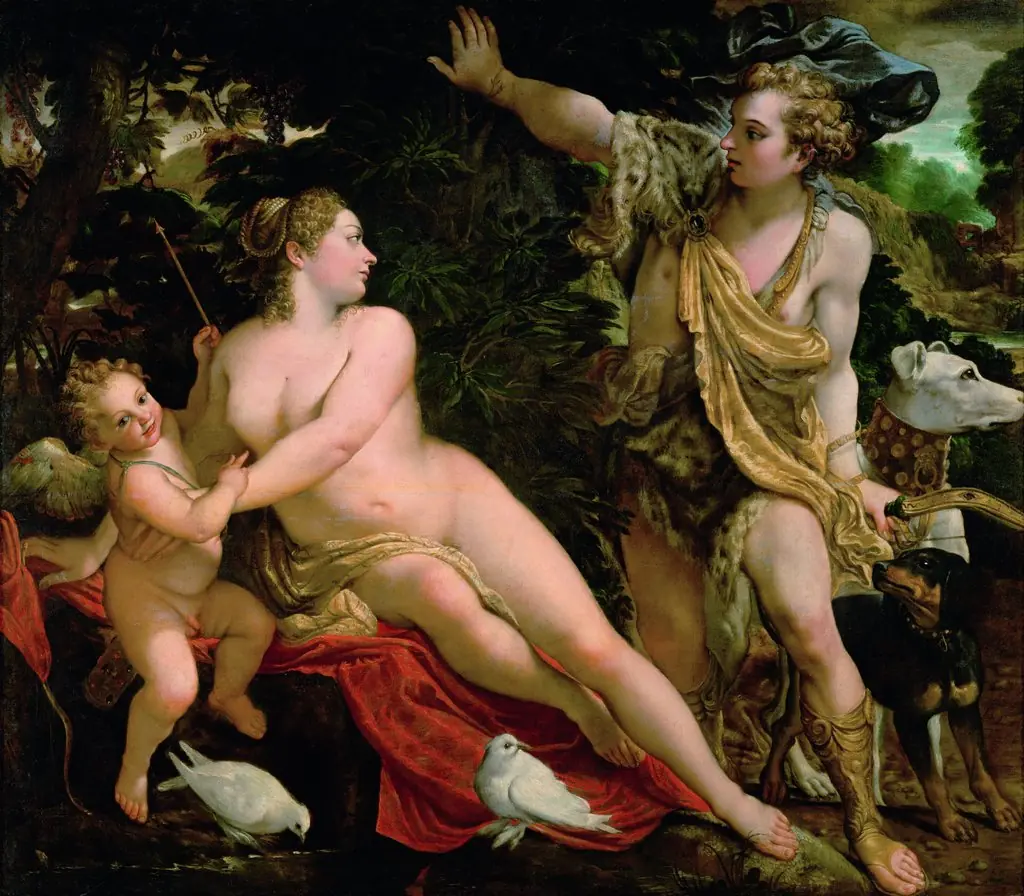 Venus, Adonis and Cupid
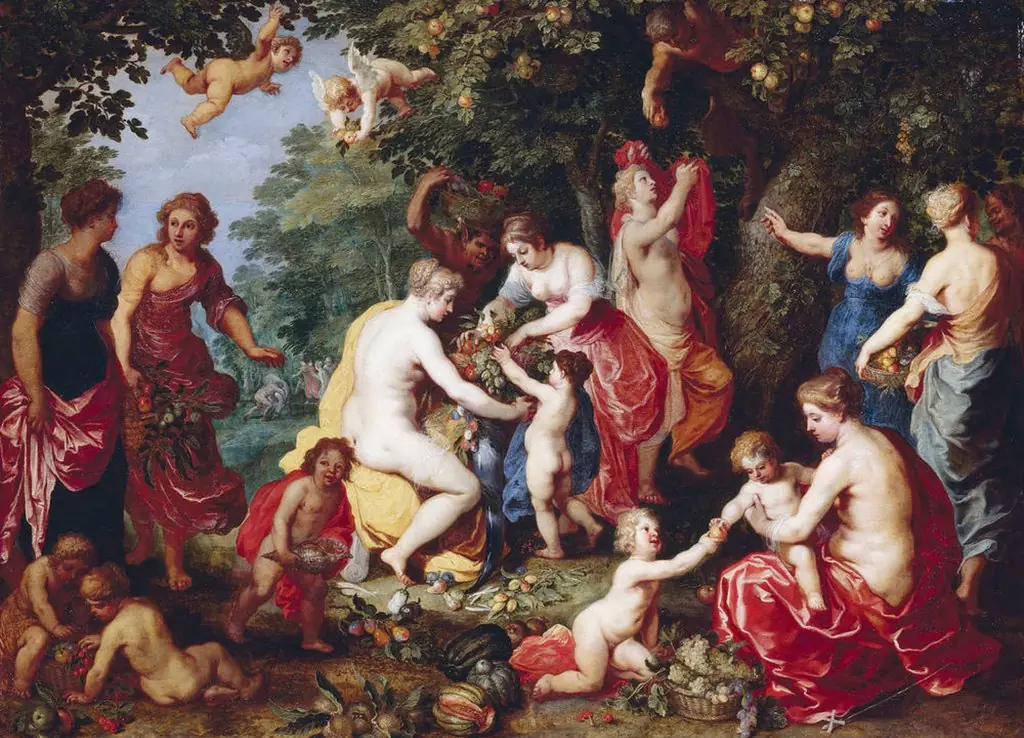 Nymphs and children under fruit trees (Naiads fill the cornucopia)
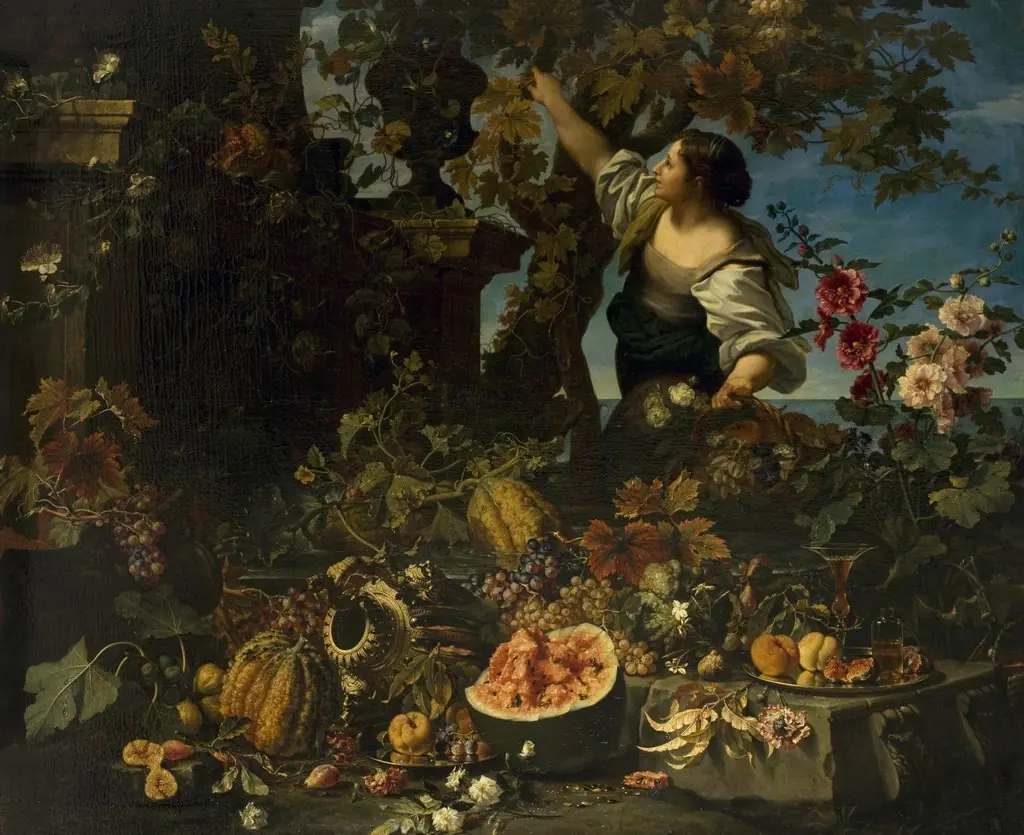 Still Life with a Woman Figure