Artwork
William Barclay
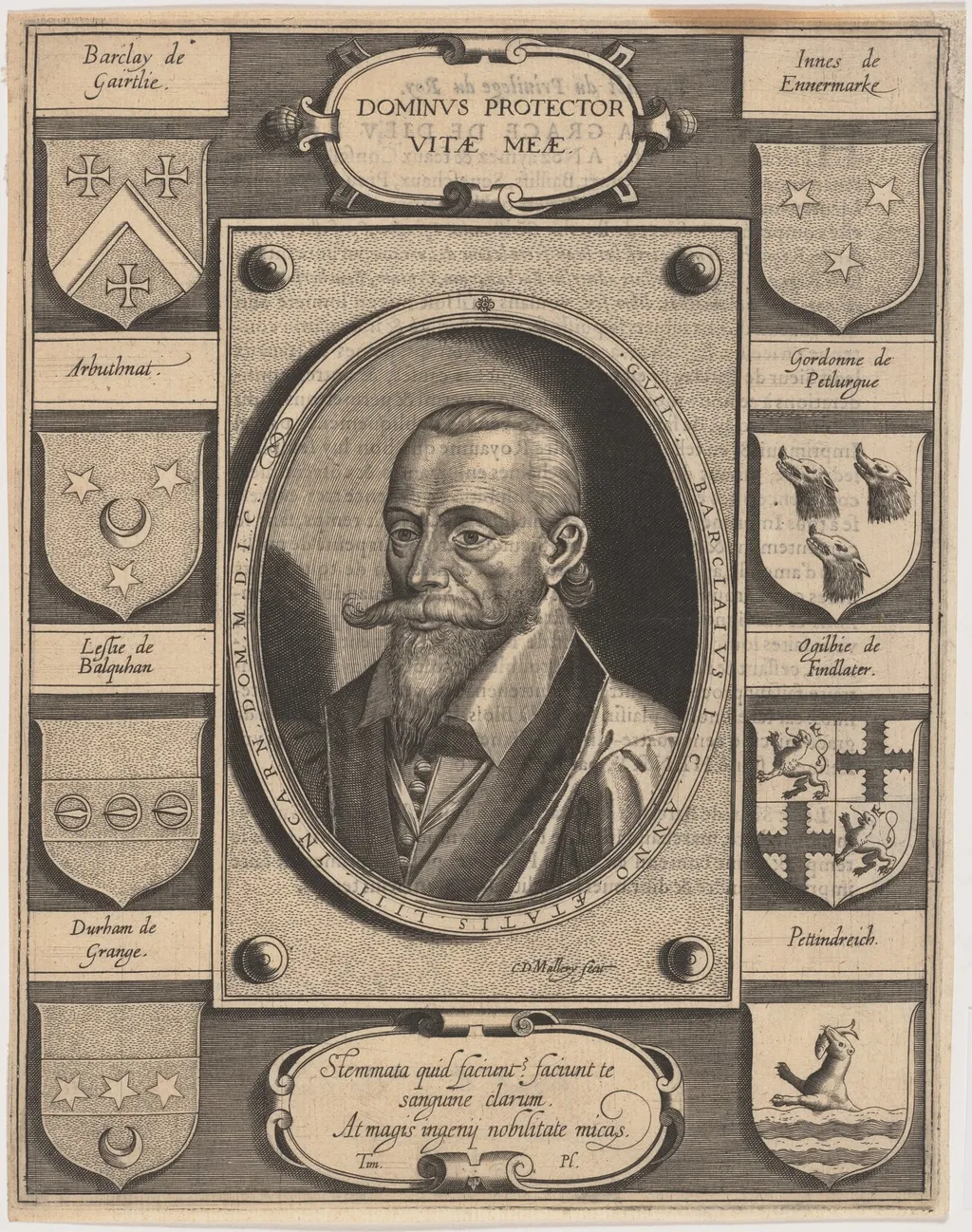
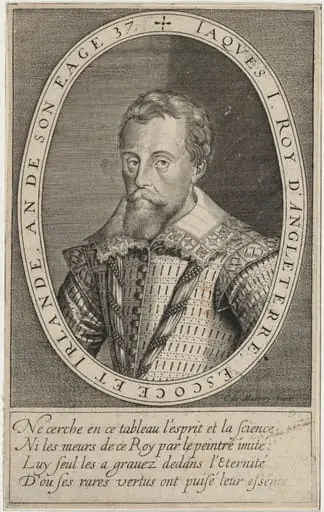
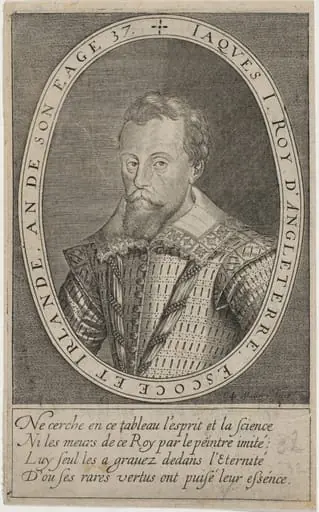
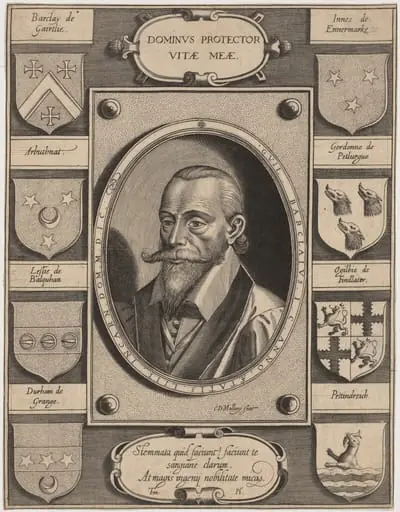
William Barclay is an ink print by the Renaissance artist Karel van Mallery. It dates from 1603 and is held in the collection of the National Gallery of Art.
About this work
Overview
Van Mallery, active in Antwerp and Paris, was known for his precision in translating likenesses into engraved form, often for academic or aristocratic patrons.
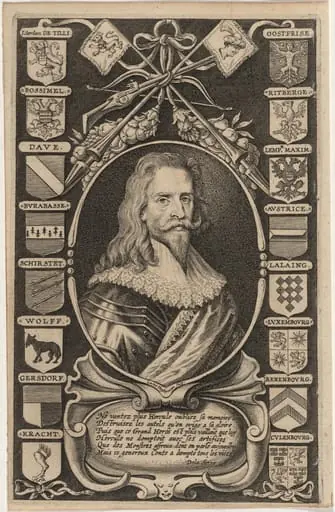
This 1603 engraving by Karel van Mallery portrays William Barclay, a Scottish jurist and political writer. Executed in the reproductive print tradition of the early 17th century, the work reflects the era’s emphasis on documenting scholarly figures through detailed portraiture. Van Mallery, active in Antwerp and Paris, was known for his precision in translating likenesses into engraved form, often for academic or aristocratic patrons.
Subject & Meaning
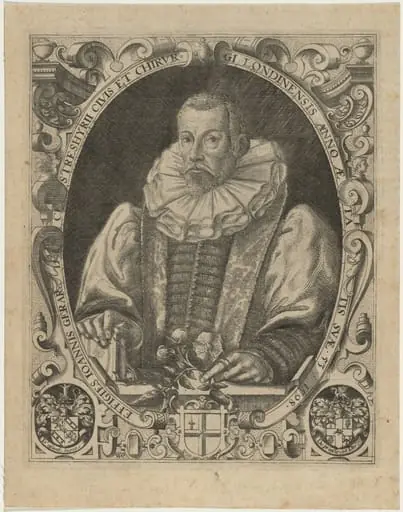
The portrait depicts Barclay with a long beard and mustache, dressed in a dark, formal coat, conveying his status as a legal scholar. An oval frame surrounds his face, flanked by eight small shields likely representing familial heraldry. Above, a Latin banner reads 'Domine, protector vitae meae'—'Lord, protector of my life'—suggesting a devotional tone, possibly reflecting Barclay’s personal faith or the cultural blending of intellectual and spiritual identity in his time.
Technique & Style
Van Mallery employed fine, controlled lines typical of copperplate engraving to render texture in Barclay’s clothing and facial features. The background is deliberately minimal, directing focus to the central figure. Decorative borders with intricate motifs and textual elements frame the composition, a common feature in scholarly portraits of the period. The shields are rendered with subtle tonal variation, indicating careful attention to heraldic detail.
History & Provenance
Created in 1603, the engraving was likely produced to accompany Barclay’s published works or to honor his academic reputation. Van Mallery, working in Antwerp—a hub for print distribution—would have had access to networks of scholars and publishers. The print’s survival suggests it circulated among legal circles or private collectors interested in continental jurists, though its early ownership remains undocumented.
Context
During the early 1600s, engraved portraits of jurists and theologians were widely produced across Europe to affirm intellectual authority. Barclay’s writings on sovereignty and law were influential in political thought, making his image desirable for academic audiences. Van Mallery’s style aligns with Flemish reproductive practices, where artists translated painted portraits into prints for broader dissemination, often without direct access to the subject.
Legacy
The engraving remains one of the few visual records of William Barclay, preserving his likeness for later generations. While not widely reproduced in modern times, it serves as a historical artifact of how scholarly identity was visually constructed in the early modern period. Its combination of heraldic symbolism and devotional text reflects the interwoven nature of lineage, faith, and intellectual prestige in 17th-century Europe.
Artist & collection
Artist
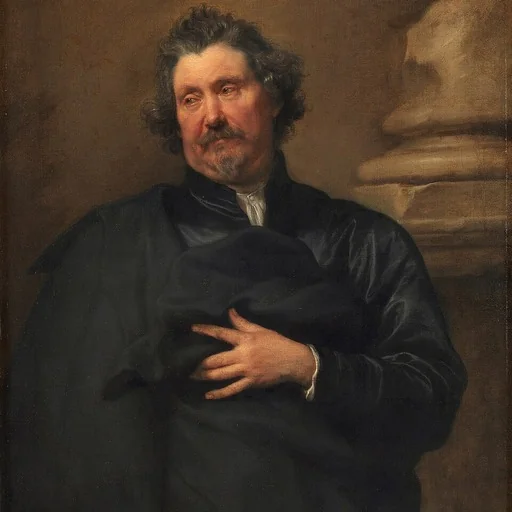
Karel van Mallery (1571–1635?) was a Flemish engraver who mainly worked on religious subjects and portraits and was also a reproductive engraver. He worked in Antwerp and Paris.