Artwork
Clemency of Napoleon
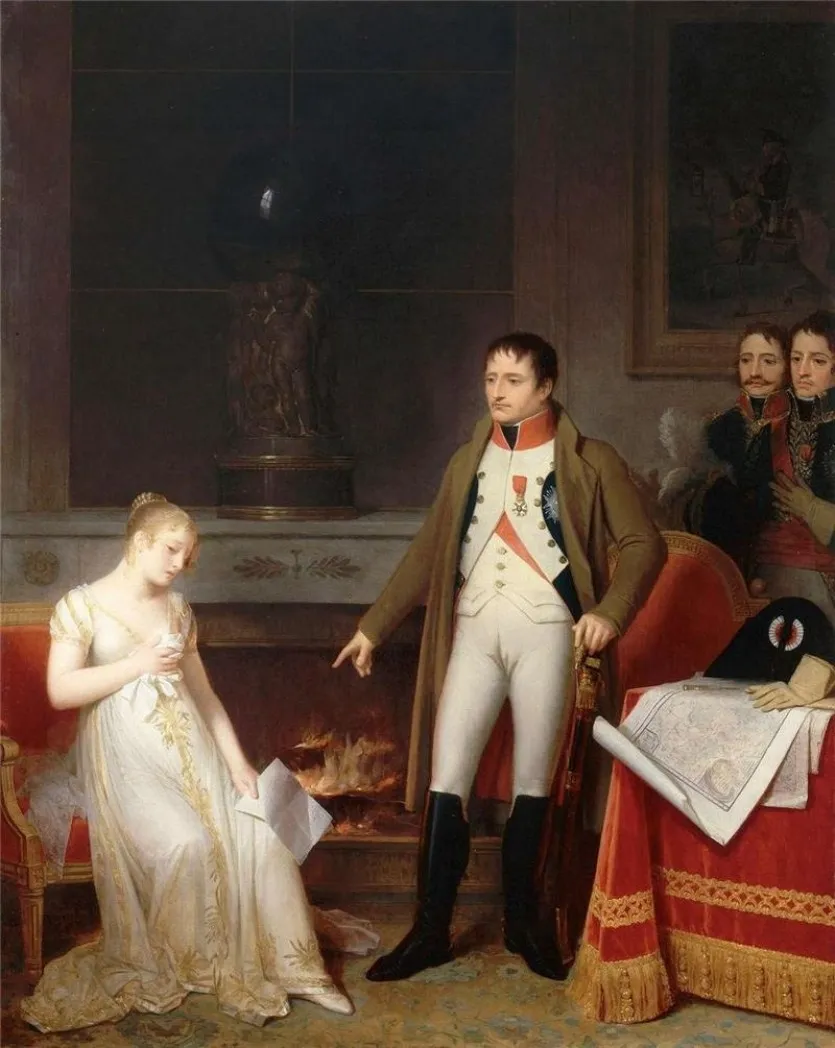
Clemency of Napoleon is an oil painting by Marguerite Gérard. It dates from 1806 and is held in the collection of the Musée national de Malmaison et Bois-Préau.
About this work
Overview
The painting resides in the Château de Malmaison, once Empress Joséphine’s residence, reflecting its connection to Napoleon’s inner circle.
Painted in 1806 by Marguerite Gérard, this oil work captures a quiet moment of imperial authority. Gérard, trained in the Rococo tradition under Jean-Honoré Fragonard, turned to historical and domestic scenes in the early 19th century. The painting resides in the Château de Malmaison, once Empress Joséphine’s residence, reflecting its connection to Napoleon’s inner circle. Its composition balances intimacy with political gravity.
Subject & Meaning
The scene depicts Napoleon gesturing toward a woman seated in white, who holds a document, suggesting a plea for mercy or petition. Two uniformed officers stand behind a table with a map, implying administrative or military context. The gesture implies a moment of personal intervention by the emperor, framing his rule as both decisive and compassionate. The setting, rich in domestic detail, softens the political weight with domestic familiarity.
Technique & Style
Gérard employs chiaroscuro to model form and direct focus toward Napoleon and the woman, creating spatial depth without theatricality. Her brushwork is precise, particularly in the rendering of fabrics and textures—velvet, paper, polished wood—showing influence from her Rococo training. The composition is carefully balanced, with the fireplace and wall paintings framing the central figures, reinforcing order and control within the interior space.
History & Provenance
Commissioned during Napoleon’s consolidation of power, the painting entered the collection of Malmaison, his and Joséphine’s retreat. Gérard, one of the few women artists of her time to achieve professional recognition, was known for her etchings and intimate genre scenes. This work stands as a rare example of her engagement with imperial themes, likely intended to reinforce the regime’s image of benevolent leadership.
Context
Created in the aftermath of Napoleon’s coronation and amid efforts to legitimize his rule, the painting reflects a cultural shift from revolutionary chaos to stabilized authority. While public monuments glorified military triumph, this interior scene offered a quieter narrative: governance as personal mercy. Gérard’s focus on a domestic setting aligns with contemporary ideals of enlightened leadership rooted in order and civility.
Legacy
Though less celebrated than her male contemporaries, Gérard’s work contributed to the visual language of Napoleonic France. 'Clemency of Napoleon' remains a significant example of how women artists navigated political subject matter within constrained social roles. The painting endures as a subtle record of how power was portrayed—not only through force, but through gesture, setting, and quiet authority.
Artist & collection
Artist
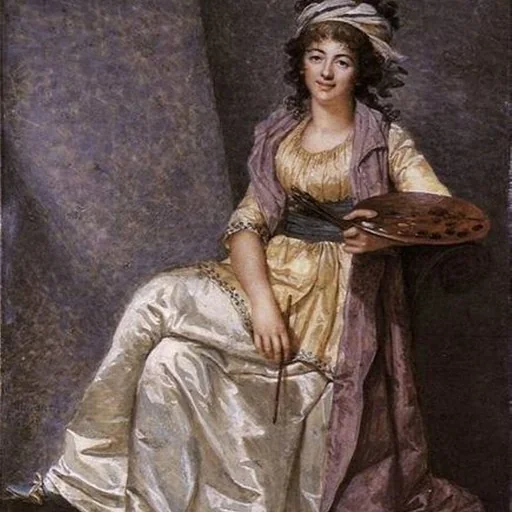
Marguerite Gérard (French pronunciation: ; 28 January 1761 in Grasse – 18 May 1837 in Paris) was a French painter and printmaker working in the Rococo style.
Museum
Musée national de Malmaison et Bois-Préau
Continue through works from the same source collection.
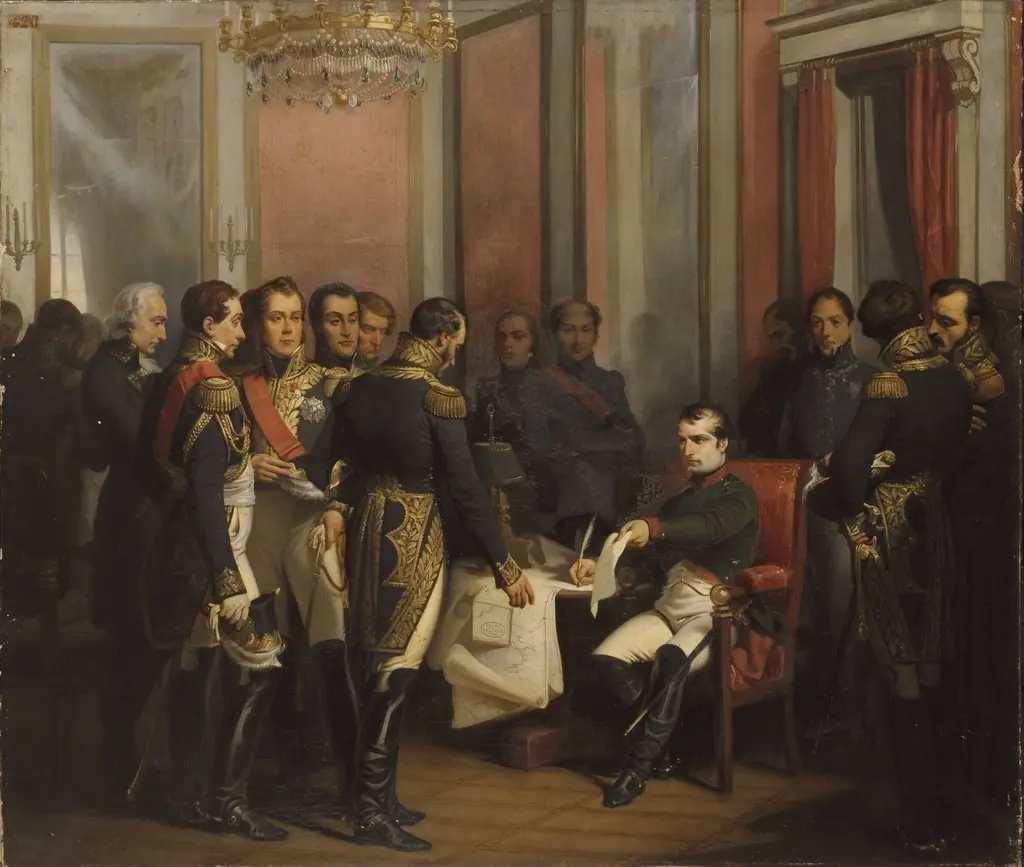 Napoléon signs his abdication at Fontainebleau 11 April 1814
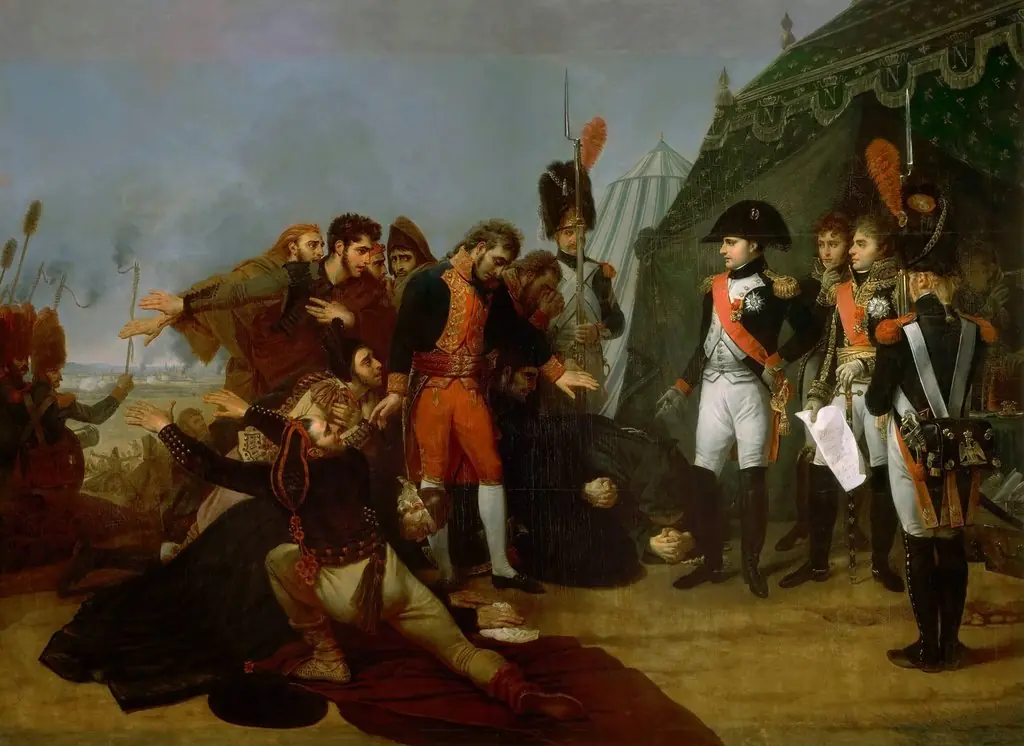 Napoleon accepts the surrender of Madrid, 4 December 1808
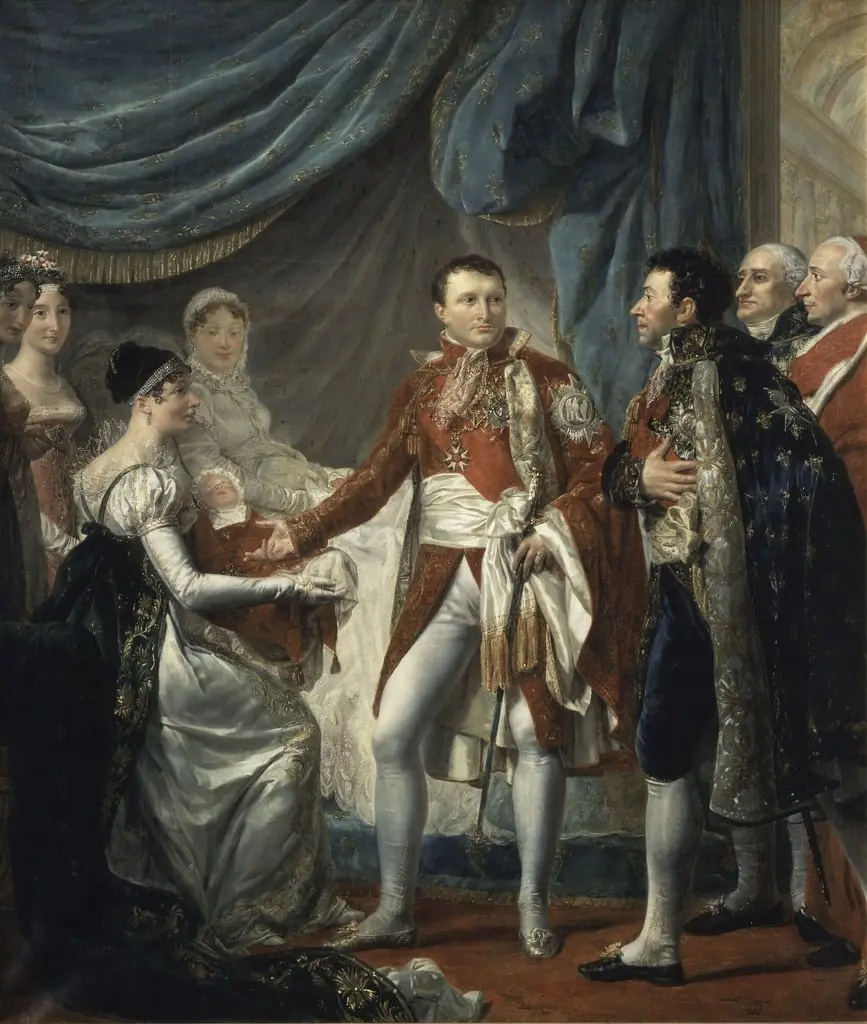 Napoleon I presents the King of Rome to the dignitaries of the Empire, March 20, 1811
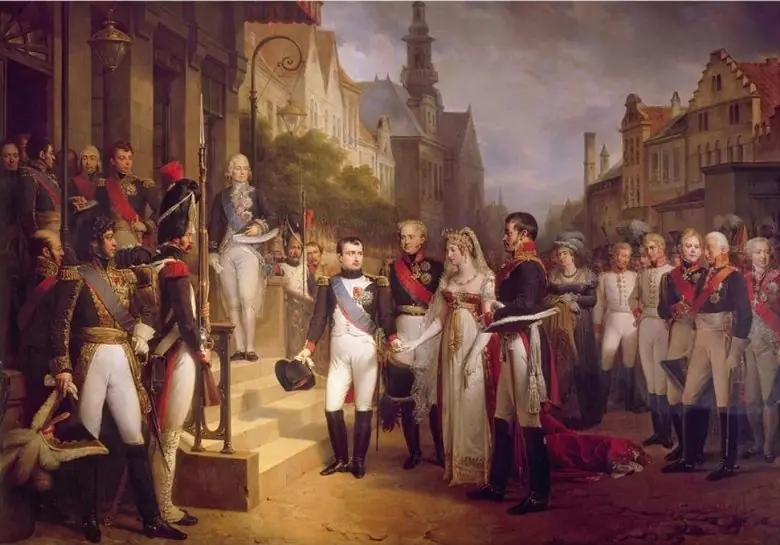 Napoleon Receiving the Queen of Prussia at Tilsit
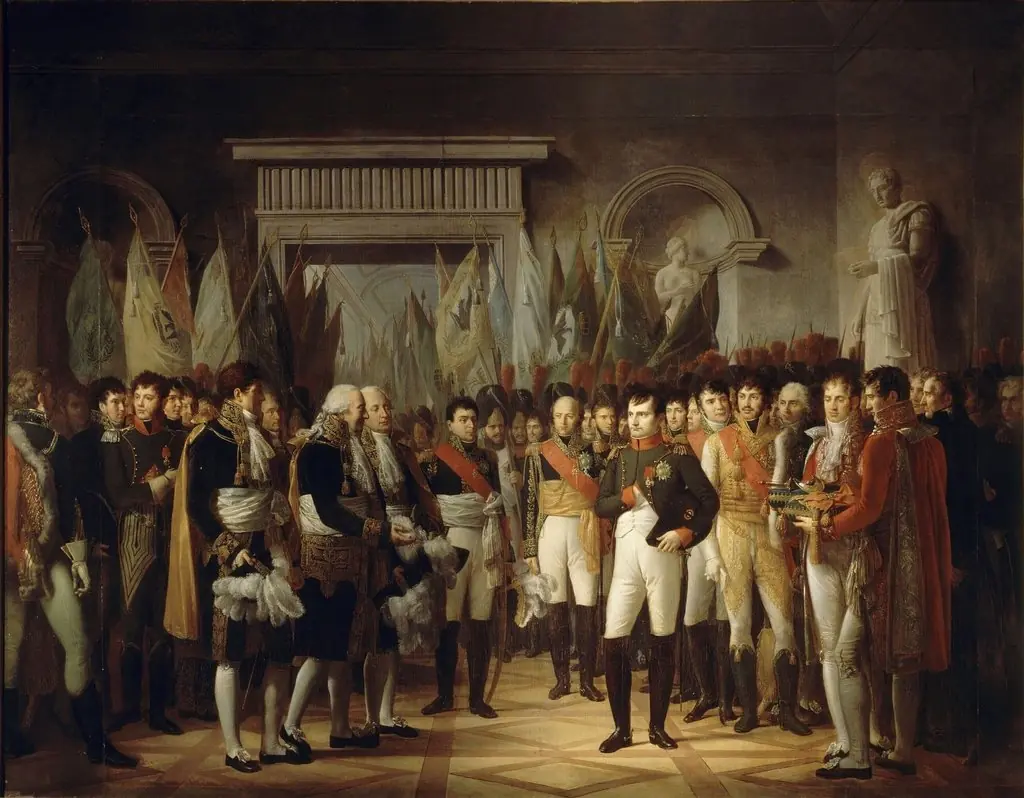 The Emperor receiving the deputies of the Conservative Senate in Berlin at the royal palace, 19 November 1806
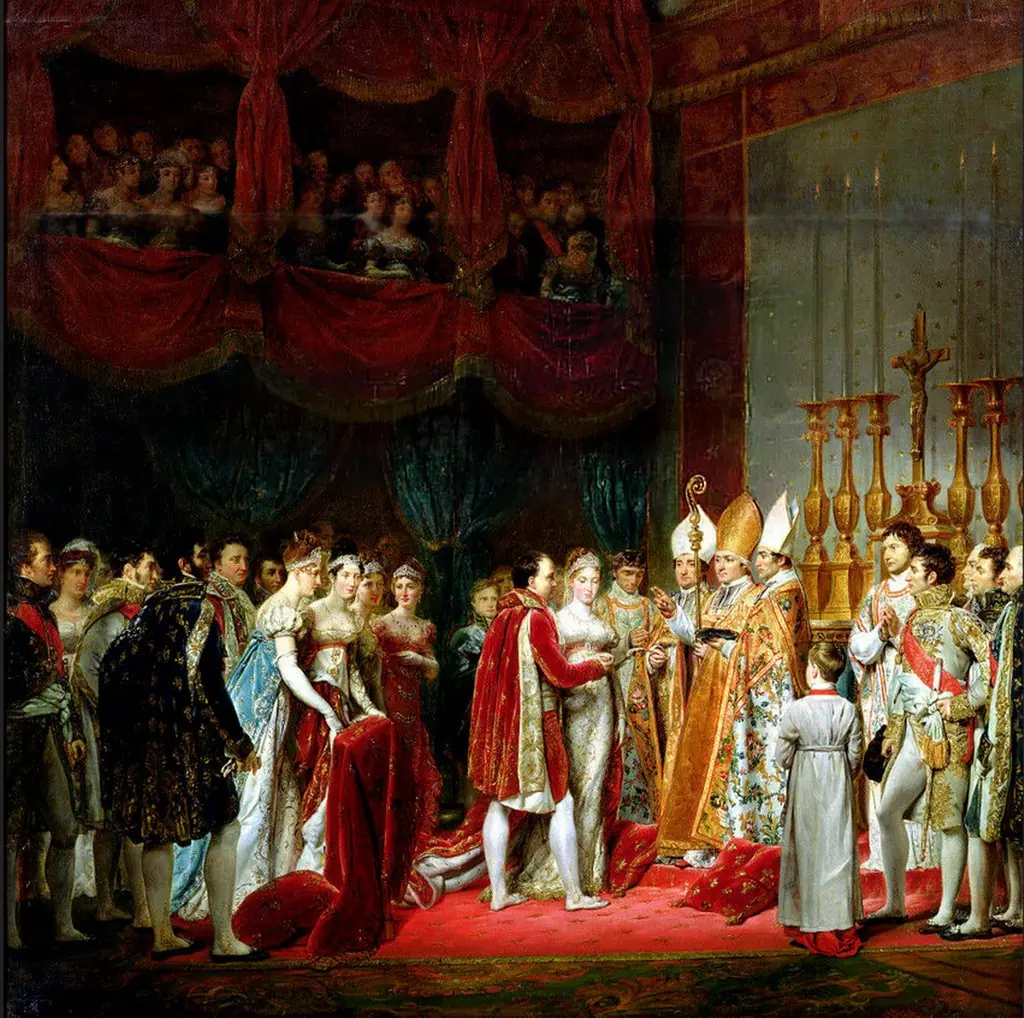 Marriage of Napoleon I and Marie Louise, 2 April 1810
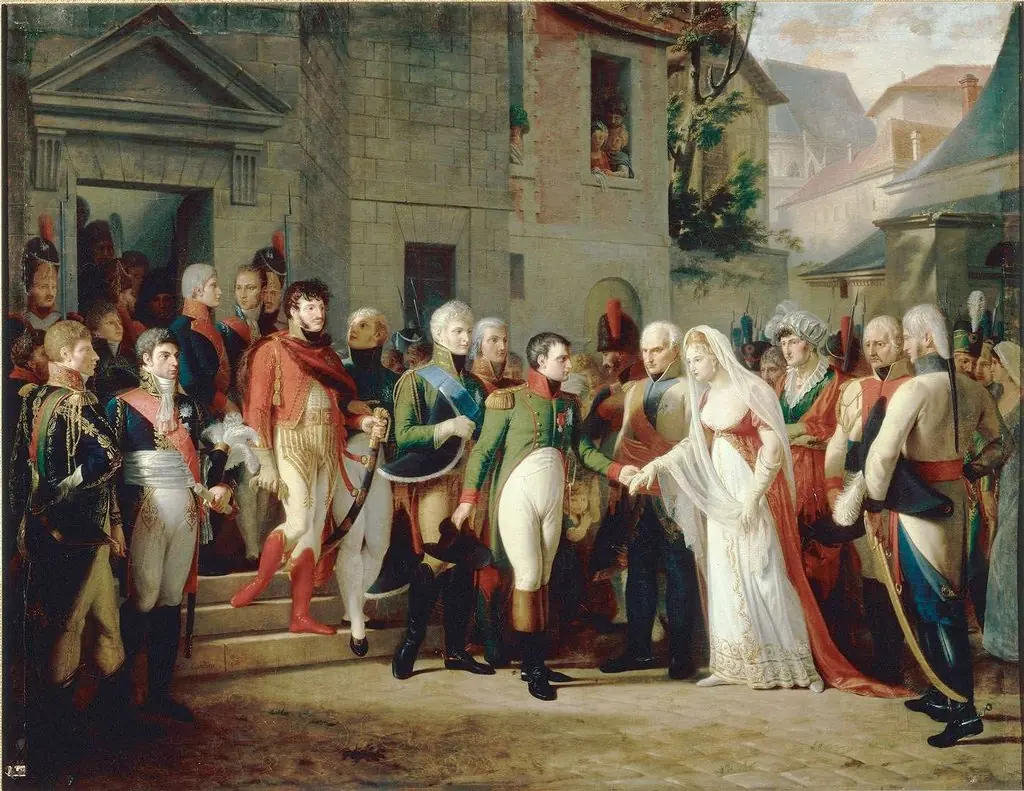 Napoleon I receives the Queen of Prussia in Tilsitt
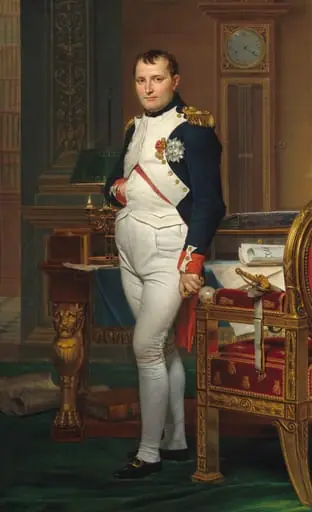 The Emperor Napoleon in His Study at the Tuileries
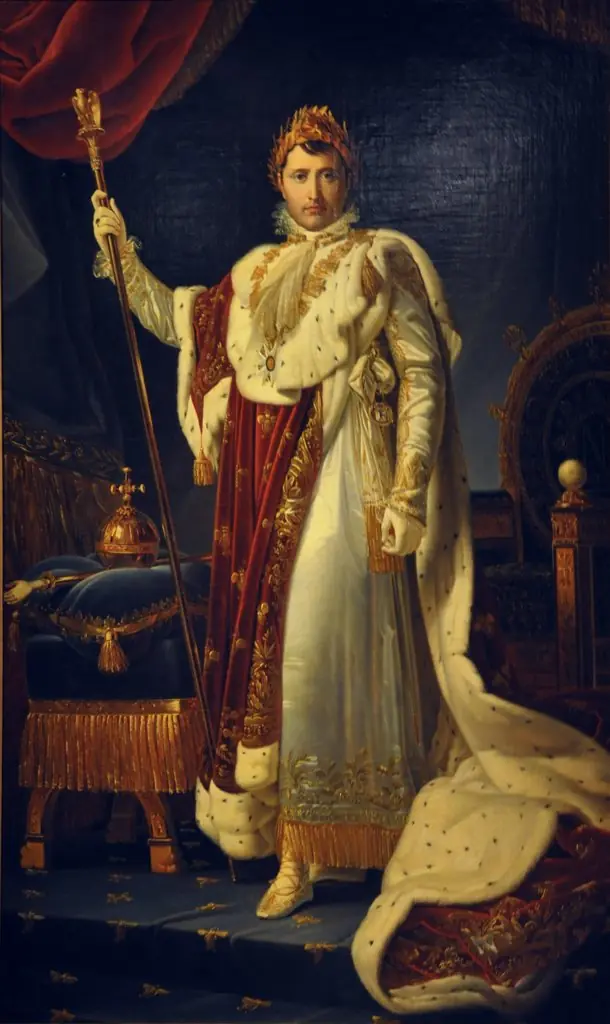 Napoleon in Coronation Robes
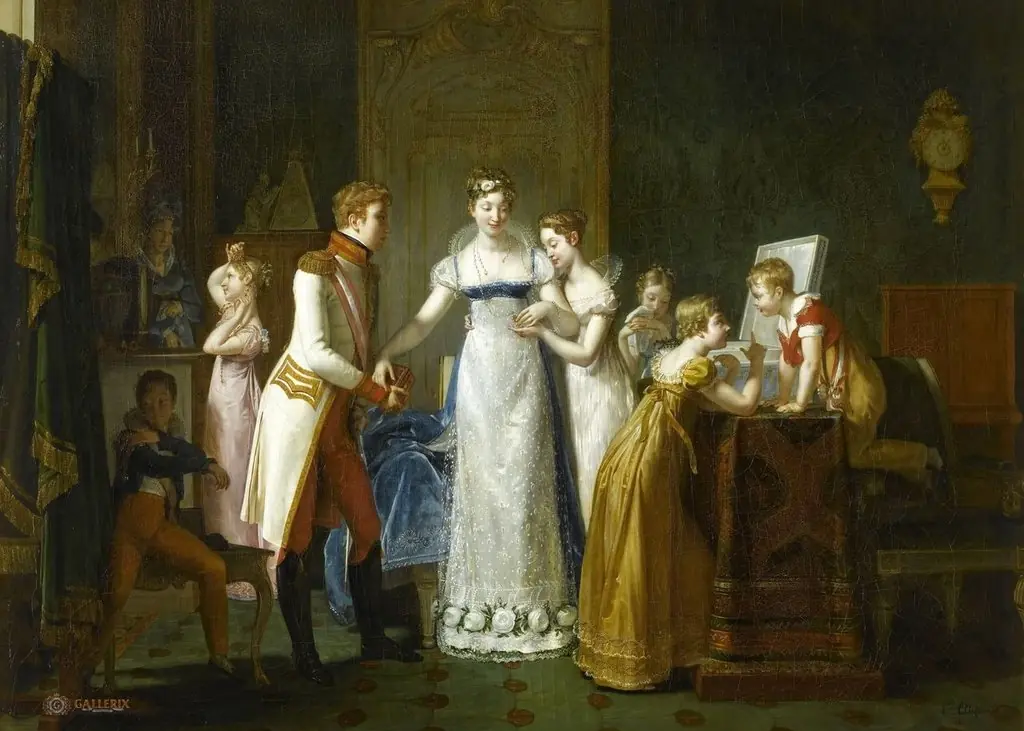 Marie-Louise of Austria Bidding Farewell to her Family in Vienna