Artwork
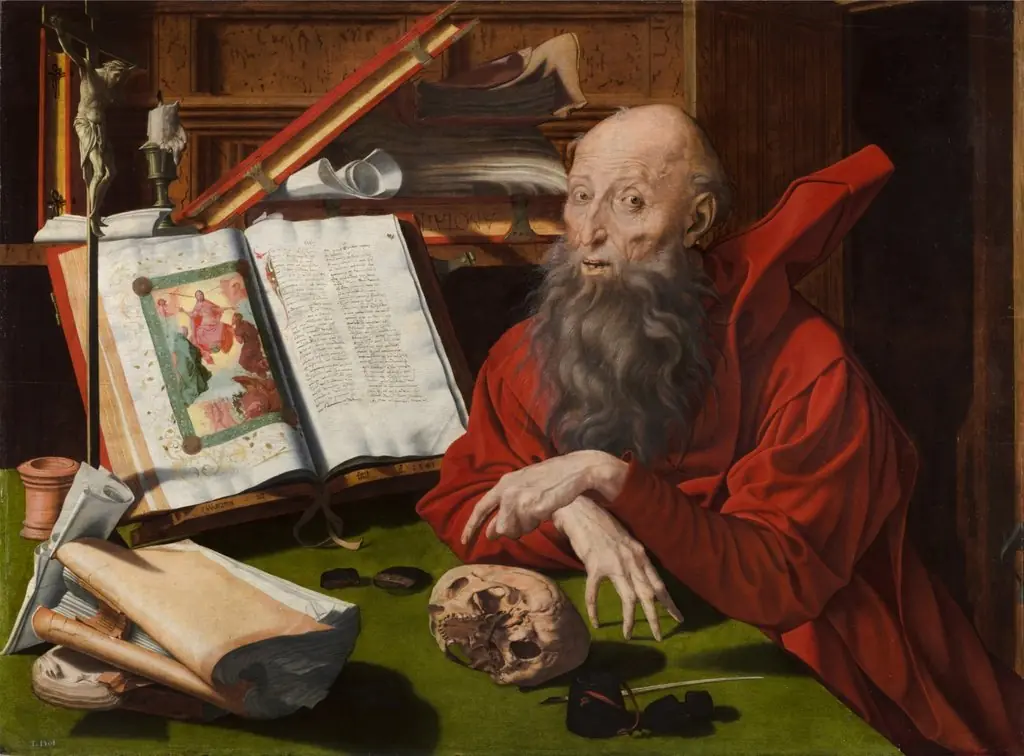
Saint Jerome in his Study
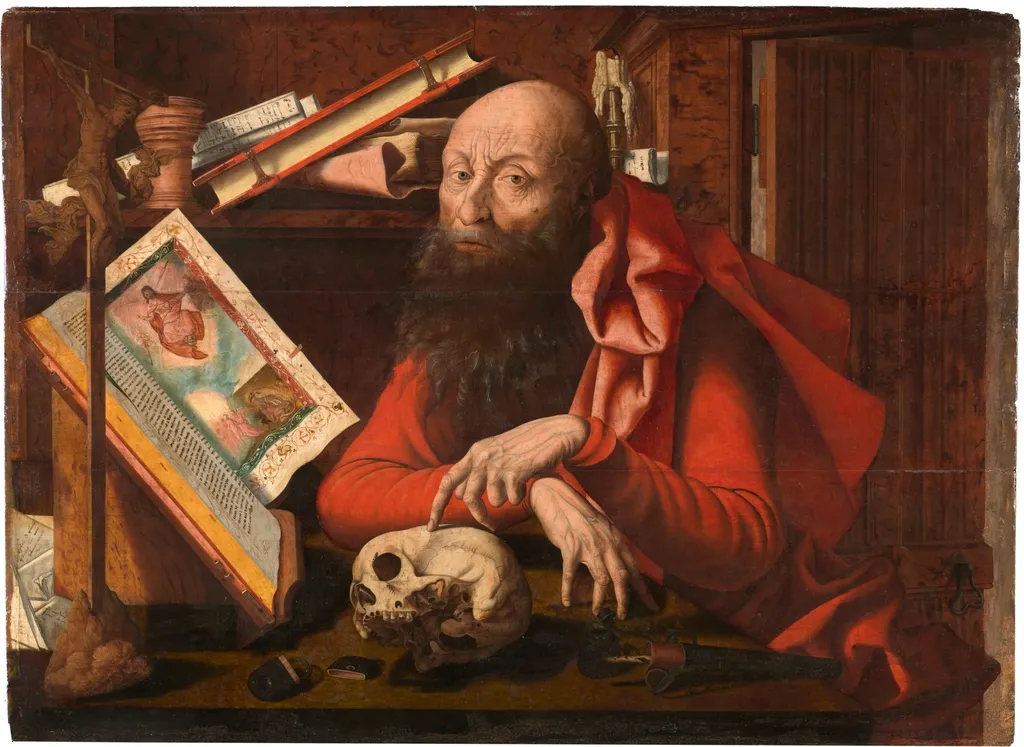
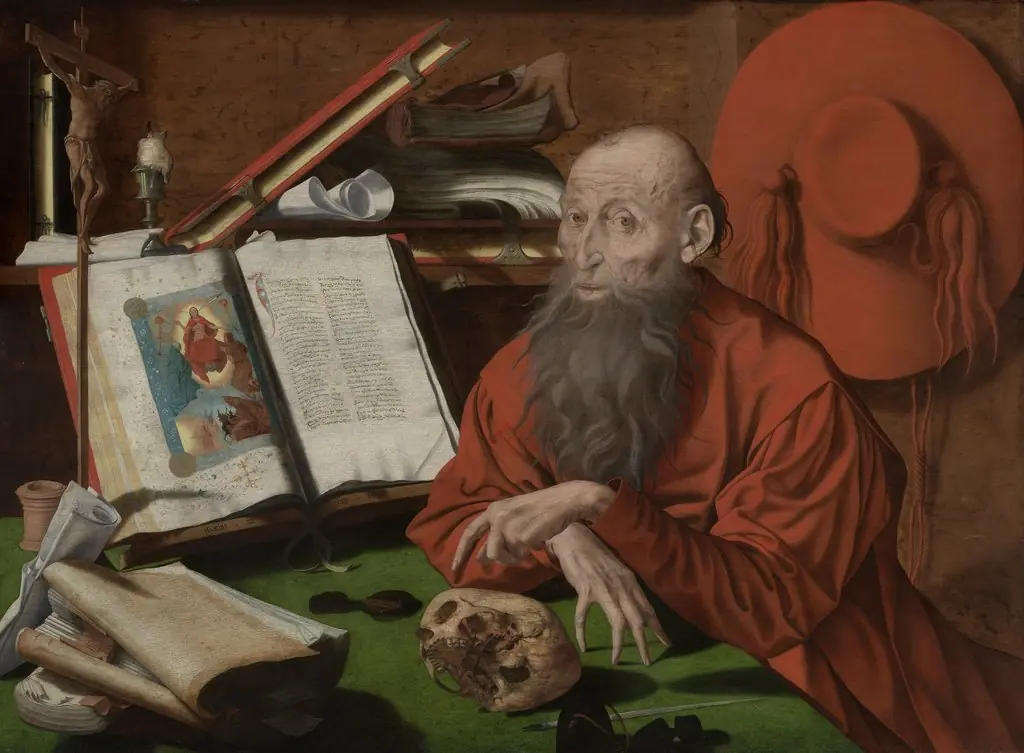
Saint Jerome in his Study is an oil painting by the Northern Renaissance artist Marinus van Reymerswaele. It dates from 1501 and is held in the collection of the Museo del Prado.
About this work
Overview
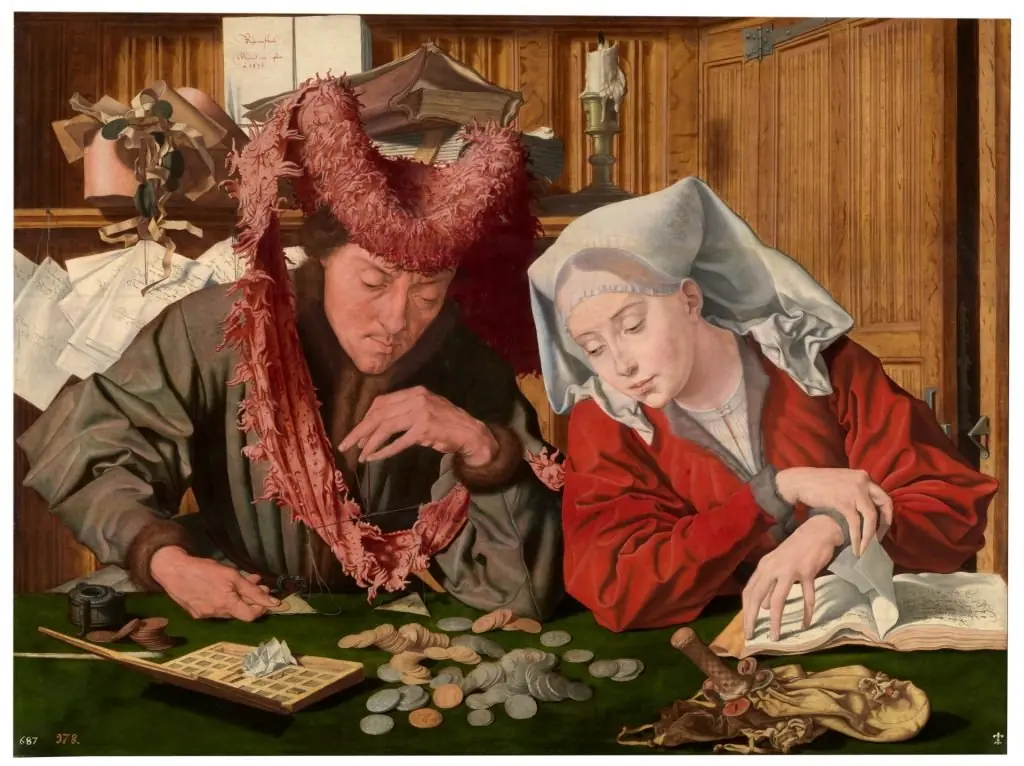
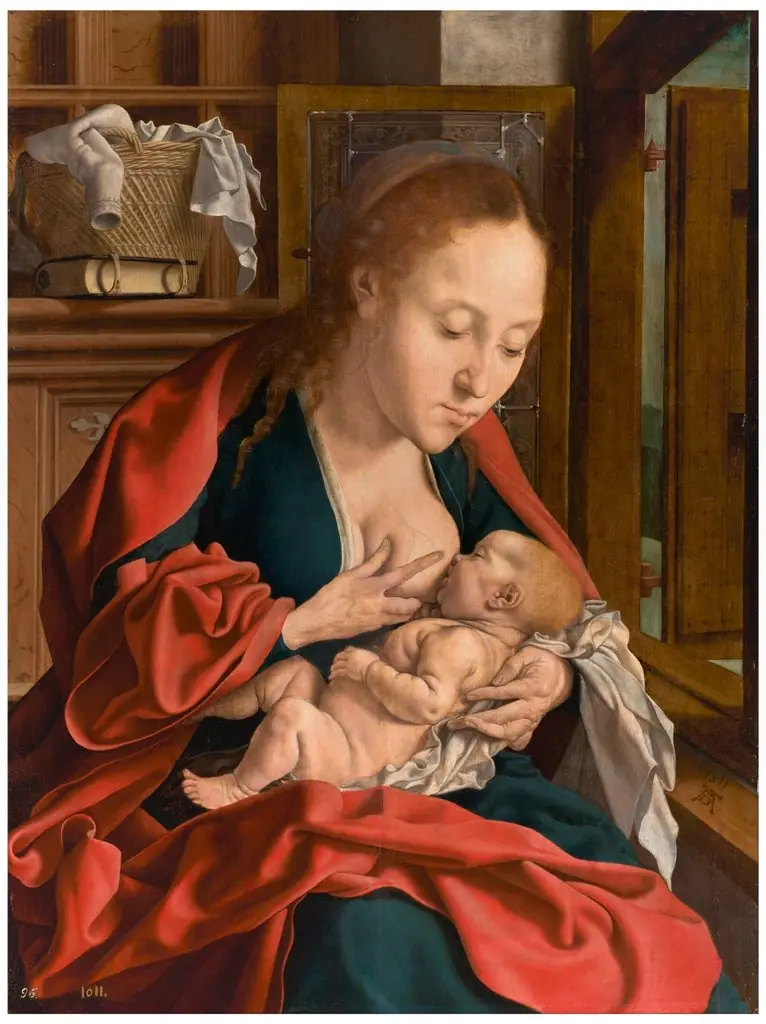
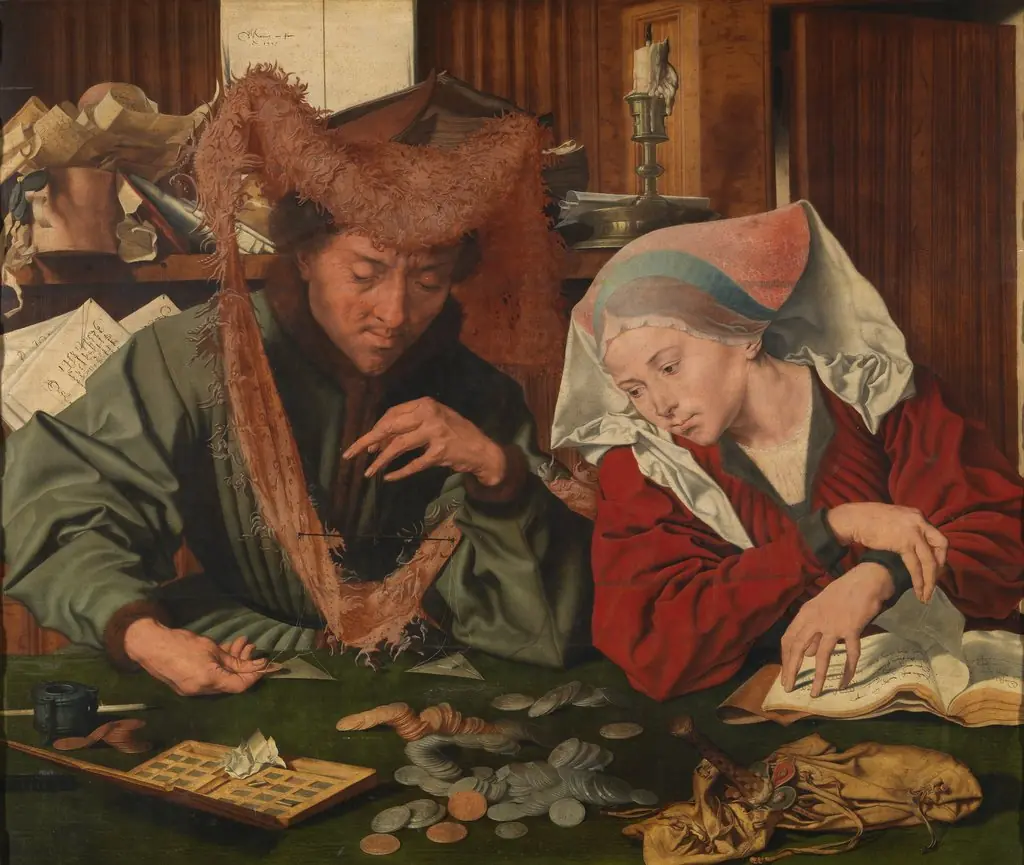
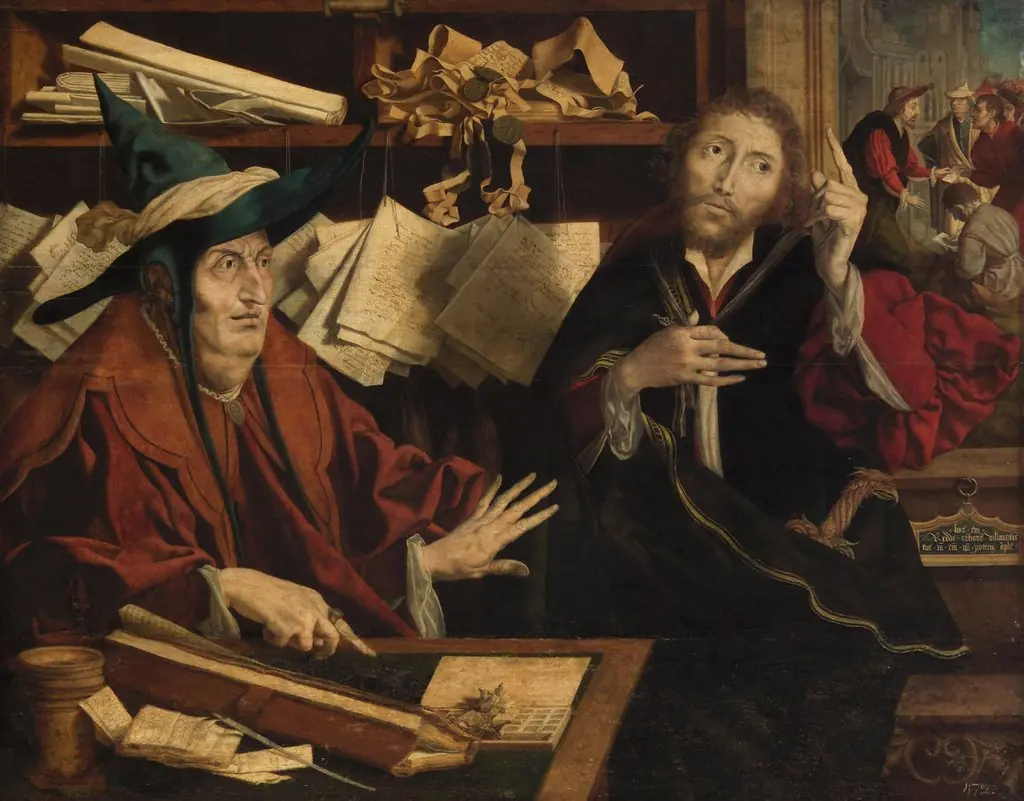
Marinus van Reymerswaele, a Dutch painter of the early sixteenth century, produced the oil work Saint Jerome in his Study in 1501. The composition places the saint at a desk surrounded by scholarly and devotional objects, rendered in the detailed manner typical of the Northern Renaissance. The painting is part of the Museo del Prado’s collection.
Subject & Meaning
The central figure is Saint Jerome, identifiable by his red habit, bald head, and long beard. He rests his right hand on a skull, a traditional memento mori, while a candle, crucifix, books and papers occupy the desk, suggesting contemplation of mortality and the scholarly labor of translating the Bible.
Technique & Style
Van Reymerswaele employs chiaroscuro to model the saint’s face and the surrounding items, creating a sense of three‑dimensional space. The meticulous rendering of textures—metal, wood, parchment—reflects the Northern Renaissance’s attention to material detail and its use of oil paint to achieve subtle tonal variations.
History & Provenance
Born in Leuven and active in Antwerp before returning to the Northern Netherlands, van Reymerswaele was known for both religious and genre scenes. Saint Jerome in his Study entered the Prado’s holdings through acquisition in the twentieth century, joining the museum’s representation of early Netherlandish art.
Own this work as a print
Artist & collection
Artist
Marinus van Reymerswaele or Marinus van Reymerswale (c. 1490 – c. 1546) was a Dutch Renaissance painter mainly known for his genre scenes and religious compositions. After studying in Leuven and training and working as…